
Table of Contents >> Show >> Hide
- Why Any Light at Night Can Mess With Sleep (Even “Just a Little”)
- Red Light vs. Blue Light: Same Light Bulb Family, Very Different Personalities
- What Research Suggests About Red Light at Night and Sleep
- So Should You Use a Red Night Light? A Practical Decision Guide
- Red Light and Vision: Why It’s Used to Preserve Night Vision
- Can Red Light Harm Your Eyes at Night?
- Common Myths About Red Light at Night (Let’s Retire These)
- How to Use Red Light at Night Without Sabotaging Your Sleep
- What About Kids and Teens Who Want a Night Light?
- Quick FAQ
- Conclusion: Red Light Is a Solid Nighttime ToolIf You Use It Like One
- Real-World Experiences (500+ Words): What People Notice When They Switch to Red Light at Night
If you’ve ever tiptoed to the bathroom at 2 a.m. and flipped on the full-power “stadium lighting” overhead, you already know:
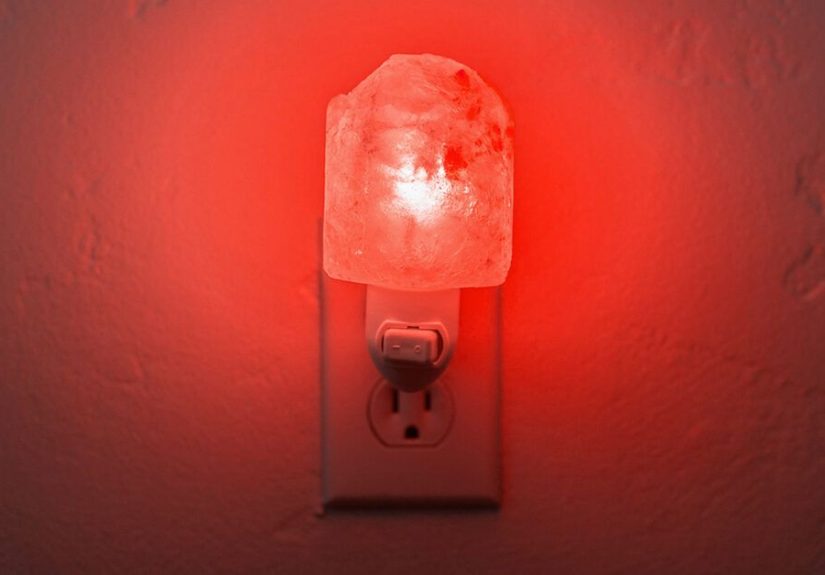
nighttime light can be… aggressive. That’s why red night lights have become the go-to for people who want to see where they’re going
without shocking their brains into thinking it’s brunch o’clock.
But does red light at night actually help you sleep better? Does it protect your eyes (or mess with them)? And why do astronomers,
campers, and anyone who has ever stepped on a LEGO in the dark keep praising the color red?
Let’s break it downscience-first, panic-last, and with enough practicality to improve your nights immediately.
Why Any Light at Night Can Mess With Sleep (Even “Just a Little”)
Your body runs on a built-in timing system called the circadian rhythm. One of its biggest “setters” is light.
When your brain senses darkness, it tends to allow melatonin (a key sleep-related hormone) to rise.
When it senses light, melatonin can drop and your internal clock can shift later.
Here’s the annoying part: it doesn’t take a spotlight to create an effect. Even relatively dim indoor light can interfere with the
nighttime “darkness signal” your brain expects. That’s why sleep experts often recommend keeping the bedroom as dark as you can manage.
The big takeaway
If you’re using light at night, the goal is not “bright enough to read a novel.”
The goal is “bright enough to not walk into a doorframe.”
Red Light vs. Blue Light: Same Light Bulb Family, Very Different Personalities
Not all colors (wavelengths) of light hit your biology the same way. Light that’s richer in short wavelengthsespecially
blue-cyantends to have a stronger effect on the circadian system, including melatonin suppression.
That’s a big reason phones, tablets, computers, and many bright LED bulbs can feel like they “wake up your brain” at night.
Red light sits on the longer-wavelength end of the spectrum. In general, it has a
lower circadian impact than blue-rich light at the same brightness. That’s the logic behind red night lights:
you can see enough to function without delivering the same “morning signal” that blue-heavy light can deliver.
But “lower impact” doesn’t mean “no impact”
Bright light is bright light. If your red light is intense, close to your face, or blasting your room like a neon sign,
it can still keep you more alert than you want to be.
The intensity, duration, timing, and distance all matter.
What Research Suggests About Red Light at Night and Sleep
Research on red light and sleep spans a few different categories:
(1) “red light exposure at night” (as a safer alternative to other lighting),
(2) “red-light therapy / photobiomodulation” (a specific type of intervention),
and (3) broader “light-at-night” studies that focus on brightness and blue-rich light.
These don’t always mean the same thingso headlines can get confusing fast.
1) Dim red light may be less disruptive than blue-rich light
Studies comparing different wavelengths commonly find that blue light suppresses melatonin more strongly than longer wavelengths.
Some research suggests red light may allow melatonin levels to recover more than blue light does, depending on exposure conditions.
Translation: if you must use light at night, a dim red option is often a better “sleep compromise” than a bright,
cool-white or blue-heavy light.
2) Red light isn’t a guaranteed sleep hack
You might see claims like “red light boosts melatonin” or “red light fixes insomnia.”
Reality is more cautious: some small studies and specialized interventions show promise, but broad, guaranteed outcomes are not established.
If you sleep poorly, a red light can be a helpful environment tweak, not a magical cure.
3) The “best” light for sleep is still darkness
Many expert recommendations still point to one simple rule: keep your sleep environment as dark as possible.
A red night light is best viewed as a “safety tool” for necessary movement, not as background ambiance for the entire night.
If the light can be off while you’re asleep, that’s usually ideal.
So Should You Use a Red Night Light? A Practical Decision Guide
A red light at night can make sense if you:
- Get up to use the bathroom and don’t want bright light to fully wake you up
- Have kids who need a comforting, low-glare night light
- Want safer hallway navigation (stairs + darkness = bad combo)
- Share a room and want to avoid waking someone with bright overhead light
It may be less helpful if you:
- Use it like a lamp (bright, for long periods, close to your eyes)
- Keep it on all night at a brightness that lights up the whole room
- Expect it to “cancel out” late-night phone scrolling (sorry, science says no)
The sweet spot: dim + warm + brief
If you’re choosing a red night light, aim for the lowest brightness that still keeps you safe.
Motion-activated lights can be excellent: light only when needed, darkness the rest of the time.
Red Light and Vision: Why It’s Used to Preserve Night Vision
Now for the eye partbecause your vision at night isn’t just “day vision but with less enthusiasm.”
In low light, your eyes rely more on rods (light-sensitive cells in the retina that support night vision),
while cones handle color and sharp detail in brighter conditions.
Rods are generally less sensitive to long-wavelength red light than they are to shorter wavelengths.
That’s why red light is traditionally used in settings where people want to preserve dark adaptation
(think: astronomy, certain safety operations, stargazing).
Important nuance: dim red helps more than bright red
If your red light is very bright, it can still reduce dark adaptation. Also, many “red” lights aren’t perfectly pure red;
they can include a little bit of other wavelengths. So the practical rule is:
use the dimmest red light that still works.
Can Red Light Harm Your Eyes at Night?
For typical household use (a dim red night light), there’s no strong evidence that it is inherently damaging to healthy eyes.
Most concerns about eye harm and light relate to extremely bright exposure, specialty devices, or prolonged intense viewing.
What red light can do is affect comfort and vision quality in the moment:
- Reduced clarity: Red light can make it harder to see certain colors or details (because you’re basically bathing the scene in red).
- Glare sensitivity: If the light is too bright or poorly positioned, you may get glare and feel more “awake” or annoyed.
- Eye strain: Not because red is “bad,” but because any dim lighting can make you squint if you try to do detailed tasks.
If you have an eye condition (or you notice headaches, unusual sensitivity, or worsening night vision),
it’s smart to ask an eye care professional for personalized guidance.
Common Myths About Red Light at Night (Let’s Retire These)
Myth #1: “Red light doesn’t affect sleep at all.”
It can still affect sleep if it’s bright enough, used long enough, or hits your eyes at the wrong time.
Red is often less disruptive than blue-rich light, not magically neutral.
Myth #2: “Red light therapy and a red night light are the same thing.”
They’re not. Red light therapy typically uses specific wavelengths, intensities, and exposure protocols.
A night light is a safety tool. They have different goals and different evidence bases.
Myth #3: “If I use a red night light, I can scroll my phone in bed without consequences.”
Your phone is still blasting bright, blue-rich light into your face at close range.
A red night light won’t override that. (Nice try, though.)
How to Use Red Light at Night Without Sabotaging Your Sleep
1) Keep it dim (seriously dim)
If you can clearly read product labels across the room, it’s probably brighter than you need for “sleep-friendly navigation.”
Aim for a gentle glow near the floor or along a pathway.
2) Put it low and out of your direct line of sight
Lower placement reduces glare and keeps light from blasting directly into your eyes.
Think: outlet-level night lights, under-bed LEDs, or hallway baseboard lights.
3) Use it briefly
Turn it on to move safely, then turn it off. If you need it for emergencies or caregiving, consider a motion sensor or a timer.
4) Pair it with real sleep hygiene
A red bulb won’t fix a bedtime routine built around late caffeine, doomscrolling, and “one more episode” that turns into three.
Try stacking the basics:
- Reduce bright light and screens in the last hour before bed
- Keep your room cool and quiet
- Get daylight exposure during the day
- Keep sleep and wake times consistent when possible
What About Kids and Teens Who Want a Night Light?
If a night light helps a child feel safe, that’s a real benefit. The trick is to choose the least disruptive option:
dim, warm-toned lighting placed away from the bed and not aimed at the face.
Red can work well here because it can be low-glare and less likely to shout “wake up!” to the brain.
But brightness still mattersso avoid turning the bedroom into a submarine control room.
Quick FAQ
Is red light better than leaving the bathroom light on?
Usually, yesespecially if the bathroom light is bright and cool-white. A dim red pathway light can help you stay drowsy,
reduce glare, and get back to sleep faster.
Should I keep a red light on all night?
If you can safely keep the room dark, that’s typically best. If you need some light for safety, keep it very dim,
placed low, and aimed away from your eyes.
Does red light improve vision?
A red night light doesn’t “boost” vision in a permanent way. What it can do is help preserve your
dark adaptation compared with brighter, blue-rich lightso you may see better in the dark after using it.
Conclusion: Red Light Is a Solid Nighttime ToolIf You Use It Like One
Red light at night can be a smart compromise: it often delivers enough visibility for safety with less circadian disruption than
blue-heavy or bright white light. It’s also commonly used to help preserve night vision because it can be gentler on dark adaptation
when kept dim.
The winning formula is simple: dim, low, brief, and out of your eyes.
Treat red light like a flashlight for your nighttime routinenot like mood lighting for an all-night lounge.
Your brain is trying to run the “sleep program.” Help it out.
Real-World Experiences (500+ Words): What People Notice When They Switch to Red Light at Night
Talk to people who’ve swapped their nighttime lighting to dim red, and you’ll hear a surprisingly consistent theme:
it feels “less rude.” That’s not a scientific measurement, but it’s a pretty accurate description of what happens when you stop
blasting your eyes with bright white light during a time when your body expects darkness.
One common experience is the “bathroom trip upgrade.” People often say that with a red night light in the hallway or bathroom,
they can do what they need to do without fully waking up. The overhead light tends to flip the brain into problem-solving mode:
you start noticing dust on the counter, remembering emails you forgot, and suddenly you’re mentally reorganizing your entire life
at 2:17 a.m. A dim red glow, especially when placed low to the ground, tends to keep the vibe calmer. You can navigate without
feeling like you’ve accidentally started your day.
Another frequently reported change is “getting back to sleep faster.” Again, everyone’s different, but it makes intuitive sense:
if you avoid a bright light spike and avoid staring at a glowing screen, your body stays closer to a sleepy state.
People who are sensitive to light often describe the difference like this:
bright white light feels like stepping into sunlight, while dim red light feels like checking your surroundings without
pulling the fire alarm.
Parents sometimes mention that red night lights reduce bedtime drama. Kids who don’t like total darkness may still get comfort
from a night light, but the room doesn’t feel “active.” With brighter night lights, some kids end up playing in bed, looking at toys,
or staying mentally stimulated because they can see too well. A dim red night light can provide reassurance while making it just dark enough
that the brain still gets the message: this is sleep time, not play time.
There are also honest downsides people notice. The biggest one is that red light can make it harder to see certain things accurately.
Finding a dark sock on a dark floor? Under red light, that becomes a scavenger hunt. Reading labels or doing anything detail-heavy can feel annoying
because you’re working in dim conditions, and your eyes may strain if you try to do “daytime tasks” at night. The fix is simple:
don’t try to do daytime tasks at night. If you truly need to read or work, use a brighter light outside your bedroom and accept that you’re choosing alertness.
People who share a room often appreciate red lighting because it can be less disruptive to a sleeping partner.
A tiny red night light near the floor is less likely to light up the whole space.
Some couples even create a “night runway” setup: one motion-sensor light in the hallway, one in the bathroom, both dim and low.
The idea is to keep the path safe while keeping the bedroom as dark as possiblelike a tiny airport for sleepy humans.
Finally, many people report that red lighting encourages better habits by default.
When your lighting is dim and red, scrolling on your phone feels less appealing, and the room feels more “sleep-only.”
It’s not that the light is hypnotizing you into healthy behaviorit’s that the environment stops sending “hang out and do stuff” signals.
Over time, that can support a bedtime routine that feels easier and more consistent.
Bottom line from real-life use: red light isn’t a miracle, but it’s a high-value tweak.
For many people, it reduces nighttime frictionfewer harsh wakeups, less glare, and a smoother return to sleepespecially when used dimly and briefly.






 Close
Close