Table of Contents >> Show >> Hide
- What Exactly Is Redecker’s Soft Horsehair Dish Brush?
- Why People Like It So Much
- Where This Brush Really Shines
- Where It Is Not the Best Tool
- Natural Materials, Real Trade-Offs
- How to Use It Well
- How It Compares to the Usual Sink Suspects
- Who Should Buy Redecker’s Soft Horsehair Dish Brush?
- The Experience of Living With Redecker’s Soft Horsehair Dish Brush
- Conclusion
Note: This article is written for web publication. It omits source links in the body while staying grounded in current product information and reputable cleaning guidance.
Some kitchen tools scream for attention. Air fryers beep. Blenders roar. Silicone gadgets arrive in colors that look suspiciously like sports drinks. Then there is Redecker’s Soft Horsehair Dish Brush, which does none of that. It just sits by the sink looking calm, wooden, and mildly superior, like it already knows your sponge is living on borrowed time.
At first glance, this brush seems almost too simple to inspire devotion. It has a natural beechwood handle, a round head, and soft horsehair bristles that look more polite than powerful. But that understatement is exactly the point. Redecker’s Soft Horsehair Dish Brush is built for the kind of everyday dishwashing that makes up real life: cereal bowls, coffee cups, salad plates, soup mugs, and the glass you keep reusing until you finally admit it counts as a dirty dish now.
What makes the brush interesting is not that it turns dishwashing into a spa ritual. Let us stay humble. It still involves leftovers and soap. What it does offer is a better relationship with a boring job. It feels thoughtful, works gently, dries more gracefully than a swampy sponge, and looks good enough that you do not immediately want to hide it under the sink. In a kitchen full of disposable, forgettable cleaning tools, that alone feels a little revolutionary.
What Exactly Is Redecker’s Soft Horsehair Dish Brush?
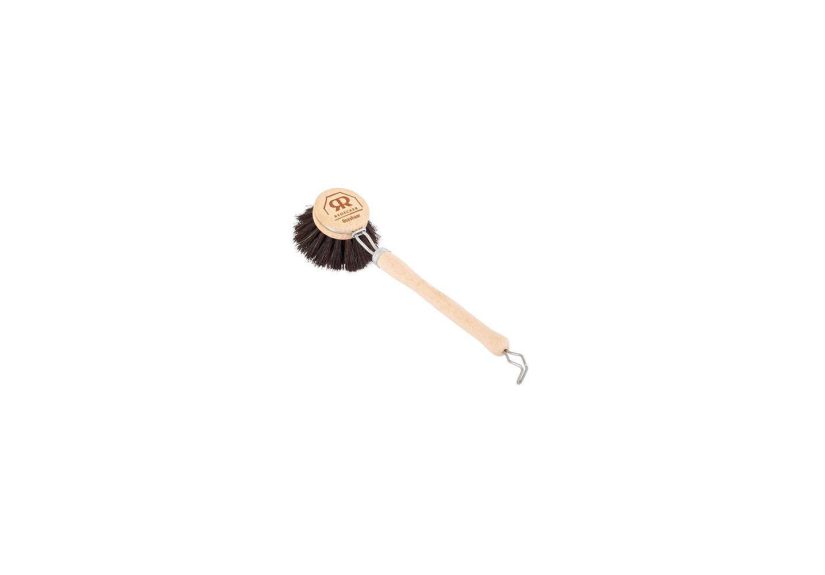
Redecker is a long-running German brushmaker known for household tools made from natural materials and practical designs. The soft dish brush is one of its most appealing sink-side tools. In U.S. listings, it is commonly described as a 7.5-inch dish brush with a 2-inch soft horsehair head. On official product pages, the soft version is identified as a horsehair dish brush with an untreated beechwood body and an interchangeable head.
That last part matters. This is not a one-and-done brush meant to be tossed the minute the bristles look tired. The head is replaceable, which gives the tool a more durable, less wasteful personality. The soft horsehair version is intended for plates and cups, while Redecker’s stiffer plant-fiber options are better suited to pots and pans. In other words, the company itself is basically saying, “Use the gentle one for the civilized stuff and call in the rougher cousin when dinner fought back.”
Why People Like It So Much
1. It Is Gentle, but Not Wimpy
“Soft” in a cleaning product can sound like code for “good luck with that.” This brush escapes that trap. The horsehair bristles are soft enough to clean delicate surfaces without feeling scratchy, yet dense enough to lift grease, dried sauce, and the ghost of yesterday’s oatmeal from ordinary dishes. That balance is the whole charm. It does not attack your dishware like a tiny wire brush auditioning for an action movie. It cleans with restraint.
This is especially useful for cups, bowls, everyday plates, and glassware that need a real scrub but not a harsh one. A big, rough scrubber can be overkill for a mug with tea stains or a plate with dried egg. Redecker’s soft brush feels more precise. It is the kitchen equivalent of using a good pen instead of borrowing a gas station marker.
2. The Handle Helps More Than You Think
One of the underrated pleasures of a dish brush is leverage. A handle gives you better reach, keeps your hands farther from hot water, and makes repetitive washing less annoying. Compared with clutching a sponge like you are wrestling a wet cracker, using a handled brush feels more controlled. That matters when you are cleaning five bowls, three plates, two mugs, and one mystery container from the back of the fridge that should perhaps be approached with caution and a witness.
The rounded head also makes it easy to sweep around curves and corners inside bowls and mugs. It covers a decent area quickly, but still feels nimble. So instead of doing the awkward sponge fold-and-smear maneuver, you get a tool that is actually shaped like it wants to help.
3. It Looks Like It Belongs in a Nice Kitchen
Some cleaning tools seem designed to punish your eyes in addition to your chores. Neon plastic. Bulky handles. Bristles that look like they came free with a car wash. Redecker’s brush goes in the opposite direction. The untreated beechwood and natural bristles give it an understated, old-world look that works beautifully in modern, farmhouse, minimalist, or just plain normal kitchens.
That might sound superficial, but it is not. Objects you see every day shape the feel of a room. A sink-side tool that looks intentional can make the whole area feel calmer and more organized. And when a cleaning tool is pleasant to pick up and leave out, you are more likely to actually use it instead of pretending the dishes do not exist.
Where This Brush Really Shines
Redecker’s Soft Horsehair Dish Brush is best for the daily parade of standard dishwashing tasks. Think:
- plates and salad plates
- coffee cups and mugs
- cereal bowls and soup bowls
- glassware that needs a gentle hand
- light grease and routine food residue
It is also a smart choice for people who want a more natural cleaning setup. If you are trying to reduce disposable plastic around the sink, a wooden brush with a replaceable head is a more thoughtful option than treating sponges like seasonal decorations.
Another practical advantage is hygiene. Cleaning experts often favor dish brushes over sponges because bristles let water and soap flow through more easily and tend to dry faster. That does not make a brush magically immortal or self-sanitizing, but it does mean it can feel cleaner and less funky over time. The handle also keeps your hands farther from the grime, which is a small but meaningful quality-of-life upgrade.
Where It Is Not the Best Tool
No brush should be asked to become all brushes. Redecker’s Soft Horsehair Dish Brush has a clear lane, and it is wise not to send it on missions it never applied for.
If you are dealing with burnt cheese welded to a casserole dish, carbonized sauce on stainless steel, or a skillet that looks like it survived a medieval siege, this is not your first choice. Redecker itself points users toward stiffer plant-fiber brushes for pots and pans. The soft horsehair version is made for gentler work, and forcing it into heavy-duty service is a bit like using a cashmere sweater to scrub your oven.
It is also not ideal for very narrow bottles or deeply shaped containers. A specialized bottle brush will reach those interiors more effectively. So while this dish brush is versatile, it is not trying to be a one-tool monarchy.
Natural Materials, Real Trade-Offs
Beechwood: Warm, Useful, and Worth Caring For
The untreated beechwood handle is a big part of the brush’s appeal. It feels solid without being bulky, and it develops character over time. Unlike flimsy plastic handles that age into sadness, wood tends to age into personality. A well-used wooden brush can end up looking better after months of work, not worse.
That said, wood likes a little respect. It should not be left soaking in water, and it should not go into the dishwasher. High heat, harsh detergent, and prolonged moisture can dry out wood, warp it, and shorten the life of natural bristles. Hand wash it, rinse it, and let it air dry. This is not fussy care. It is the minimum courtesy you would offer a tool made from actual materials instead of mystery polymers and optimism.
Horsehair: Effective, Soft, and Not Vegan
The horsehair bristles are one of the reasons this brush performs so well on everyday dishware. They are soft, dense, and flexible in a way that makes them good for delicate but effective cleaning. They also contribute to the brush’s classic feel. Natural bristles tend to move differently than many stiff synthetic ones, which can make washing cups and bowls feel smoother and less abrasive.
But there is an important trade-off here: horsehair is animal-derived. If you want a vegan cleaning tool, this is not it. Redecker openly explains that its animal hairs are by-products rather than materials gathered for killing animals specifically, but that will still be a dealbreaker for some shoppers. Fair enough. A good review should tell the truth, not romance the bristles into a moral loophole.
How to Use It Well
Build a Two-Tool Sink Routine
The smartest way to use Redecker’s Soft Horsehair Dish Brush is not as your only cleaning tool, but as your main everyday one. Pair it with a tougher scrubber for cooked-on pans and a bottle brush for narrow vessels. That setup covers almost everything without forcing one tool to do jobs it is not built for.
For daily dishes, add dish soap directly to the brush or to the dish, scrub in circular motions, and let the rounded head do the work. You do not need to press like you are sanding a deck. Gentle, steady pressure is enough for most plates and cups.
Clean the Brush Before the Brush Starts Judging You
Even a good dish brush needs occasional cleaning. A simple routine works best: rinse it well after use, shake off excess water, and let it dry bristle-side down or hanging in an airy spot. For a deeper clean, washing guidance from kitchen-cleaning sources often recommends a soak with distilled white vinegar and a little dish soap, followed by a thorough rinse and full air drying.
If the wood begins to look dry after long use, a small amount of food-safe mineral oil can help maintain it. You are not refinishing heirloom furniture here. Just helping the handle avoid the tired, thirsty look that any natural wood develops when it lives beside soap and water.
How It Compares to the Usual Sink Suspects
Versus a Sponge
A sponge wins on flexibility. It can press into tight corners and conform to odd shapes. It is also handy for wiping counters and absorbing spills. But sponges trap moisture, hold grime, and become gross with alarming enthusiasm. If a sponge had a dating profile, “damp” would appear far too often.
Redecker’s brush does not replace every sponge task, but it improves the actual dishwashing experience for a lot of people. It stays more pleasant to handle, gives better reach, and generally feels less like you are grabbing yesterday’s kitchen regret.
Versus a Plastic Dish Brush
A typical plastic dish brush may be cheaper and more dishwasher-friendly, but it rarely feels this nice to use or display. Redecker offers better aesthetics, natural materials, and a replaceable-head mindset. It feels less disposable, which is increasingly appealing in a world where too many household tools are built like temporary acquaintances.
Versus a Tough Pot Brush
This is not a substitute for a stiff pot brush. It is a complement to one. The soft horsehair version is the diplomat of the sink. The pot brush is the bouncer. Both have value. You just do not want to send the diplomat to break up a bar fight.
Who Should Buy Redecker’s Soft Horsehair Dish Brush?
This brush makes the most sense for someone who values a sink setup that is functional, durable, and visually calm. It is particularly well suited to people who:
- wash a lot of everyday dishes by hand
- prefer natural materials over flashy plastic
- want a gentler brush for cups, bowls, and plates
- care about a more refined, less disposable kitchen routine
- are willing to hand-care wood and natural bristles
It is probably not the right match for someone who wants one ultra-cheap, dishwasher-safe tool for every single cleaning job. This brush asks for a little care and rewards that care with comfort, character, and strong everyday performance.
The Experience of Living With Redecker’s Soft Horsehair Dish Brush
Using Redecker’s Soft Horsehair Dish Brush over time tends to change the mood of dishwashing in small but noticeable ways. The first difference people often notice is tactile. The untreated beechwood does not feel slippery and synthetic like a standard plastic handle. It feels warm, balanced, and natural in the hand. That may sound dramatic for a cleaning tool, but the sink is one of those places where tiny physical annoyances add up fast. A better grip and a more comfortable tool can make a daily chore feel oddly civilized.
Then there is the sound. Instead of the squeaky drag of a cheap scrubber or the soggy squish of an aging sponge, the soft horsehair makes a quieter, softer brushing sound against ceramic and glass. It gives the impression that you are cleaning carefully rather than attacking your dishes out of personal resentment. Coffee cups come clean without that harsh scraping sensation. Soup bowls feel easier to rinse and finish. Even sticky breakfast plates become less annoying because the brush covers the surface quickly and gets into the curve near the rim without a lot of wrist gymnastics.
Another common experience is that the brush subtly improves how the sink area looks. Left beside a soap bottle or drying rack, it reads as intentional rather than accidental. That visual calm matters more than people admit. A kitchen can be technically clean but still feel cluttered when every object around the sink looks loud, plastic, and vaguely temporary. This brush makes the space feel more composed.
Over a week or two of regular use, many people also realize they are reaching for a sponge less often. Not never, because sponges still help with wiping and certain awkward shapes, but less often. The brush becomes the default tool for standard dish duty. That shift feels practical. It also feels cleaner, since the brush dries out more easily and does not develop the same doomed energy as a sponge that has seen too much.
The trade-offs also become clear in real life. If you leave the brush sitting in water, the wood will not thank you. If you expect it to demolish burnt lasagna residue on a roasting pan, you will be disappointed. And if animal-derived materials are not acceptable in your home, the horsehair is a real limitation, not a footnote. But within its lane, the day-to-day experience is genuinely satisfying. Redecker’s Soft Horsehair Dish Brush does not make dishwashing glamorous, because that would be a ridiculous promise. It does something better: it makes the task feel calmer, smarter, and more pleasant, which is arguably the more useful magic trick.
Conclusion
Redecker’s Soft Horsehair Dish Brush is not a gimmick, and that is exactly why it stands out. It is a well-made, thoughtfully designed kitchen tool that does ordinary work exceptionally well. The soft horsehair bristles are gentle on everyday dishware, the beechwood handle is comfortable and attractive, and the replaceable-head design gives the brush a more durable life than many throwaway sink tools.
It is not the right brush for every job, and it does require sensible care. But for plates, bowls, mugs, and routine hand-washing, it offers an appealing blend of performance, beauty, and practicality. In a world full of loud kitchen gadgets promising revolution, this brush wins by doing something much rarer: being useful every single day.