Table of Contents >> Show >> Hide
- Why a Repurposed Log Snowman Is the Perfect Winter Project
- Planning Your 4-Foot Log Snowman
- Tools and Materials You’ll Need
- Step-by-Step: How to Build a 4-Foot Log Snowman
- Design Ideas and Variations
- Where to Display Your 4-Foot Log Snowman
- Care and Maintenance Tips
- Real-Life Experiences With a Repurposed Log Snowman
- Final Thoughts
Who says you need snow to build a snowman? With a few salvaged logs, some paint, and a little imagination, you can create a rustic repurposed log snowman that stands about 4 feet tall and brings holiday cheer to your yard all winter long. Inspired by popular log snowman projects shared by DIY bloggers and crafters across the United States, this tutorial walks you through how to turn tree remnants into a charming, sturdy wooden snowman that looks like it stepped right out of a cozy Christmas movie.
Whether you’ve got a pine tree that recently came down, access to firewood rounds, or a stash of birch logs, this is the perfect project for anyone who loves rustic farmhouse decor, budget-friendly outdoor Christmas decorations, and a little sawdust on their boots. Let’s build a four-foot-tall friend who never melts, never complains about the weather, and happily guards your porch all season.
Why a Repurposed Log Snowman Is the Perfect Winter Project
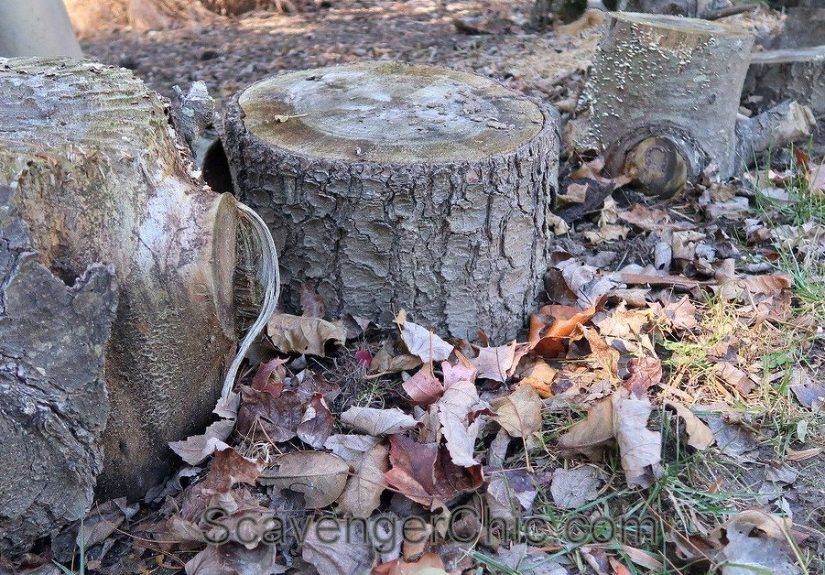
Log snowmen have become a favorite winter craft because they check all the boxes: they’re eco-friendly, inexpensive, durable, and cute enough to make your neighbors slow down for a second look. Many makers start with leftover logs from a removed tree or firewood pile, then cut them into rounds, stack them with dowels, and dress them up with scarves, hats, and lights.
Unlike inflatable snowmen or flimsy plastic decor, a solid wooden snowman is heavy enough to stay put in the wind and can be touched, hugged, and rearranged by kids without falling apart easily. You can also customize every detail: from the style of the carrot nose and buttons to the type of hat (top hat, knit beanie, or even an old galvanized bucket) and the color of the scarf.
Best of all, once sealed properly, your wooden snowman can last for years. Think of it as your holiday roommate who shows up every winter, doesn’t eat your snacks, and only demands the occasional coat of sealer.
Planning Your 4-Foot Log Snowman
Choosing the Right Logs and Size
To reach roughly 4 feet tall, you’ll typically stack three large log “snowballs” for the body and one smaller piece or thinner round for the head. Many DIYers use pine, spruce, or birch logs because they’re readily available and relatively easy to work with. For a 4-foot snowman, a common approach is:
- Bottom log: 16–18 inches in diameter, 12–16 inches tall
- Middle log: 12–14 inches in diameter, 10–12 inches tall
- Top log (upper body or head): 10–12 inches in diameter, 8–10 inches tall
- Optional head round: a slightly smaller round or slice mounted on top
Don’t stress about perfectly uniform sizesslight variations give your snowman personality. Just make sure the base log is the largest and flattest so your snowy friend doesn’t wobble.
Safety First
You’ll be cutting logs and drilling through thick wood, so safety really matters. Wear safety glasses, hearing protection, and work gloves. Use a stable work surface and clamp logs whenever possible. If you’re not comfortable using a chainsaw or circular saw, ask a friend, a local woodworker, or a tool rental center for help cutting the logs to size.
Tools and Materials You’ll Need
Exact supplies vary from project to project, but most crafters use a simple, repeatable setup:
- 3–4 logs or large wood rounds (for a 4-foot body)
- Saw (chainsaw, circular saw, reciprocating saw, or handsaw)
- Drill with wood bits (for dowels and arm holes)
- Wood dowel or rebar (to connect the logs)
- Exterior white paint or stain (for the snowman body)
- Black and orange craft paint (eyes, mouth, and carrot nose)
- Twigs or small branches (arms)
- Scarf (fabric, flannel, or ribbon)
- Hat (top hat, beanie, old bucket, or DIY wooden hat)
- Outdoor sealer or clear coat
- Optional: outdoor string lights, buttons, wooden discs, and other embellishments
Many tutorials also recommend trimming a flat spot on the bottom of each log and using a wood dowel to help the rounds interlock securelylike a wooden spine holding your snowman together.
Step-by-Step: How to Build a 4-Foot Log Snowman
Step 1: Cut and Prep the Logs
Start by cutting your logs into sections for the base, middle, and head. If you’re working with thick trunk pieces, you might want to trim off corners with a circular saw or reciprocating saw to give each piece a more rounded look. This makes your wooden “snowballs” look more like real snow mounds and less like small stumps.
Next, remove any loose bark with a chisel or hammer. Some makers leave patches of bark for extra rustic charm, while others peel everything and scrub the logs clean for a smoother, paint-ready surface.
Step 2: Create Stable, Flat Surfaces
To keep your snowman from tipping, use your saw to cut a flat edge on the bottom of each log so it rests securely. On the top of each log, flatten a small area where the next log will sit. It doesn’t have to be perfectjust enough to prevent wobbling.
This is also a good time to decide if your snowman will stand directly on the ground or be anchored to a larger base board (like a thick plank or paver). Attaching the bottom log to a base with long screws from underneath can add a lot of stability, especially in windy areas.
Step 3: Drill for Dowels and Stack the Body
Now you’re ready to give your snowman a backbone. With a drill bit slightly larger than your dowel or rebar, drill a centered hole in the top of the bottom log and the bottom of the middle log. Repeat for the joint between the middle and top log.
Cut your dowel or rebar to length so a piece can sit inside each log joint, connecting them like giant wooden beads. Add exterior wood glue into each hole if you want extra strength, then slide the logs together over the dowel. The weight of the wood plus the dowels will keep everything upright and solid.
Step 4: Add Arms and Face Anchors
Before painting, drill small holes in the sides of the middle log where you want the twig arms to go. You can insert arms now or after paintingjust remember where the holes are.
If you’re using a wooden carrot nose instead of painting it on, drill a shallow hole in the center of the head log. The nose can be a whittled dowel, a small branch, or a ready-made wooden cone painted bright orange.
Step 5: Paint the Log Snowman
Brush on a coat or two of exterior white paint or outdoor house trim paint over the body logs. Many DIYers simply use leftover exterior paint from another project; it’s tough, weather-resistant, and perfect for outdoor holiday decor. Let each coat dry completely.
Once the white is dry, use black craft paint for the eyes, mouth, and buttons. A classic coal-style face is timeless, but you can also try a more whimsical expression with larger eyes or rosy cheeks. Paint or attach the carrot nose, then let everything dry again.
Step 6: Dress and Decorate Your Wooden Snowman
Now comes the fun styling part. Wrap a flannel scarf or wide ribbon around the “neck” between the head and middle log, tying a knot or loop to let the ends drape down. If you’re working in a very wet climate, consider using outdoor fabric or something that can be easily removed and washed.
Top things off with a hat: a thrifted felt top hat, a beanie, an upside-down planter, or a DIY wooden hat made from scrap boards. Hot glue, small screws, or thin nails can help secure the hat so it doesn’t fly away at the first strong wind.
Step 7: Seal and Light It Up
To help your four-foot log snowman survive multiple winters, brush on a clear outdoor sealer over the painted areas once the paint is fully cured. This offers extra protection against moisture, snow, and UV rays.
If you want nighttime sparkle, wrap a small strand of outdoor LED lights around the snowman’s body or scarf, or drape lights around his feet like a glowing snow drift. Some crafters even drill tiny holes and push light bulbs through from behind for illuminated “buttons.”
Design Ideas and Variations
Once you’ve built your basic log snowman, you’ll probably start seeing endless variations in your head. Here are a few ideas borrowed from popular DIY projects, online craft groups, and seasonal decor shops:
- Birch log snowman: Use birch logs with their natural white bark for a Scandinavian look and minimal painting.
- Reversible snowman: Paint one side as a Halloween ghost or fall pumpkin, and the other as a snowman so you can flip it around as the seasons change.
- Family of snowmen: Create a tall parent snowman (about 4 feet), a medium “partner,” and a smaller “kid” using decreasing log sizes.
- Height board snowman: Attach a measuring scale to one side so kids can track their height each Christmas alongside the snowman.
- Snowman with lights: Wrap lights around the snowman or add a lighted base to make it showy from the street.
Where to Display Your 4-Foot Log Snowman
Your repurposed log snowman is pretty versatile when it comes to placement, as long as you use common-sense safety and stability:
- Front porch: Place on one side of the door with a matching evergreen planter on the other side.
- Yard or driveway: Anchor the base to a wider board and stake it into the ground for stability.
- By a garden path: Let your snowman “welcome” visitors as they walk up, especially if you line the path with solar lights.
- Indoors (if smaller or well-sealed): A smaller or lightweight version can live in a foyer, mudroom, or fireplace area.
Care and Maintenance Tips
Wood is durable, but a few simple habits will keep your snowman looking fresh:
- Reapply clear outdoor sealer every year or two, especially if the paint starts to dull.
- Bring fabric accessories (scarves, hats) indoors during heavy rain or off-season storage to prevent mold.
- Store your snowman in a dry garage or shed once winter is over to protect the wood from unnecessary moisture and sunlight.
- Check the dowels and screws each year to make sure the structure is still solid before display.
Real-Life Experiences With a Repurposed Log Snowman
Once you’ve built a four-foot log snowman, you quickly realize you haven’t just made decoryou’ve accidentally created a tiny neighborhood celebrity.
The first winter you drag him out of the garage, he’ll probably look a little bare and serious. You’ll paint on his face, wrap a scarf around his neck, and think, “Okay, that’s cute.” Then you’ll step back, turn on the porch light, and suddenly he looks like he’s guarding the house with a goofy grin. Neighbors walking their dogs slow down to get a better look. One or two people might even ask if you sell them. (You’ll briefly consider starting a side hustle until you remember how heavy the logs were.)
On windy days, you’ll be grateful you did the extra work with dowels and a sturdy base. Many crafters share stories of their early versions toppling over in a gust, rolling into the yard like slow-motion bowling balls. By anchoring the base and drilling those connecting dowel holes all the way through, you make sure your wooden snowman stays upright even when winter storms roll through.
Another fun surprise is how kids interact with a log snowman compared to store-bought decorations. They’ll hug it, pat the wooden “belly,” and tug on the scarf. Because the body is solid wood, you don’t have to panic about something delicate collapsing at the first sign of rough play. If a twig arm pops out, it’s usually as simple as pushing it back into the drilled holeor replacing it with a new branch from the yard.
Over time, you’ll probably find yourself tweaking the design. Maybe you repaint the face to give him a bigger smile one year, or swap the traditional red scarf for a buffalo-plaid one to match your porch pillows. You might add a small wooden sign in his hand that says “Let It Snow,” “Welcome,” or even your family name. If you really get into it, you can build a second log snowman to create a “couple” and arrange them by the front walk like they’re hosting a holiday party.
One of the most rewarding parts of this project is knowing you’ve turned what might have been firewood or yard waste into something charming and long-lasting. That old pine or birch tree that had to come down now lives on as a happy, slightly chubby snowman who shows up every winter. Every time you haul him out, brush off the dust, and tie on his scarf, you’re not just decoratingyou’re continuing a small tradition you built with your own hands.
And if you ever move or redesign your yard, your log snowman moves with you. Unlike a real snowman, he doesn’t care what the weather is doing or whether there’s actual snow on the ground. He’s perfectly happy standing next to a green lawn in December, reminding everyone that holiday magic is more about creativity and shared memories than it is about the forecast.
Final Thoughts
A repurposed log snowman might start as a simple DIY idea, but it quickly becomes a winter staple. At around four feet tall, it has enough presence to anchor your porch or yard, yet it’s simple enough to build in a weekend with basic tools and materials you may already have.
From cutting and stacking logs to painting the perfect carrot nose, this project is a satisfying mix of woodworking and crafting. And because every snowman is a little different, you’ll end up with a one-of-a-kind piece of rustic holiday decor that reflects your style, your sense of humor, and maybe even your local climate.
So if you’ve got a few logs, a drill, and a free afternoon, it might be time to introduce a new wooden friend to your front yard this winterone that never melts, never complains, and always smiles for the neighbors.