
Table of Contents >> Show >> Hide
- What Is Osteria La Buca?
- Why Brendan Ravenhill’s Design Matters
- The Design Language: Patina, Craft, and Warmth
- Lighting That Does More Than Look Pretty
- The Food: Handmade Pasta Meets California Produce
- What to Order on a First Visit
- The Atmosphere: Casual, Cool, and Not Trying Too Hard
- How the Design Supports the Dining Experience
- Osteria La Buca in the Los Angeles Italian Dining Scene
- Who Will Love This Restaurant?
- Experience Notes: A Longer Reflection on Visiting Osteria La Buca by Brendan Ravenhill
- Final Verdict
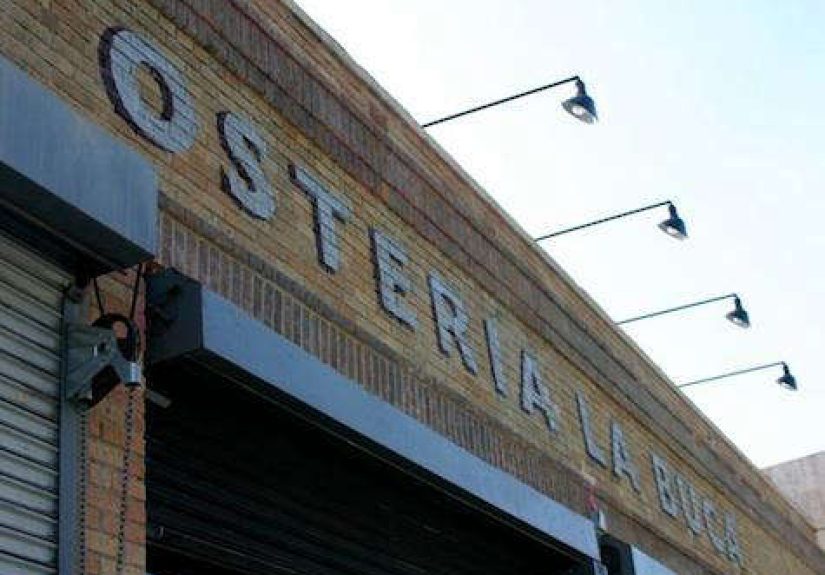
Some restaurants make a first impression with a giant chandelier, a velvet rope, or a menu that requires a culinary dictionary and possibly a minor in Italian. Osteria La Buca on Melrose Avenue in Los Angeles takes a quieter, smarter route. It invites you in with the glow of handmade lighting, the warmth of wood, the sheen of a zinc bar, and the very persuasive smell of pasta that was not born in a plastic bag.
This is not just another Italian restaurant visit. Osteria La Buca is a case study in how good food and thoughtful design can work together without elbowing each other for attention. The Melrose location was redesigned by Brendan Ravenhill, the Los Angeles-based designer known for lighting, furniture, and a practical, craft-forward approach. His work at Osteria La Buca helped shape the restaurant into something rare: a neighborhood Italian tavern that feels casual enough for Tuesday night pasta, but detailed enough for design lovers to start whispering about chair joinery between bites of carbonara.
The result is a restaurant where the experience does not stop at the plate. The room, the lighting, the tables, the bar, and even the way materials age over time become part of the meal. In other words, yes, you came for the pasta. But the chairs have opinions too.
What Is Osteria La Buca?
Osteria La Buca is a California Italian restaurant with multiple locations, but the Melrose Avenue restaurant remains the most closely associated with Brendan Ravenhill’s design story. The restaurant describes itself as a country Italian tavern focused on grassroots Italian cooking and the gifts of Southern California produce. That phrase may sound polished, but the food philosophy is refreshingly simple: fresh ingredients, handmade pasta, seasonal cooking, and dishes that do not try to perform gymnastics just to prove they went to culinary school.
The restaurant’s own values emphasize uncomplicated food, honest hospitality, and letting ingredients speak clearly. That approach shows up in the menu. Handmade pasta is a major draw, with dishes such as bucatini carbonara, rigatoni bolognese, pesto pea ravioli, spaghetti cacio e pepe, and short rib ravioli. The menu also includes pizzas, market vegetables, seafood, meat dishes, and starters like house-made ricotta and cacio e pepe arancini.
Osteria La Buca has long been a familiar name in the Los Angeles dining scene. It sits near the Paramount Studios stretch of Melrose, which gives it a built-in neighborhood energy: part studio lunch spot, part dinner-date hideaway, part “I deserve good pasta after surviving traffic” refuge. And honestly, in Los Angeles, surviving traffic should come with free parmesan.
Why Brendan Ravenhill’s Design Matters
Brendan Ravenhill’s work at Osteria La Buca is important because it does not treat restaurant design like decoration sprinkled on top after the real work is finished. Instead, the design is woven into the function of the space. Ravenhill approached the project with the mindset of a maker: materials should work hard, age honestly, and feel better after use.
According to Ravenhill Studio, the Osteria La Buca project was the studio’s first top-to-bottom interior renovation. The commission began after the restaurant’s owner noticed Ravenhill’s Bottle Opener for Areaware and reached out. What started with a request for stools and table bases grew into a full restaurant refurbishment, including an expansion, a zinc bar top, custom chairs, custom lighting, signage, and refinished surfaces.
That origin story matters because it explains the personality of the room. The space does not feel like it was ordered from a catalog called “Trendy Industrial Restaurant, Page 47.” It feels built, tested, adjusted, and lived in. Ravenhill’s background in sculpture, industrial design, boat building, and furniture comes through in the way the restaurant balances utility and beauty.
The Design Language: Patina, Craft, and Warmth
The most memorable part of the Osteria La Buca interior is its commitment to materials that improve with age. The restaurant’s design uses weathered barn wood, walnut tables and chairs, warm zinc, custom lighting, and a restrained palette that makes the space feel handmade without becoming precious.
The zinc bar is especially important. Zinc is not a glossy, untouchable surface that demands perfect behavior. It changes. It marks. It develops patina. That makes it ideal for a restaurant where people lean, drink, talk, drop forks, and pretend they are “just having one glass of wine.” The bar becomes a record of use rather than a surface waiting to be ruined.
Ravenhill’s furniture and lighting follow the same logic. The chairs and stools are not background props; they are part of the restaurant’s identity. Craft in America has documented Ravenhill’s La Buca Stool and Angle Stool, noting the use of steel and wood, including hot-rolled angle iron and contoured wood seats. These are practical objects, but they also communicate the central idea of the design: comfort can be sturdy, and simplicity can have muscle.
Lighting That Does More Than Look Pretty
Restaurant lighting is tricky. Too bright, and dinner feels like a dental appointment with pasta. Too dark, and everyone is using their phone flashlight to identify what may or may not be burrata. Osteria La Buca gets the balance right by using lighting as atmosphere, architecture, and storytelling.
Ravenhill’s lighting work is one of the reasons the space feels so cohesive. The Melrose location includes custom lighting and prototypes from Ravenhill’s Cord Family of lights. Remodelista also highlighted Ravenhill’s Cord Chandelier, Facet Lamp, and Bare Light within the restaurant. These fixtures fit the room because they share the same language as the furniture: exposed materials, visible function, and a confidence that does not need glitter to get attention.
The effect is warm and slightly theatrical, but not flashy. It makes the restaurant feel active and intimate at the same time. At lunch, the room has the buzz of a neighborhood Italian spot. At dinner, the light softens, the zinc glows, and suddenly ordering another pasta “for the table” feels like a responsible emotional decision.
The Food: Handmade Pasta Meets California Produce
Good design can bring people through the door, but food is what decides whether they come back. Osteria La Buca’s menu leans into handmade pasta, seasonal produce, and familiar Italian formats with California brightness. The kitchen makes pasta in-house, by hand, every day, which is the kind of sentence that instantly improves a person’s mood.
The bucatini carbonara is one of the restaurant’s signature attractions. It typically features pancetta, poached egg, and black pepper, creating a rich, peppery, deeply satisfying plate. The short rib ravioli is another favorite, with a filling and sauce combination that feels indulgent without needing a marching band to announce it. Rigatoni bolognese brings pork and beef ragu into the picture, while spaghetti cacio e pepe keeps things elemental with black pepper and aged pecorino.
The menu also makes room for vegetable-driven starters and market dishes, including salads, crispy artichokes, burrata, kale, and farm lettuces. This is where the Los Angeles part of the identity becomes clear. Osteria La Buca is not trying to reproduce a countryside Italian tavern as a museum piece. It is translating that spirit through Southern California ingredients, climate, and appetite.
What to Order on a First Visit
If it is your first restaurant visit to Osteria La Buca, start with something simple and generous. House-made ricotta with caramelized agave and toasted bread is a smart opening move. It is creamy, slightly sweet, and easy to share, unless your dining companion is the kind of person who says “just one bite” and then builds a small vacation home on the plate.
For pasta, bucatini carbonara is the obvious must-order. It is rich, comforting, and direct. Short rib ravioli is another strong choice, especially for diners who want something more decadent. Rigatoni bolognese is the dependable classic, while cacio e pepe is ideal for anyone who believes a few ingredients can still make a dramatic entrance.
Pizza is also worth considering. The guanciale pizza, with cured pork jowl, mozzarella, tomato, Fresno chili, rosemary, and Castelvetrano olives, brings salt, heat, fat, and brightness together in a way that makes “just one slice” a charming little lie. If you are dining with a group, order pasta and pizza together. This is not a time for false modesty.
The Atmosphere: Casual, Cool, and Not Trying Too Hard
One of Osteria La Buca’s strengths is that it manages to feel designed without feeling stiff. Some restaurants are so visually curated that you become afraid to move the water glass. Here, the room has polish, but it also has ease. The high ceilings, wood textures, custom seating, and glowing fixtures create a space that feels energetic without becoming chaotic.
The Infatuation has described Osteria La Buca as a neighborhood Italian spot with food worth traveling for, especially praising the handmade pasta. Time Out has highlighted its casual, family-friendly appeal and its suitability for dinner, brunch, or wine with friends. That combination is part of the restaurant’s long-term success. It can handle different kinds of meals without changing its personality.
A power lunch near Paramount? It works. A relaxed Sunday meal? Also works. A first date where you want the room to help but not do all the talking? Absolutely. A solo pasta mission after a long day? Frankly, noble.
How the Design Supports the Dining Experience
The best restaurant interiors understand human behavior. They know where people put their bags, how they lean at a bar, how lighting affects the appetite, and why a chair must be comfortable enough for dessert. Osteria La Buca’s design succeeds because it thinks through those details.
Remodelista noted that Ravenhill approached the restaurant much like boat design, focusing on function, use, and ergonomics. That influence is easy to understand. Boats require efficiency, durability, and an intelligent use of space. Restaurants do too. A dining room may not be crossing the Atlantic, but on a busy Friday night, the difference can feel purely technical.
The custom chairs and stools help define the room. The bar top anchors it. The lighting guides the mood. The wood surfaces soften the industrial elements. Together, these choices make the restaurant feel complete. This is the meaning of a total design approach: nothing is random, but nothing screams for applause.
Osteria La Buca in the Los Angeles Italian Dining Scene
Los Angeles has no shortage of Italian restaurants, from white-tablecloth institutions to neighborhood pizza counters and modern pasta bars. What makes Osteria La Buca stand out is its balance. It is stylish but approachable, ingredient-focused but not fussy, and design-forward without turning dinner into a showroom tour.
In a city where restaurants often chase the next visual trend, Osteria La Buca feels more durable. The design was built around materials that can age, and the menu is built around dishes people actually want to eat repeatedly. That may sound obvious, but many restaurants forget it while chasing smoke, foam, and plates that look like tiny landscape architecture.
The Melrose location also has a specific sense of place. It belongs to Los Angeles, not because it covers itself in palm-tree clichés, but because it combines Italian tradition, California produce, local fabrication, and a practical creative spirit. That is very L.A.: global influence, local making, casual confidence, and parking anxiety somewhere in the background.
Who Will Love This Restaurant?
Osteria La Buca is an excellent choice for several kinds of diners. Pasta lovers will appreciate the handmade noodles and comforting sauces. Design enthusiasts will notice the Ravenhill details, from the lighting to the furniture. Casual diners will like that the restaurant does not require a dramatic dress code or a rehearsed pronunciation of “guanciale.” Families, couples, colleagues, and friend groups can all make the space work.
It is also a strong recommendation for visitors who want a Los Angeles restaurant that feels local without being obscure. The Melrose address places it near Hollywood, Larchmont, and Paramount Studios, making it practical for travelers exploring central Los Angeles. Yet it does not feel like a tourist trap. It feels like a place locals return to because the food is satisfying and the room has stayed interesting.
Experience Notes: A Longer Reflection on Visiting Osteria La Buca by Brendan Ravenhill
A visit to Osteria La Buca is best understood slowly. This is not the kind of restaurant where the design hits you over the head at the host stand and says, “Notice me immediately.” Instead, the room reveals itself in layers. First, there is the warmth: the glow of the lights, the texture of the wood, the comfortable hum of conversation. Then the practical details begin to appear. The chairs feel purposeful. The bar looks like it has stories. The lighting seems to know exactly where your table ends and the rest of the evening begins.
That is the pleasure of Brendan Ravenhill’s approach. His work does not separate beauty from use. The zinc bar is beautiful because people use it. The stools have character because they are built to support real bodies, not just magazine spreads. The lighting is memorable because it improves the meal, not because it begs for a close-up. You feel the design most when you stop thinking about it.
The food supports that same feeling. Starting with ricotta and bread sets a relaxed tone. It is the edible version of loosening your shoulders. Then the pasta arrives, and the restaurant’s confidence becomes obvious. Bucatini carbonara is not complicated in concept, but it depends on timing, texture, and balance. The poached egg, pepper, pancetta, and pasta create a dish that feels both familiar and special. Short rib ravioli moves in a richer direction, the kind of plate that makes conversation pause for a few seconds. That silence is not awkward. It is respect.
What makes the experience especially enjoyable is the lack of pretension. Osteria La Buca feels cool, but it is not icy. It has design credibility, but it still wants you to eat well. It is the rare restaurant where a design lover can admire the fixtures while everyone else simply enjoys the atmosphere. Nobody has to know the term “patina” to feel why the room works.
The best time to visit depends on the mood you want. Lunch has brightness and energy, especially because the location sits near the studio-heavy side of Melrose. Dinner feels more intimate, with the lighting doing its quiet magic and the room becoming softer around the edges. For a first visit, dinner may be the better choice because it lets the Ravenhill design fully show its strength. Order a starter, two pastas, and a pizza for the table if you are with friends. Add wine, but do not pretend you are only studying the menu for research. We all know what is happening.
By the end of the meal, Osteria La Buca leaves a specific impression: this is what happens when restaurant design and restaurant cooking share the same values. Both are warm, functional, crafted, and built for repeat use. Nothing feels disposable. Nothing feels overly staged. It is a place to eat, talk, sit, look, and return.
Final Verdict
Osteria La Buca by Brendan Ravenhill is more than a stylish Italian restaurant on Melrose Avenue. It is a thoughtful meeting point between handmade food and handmade space. The restaurant’s commitment to fresh, seasonal cooking pairs naturally with Ravenhill’s commitment to honest materials, custom furniture, and lighting that shapes the mood without stealing the scene.
For diners, the appeal is simple: excellent pasta, a welcoming room, and a design story that adds depth to the experience. For design fans, it is a reminder that hospitality interiors work best when they are built for real use. And for anyone who believes dinner should involve good lighting, good bread, and at least one pasta dish that makes you briefly forget your inbox exists, Osteria La Buca is an easy recommendation.





 Close
Close