Table of Contents >> Show >> Hide
- Why You’ll Love This Roasted Pumpkin Seeds Recipe
- Roasted Pumpkin Seeds Ingredients
- How to Clean Pumpkin Seeds
- How to Make Roasted Pumpkin Seeds
- Best Oven Temperature for Roasted Pumpkin Seeds
- Should You Boil Pumpkin Seeds Before Roasting?
- Flavor Variations for Roasted Pumpkin Seeds
- Tips for Extra Crispy Roasted Pumpkin Seeds
- Common Mistakes to Avoid
- How to Store Roasted Pumpkin Seeds
- How to Use Roasted Pumpkin Seeds
- Are Roasted Pumpkin Seeds Healthy?
- Roasted Pumpkin Seeds Recipe Card
- Frequently Asked Questions
- Experience Notes: What I’ve Learned from Making Roasted Pumpkin Seeds
- Conclusion
There are two kinds of people in autumn: people who carve pumpkins and toss the seeds, and people who know those seeds are basically free crunchy snacks wearing a tiny Halloween costume. This roasted pumpkin seeds recipe is for the second groupand for anyone ready to join it immediately.
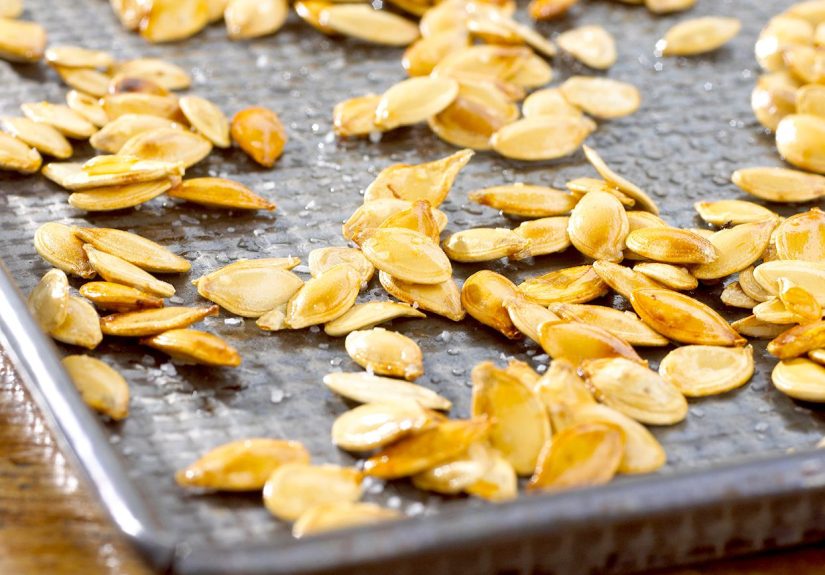
Roasted pumpkin seeds are simple, budget-friendly, customizable, and wildly satisfying when done right. The trick is not complicated, but it does matter: clean the seeds, dry them well, season them generously, spread them in a single layer, and roast until crisp. Skip the drying step and you may end up with chewy seeds that feel like they went to the gym but forgot leg day.
This guide covers everything you need: the best oven temperature, how long to roast pumpkin seeds, how to make them crispy, seasoning ideas, storage tips, common mistakes, and real-life experience from many rounds of seed-roasting experiments. Whether you like classic salted pumpkin seeds, smoky chili-lime seeds, sweet cinnamon sugar seeds, or garlic Parmesan-style seeds, this recipe gives you a reliable base you can use every pumpkin season.
Why You’ll Love This Roasted Pumpkin Seeds Recipe
Roasted pumpkin seeds are the snack version of finding money in your coat pocket. You already bought the pumpkin, so the seeds feel like a bonus. Instead of scraping them into the trash, you can turn them into a crisp, savory snack with just oil, salt, and a little patience.
They are also flexible. You can roast them low and slow for an extra-dry crunch, or use a hotter oven for a faster batch. You can keep them simple with salt, make them spicy with cayenne, give them a barbecue twist with smoked paprika, or turn them into a sweet snack with cinnamon and sugar. Once you learn the basic method, the pumpkin seed universe opens up like a snack drawer at midnight.
Roasted Pumpkin Seeds Ingredients
This basic roasted pumpkin seeds recipe uses pantry staples. You do not need fancy equipment, imported seasoning blends, or a culinary degree from the School of Crunchy Things.
Basic Ingredients
- 1 to 1 1/2 cups fresh pumpkin seeds, scooped from one medium pumpkin
- 1 tablespoon olive oil, avocado oil, melted butter, or neutral oil
- 1/2 teaspoon fine sea salt, plus more to taste
- 1/4 teaspoon garlic powder, optional
- 1/4 teaspoon smoked paprika, optional
- Freshly ground black pepper, optional
Best Pumpkins for Roasting Seeds
You can roast seeds from carving pumpkins, sugar pumpkins, pie pumpkins, and many winter squash varieties. Seeds from carving pumpkins are often larger and have a more noticeable shell. Seeds from smaller pie pumpkins may be more tender. Both work beautifully as long as you clean and dry them before roasting.
Do not confuse whole pumpkin seeds with pepitas. Whole pumpkin seeds usually have a pale outer shell. Pepitas are hulled pumpkin seeds, often green, and they roast faster because they do not have the outer shell. This recipe focuses on whole fresh pumpkin seeds straight from the pumpkin.
How to Clean Pumpkin Seeds
Cleaning pumpkin seeds is the messiest part, but it is also strangely satisfying. You get to dig through pumpkin pulp like a fall-themed treasure hunter. The goal is to separate the seeds from the stringy orange fibers without losing your will to live.
Step 1: Scoop the Seeds
Cut open your pumpkin and scoop the seeds and pulp into a large bowl. A sturdy spoon or ice cream scoop works well. If you are carving a pumpkin, do this before you start making artistic decisions that may or may not resemble a face.
Step 2: Separate the Seeds from the Pulp
Use your fingers to pull the seeds away from the stringy pulp. Place the seeds in a colander. A few small bits of pumpkin are fine, but large clumps should be removed because they can burn or make the seeds steam instead of roast.
Step 3: Rinse Well
Rinse the seeds under cool running water, rubbing them gently between your fingers. This removes slippery pulp and helps the seasoning stick later. Drain well.
Step 4: Dry Thoroughly
Spread the seeds on a clean kitchen towel or paper towels. Pat them dry, then let them air-dry for at least 30 minutes if you have time. For the crispiest roasted pumpkin seeds, let them dry for several hours or overnight. Dry seeds roast; wet seeds steam. Steam is lovely for vegetables, not for snack crunch.
How to Make Roasted Pumpkin Seeds
This method gives you crisp, golden, lightly salty pumpkin seeds with a satisfying bite. It is easy enough for beginners but detailed enough to help you avoid the usual mistakes.
Step-by-Step Instructions
- Preheat the oven: Heat the oven to 325°F. This temperature gives the seeds enough time to dry out and crisp without burning too quickly.
- Prepare the baking sheet: Line a rimmed baking sheet with parchment paper or lightly grease it.
- Season the seeds: Place the dry pumpkin seeds in a bowl. Add oil, salt, garlic powder, smoked paprika, and pepper. Toss until evenly coated.
- Spread in one layer: Arrange the seeds on the baking sheet in a single layer. Crowding causes steaming, and steaming is the enemy of crunch.
- Roast: Bake for 20 to 30 minutes, stirring every 10 minutes, until the seeds are golden and crisp.
- Cool completely: Let the seeds cool on the baking sheet. They will crisp up more as they cool.
- Taste and adjust: Add a tiny pinch of extra salt or seasoning while the seeds are still warm, if needed.
Best Oven Temperature for Roasted Pumpkin Seeds
The best oven temperature depends on your texture goal. A 325°F oven is a reliable middle ground because it crisps the seeds without rushing them. If you want a faster batch, 350°F works well, but you need to watch closely near the end. If you prefer a low-and-slow method, 300°F gives the seeds more time to dry and toast evenly.
Quick Temperature Guide
- 300°F: Best for slow, even roasting; usually takes 35 to 45 minutes.
- 325°F: Best balanced method; usually takes 20 to 30 minutes.
- 350°F: Best for faster roasting; usually takes 15 to 25 minutes.
The exact timing depends on seed size, moisture level, and your oven. Larger seeds from carving pumpkins may need more time. Smaller seeds from pie pumpkins may finish sooner. Start checking early, because pumpkin seeds can go from “golden and glorious” to “campfire memory” surprisingly fast.
Should You Boil Pumpkin Seeds Before Roasting?
Boiling pumpkin seeds before roasting is optional, but it can help season the seeds more evenly. Some cooks simmer cleaned seeds in salted water for about 10 minutes, then drain and dry them before roasting. This method can lightly season the seeds from the inside and may help separate stubborn pulp.
However, boiling also adds moisture, so drying becomes even more important. If you are short on time, skip the boil and focus on drying the seeds well. A dry seed with oil and salt will still roast into a crunchy, delicious snack.
Flavor Variations for Roasted Pumpkin Seeds
The classic salted version is excellent, but pumpkin seeds are tiny blank canvases. Here are several seasoning ideas that work well with the basic recipe.
Classic Salted Pumpkin Seeds
Toss the seeds with olive oil and sea salt. That is it. This version is clean, crisp, and perfect for snacking, topping soup, or adding to salads.
Smoky Chili Pumpkin Seeds
Add smoked paprika, chili powder, garlic powder, and a pinch of cayenne. This version is bold, warm, and great for people who believe snacks should have a little personality.
Garlic Herb Pumpkin Seeds
Use garlic powder, dried rosemary, dried thyme, salt, and black pepper. Crush the dried herbs slightly before adding them so they coat the seeds more evenly.
Cinnamon Sugar Pumpkin Seeds
For a sweet version, toss the seeds with melted butter, cinnamon, a pinch of salt, and sugar. Add the sugar near the end of roasting or immediately after roasting to reduce the chance of burning.
Ranch-Style Pumpkin Seeds
Use dried dill, garlic powder, onion powder, parsley, salt, and a little buttermilk powder if you have it. The result tastes like a snack mix that accidentally became seasonal.
Everything Bagel Pumpkin Seeds
After roasting with oil, sprinkle the warm seeds with everything bagel seasoning. Because when in doubt, everything bagel seasoning usually knows what it is doing.
Tips for Extra Crispy Roasted Pumpkin Seeds
Crispy roasted pumpkin seeds are all about moisture control. The less water on the seeds, the better they toast. Here are the most important tips.
- Dry the seeds well: Pat them with towels and let them air-dry if possible.
- Use enough oil, but not too much: A light coating helps browning. Too much oil makes the seeds greasy.
- Spread them out: A single layer allows hot air to circulate.
- Stir during roasting: Stirring helps the seeds brown evenly.
- Cool before judging texture: Seeds get crunchier as they cool.
Common Mistakes to Avoid
Roasted pumpkin seeds are easy, but a few small mistakes can lead to chewy, bland, or burnt results.
Mistake 1: Roasting Wet Seeds
This is the most common issue. Wet seeds release steam in the oven, which prevents crisping. If your seeds keep turning out chewy, drying is probably the missing step.
Mistake 2: Using Too Much Pulp
A little pumpkin cling is fine, but large strands can burn or create moisture. Remove the big pieces before roasting.
Mistake 3: Overcrowding the Pan
If the seeds overlap heavily, they will not roast evenly. Use two baking sheets if needed.
Mistake 4: Forgetting to Stir
Seeds near the edges of the pan can brown faster. Stirring every 10 minutes keeps the batch more even.
Mistake 5: Walking Away at the End
The last few minutes matter. Once the seeds smell nutty and look golden, check often. Your nose is a helpful kitchen assistant, even if it does not help with dishes.
How to Store Roasted Pumpkin Seeds
Let roasted pumpkin seeds cool completely before storing. Warm seeds release steam, and steam softens crunch. Once cool, place them in an airtight container.
At room temperature, roasted pumpkin seeds usually keep well for several days. For longer storage, refrigerate them in an airtight container. You can also freeze roasted pumpkin seeds, though they may need a quick re-toast in the oven to bring back their crunch.
How to Use Roasted Pumpkin Seeds
Roasted pumpkin seeds are excellent straight from the pan, but they also add texture to everyday meals. Sprinkle them over creamy pumpkin soup, butternut squash soup, chili, oatmeal, yogurt bowls, roasted vegetables, or grain bowls. They also work well in trail mix with dried cranberries, pretzels, chocolate chips, or roasted nuts.
For salads, use savory roasted pumpkin seeds as a crunchy topping. They pair especially well with kale, spinach, roasted sweet potatoes, apples, pears, goat cheese, feta, maple vinaigrette, and balsamic dressing. Basically, if the salad looks like it needs a little crunch and confidence, pumpkin seeds can help.
Are Roasted Pumpkin Seeds Healthy?
Pumpkin seeds can be a nutritious snack when eaten in reasonable portions. They contain plant-based protein, fiber, healthy fats, and minerals such as magnesium and zinc. Whole roasted pumpkin seeds also provide extra crunch and fiber because the shell is still intact.
That said, seasoning matters. A lightly salted homemade batch is different from a heavily salted snack bowl that mysteriously disappears during a movie. Keep portions moderate, especially if you are watching sodium intake. For a lighter version, use a measured amount of oil and season with herbs, spices, citrus zest, or a small pinch of salt.
Roasted Pumpkin Seeds Recipe Card
Ingredients
- 1 to 1 1/2 cups fresh pumpkin seeds, cleaned and dried
- 1 tablespoon olive oil or melted butter
- 1/2 teaspoon fine sea salt
- 1/4 teaspoon garlic powder, optional
- 1/4 teaspoon smoked paprika, optional
- Black pepper, to taste
Instructions
- Preheat oven to 325°F.
- Rinse pumpkin seeds and remove stringy pulp.
- Dry seeds thoroughly with towels. For best results, air-dry for 30 minutes or longer.
- In a bowl, toss seeds with oil, salt, and seasonings.
- Spread seeds in a single layer on a parchment-lined baking sheet.
- Roast for 20 to 30 minutes, stirring every 10 minutes, until golden and crisp.
- Cool completely before serving or storing.
Recipe Notes
If using very large seeds, roast closer to 30 minutes. If using small seeds, begin checking at 15 minutes. For sweeter seeds, use melted butter, cinnamon, and sugar, but watch carefully because sugar can brown quickly.
Frequently Asked Questions
Can you eat the pumpkin seed shells?
Yes, roasted pumpkin seeds from carving pumpkins are commonly eaten with the shells on. The shells become crisp when roasted well. If the seeds are very large or tough, chew carefully or use hulled pepitas instead.
Why are my roasted pumpkin seeds chewy?
They were probably too wet before roasting, crowded on the pan, or not roasted long enough. Dry them thoroughly and roast in a single layer for better crunch.
Do pumpkin seeds need to be refrigerated?
For short-term snacking, an airtight container at room temperature is usually fine. For longer storage, refrigeration helps preserve freshness.
Can I roast seeds from other squash?
Yes. Seeds from butternut squash, acorn squash, delicata squash, and kabocha squash can be roasted using the same basic method. Smaller seeds may cook faster.
Can I make roasted pumpkin seeds in an air fryer?
Yes. Air fry cleaned and dried seeds at about 325°F for 8 to 12 minutes, shaking the basket several times. Watch closely because air fryers vary and seeds can brown quickly.
Experience Notes: What I’ve Learned from Making Roasted Pumpkin Seeds
The first lesson of roasted pumpkin seeds is that pumpkins are dramatic. You open one expecting a neat pile of seeds, and instead you get orange strings, slippery seeds, and a kitchen counter that suddenly looks like it hosted a tiny harvest festival. But once you understand the process, it becomes one of the most rewarding fall kitchen rituals.
My best batches have always come from patience. Not complicated chef patience, like making pastry dough while whispering encouragement to butter. Just ordinary patience: rinse the seeds, dry them well, and do not rush them into the oven while they are still wet. The difference is huge. Wet seeds roast unevenly and stay leathery. Dry seeds become crisp, golden, and snackable in a way that makes you wonder why anyone sells packaged snacks during pumpkin season.
I have also learned that seasoning should be bold but balanced. Pumpkin seeds have a mild flavor, so they welcome salt, smoke, spice, sweetness, and herbs. But because they are small, it is easy to overdo powdered seasonings. A little garlic powder goes a long way. Smoked paprika is wonderful, but too much can taste dusty. Cayenne is exciting until it becomes a dare. The safest approach is to season lightly before roasting, then taste and adjust after the seeds cool.
Another useful experience: the pan matters. A crowded baking sheet produces uneven seeds, with some pale and chewy while others get too dark. When I spread the seeds out generously, they roast more evenly and need less babysitting. Parchment paper also makes cleanup easier, which is important because nobody wants a heroic snack followed by a tragic sink situation.
Cooling time is another underrated detail. Right out of the oven, roasted pumpkin seeds may not seem as crisp as expected. Give them a few minutes. As they cool, they firm up and become crunchier. This is also when the flavor settles. I like tasting them after five minutes, then adding a tiny pinch of salt if needed. Warm seeds grab seasoning nicely, but fully cooled seeds give the most accurate crunch test.
For family snacking, classic salted seeds usually win. They are simple, familiar, and easy to eat by the handful. For parties, smoky chili seeds feel more exciting. For topping soups and salads, garlic herb seeds are the most versatile. Sweet cinnamon sugar seeds are fun, but they need closer attention because sugar can darken quickly. If making a sweet batch, I prefer roasting the seeds mostly plain with butter and cinnamon, then tossing with sugar right after baking.
The biggest surprise is how useful roasted pumpkin seeds are beyond snacking. They add crunch to creamy soup, make salads feel more finished, and turn a bowl of roasted vegetables into something that looks intentionally fancy. They also make homemade trail mix feel seasonal without requiring much effort.
In the end, roasted pumpkin seeds are less about perfection and more about getting full value from the pumpkin. You carve it, cook it, decorate with it, or turn it into pieand then the seeds show up like a bonus prize. Clean them, dry them, season them, roast them, and enjoy the small miracle of turning kitchen scraps into a crunchy snack that disappears faster than you planned.
Conclusion
A great roasted pumpkin seeds recipe does not need to be complicated. The real secret is drying the seeds thoroughly, coating them lightly with oil, seasoning them well, and roasting them in a single layer until golden and crisp. Once you master the basic method, you can create endless variations, from classic salted pumpkin seeds to smoky chili, garlic herb, cinnamon sugar, ranch-style, or everything bagel flavors.
Whether you are carving pumpkins, baking with pie pumpkins, or cleaning out winter squash, do not throw those seeds away. Roast them. Snack on them. Sprinkle them over soup. Add them to salads. Let them become the crunchy little reward for surviving pumpkin pulp season with your dignity mostly intact.