Table of Contents >> Show >> Hide
- Why This Seafood Risotto Recipe Works
- Best Rice for Seafood Risotto
- How to Choose the Seafood
- Seafood Risotto Recipe
- How to Know When Risotto Is Done
- Common Seafood Risotto Mistakes
- Flavor Variations to Try
- What to Serve with Seafood Risotto
- Seafood Safety, Storage, and Reheating
- of Experience: Why Seafood Risotto Feels So Special
- Conclusion
If you have ever wanted to make a dinner that feels like it should arrive under a silver cloche while someone whispers, “Excellent choice,” seafood risotto is your moment. It is creamy, briny, rich, a little dramatic, and absolutely worth standing at the stove for. The good news is that a great seafood risotto recipe does not require a culinary degree, a violin soundtrack, or a sudden move to northern Italy. It just needs good ingredients, smart timing, and enough patience to stir without acting like you are being personally victimized by rice.
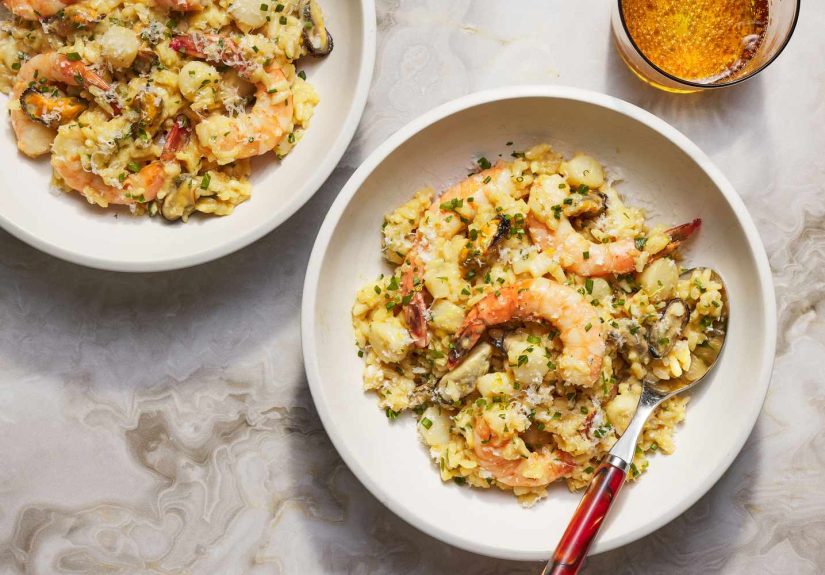
This seafood risotto balances tender rice with shrimp, scallops, and optional mussels for a dish that feels restaurant-worthy but is still realistic for a home cook on a Tuesday. The rice turns silky from its own starch, the broth adds savory depth, white wine gives brightness, and a final hit of butter and lemon ties the whole thing together. The result is luxurious without being heavy and impressive without being fussy.
In this guide, you will get an in-depth seafood risotto recipe, tips for choosing the best seafood, common mistakes to avoid, serving ideas, storage guidance, and a longer personal-style reflection on why this dish keeps winning people over. Whether you are cooking for date night, a cozy family dinner, or simply because you want to prove to yourself that you can make risotto without panic-texting a friend, this recipe has your back.
Why This Seafood Risotto Recipe Works
A good seafood risotto lives or dies by balance. The rice must be creamy but not gluey. The seafood must be perfectly cooked, not rubbery enough to bounce off the plate. The broth should be flavorful, but it should not bulldoze every other ingredient. This version works because it treats the rice and the seafood like two different performers in the same show. They share the stage, but they do not rehearse the same way.
The rice is toasted first, which gives it a lightly nutty flavor and helps each grain keep some structure. Warm stock is added gradually so the rice releases starch slowly and creates that signature velvety texture. The seafood is cooked near the end, or separately when needed, so it stays tender and sweet. Lemon zest and juice brighten the whole dish, while a small amount of butter at the finish makes it glossy and luxurious.
Another reason this recipe works is flexibility. You can use shrimp and scallops for a classic seafood risotto, or add mussels if you want more briny drama. If lobster is in the budget, go ahead and make your week unnecessarily elegant. If it is not, do not worry. Shrimp alone can still make a fantastic risotto.
Best Rice for Seafood Risotto
If you want proper risotto texture, use a short-grain risotto rice such as Arborio, Carnaroli, or Vialone Nano. Arborio is the easiest to find in most American grocery stores and works beautifully. Carnaroli is often considered a little more forgiving because it can stay pleasantly al dente while still turning creamy. Vialone Nano is excellent too, though less common.
The main thing is this: do not swap in long-grain rice and hope for the best. That is how dinner turns into a learning experience. Risotto rice contains the starch needed to create the creamy texture without loads of cream. In fact, the best seafood risotto usually gets its richness from rice, broth, butter, and careful stirring rather than from dumping in dairy like a panic move.
How to Choose the Seafood
The best seafood risotto recipe starts with seafood that smells fresh and clean, not aggressively “oceanic” in a way that makes your fridge feel suspicious. Shrimp and scallops are the easiest place to start because they cook quickly and pair well with risotto’s richness. Mussels add a more dramatic shellfish flavor and make the dish feel extra special.
Great seafood options for risotto
- Shrimp: Sweet, easy to cook, and widely available. Medium or large shrimp work best.
- Scallops: Tender and elegant. Use sea scallops cut into bite-size pieces if they are very large.
- Mussels or clams: Briny and beautiful. Add them if you want a more classic mixed seafood feel.
- Lobster: Excellent for special occasions and showing off in a completely lovable way.
- Calamari: Delicious, but easy to overcook, so add with care.
If using frozen seafood, thaw it safely in the refrigerator and pat it very dry before cooking. Excess moisture can water down the dish and interfere with searing. Also, if you are cooking shellfish such as mussels or clams, discard any that do not open after cooking. Seafood deserves confidence, not blind optimism.
Seafood Risotto Recipe
Yield
4 generous servings
Ingredients
- 5 to 6 cups seafood stock, fish stock, or low-sodium chicken stock
- 2 tablespoons olive oil
- 2 tablespoons unsalted butter, divided
- 1 small yellow onion or 2 large shallots, very finely chopped
- 3 garlic cloves, minced
- 1 1/2 cups Arborio or Carnaroli rice
- 3/4 cup dry white wine
- 12 ounces large shrimp, peeled, deveined, and cut into bite-size pieces if large
- 8 ounces sea scallops, patted dry and cut in half if very large
- 1 pound mussels, scrubbed and debearded, optional
- 1/2 teaspoon kosher salt, plus more to taste
- 1/4 teaspoon black pepper, plus more to taste
- 1/4 teaspoon red pepper flakes, optional
- 1/2 cup grated Parmesan cheese, optional but delicious
- 1 tablespoon fresh lemon zest
- 1 to 2 tablespoons fresh lemon juice
- 2 tablespoons chopped fresh parsley
- Extra lemon wedges, for serving
Instructions
- Warm the stock. Pour the stock into a saucepan and keep it at a low simmer over medium-low heat. Warm stock helps the rice cook evenly and keeps the risotto from cooling down every time you add liquid.
- Season the seafood. Pat the shrimp and scallops dry. Season lightly with salt and pepper. If using mussels, keep them chilled until needed.
- Cook the scallops first. In a wide heavy pan or Dutch oven, heat 1 tablespoon olive oil and 1 tablespoon butter over medium-high heat. Add the scallops and cook for about 1 to 2 minutes per side, just until lightly golden and nearly cooked through. Transfer to a plate.
- Cook the shrimp. Add the shrimp to the same pan and cook for about 1 to 2 minutes, just until pink and barely cooked through. Transfer to the plate with the scallops. Do not overcook; they will warm again later.
- Steam the mussels, if using. Add a splash of stock or water to a separate pot, bring to a simmer, then add mussels. Cover and cook for 3 to 5 minutes, shaking the pot once or twice, until they open. Discard any unopened mussels. Remove the meat from most shells if you like, reserving a few in-shell for presentation.
- Start the risotto base. Lower the heat to medium. Add the remaining olive oil to the main pan, then stir in the onion or shallots. Cook for 3 to 5 minutes, until softened but not browned. Add the garlic and red pepper flakes and cook for 30 seconds.
- Toast the rice. Stir in the Arborio rice and cook for 1 to 2 minutes, stirring constantly, until the grains look slightly translucent around the edges. This small step adds depth and helps the rice cook beautifully.
- Add the wine. Pour in the white wine and stir until it is mostly absorbed. Your kitchen should smell like a dinner party that made excellent life choices.
- Add stock gradually. Add about 3/4 cup warm stock to the rice. Stir frequently until most of the liquid is absorbed. Continue adding stock a ladle at a time, stirring and letting the rice absorb most of the liquid before adding more. This process usually takes 22 to 28 minutes.
- Check the texture. The rice should be tender with a slight bite in the center, and the mixture should look creamy and loose rather than stiff. Risotto should gently spread on the plate, not sit there like a brick with ambition.
- Finish the dish. Stir in the cooked shrimp, scallops, and mussels. Add the remaining tablespoon of butter, Parmesan if using, lemon zest, and 1 tablespoon lemon juice. Stir gently until everything is warmed through and glossy. Taste and adjust with more salt, pepper, or lemon juice as needed.
- Serve immediately. Spoon into warm bowls and top with parsley and lemon wedges. Seafood risotto waits for no one.
How to Know When Risotto Is Done
Many people worry about undercooking risotto, then swing so hard in the other direction that they end up with a pot of seafood-flavored wallpaper paste. The sweet spot is rice that is creamy and fluid but still has a slight bite in the center. Italians sometimes describe ideal risotto as all’onda, meaning it moves like a wave. That is the texture you want.
If the risotto gets too thick before the rice is fully cooked, add a little more warm stock. If it turns too soupy, keep stirring for another minute or two. Also remember that risotto tightens as it sits, so aim for it to be just a little looser in the pan than you want in the bowl.
Common Seafood Risotto Mistakes
1. Overcooking the seafood
This is the biggest trap. Shrimp, scallops, and mussels cook much faster than rice. That is why this seafood risotto recipe cooks the seafood separately or near the end. If you let everything simmer together from the start, your shrimp will turn into pink erasers and your scallops will become expensive regrets.
2. Using cold broth
Cold broth drops the temperature of the pan and slows down cooking. Warm broth keeps the process smooth and helps the rice release starch gradually.
3. Adding too much liquid at once
Gradual additions are the secret to classic texture. Pouring in all the stock at once gives you rice soup with commitment issues.
4. Skipping the tasting
Risotto is not a set-it-and-forget-it dish. Taste as you go. You are looking for texture, seasoning, and balance. Seafood brings natural salinity, so always adjust salt at the end with a careful hand.
5. Letting it sit too long before serving
Risotto is at its best right after cooking. It can still be delicious later, but its prime moment is immediate: glossy, loose, and inviting.
Flavor Variations to Try
Once you master the base method, you can customize your seafood risotto recipe in all kinds of ways.
- Lemon herb seafood risotto: Add extra parsley, chives, and lemon zest for a brighter finish.
- Saffron seafood risotto: Steep a pinch of saffron in warm stock for a golden, aromatic version.
- Tomato seafood risotto: Stir in a few tablespoons of tomato paste or some chopped cherry tomatoes for sweetness and color.
- Spicy seafood risotto: Increase the red pepper flakes or finish with Calabrian chile paste.
- Luxury seafood risotto: Swap in lobster or crab for part of the shrimp and scallops.
What to Serve with Seafood Risotto
Seafood risotto is rich enough to be the star, so keep the sides simple. A crisp green salad with lemon vinaigrette is perfect. Roasted asparagus, broccolini, or green beans also work well. If you want bread, choose something crusty and not too heavy. The risotto is already doing the creamy, comforting thing; the side dishes just need to show up and behave.
For drinks, a dry white wine such as Sauvignon Blanc, Pinot Grigio, or Vermentino pairs beautifully. Sparkling water with lemon also keeps the meal feeling bright and fresh.
Seafood Safety, Storage, and Reheating
Because this is a seafood risotto recipe, safe handling matters. Cook seafood until it is properly done: fish should reach 145 degrees Fahrenheit, shrimp should turn firm and opaque, scallops should become milky white and firm, and mussels should open during cooking. Refrigerate leftovers within 2 hours, or within 1 hour if the room is very hot. Store leftovers in shallow containers and eat them within 3 to 4 days.
To reheat, place the risotto in a saucepan with a splash of broth or water over low heat. Stir gently until warmed through. A microwave works too, but do it in short bursts and add liquid to loosen the texture. Risotto thickens in the fridge, so a little moisture is your best friend the next day.
If you do not love reheated risotto as risotto, turn it into risotto cakes. Form chilled leftovers into small patties, coat lightly with breadcrumbs, and pan-fry until golden. Suddenly your leftovers are wearing a crisp jacket and acting brand new.
of Experience: Why Seafood Risotto Feels So Special
The first time many people make seafood risotto at home, there is a strange mix of confidence and mild fear in the kitchen. Confidence, because the ingredient list looks elegant. Mild fear, because everyone has heard that risotto is “tricky,” which is often just culinary code for “you have to pay attention for half an hour.” But that is exactly why seafood risotto becomes memorable. It asks you to slow down.
There is something deeply satisfying about watching the rice change in front of you. It starts out dry and ordinary, almost humble. Then the onions soften, the wine hits the pan, the steam rises, and suddenly the whole kitchen smells like dinner matters tonight. Add the broth a little at a time, and you can feel the transformation happening. The rice softens, the starch builds, and what looked like a pile of grains becomes something lush and glossy. It is one of those cooking moments that feels less like following a recipe and more like learning a rhythm.
Seafood adds another layer to the experience because it gives the dish a sense of occasion. Even when the ingredients are simple, shrimp and scallops make dinner feel polished. Mussels bring that restaurant-style flourish that always gets attention. People see a bowl of seafood risotto and immediately assume someone in the kitchen has done something impressive, which, to be fair, they have. But it is not magic. It is just timing, texture, and a willingness to stir with purpose.
One of the best things about seafood risotto is how it changes the atmosphere around the table. It is not a food you inhale while standing over the sink. It encourages people to sit down, grab a fork, and actually notice what they are eating. The lemon smells bright, the seafood tastes sweet and briny, and the rice feels creamy without becoming heavy. Every bite has movement. It is comfort food, but with better posture.
There is also a real sense of reward in serving it to other people. Guests take one bite and usually do the same thing: they pause. That pause is the cook’s little victory lap. It means the texture landed, the seasoning worked, and the seafood stayed tender. It means the person eating it knows this was not pulled from a freezer box with hopeful branding.
And then there are the leftovers, which tell their own story. Risotto the next day is different, but not worse. It is thicker, calmer, more settled. Reheated gently, it still tastes lovely. Turned into risotto cakes, it becomes something almost better than you planned. That is part of the charm of this dish. It feels luxurious in the moment, but it is practical enough to keep giving.
So yes, seafood risotto has a reputation for being fancy. It is fancy. But it is also cozy, flexible, and deeply human. You stand at the stove, stir a pan, trust your senses, and end up with a meal that feels generous. For a recipe built on rice, broth, and seafood, that is not a bad trick at all.
Conclusion
A great seafood risotto recipe is all about timing, attention, and confidence. Use the right rice, keep your broth warm, cook the seafood carefully, and do not rush the final texture. The reward is a creamy, elegant dish that tastes like it came from a good restaurant but still feels personal and homemade. Add lemon for brightness, butter for shine, and plenty of seafood for that irresistible briny sweetness. Then serve it right away and enjoy the kind of dinner that makes everyone at the table suspicious that you might secretly know what you are doing.
Note: Before publishing, customize the SEO JSON if your CMS already generates metadata automatically.