
Table of Contents >> Show >> Hide
- What Is Shiva Abhishekam (and Why Do People Do It)?
- Quick Respectful Reminder: “Right” Can Mean “Right for Your Tradition”
- Set Up for Success: Time, Space, and Intention
- What You Need: A Simple Home Abhishekam Checklist
- Step-by-Step: How to Perform Shiva Abhishekam at Home
- Clean yourself and the space
- Prepare the lingam or Shiva image
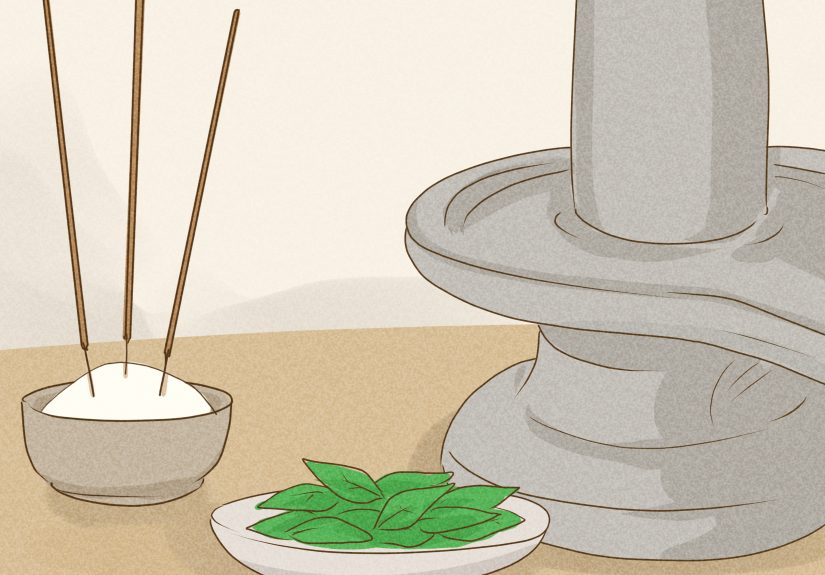
- Light the lamp and incense (optional but helpful)
- Begin with a short invocation
- First Abhishekam: water
- Optional Abhishekam: panchamritam ingredients (one by one)
- Optional offerings: coconut water, rosewater, sandalwood, vibhuti
- Decorate: bilva leaves and flowers
- Chant or pray
- Aarti (closing lamp offering)
- Prasad and clean-up (the part nobody puts on Instagram)
- Common Questions (Without the Judgment)
- How Temples Inspire Home Practice (Without Making You Feel Behind)
- A Sample 20-Minute Home Shiva Abhishekam Routine
- Experiences: What Shiva Abhishekam at Home Feels Like (and Why People Keep Coming Back)
- Conclusion
- SEO Tags
Shiva Abhishekam is one of those Hindu rituals that looks fancy in a temple (water flowing, bells ringing, everyone suddenly remembering how to pronounce Sanskrit)
but is surprisingly doable at homewithout needing a PhD in “Where did I put the camphor?”
At its heart, Abhishekam is a devotional bathing and anointing of Shivamost often a Shiva lingamusing water and other traditional offerings.
Think of it as hospitality for the Divine: you welcome Shiva as an honored guest, care for the murti with love, and offer your attention as the real “ingredient.”
Traditions vary by family, region, and temple, so this guide gives a respectful, flexible home version that stays true to the essentials.
What Is Shiva Abhishekam (and Why Do People Do It)?
“Abhishekam” (also written abhisheka) is the ritual washing and anointing of a deity as an act of loving devotion. In temple settings, it may include
libations such as milk, honey, oil, or rosewater, followed by decoration, incense, lamps, and offerings.
Devotees do Shiva Abhishekam for many reasons: gratitude, prayer, spiritual focus, special days (like Mondays or Pradosham), family tradition, or simply the need
to feel steady when life is being… life. Many communities also view it as a way to invite blessings for wellbeing and claritythough it’s best understood as
a spiritual practice, not a substitute for medical care or practical action.
Quick Respectful Reminder: “Right” Can Mean “Right for Your Tradition”
Shiva worship has multiple lineages and styles. Some households keep it simple (water + mantra). Others follow a more elaborate sequence.
If you have guidance from your family priest, a guru, or your local temple, follow that first. This article is meant to be helpful, not bossy.
Shiva is famously generous with sincere effortHe’s not grading your lamp placement with a clipboard.
Set Up for Success: Time, Space, and Intention
Choose a good time (but don’t wait for a “perfect” time)
Many devotees choose Monday, Pradosham, or festival days, but you can perform a simple Abhishekam any day.
If you’re new, pick a calm window when you won’t be rushed10 to 30 minutes is plenty.
Create a clean, simple worship space
- Clean surface: A small table, shelf, or puja area.
- Protect your space: Place the lingam/murti on a tray or plate to catch liquids.
- Keep it safe: No flames near curtains; no liquids near power strips (Shiva likes devotion, not electrical drama).
Set an intention (sankalpa) in plain English
A sankalpa is simply your purpose stated clearly. Example:
“Today, I offer Shiva Abhishekam with gratitude and ask for steadiness, wisdom, and compassion in my actions.”
That’s it. No thunder required.
What You Need: A Simple Home Abhishekam Checklist
You can do this with just water and a mantra. Everything else is optional “extra credit” (and Shiva is not a school principal).
Minimum setup (beginner-friendly)
- Shiva lingam (or Shiva photo/print if you don’t have a lingam)
- Clean water in a cup or small pot
- A small spoon or your right hand to pour gently
- A tray/plate/bowl underneath to catch liquid
- One small cloth or paper towels for cleanup
- One offering: flowers, bilva leaves (if available), or even just heartfelt prayer
Common “fuller” setup (still realistic at home)
- Diya (oil lamp) or candle
- Incense
- Flowers
- Vibhuti (sacred ash) and/or sandalwood paste
- Panchamritam / Panchamrita ingredients (commonly five “nectars”): milk, yogurt/curd, sugar, honey, and ghee
- Coconut water (optional)
- Rosewater (optional)
Note on terminology: some traditions use “panchamritam” for the five-nectar mixture (milk, curd, sugar, honey, ghee), while other contexts use the term for a
different five-item offering. If your family has a standard, use that.
Step-by-Step: How to Perform Shiva Abhishekam at Home
Below is a classic, flexible sequence. If you only do steps 1–5, you still did Abhishekam.
-
Clean yourself and the space
Wash hands, tidy the area, and take a breath. If you can, bathe or at least rinse your face and handsmostly to help your mind switch into “ritual mode.”
-
Prepare the lingam or Shiva image
Place the Shiva lingam on a tray or plate. If your lingam has a base that channels liquid, angle it so the liquid collects neatly.
If you’re using a Shiva photo, you can place a small bowl of water in front of it and pour offerings into the bowl as a symbolic Abhishekam. -
Light the lamp and incense (optional but helpful)
Light a diya/candle and incense. The goal is focus, not smoke density. If your smoke alarm is dramatic, keep it minimal.
-
Begin with a short invocation
Many people start by quietly honoring Ganesha to remove obstacles, then turn to Shiva. You can simply say:
“Om Namah Shivaya” a few times and begin. -
First Abhishekam: water
Slowly pour clean water over the lingam while chanting “Om Namah Shivaya”.
Pour gentlythis is worship, not pressure-washing. -
Optional Abhishekam: panchamritam ingredients (one by one)
If you’re using the five-nectar ingredients, you can pour each in small amounts:
milk → yogurt/curd → honey → ghee → sugar water (or dissolve sugar into a little warm water first).
Between each, you may rinse with a little water.Practical tip: Use teaspoons or small pours. Home Abhishekam is about devotion, not emptying your entire refrigerator onto a lingam.
-
Optional offerings: coconut water, rosewater, sandalwood, vibhuti
Many traditions include additional offerings. If you have coconut water or rosewater, a small pour is enough.
After the bathing sequence, you can apply a touch of sandalwood paste and/or vibhuti respectfully. -
Decorate: bilva leaves and flowers
Offer bilva leaves (if available) and flowers. Take a moment herethis is where the ritual shifts from “doing” to “being.”
If you’re praying for someone, say their name gently. If you’re praying for your own mind to settle, say that plainly. -
Chant or pray
Keep it simple. Options:
- Om Namah Shivaya (repeated slowly)
- Maha Mrityunjaya Mantra (if you know it)
- A short personal prayer in your own words
If you want to chant Sri Rudram (as in Rudrabhishekam), it’s often learned with guidance for accurate pronunciation. Don’t let that intimidate you:
a sincere simple mantra is also a complete offering. -
Aarti (closing lamp offering)
If you have a lamp, gently circle it before Shiva (clockwise), ring a bell if you use one, and conclude with a bow or namaskar.
Take a quiet momentmany people describe this as the most grounding part. -
Prasad and clean-up (the part nobody puts on Instagram)
Offer fruit or sweets if you have them, then share as prasad. If you used water in a bowl, you may sprinkle a little as a blessing.
For disposal, be practical and respectful: avoid pouring large amounts of ghee down the drain; wipe and discard solids first.
Common Questions (Without the Judgment)
Do I need a Shiva lingam to do Abhishekam at home?
No. A lingam is traditional, but many homes use a Shiva photo or small murti. The essence is devotion and focused offering.
What if I’m missing ingredients?
Use water. If you have milk, fine. If you have nothing but water and sincerity, you’re still doing it correctly.
The “best” Abhishekam is the one you’ll actually do consistently.
How long should it take?
Beginners: 10–20 minutes. A fuller version: 30–45 minutes. Longer is fine if it feels nourishingjust don’t turn it into a stress hobby.
How Temples Inspire Home Practice (Without Making You Feel Behind)
In many temples, Abhishekam is part of a larger puja rhythm: bathing, dressing the deity, offering incense and lamps, and distributing blessed items.
Some U.S. temples even invite devotees to participate directly in Abhishekam on certain days. At home, you can borrow the spirit of this:
keep your steps steady, your space respectful, and your heart present.
A Sample 20-Minute Home Shiva Abhishekam Routine
- Minute 1–3: Clean hands, light lamp, settle your breath
- Minute 4–8: Water Abhishekam + “Om Namah Shivaya”
- Minute 9–12: Optional milk or panchamritam (small amounts)
- Minute 13–16: Decorate with bilva/flowers; short prayer
- Minute 17–19: Aarti + gratitude
- Minute 20: Prasad + quick clean-up
Experiences: What Shiva Abhishekam at Home Feels Like (and Why People Keep Coming Back)
Ask ten devotees what Shiva Abhishekam “does,” and you’ll get at least twelve answersbecause someone’s aunt will join the conversation midway and add two more.
But across different homes and traditions, people often describe a few shared experiences that make this ritual feel less like a checklist and more like a reset.
First, there’s the sensory calm. The sound of water pouring (even from a humble kitchen cup) has a way of pulling your brain out of overthinking mode.
It’s hard to doom-scroll and pour gently at the same time. The fragrance of incense or sandalwood becomes a cue: “I’m here now.”
Many people say their shoulders drop the moment they begin repeating “Om Namah Shivaya,” like the mantra is a slow exhale wearing syllables.
Second, there’s the feeling of hospitalitydevotion expressed as care. In daily life, we’re trained to treat tasks as “get it done.”
Abhishekam flips that: the point isn’t efficiency; it’s attention. Wiping the lingam carefully, placing flowers, adjusting a lampthese small acts become a
language of reverence. Some families describe this as a quiet way to teach kids that spirituality isn’t only ideas; it’s how gently you treat what you consider sacred.
(Also, kids love pouring water. The trick is giving them a tiny spoon, not the full pitcher. Choose peace.)
Third, there’s the emotional honesty it invites. At home, people often speak more plainly than they would in a formal setting.
They might whisper: “Please help me be patient,” or “Please protect my family,” or “I don’t know what I’m doing, but I’m showing up anyway.”
That last one, honestly, might be the most relatable prayer in modern history.
Fourth, the ritual creates a “before and after” in the day. Many devotees describe doing Abhishekam on a Monday morning and noticing the day feels
less chaoticnot because traffic improved (it won’t), but because their inner posture changed. Even a short versionwater, mantra, flowercan feel like
putting a bookmark in your mind: “Return to steadiness here.”
Finally, people keep coming back because Abhishekam is flexible. When life is full, it can be five minutes with water.
When life is heavy, it can be longer, with panchamritam, prayer, and a little crying that you pretend is “just the incense.”
When life is joyful, it becomes gratitude in motion. Over time, devotees often describe the ritual as less about “asking for things” and more about shaping
themselvesmore patient, more grounded, more compassionate. In that sense, Shiva Abhishekam at home becomes a practice of becoming: one gentle pour at a time.
Conclusion
Shiva Abhishekam at home doesn’t require perfection, expensive items, or a temple-sized schedule. Start with water, a clean space, and one steady mantra.
Add traditional offerings when you can. Keep the focus on devotion and presence. If you do it consistentlyeven brieflyyou’ll likely find it becomes a
calm anchor in your week. And if your diya goes out mid-aarti, relight it and move on. Shiva has seen bigger plot twists.






 Close
Close