Table of Contents >> Show >> Hide
- What Is Analogue Life?
- The Nagoya Setting: A Shop with Atmosphere
- Why Analogue Life Feels Different from Ordinary Home Stores
- Japanese Ceramics: The Heart of the Analogue Life Experience
- Beyond Ceramics: Wood, Metal, Cloth, and Kitchen Tools
- How to Shop Analogue Life Online
- The Design Philosophy: Slow, Useful, and Human
- Who Will Love Analogue Life?
- What to Buy First
- Shopper’s Diary Experience: Visiting Analogue Life in Spirit and Practice
- Conclusion: Why Analogue Life Still Matters
There are shops you visit because you need a bowl, and there are shops you visit because your soul has started whispering, “Please, no more mass-produced mugs with motivational slogans.” Analogue Life in Japan belongs to the second category. Based in Nagoya, this quietly influential gallery-shop celebrates Japanese ceramics, wooden utensils, iron cookware, textiles, glassware, and everyday objects made with patience, skill, and a refreshing refusal to chase trends.
For shoppers who love Japanese design, Analogue Life is less of a store and more of a mood: calm, tactile, beautifully restrained, and slightly dangerous for anyone who believes they can “just browse.” One minute you are admiring an Iga yunomi tea cup; the next, you are mentally redesigning your entire kitchen around one hand-thrown rice bowl. It happens. The bowl has powers.
This shopper’s diary explores what makes Analogue Life special, how it fits into Japan’s larger culture of craft, what to look for when shopping for Japanese artisan housewares, and why the best souvenirs are often the ones you use every morning.
What Is Analogue Life?
Analogue Life is a Nagoya-based shop and online gallery focused on Japanese ceramics, artisan-made housewares, and objects for daily living. The store is known for its careful curation of works by potters, woodworkers, metalworkers, textile makers, glass artists, and small Japanese manufacturers. Its collections often include tableware, kitchen tools, bath goods, cloth, wood objects, metalware, and decorative pieces that feel both traditional and contemporary.
The name “Analogue Life” says a lot. In a world of glowing screens, instant carts, and next-day everything, the shop points toward slower pleasures: the weight of a cup in the hand, the sound of a wooden spoon against a ceramic bowl, the slight irregularity of a handmade plate, the way iron, bamboo, linen, and clay age with use. It is not anti-modern. It is modern with better manners.
The Nagoya Setting: A Shop with Atmosphere
Analogue Life’s physical shop is located in Mizuho Ward, Nagoya, on the second floor of a Showa-era house. That detail matters because the setting supports the objects. The architecture blends old Japanese residential character with a clean, gallery-like sensibility. Instead of shouting for attention, the space allows handmade objects to breathe.
Visitors often describe the shop as calm and intimate rather than flashy. It is the opposite of a giant lifestyle store where twelve identical vases are lined up like soldiers. At Analogue Life, many items are limited, handmade, exhibition-based, or produced in small quantities. The atmosphere encourages close looking: the glaze pooling near the base of a cup, the grain of carved wood, the curve of a ladle, the quiet confidence of an iron pot.
For design travelers, Nagoya itself is part of the appeal. While Tokyo and Kyoto usually grab the spotlight, Nagoya offers a strong craft and manufacturing culture, a more relaxed pace, and easy access to regions known for ceramics and traditional production. Shopping here feels less like checking off a tourist box and more like discovering a door that was hiding in plain sight.
Why Analogue Life Feels Different from Ordinary Home Stores
Many home goods stores sell style. Analogue Life sells relationship: relationship between maker and material, object and user, tradition and today. Its strongest pieces are not decorative props pretending to be meaningful. They are useful objects with presence.
1. The Objects Are Made for Daily Use
The Japanese craft tradition has long respected objects that serve ordinary life: bowls, baskets, pots, trays, cups, ladles, cloths, and containers. This idea connects closely to mingei, a folk craft philosophy that values the beauty of useful things made with honesty and skill. Analogue Life’s best pieces reflect that spirit. They are not meant to sit untouched in a cabinet while you eat cereal from a plastic bowl that has seen better decades.
2. The Curation Is Personal
The shop does not feel like a trend forecast. It feels like someone with a sharp eye and a lived understanding of Japanese craft has chosen objects because they work, age well, and carry a distinct identity. That personal curation is why the selection may include a hand-blown glass, a forged kitchen tool, a wooden bowl, a bamboo sake set, a ceramic pitcher, or a rice cooker made from iron and wood. The common thread is not category. It is quality.
3. Imperfection Is Part of the Beauty
Japanese ceramics often invite us to rethink perfection. A handmade cup may lean slightly. A glaze may pool unevenly. A wood surface may show grain that no machine could repeat. In many Western retail settings, those details might be called flaws. In Japanese craft, they can become the whole point. The object feels alive because a person, not a factory mood board, helped bring it into being.
Japanese Ceramics: The Heart of the Analogue Life Experience
If Analogue Life has a center of gravity, it is probably Japanese ceramics. The shop frequently features cups, bowls, plates, pitchers, vases, teapots, sake vessels, and serving pieces by Japanese artists and studios. These works vary widely: some are earthy and rustic, others pale and refined, others dark, sculptural, or almost architectural.
For the new collector, the best way to begin is simple: choose one item you will actually use. A yunomi for tea, a rice bowl, or a small plate can become a daily ritual. You do not need to understand every kiln, clay body, firing method, or regional style before buying. Start with the hand. Does it feel good to hold? Does the shape make sense? Do you want to reach for it tomorrow morning? Congratulations, you have performed advanced design criticism before breakfast.
What to Look for in Japanese Tableware
When shopping for Japanese tableware, pay attention to scale. Japanese plates and bowls are often designed for a table made of many small dishes rather than one giant dinner plate doing all the emotional labor. A small bowl may be ideal for pickles, rice, fruit, tea, dipping sauce, or snacks. A shallow ceramic dish may become the perfect stage for grilled fish, sliced tomatoes, or the last cookie you claimed you were not going to eat.
Also check care instructions. Some handmade ceramics are not recommended for dishwashers or microwaves. That is not a defect; it is a reminder that handmade objects have personalities. Some are low-maintenance friends. Others are dramatic but worth it.
Beyond Ceramics: Wood, Metal, Cloth, and Kitchen Tools
Analogue Life is not only about clay. Its broader selection shows how Japanese craft moves across materials. Wood objects may include bowls, trays, boxes, utensils, or containers. Metalware can include iron pots, kettles, cookware, forged tools, and pewter or brass pieces. Cloth offerings may include towels, mats, and woven textiles. Kitchen items often bridge beauty and practical use with admirable seriousness.
Wooden Objects
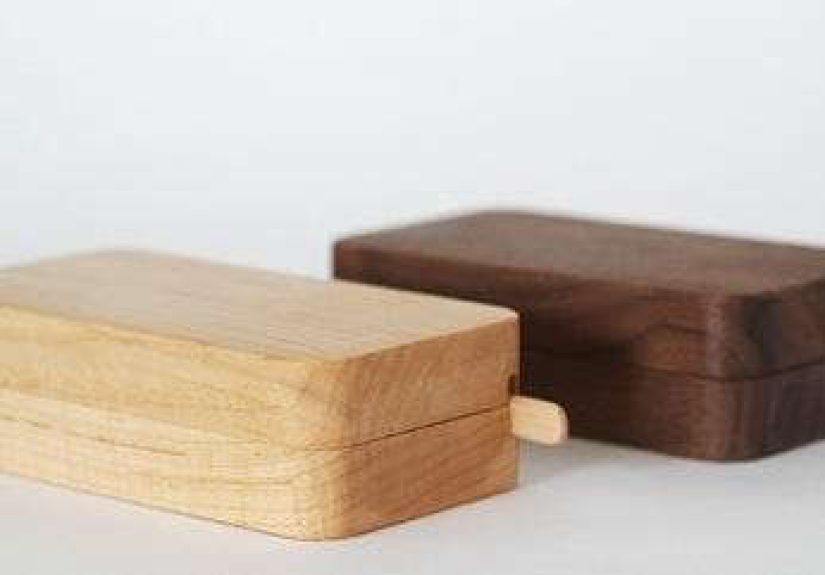
Japanese wooden housewares are often light, warm, and quietly expressive. A carved bowl or tray brings softness to a table full of ceramics. Wood also changes with use, deepening in tone and developing character over time. It is the kind of material that rewards care without demanding a legal contract.
Metalware and Iron Cookware
Iron cookware and Japanese metal goods have a different energy: grounded, durable, and wonderfully serious. A cast-iron rice cooker or kettle can feel almost architectural. These pieces are not for shoppers who want disposable convenience. They are for people who enjoy the idea that a kitchen object might outlive a phone, a trend, and possibly several poorly assembled bookshelves.
Cloth and Bath Goods
Textiles at Analogue Life tend to fit the same philosophy: useful, tactile, and restrained. A bath mat, hand towel, or woven cloth may seem humble, but in daily life, humble things matter. A good towel used every day can bring more pleasure than a “statement” chair nobody is allowed to sit on.
How to Shop Analogue Life Online
One of Analogue Life’s strengths is that it makes Japanese artisan housewares accessible internationally through its online shop. For U.S. shoppers and global design lovers, this matters. Not everyone can casually pop over to Nagoya between lunch and laundry. The online store offers a way to discover Japanese ceramics and craft objects from home.
However, shoppers should understand the rhythm of small-batch craft. Many handmade items sell out quickly. Some out-of-stock pieces may return later, while exhibition pieces may never be produced in exactly the same way again. This creates a different shopping mindset. Instead of waiting for endless restocks, you learn to notice, decide thoughtfully, and accept that the one that got away may become part of your personal design mythology.
Smart Tips for Buying
- Read dimensions carefully. Japanese tableware can be smaller than American shoppers expect.
- Check material and care notes. Dishwasher-safe is not guaranteed, especially with handmade ceramics.
- Expect variation. Handmade items may differ slightly in glaze, shape, color, or surface.
- Act when a piece truly speaks to you. Small-studio work often does not wait politely in stock forever.
- Think in daily rituals. Buy the cup, bowl, or tray that will improve an ordinary moment.
The Design Philosophy: Slow, Useful, and Human
The appeal of Analogue Life is not only visual. It is philosophical. The shop makes a quiet argument against overconsumption by favoring fewer, better things. A handmade bowl is not automatically sustainable just because it is beautiful, but an object loved and used for years has a different life cycle from a cheap impulse buy that ends up in a donation box by Tuesday.
This is where wabi-sabi often enters the conversation. The phrase is sometimes overused in interior design, usually right before someone sells a very expensive beige pillow. But at its core, wabi-sabi points toward impermanence, irregularity, modesty, and the beauty of things shaped by time. In the context of Analogue Life, it appears not as a marketing slogan but as a lived quality: clay with texture, wood with grain, iron with weight, cloth with softness, and objects that grow more interesting through use.
Who Will Love Analogue Life?
Analogue Life is ideal for shoppers who love Japanese design, handmade ceramics, quiet interiors, natural materials, and objects with a story. It is also a strong resource for interior designers, food stylists, tea lovers, home cooks, collectors, and anyone building a home that values calm over clutter.
It may not be the perfect match for people who want huge matching dinnerware sets delivered overnight at bargain prices. That is fine. Not every shop needs to solve every problem. Analogue Life is for the person who would rather own four extraordinary cups than sixteen identical ones that look vaguely disappointed in themselves.
What to Buy First
If you are new to Analogue Life, begin with a functional piece. A tea cup, rice bowl, small serving plate, or wooden tray is easier to incorporate into daily life than a rare sculptural object. Once you understand how handmade Japanese housewares fit your routines, you can explore more specialized pieces such as sake sets, iron cookware, pitchers, vases, or exhibition ceramics.
For Tea Drinkers
Look for yunomi cups, kyusu teapots, small trays, and ceramic pitchers. The pleasure of tea is partly taste, partly temperature, and partly the feeling of the vessel in your hand.
For Home Cooks
Consider rice bowls, serving dishes, iron cookware, ladles, cutting tools, and small plates. Japanese kitchens often value tools that are compact, efficient, and beautiful without being flashy.
For Interior Lovers
Start with vases, wood containers, woven baskets, candleholders, or sculptural ceramics. A single strong object can change the mood of a shelf, entry table, or bedside corner.
Shopper’s Diary Experience: Visiting Analogue Life in Spirit and Practice
The best way to approach Analogue Life is not like a bargain hunter storming a sale rack. Slow down. Imagine entering the Nagoya shop on a quiet afternoon, climbing to the second floor of a Showa-era building, and stepping into a room where the objects do not yell. They wait. A ceramic cup sits on a low surface with the confidence of a tiny mountain. A wooden bowl catches the light. An iron pot looks as if it has never once cared about social media, and honestly, good for it.
You begin with tableware because that is the obvious temptation. A small cup looks simple until you notice the glaze has cloudy movement, like weather trapped in clay. A rice bowl seems modest, then reveals a foot ring, a slight asymmetry, and a surface that makes plain rice feel like a composed dish. This is where Japanese craft shopping becomes quietly emotional. You are not only choosing an object. You are choosing a future habit: tea after dinner, soup on a rainy day, fruit in the afternoon, a small dish for salt beside the stove.
Then you move to wood. The atmosphere changes. Ceramic is cool and mineral; wood is warm and domestic. A wooden tray suggests breakfast in bed, even if your real breakfast is usually eaten while standing near the sink like a raccoon with email. A carved spoon reminds you that the best kitchen tools are not always the most complicated. Some simply fit the hand so well that cooking feels kinder.
Metalware brings another layer. Iron, brass, pewter, and forged tools have a grounded seriousness. They make modern kitchens feel less disposable. An iron rice cooker or kettle asks for commitment, but it gives back depth: better heat, stronger presence, and the pleasure of using something that was designed for decades, not seasons. In a culture where many products are built to be replaced, these pieces feel almost rebellious.
The online shopping experience has its own rhythm. You scroll slowly because the product listings reward attention. Dimensions matter. Materials matter. “Sold” and “out of stock” are part of the landscape. Instead of treating scarcity as frustration, Analogue Life teaches a more patient form of desire. You learn that handmade objects arrive through relationships: maker to shop, shop to customer, customer to daily life. That chain is more meaningful than a warehouse algorithm flinging a box at your porch.
My favorite way to shop this kind of store is to build a small ritual set. Choose one cup, one bowl, and one tray. Use them together every day for a week. Have tea, fruit, rice, toast, soup, or coffee. Notice what changes. The food may not be fancier, but the moment becomes more deliberate. That is the real magic of Analogue Life. It does not ask you to transform your home overnight. It suggests that one honest object, used often, can make ordinary life feel edited, grounded, and a little more beautiful.
Conclusion: Why Analogue Life Still Matters
Analogue Life in Japan matters because it reminds us that shopping can be thoughtful, not frantic. Its ceramics, woodwork, metalware, textiles, and kitchen tools show how everyday objects can carry culture, skill, and quiet beauty. In a market overflowing with fast decor and copycat minimalism, Analogue Life offers something rarer: a carefully edited connection to Japanese artisanship and the art of daily use.
Whether you visit the Nagoya shop or browse from the other side of the world, the lesson is the same. Buy less, look closer, and choose objects that improve real routines. A good cup will not fix your inbox, your laundry pile, or your habit of forgetting where you put your keys. But it can make tea taste better. Some days, that is a perfectly respectable miracle.
Note: Product availability, opening days, prices, shipping details, and exhibitions may change. Before visiting or ordering, check the current Analogue Life schedule and product pages.