Table of Contents >> Show >> Hide
- What Hydrogen Peroxide Actually Does in the Garden
- When Using Hydrogen Peroxide on Plants Can Make Sense
- When You Probably Should Not Use Hydrogen Peroxide on Plants
- How to Use It More Safely
- Common Mistakes Gardeners Make With Hydrogen Peroxide
- Gardener Experiences: What Real-World Use Usually Looks Like
- The Bottom Line
Hydrogen peroxide has become the Swiss Army knife of internet plant advice. Got fungus gnats? Peroxide. Worried about root rot? Peroxide. Seedlings looking dramatic? Somebody online is already reaching for the brown bottle under the bathroom sink. But should you actually use hydrogen peroxide on your plants, or is this one more garden hack that sounds smarter than it behaves?
The honest answer is: sometimes, yes. Constantly, no. Hydrogen peroxide can be useful in plant care, but it works best as a targeted tool, not a magic tonic. Gardeners, master gardener programs, and horticulture experts tend to agree on the big picture: diluted hydrogen peroxide may help in a few specific situations, especially when you are dealing with excess moisture, surface pathogens, or pest larvae in potting mix. It is not a fertilizer, not a cure-all, and definitely not a “more is better” product.
That distinction matters. Hydrogen peroxide on plants can help with fungus gnats, sanitation, and some seed-starting problems. It can also burn leaves, stress roots, and waste your time if the real issue is poor drainage, overwatering, bad airflow, or dirty containers. In other words, peroxide can be part of the solution, but it should not be cast as the lead actor in every garden crisis.
What Hydrogen Peroxide Actually Does in the Garden
Hydrogen peroxide is an oxidizing compound made of hydrogen and oxygen. In practical gardening terms, that means it can act like a disinfecting agent and release oxygen as it breaks down. That sounds wonderfully science-y, and it is, but the important part is how that behavior affects plants and soil.
When properly diluted, hydrogen peroxide can help reduce certain microbes on surfaces, disrupt some soft-bodied pests and larvae on contact, and temporarily increase oxygen around roots in very wet growing media. That is why gardeners use it for issues like fungus gnats, seed-starting sanitation, and the occasional root-rot rescue attempt.
What it does not do is magically fix chronic plant stress. If your pothos is drowning in a pot with no drainage hole, hydrogen peroxide is not your knight in shining fizz. If your seedlings are collapsing because the tray is crowded, soggy, and living in still air, peroxide may help a little, but better airflow and better watering habits will help a lot more.
Think of it this way: hydrogen peroxide is more like a spot treatment than a wellness program. It can be useful when the problem is specific and the dose is sensible. Used casually, repeatedly, or too strongly, it can turn from helper to troublemaker fast.
When Using Hydrogen Peroxide on Plants Can Make Sense
For fungus gnats in container plants
This is one of the most common and most practical uses. If you have ever watered a houseplant and watched a tiny cloud of annoying black gnats rise like a cursed little dust storm, you already know the enemy. Fungus gnats thrive in overly wet potting mix, and their larvae live in the top layer of soil.
A diluted hydrogen peroxide soil drench can help knock back those larvae. Many gardeners use a mixture made from standard 3% hydrogen peroxide and water, then apply it to the potting mix rather than the foliage. The fizzing is normal. It looks dramatic, sounds productive, and in this case it may actually be productive.
Still, peroxide is only half the answer. If the potting mix stays constantly wet, the gnats will be back faster than you can say “Why are there flies in my fern?” Let the top layer of soil dry between waterings when the plant allows it, improve drainage, and remove decaying plant matter. Peroxide can reduce the larvae, but culture fixes the cause.
For seedlings and damping-off concerns
Seedlings are adorable until they suddenly flop over like they received terrible news. Damping-off is a common seed-starting problem caused by pathogens that thrive in wet, crowded, poorly ventilated conditions. Some master gardener advice includes a very diluted hydrogen peroxide solution as part of a seedling-care routine to reduce fungal pressure.
Here again, peroxide is not the whole story. Clean trays, fresh seed-starting mix, proper spacing, light airflow, and careful watering matter even more. Gardeners who get the best results usually treat hydrogen peroxide as one small support move, not a replacement for hygiene and good growing conditions.
If you start seeds indoors every year, the real lesson is boring but effective: clean everything, avoid soggy media, and do not let seedlings live in a swamp. Peroxide can help around the edges, but prevention does the heavy lifting.
For tool, pot, and surface sanitation
This is the least glamorous use and maybe the smartest. Dirty pruners, reused pots, and contaminated trays can spread disease from one plant to another. Hydrogen peroxide can be used as part of a sanitation routine for tools and hard surfaces, and many extension sources treat sanitation as basic plant care rather than optional housekeeping.
The key is to clean first, then disinfect. Mud, sap, and stuck-on debris reduce the effectiveness of any disinfectant. So if you are pruning diseased tissue or reusing containers, scrub away visible dirt first. After that, peroxide-based sanitation can make sense, especially if you are trying to avoid carrying pathogens from one plant to the next.
This use is less controversial because the peroxide is not being treated like plant food. It is just being used as what it is: a disinfecting tool.
For a root-rot rescue attempt
Can hydrogen peroxide help with root rot? Maybe, but with a giant asterisk. Root rot is usually tied to too much moisture, low oxygen around roots, and pathogen activity. A diluted peroxide treatment may help reduce some microbial pressure and temporarily oxygenate the root zone. That is why gardeners sometimes use it when repotting a stressed houseplant.
But if the roots are mushy, the soil is sour, and the plant has been sitting in a decorative cachepot full of old water for two weeks, peroxide alone will not save the day. The better move is to remove the plant, trim dead roots, discard the old mix, use a clean container, and replant in an airy medium. Peroxide can be a supporting character in that process, but it is not the plot twist that fixes everything.
In short: if you are trying peroxide for root rot, pair it with actual correction of the growing conditions. Otherwise you are pouring optimism onto a drainage problem.
For some hydroponic and irrigation-system situations
Hydrogen peroxide also appears in greenhouse and hydroponic discussions because it can suppress algae or sanitize systems. This is where things get more technical. Commercial growers often rely on labeled products and very specific rates, because the line between useful and phytotoxic can be thin.
That matters for home gardeners because it shows an important truth: peroxide is not automatically safe just because it is common. In controlled systems, the concentration, timing, crop type, and formulation matter. Some uses are highly specific, and stronger applications can reduce growth rather than improve it.
When You Probably Should Not Use Hydrogen Peroxide on Plants
As a routine “plant booster” for everything
This is where the internet tends to oversell. Hydrogen peroxide is often described like a plant spa day in a bottle. In reality, healthy plants do not need a constant dose of peroxide just to keep living their best leafy lives. If your potting mix drains well, your watering is sensible, and your plant is not dealing with a specific issue, routine peroxide applications are usually unnecessary.
Plants need appropriate light, consistent moisture, oxygen at the roots, and nutrients. They do not need a weekly chemistry experiment just because a social media reel promised “explosive growth.”
As an undiluted foliar spray
Spraying undiluted hydrogen peroxide directly on leaves is a great way to learn the word phytotoxicity the hard way. Chemical injury can show up as bleached spots, leaf burn, browning, distortion, or general plant sulking. Sensitive plants can react quickly, especially when peroxide is sprayed in hot weather or bright sun.
If you use peroxide as a foliar treatment for a specific fungal issue, keep it diluted, apply it during cooler parts of the day, and test it on a small area first. A little caution beats a whole afternoon of apologizing to your begonias.
As a substitute for fixing the real problem
Hydrogen peroxide does not replace proper diagnosis. If your plant has yellow leaves, the issue could be overwatering, underwatering, poor nutrition, root damage, low light, pests, salt buildup, or disease. Dumping peroxide into the pot before you know what is wrong is like giving cough syrup to a car with a flat tire.
Peroxide works best when the problem is clear. Fungus gnats? Sure. Dirty propagation tools? Yes. Repeatedly soggy houseplant soil caused by a pot with no drainage? The fix is the pot, not the peroxide.
How to Use It More Safely
If you decide to use hydrogen peroxide on plants, keep the approach simple and cautious.
Start with ordinary 3% household hydrogen peroxide unless you are using a product specifically labeled for horticultural use. Dilute it according to the purpose. Soil drenches for fungus gnats are often milder than mixes intended for harder pest pressure, and seedling applications are usually gentler still.
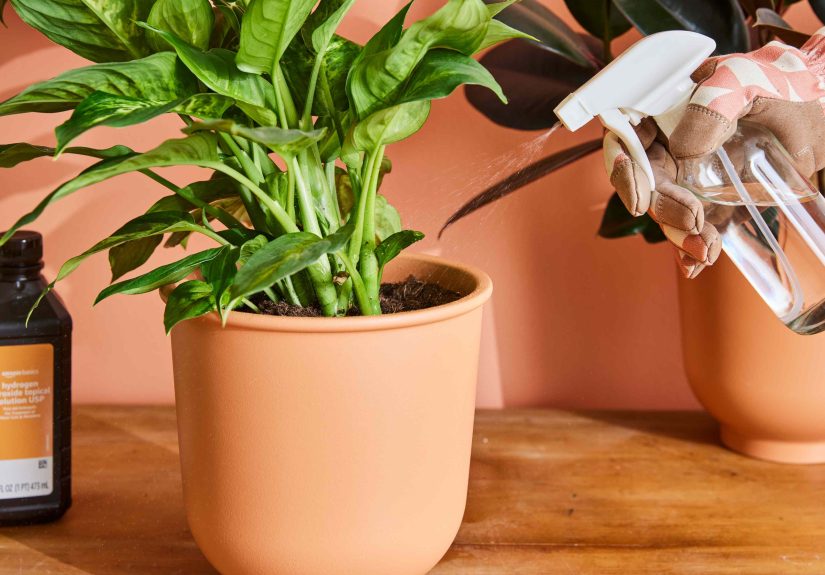
Apply it to the soil when the goal is larvae control or root-zone support. Avoid spraying leaves unless there is a clear reason and you are using a properly diluted mix. Do not apply it in hot midday sun. Spot-test sensitive plants before broader use. Use it occasionally, not obsessively.
Also, never mix peroxide with other disinfectants or random household chemicals in an attempt to create a super formula. That is not advanced gardening. That is just chemistry with a confidence problem.
Most important, remember that hydrogen peroxide is a tool for targeted use. If you find yourself reaching for it every week on the same plant, stop and ask a better question: why does this plant keep needing rescue?
Common Mistakes Gardeners Make With Hydrogen Peroxide
The first mistake is using too much. More peroxide does not equal more plant health. Higher concentrations can damage roots and foliage, especially in repeated applications.
The second mistake is using it too often. A one-time or occasional treatment is very different from making peroxide your plant-care personality.
The third mistake is ignoring the label or the purpose. Hydrogen peroxide used for sanitizing tools is not the same thing as a foliar spray plan. A peroxide product meant for greenhouse surfaces is not a license to freestyle on your philodendron.
The fourth mistake is forgetting that some plants are more sensitive than others. Delicate foliage, stressed plants, and seedlings can respond badly to stronger or poorly timed applications.
The fifth mistake is treating the fizz like proof of success. The bubbles look exciting, but visual drama is not the same thing as plant recovery. Gardeners love a satisfying reaction. Plants prefer correct care.
Gardener Experiences: What Real-World Use Usually Looks Like
One reason hydrogen peroxide remains popular is that gardeners do see results from it, especially in container growing. Across published gardening advice, extension Q&As, and years of shared plant-care stories, the same patterns keep showing up.
First, many indoor gardeners report the clearest success when they use peroxide against fungus gnats. The experience usually goes something like this: a plant owner notices tiny flies hovering around a favorite pothos, monstera, or peace lily. Sticky traps catch the adults, but the problem continues because the larvae are still in the potting mix. A diluted peroxide drench is applied, the soil fizzes, the next wave of gnats is smaller, and the gardener feels like a wizard for about twelve minutes. Then comes the most important part: they water less often, improve airflow, or repot into fresher, airier mix. That is usually when the real improvement sticks.
Second, gardeners who start seeds indoors often describe peroxide as helpful but secondary. It is not usually the hero of the story. The gardeners who have the best seedling success tend to be the same people who sterilize trays, use clean starting mix, provide strong light, run a fan, and avoid turning seed flats into rice paddies. In those setups, hydrogen peroxide can play a useful supporting role. In sloppy setups, it tends to become a bandage on a recurring problem.
Third, houseplant owners sometimes reach for peroxide during root-rot emergencies and get mixed results. When the plant still has viable roots and the owner acts quickly, a peroxide-assisted cleanup and repot can help the plant recover. When the rot is advanced, the plant has usually been declining for a while, and peroxide does not reverse that history. Gardeners often say the treatment seemed to “help,” but when you read closely, the real rescue came from pruning dead roots, changing the soil, improving drainage, and correcting watering habits.
Fourth, experienced gardeners often become more conservative with peroxide over time, not less. Beginners sometimes use it broadly because it sounds safe, cheap, and easy. More experienced growers usually reserve it for narrow jobs. They know that healthy roots prefer oxygen from good structure and drainage, not a constant cycle of chemical intervention. They also know that a product which can sanitize surfaces can also irritate plant tissue if used carelessly.
Finally, there is a quiet lesson behind most peroxide success stories: good gardening habits make the difference. Peroxide may help you reduce larvae, clean tools, or manage a specific outbreak, but it rarely replaces the fundamentals. The gardeners who get the best results with hydrogen peroxide are usually the ones who are already doing the basics well. They use it strategically, with dilution, restraint, and a clear purpose. In that sense, peroxide is less a miracle cure and more a neat trick in a well-organized toolbox.
The Bottom Line
So, should you use hydrogen peroxide on your plants? Yes, but only when there is a clear reason. It can be a smart, affordable gardening tool for targeted jobs like managing fungus gnat larvae, supporting sanitation, helping with some seed-starting issues, or assisting in early root-rot cleanup. It is most useful when paired with better plant care practices, not used instead of them.
What you should not do is treat hydrogen peroxide like a universal plant booster. It is not a fertilizer. It is not a shortcut around drainage, airflow, sanitation, or proper watering. And it can absolutely damage plants when used too strongly, too often, or too casually.
If your plant has a specific issue and you understand why peroxide might help, it is worth considering. If you are pouring it into every pot just because the internet told you your plants will grow like they are auditioning for a jungle documentary, step away from the bottle.
In gardening, the best solutions are usually the least flashy: clean tools, healthy roots, good light, proper watering, and patience. Hydrogen peroxide can help. It just should not be the boss of the garden.