
Table of Contents >> Show >> Hide
- What Exactly Is a “Blep” (and What It’s Not)
- Why Cats Blep: The Cute Reasons (a.k.a. The “No Big Deal” List)
- When a Blep Might Be a Clue: Health & Safety Checks (Without Panicking)
- How to Capture Your Cat’s Best Blep Photo (Without Becoming a Full-Time Paparazzi)
- How to Share a Blep Like a Pro (Yes, This Is a Skill)
- Turning Blep Moments Into Better Care (Because Cute and Caring Can Coexist)
- Conclusion: Long Live the Blep
- Extra: of Blep Experiences (Because the Tongue Has Stories)
There are many ways a cat can communicate. Slow blink? “I love you.” Tail flick? “I am mildly annoyed by your existence.”
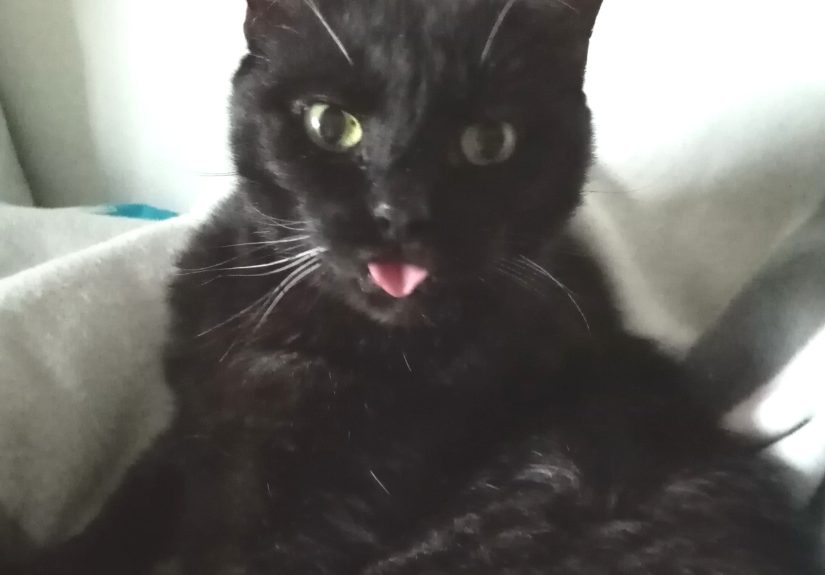
And the blepthat tiny tongue tip left peeking out like your cat forgot to close the tab in their brainmeans…
well, sometimes it means absolutely nothing. Which is kind of the point.
In the grand museum of the internet, the cat blep is a priceless exhibit: equal parts adorable, ridiculous, and strangely relatable.
But behind the comedy is real feline behavior you can understand, photograph, and (occasionally) use as a gentle health check.
So yes, please show me your cat’s best blepafter we talk about what it is, why it happens, and how to capture it without bribing your cat
with so many treats they start negotiating for steak.
What Exactly Is a “Blep” (and What It’s Not)
A cat blep is when a cat’s tongue sticks out just a littleusually the tipwhile the rest of their face stays
perfectly calm, as if they’re posing for an oil painting titled “I Have No Thoughts”.
Blep vs. “Mlem” vs. “Something Is Wrong”
- Blep: Tongue tip is out and just… stays there. Your cat looks relaxed or mildly spaced out.
- Mlem: Tongue comes out and retractsoften a quick lick over the nose or lips. More action, less “forgotten tongue.”
-
Potential concern: Tongue hanging out frequently, paired with drooling, bad breath, pawing at the mouth, appetite changes,
or any open-mouth breathing. Cute can quickly become “call the vet.”
The difference matters because cats’ tongue-out behavior can be harmless, or it can be a hint that something in the mouth,
teeth, airway, or nervous system isn’t feeling great. Most bleps are innocent. The key is context.
Why Cats Blep: The Cute Reasons (a.k.a. The “No Big Deal” List)
Cats blep for a bunch of reasons that boil down to two major themes:
relaxation and interruption. Either your cat is so comfy they’ve gone partially offline,
or they got distracted mid-activity and simply forgot to put the tongue away.
1) Deep Relaxation and Sleepy Muscles
When cats are snoozing hard, facial muscles can relax enough that the tongue slips out slightly.
You’ll often see this with a loosely open mouth, soft whiskers, and the overall vibe of a beanbag chair with fur.
If your cat bleps while sleeping and seems otherwise normal, that’s typically just a premium-grade nap.
2) Grooming Glitch: “I Was Licking… Then I Forgot”
Cats are meticulous groomers with tongues that are basically built-in hairbrushes. Sometimes a cat is mid-lickpaw, chest, shoulder
and gets distracted by a noise, a shadow, a bird outside, or the spiritual calling of the couch. The tongue pauses, stays out, and voilà:
spontaneous blep content for your camera roll.
3) Concentration Mode: Tiny Tongue, Big Focus
Some cats let their tongue tip slip out when they’re intensely focusedwatching squirrels, calculating the physics of a jump,
or staring at a wall like it owes them money. If your cat is alert and engaged, the tongue-out moment can be a quirky concentration tell.
4) Taste/Smell Investigations
Cats gather information with their senses like tiny furry detectives. After sniffing something interesting, a cat might open the mouth slightly
and hold still. Sometimes the tongue peeks out during that “processing” moment. Not every tongue-out scene is this,
but it’s one of the reasons you might see a blep after sniffing a new treat, catnip, or a suspicious shopping bag.
5) Dental Shape and “Toothless Advantage”
Some cats blep more easily because of their mouth structuremissing teeth, older age changes, or certain facial shapes can make it
easier for the tongue to wander out and stay out. A toothless (or partially toothless) cat can deliver legendary bleps
that look like they were designed by a comedy writer.
A Quick Example: The Three Classic Blep Scenarios
- The Sleep Blep: Your cat is asleep, tongue tip out, paws curled, you are emotionally destroyed by cuteness.
- The Groom Pause Blep: Lick-lick-lick… freeze… tongue remains… eyes half-lidded like a tiny monk.
- The Focus Blep: Cat stares at the window, tongue out, plotting something that probably involves chaos.
When a Blep Might Be a Clue: Health & Safety Checks (Without Panicking)
Most bleps are harmless. But a tongue that’s out often, for long periods, or paired with other symptoms can signal discomfort
or a medical issue. Think of it like this: a one-off blep is a meme. A repeated blep plus weird behavior is a message.
Red Flags to Watch For
- Open-mouth breathing or panting: Especially unusual for cats. Treat as urgent, particularly in heat or stress.
- Drooling (more than normal): Could mean mouth pain, nausea, or something irritating the mouth.
- Bad breath that’s new or intense: Often linked to dental problems.
- Pawing at the mouth or face: A classic “my mouth hurts” signal.
- Difficulty eating, dropping food, chewing on one side, or appetite changes: Teeth and gums may be involved.
- Visible swelling, bleeding, or sores in the mouth: Needs veterinary attention.
- Lethargy, hiding, or sudden behavior changes: Cats are subtle when they don’t feel wellso changes matter.
Practical Rule: “Normal Cat + Random Blep” vs. “Different Cat + Frequent Tongue”
If your cat is acting normaleating, drinking, playing, grooming, using the litter boxand you catch an occasional blep,
you’re probably just witnessing premium feline silliness.
If your cat’s behavior is off, the tongue is out repeatedly, or you’re seeing any of the red flags above, it’s worth calling a veterinarian.
This isn’t about being dramatic; it’s about being smart. Cats are experts at pretending everything is fine right up until it isn’t.
Do Not Do This (Even If the Internet Dares You)
- Don’t pull on your cat’s tongue for “a better photo.”
- Don’t force the mouth open unless you’re trained and it’s necessary for safety.
- Don’t use flash repeatedly in a dark room right in your cat’s face. (You want a blep, not a grudge.)
How to Capture Your Cat’s Best Blep Photo (Without Becoming a Full-Time Paparazzi)
The best blep photos are almost always candid. The trick is to set the stage so candid moments happen more often,
then use simple pet photography tips to freeze the perfect expression.
1) Use Soft Light (Window Light Is Your Best Friend)
Natural light near a window makes fur texture and eye detail pop without harsh shadows. Try photographing in the morning or late afternoon
when light is gentler. If the room is dim, move closer to the light source rather than blasting flash.
2) Turn On Burst Mode
Bleps are often fleeting. Burst mode (taking many shots quickly) is the difference between “I swear it happened” and “here are 17 angles
of the tongue tip, enjoy.” You can delete the awkward ones later (or keep them for blackmailI mean memories).
3) Get Low and Shoot at Eye Level
Eye-level photos feel more intimate and expressive. The blep reads clearer, and your cat looks like the main characterwhich,
let’s be honest, they already believe they are.
4) Focus on the Eyes, Then Let the Tongue Steal the Scene
Sharp eyes make a photo feel alive. Tap to focus on the eyes, then let the tongue tip be the delightful surprise.
If your phone has portrait mode, try itjust be ready to retake if the fur confuses the blur effect.
5) Know Your Cat’s “Blep Triggers”
Without manipulating your cat, you can notice patterns:
- Right after grooming
- During deep naps
- While watching birds from a favorite perch
- After a treat (when they’re savoring the moment)
Your job is to be ready, not to force it. Great bleps are like great comedy: timing, not pressure.
6) A Tiny Sound Can Help (But Don’t Overdo It)
A gentle kissy sound or a soft call can bring your cat’s eyes toward the camera while the tongue stays out.
Keep it calm. If your cat looks annoyed, you’ve gone from photographer to “person who is interrupting important cat business.”
7) Edit Lightly for Realism
A small brightness tweak, a bit of crop, maybe a touch of sharpnessdone. The blep should look like your actual cat,
not a neon sticker with whiskers.
How to Share a Blep Like a Pro (Yes, This Is a Skill)
A blep photo is a gift. But presentation matters. Here are simple ways to make your funny cat meme potential go from “cute”
to “group chat legend.”
Caption Ideas That Don’t Try Too Hard
- “Loading thoughts… 2% complete.”
- “When you forget what you walked into the room for.”
- “Tongue out. No regrets.”
- “Proof that my cat is, in fact, a little gremlin.”
Make It a Mini-Series
If you’ve got multiple bleps, bundle them: “Best Blep of the Week,” “Blep Season Finals,” or “The Tongue Chronicles.”
People love a theme, and your cat deserves a trophy (they’ll ignore it, but still).
Turning Blep Moments Into Better Care (Because Cute and Caring Can Coexist)
Here’s the sneaky wholesome part: paying attention to bleps can help you notice changes in your cat’s routine and comfort.
Not every tongue-out moment is medical, but being observant is never a bad thing.
Use Blep Time as a Low-Stress Check-In
- Does your cat seem comfortable overall?
- Any changes in eating, drinking, or grooming?
- Any mouth sensitivity when they yawn or chew?
- Any new drool, bad breath, or facial rubbing?
Think of it as a casual wellness scan that happens while your cat is being hilarious. Efficient. Iconic.
Enrichment Helps (and Sometimes Leads to More Bleps)
Happy, engaged cats often have more relaxed “goofy” moments. Try rotating toys, adding a window perch, using puzzle feeders,
or scheduling short play sessions. A calm cat is more likely to deliver the sleepy, peaceful blep you’re hoping to capture.
Conclusion: Long Live the Blep
The blep is a perfect example of why cats run the internet: it’s tiny, ridiculous, and somehow emotionally powerful.
Most of the time, a cat tongue out moment is just relaxation, a grooming pause, or your cat getting lost in thought
(or in the void).
Your mission is simple: appreciate it, photograph it kindly, and stay alert for signs that it’s more than a quirky habit.
Then share your best shot with the worldbecause somewhere out there, a stranger is having a rough day and your cat’s tiny tongue
might be exactly what they needed.
Extra: of Blep Experiences (Because the Tongue Has Stories)
The first time I truly understood the cultural power of a blep, it wasn’t on a viral video or a curated Instagram grid. It was on a random Tuesday,
when a very serious-looking cat sat upright like a tiny librarian and let the smallest sliver of tongue peek outjust enough to notice,
not enough to explain. The face said “I have responsibilities.” The tongue said “I forgot how mouths work.” I laughed so suddenly I startled myself,
and the cat didn’t even flinch. That’s the thing about peak blep energy: it’s delivered with total confidence.
Another classic blep moment tends to arrive right after grooming. You’ll hear the rhythmic lick-lick-licklike someone quietly sanding a piece of wood
and then the cat pauses, frozen mid-maintenance. Maybe a door closes somewhere. Maybe a dust mote floats by like a microscopic UFO.
The tongue remains out, suspended in time. Their eyes narrow as if they’re solving a mystery, and you can practically see the mental loading wheel.
Those are the bleps that feel the most “accidental,” like you’ve caught your cat in a rare moment of being adorably unpolished.
The sleep blep, though, is the one that hits people right in the heart. It’s usually paired with full-body relaxation: paws tucked, whiskers soft,
tail still. The tongue tip peeks out like the cat is dreaming about tuna and forgot to close their mouth. If you’ve ever taken a photo of a sleep blep,
you know the danger: you start taking too many pictures because you’re convinced the next one will be “even cuter.” (Spoiler: they’re all cute.
The real challenge is choosing just one to share without turning your camera roll into a 300-image documentary titled The Tongue Incident.)
One of the funniest blep experiences comes from the “post-treat processing” phase. Some cats finish a crunchy snack and then sit perfectly still,
tongue barely out, as if they’re reviewing the flavor notes like a food critic. “Hints of chicken. A confident finish. Excellent mouthfeel.”
You’re standing there like, “Are you okay?” and your cat is basically doing a private tasting panel in their own head.
And then there’s the more thoughtful side of blep stories: the moments when you notice the tongue is out more often than usual,
or your cat seems a little reluctant to chew, or the yawns look uncomfortable. Those are the times the blep becomes less of a punchline
and more of a gentle reminder to pay attention. Sometimes the cutest quirks are also the easiest cluestiny signals that help you advocate
for your cat’s comfort. The best blep experience, honestly, is the one where you get the adorable photo and the peace of mind
that your cat is feeling good.





 Close
Close