
Table of Contents >> Show >> Hide
- Why This Shrimp and Sausage Boil Recipe Works
- Ingredients for the Best Shrimp and Sausage Boil
- Equipment You’ll Need
- How to Make Shrimp and Sausage Boil
- Flavor Tips That Make a Big Difference
- Best Sausage for Shrimp Boil
- Variations to Try
- What to Serve with Shrimp and Sausage Boil
- How to Store and Reheat Leftovers
- Common Mistakes to Avoid
- Final Thoughts
- Experience Guide: What It’s Like to Make and Serve a Shrimp and Sausage Boil
- SEO Tags
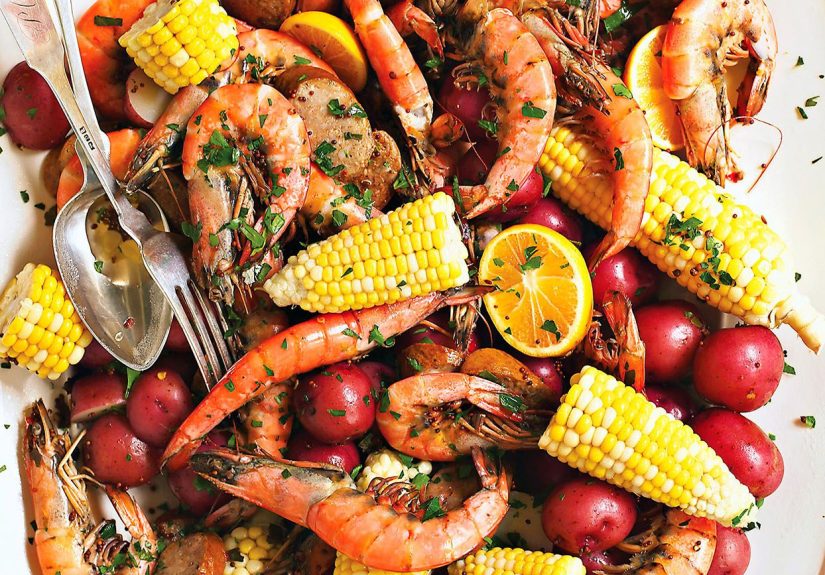
If summer had a uniform, it would be a paper-covered table, a pile of corn and potatoes, and one person saying, “Who took the last shrimp?” A shrimp and sausage boil is the kind of meal that feeds a crowd, looks impressive, and somehow still feels laid-back enough for flip-flops. It’s part dinner, part event, part delicious chaos.
This guide gives you a foolproof shrimp and sausage boil recipe with practical timing, flavor tips, serving ideas, and storage adviceplus the little things that make a big difference (like when to add the shrimp so they stay juicy instead of turning into seafood erasers). I’ve also included variations for weeknights, outdoor cooking, and easy add-ons, so you can make this work whether you’re feeding four people or a backyard full of cousins.
Why This Shrimp and Sausage Boil Recipe Works
A good seafood boil is all about sequence. Potatoes need a head start, corn and sausage need enough time to heat through and soak up seasoning, and shrimp only need a few minutes. The best recipes all agree on the same strategy: build a flavorful broth first, then add ingredients in stages based on how long they cook.
The result is a one-pot meal with serious flavor and very little fuss. The broth does the heavy lifting with lemon, garlic, seafood seasoning, and optional beer. The sausage adds smoky richness, the shrimp bring sweetness, and the corn and potatoes turn into flavor sponges. It’s basically a party in a pot.
Ingredients for the Best Shrimp and Sausage Boil
Main Ingredients
- 2 pounds large raw shrimp (shell-on preferred for better flavor and moisture)
- 14 to 16 ounces smoked sausage (andouille or kielbasa), sliced into 1- to 2-inch pieces
- 1 1/2 to 2 pounds baby red potatoes
- 4 ears corn, cut into halves or thirds
- 1 large yellow onion, quartered
- 1 whole garlic head, halved (or 4 to 6 cloves smashed)
- 2 lemons, halved
- 1/3 to 1/2 cup seafood seasoning (Old Bay-style seasoning works great)
- 1 tablespoon kosher salt (adjust to taste based on your seasoning blend)
- 4 to 5 quarts water
- 1 can beer (12 oz, optional, for extra depth)
- Fresh parsley, chopped (for finishing)
- Extra lemon wedges, for serving
Optional Garlic Butter Sauce
- 6 tablespoons unsalted butter, melted
- 1 to 2 cloves garlic, grated or minced
- 1 tablespoon lemon juice
- 1 teaspoon seafood seasoning
- Hot sauce, to taste
Optional Dipping Sauces
Cocktail sauce, remoulade, or an Old Bay mayo are all welcome here. A shrimp boil without a dip is still good, but a dip makes people feel like they’re on vacation.
Equipment You’ll Need
- Large stockpot (12-quart minimum; larger if feeding a crowd)
- Colander or strainer
- Tongs or slotted spoon
- Large serving platter or a paper-lined table
- Small bowls for melted butter and sauces
If you’re cooking outdoors for a crowd, a much larger boil pot works beautifully. If you’re inside, don’t worrythis recipe is absolutely doable on a stovetop with a big enough pot.
How to Make Shrimp and Sausage Boil
Step 1: Build the Boil Broth
Add water, beer (if using), seafood seasoning, salt, onion, garlic, and the juice and halves of the lemons to a large stockpot. Bring it to a boil, then reduce slightly and let it simmer for about 10 minutes. This quick simmer wakes up the spices and gives the broth real flavor before any of the main ingredients go in.
Think of this as the “set the vibe” step. You’re not just boiling wateryou’re building a seasoned bath that makes everything taste like summer.
Step 2: Cook the Potatoes First
Add the potatoes and cook until they’re almost tender, about 10 to 12 minutes depending on size. You want them close to done, but not falling apart. A fork should meet a little resistance.
This is the most important timing move in the whole recipe. If the potatoes go in late, dinner gets delayed. If they’re overcooked, they’ll turn into spicy mashed potatoes in your pot. (Tasty, but not the goal.)
Step 3: Add the Sausage and Corn
Add sliced sausage and corn. Return the pot to a gentle boil and cook for 5 to 7 minutes, until the corn is tender-crisp and the sausage is heated through and flavorful.
The sausage adds smoky, savory depth to the broth at this stage, and the corn gets sweet and juicy without becoming mushy.
Step 4: Add the Shrimp Last
Add the shrimp and cook just until they turn pink and opaque, usually 3 to 5 minutes. You can also turn off the heat, cover the pot, and let the shrimp finish in the hot liquid for a few minutes. That method is especially nice if you’re worried about overcooking.
Shrimp go from perfect to rubbery very fast, so this is the moment to pay attention. When they’re opaque and firm, they’re ready.
Step 5: Drain and Finish
Drain the pot well in a colander. Transfer everything to a large platter, sheet pan, or paper-covered table. Sprinkle with parsley and a little extra seasoning if you like.
If using the garlic butter sauce, whisk together melted butter, garlic, lemon juice, seasoning, and hot sauce, then drizzle over the boil or serve it on the side for dipping.
Flavor Tips That Make a Big Difference
Use Shell-On Shrimp
Shell-on shrimp are worth it. They stay juicier, taste better, and hold up nicely in the hot broth. If you want convenience, look for easy-peel shrimp (deveined but still in the shell).
Season the Broth Aggressively
The broth should taste bold, not shy. Potatoes and corn absorb a lot of flavor, so a lightly seasoned pot can leave you with bland vegetables and sad silence at the table.
Follow the Cooking Order
Potatoes, then corn and sausage, then shrimp. This order is the secret to getting everything done at the same time without sacrificing texture. It’s not fancyit’s just smart.
Use Visual Cues, Not Just the Clock
Potatoes vary in size. Shrimp can be fresh or frozen. Corn may be super tender or a little starchy. Timing guides are helpful, but visual doneness matters more. Check the potatoes with a fork and watch the shrimp for color change.
Best Sausage for Shrimp Boil
Andouille sausage is the classic pick if you want a Cajun-style kick. It brings smoke, spice, and a little attitude. Kielbasa is milder and great for family-style dinners where not everyone wants heat. Smoked link sausage in general works well because it holds up in the boil and adds tons of flavor.
If you’re making this for kids or spice-sensitive guests, use a mild smoked sausage and let hot sauce do the heavy lifting at the table.
Variations to Try
Lowcountry Style
This style leans into the classic combination of shrimp, corn, potatoes, and smoked sausage. You’ll also hear it called a Lowcountry boil or Frogmore stew depending on the region. Same delicious idea, different local accent.
Louisiana-Style Twist
Use a spicier boil seasoning blend (like a Louisiana-style shrimp and crab boil), add extra cayenne or hot sauce, and choose andouille. This version shows up to dinner wearing boots.
Sheet Pan Shrimp Boil
Want less mess? Parboil the potatoes first, then toss everything with seasoning and butter and roast on sheet pans. You still get the shrimp boil flavor profile with easier cleanup and a little caramelization on the edges.
Weeknight Shrimp Boil
Scale the recipe down, use baby potatoes, and cut corn into smaller pieces. A smaller pot and a shorter ingredient list can get this on the table much faster, which is excellent news for Tuesday.
What to Serve with Shrimp and Sausage Boil
- Garlic bread or crusty bread (for butter cleanup duties)
- Coleslaw
- Cornbread
- Mac and cheese
- Lemon wedges and hot sauce
- Cocktail sauce, remoulade, or spicy mayo
- Iced tea, lemonade, or cold beer
Honestly, the boil is a full meal on its own. Sides are optional, but napkins are mandatory.
How to Store and Reheat Leftovers
Storage
Let leftovers cool slightly, then refrigerate in airtight containers. If possible, store the shrimp separately from the potatoes and corn so you can reheat more gently. For best quality, enjoy within 2 to 3 days.
Don’t leave cooked shrimp boil sitting out for too long. Like all seafood dishes, it needs proper temperature control.
Reheating
Reheat gently in a covered skillet with a splash of water or butter, in a steamer basket, or in a low oven until hot. Avoid blasting it in high heat for too long or the shrimp can toughen.
If you’re using a thermometer, reheated leftovers should be heated through properly. If you’re serving outdoors, keep hot foods hot and cold foods coldseafood is not the place for “it’s probably fine.”
Common Mistakes to Avoid
- Overcooking shrimp: They only need a few minutes.
- Under-seasoning the broth: The boil flavor comes from the cooking liquid.
- Adding everything at once: This creates uneven doneness.
- Using a pot that’s too small: Crowded pots cook unevenly and are harder to manage safely.
- Skipping the drain: Let excess liquid go so the seasoning and butter can cling better.
Final Thoughts
A great shrimp and sausage boil recipe doesn’t need complicated ingredients or chef-level techniques. It just needs a flavorful pot, good timing, and enough napkins to survive the fun. Whether you serve it on a platter or dump it right onto a paper-covered table for the full dramatic effect, this is one of the easiest ways to make dinner feel like a celebration.
Make it once and you’ll understand why people get weirdly protective over the last piece of corn.
Experience Guide: What It’s Like to Make and Serve a Shrimp and Sausage Boil
One of the best things about a shrimp and sausage boil is that it creates an experience, not just a meal. Home cooks often say this is the recipe that gets everyone out of the kitchen and around the tablebecause there are no complicated plating steps, no last-minute sauce panic, and no “wait, where are the matching bowls?” drama. Once the pot is done, you drain it, serve it, and let people dig in.
The first-time experience is usually a mix of excitement and timing anxiety. You’ll probably check the shrimp every 45 seconds and poke the potatoes like they owe you money. That’s normal. The good news is that after one batch, the rhythm makes sense. Broth first. Potatoes next. Corn and sausage after that. Shrimp at the end. Once you trust the sequence, the process feels surprisingly easy.
Another common experience: the smell. As soon as lemon, garlic, and seafood seasoning hit the pot, the whole kitchen (or backyard) smells incredible. It’s the kind of aroma that makes people wander in and ask, “How long until it’s ready?” every six minutes. If you’re cooking for guests, expect early arrivals and shameless hovering.
For families, this recipe is especially useful because everyone can build their own perfect bite. Some people go all-in on shrimp. Some are there for the sausage. Someone always claims the corn is the best part. Kids often surprise you by loving the potatoes because they soak up the seasoned broth and butter. It’s one of those meals where picky eaters and adventurous eaters can coexist peacefully for a night.
If you’re hosting a gathering, the serving style becomes part of the fun. A paper-lined table instantly makes the meal feel casual and festive. People relax. They reach for what they want. They trade lemons. They compare dipping sauces. It’s interactive in the best way, and it naturally slows dinner down so people actually talk instead of inhaling food and disappearing.
There’s also a practical side to the experience that seasoned home cooks learn quickly: prep before you boil. Slice the sausage, cut the corn, wash the potatoes, make the butter sauce, and set out napkins in advance. Once the pot starts moving, the timing goes fast. Having everything ready turns the cooking process from chaotic to smooth.
Leftovers can be a little funnyshrimp boil is definitely at its peak right after cookingbut many people enjoy turning the extras into a next-day lunch. Reheated potatoes and sausage are great, and leftover shrimp can be chopped into a cold seafood salad or folded into pasta. The experience of a shrimp boil doesn’t have to end at dinner; it often turns into a “what can I make with this tomorrow?” situation, which is a nice bonus for a recipe that already feels generous.
Most of all, the experience people remember is the mood. A shrimp and sausage boil is cheerful food. It’s a little messy, a little loud, and very hard to make feel formal. That’s exactly why it works. It gives you restaurant-level flavor with backyard energy, and it makes ordinary weekends feel like an occasion. And in the world of home cooking, that’s a pretty great trick for one pot.






 Close
Close