Table of Contents >> Show >> Hide
- Why This Sweet-and-Savory Chicken Dinner Works So Well
- The Flavor Profile: Fancy Enough for Company, Easy Enough for Tuesday
- How To Build the Best Skillet Chicken With Grapes and Shallots
- What To Serve With Skillet Chicken, Grapes, and Shallots
- Why This Recipe Is Ideal for Busy Home Cooks
- Common Mistakes To Avoid
- How This Dish Fits Into Modern Weeknight Cooking
- Experience Section: What This Meal Feels Like in Real Life
- Conclusion
Some dinners are practical. Some dinners are pretty. And then there is skillet chicken with grapes and shallots, the rare overachiever that shows up on a Tuesday night looking like it has a dinner-party agent. It is cozy without being boring, impressive without being high-maintenance, and just fancy enough to make you feel like you did something wildly competent with your evening besides answering emails and wondering why one sock always disappears in the laundry.
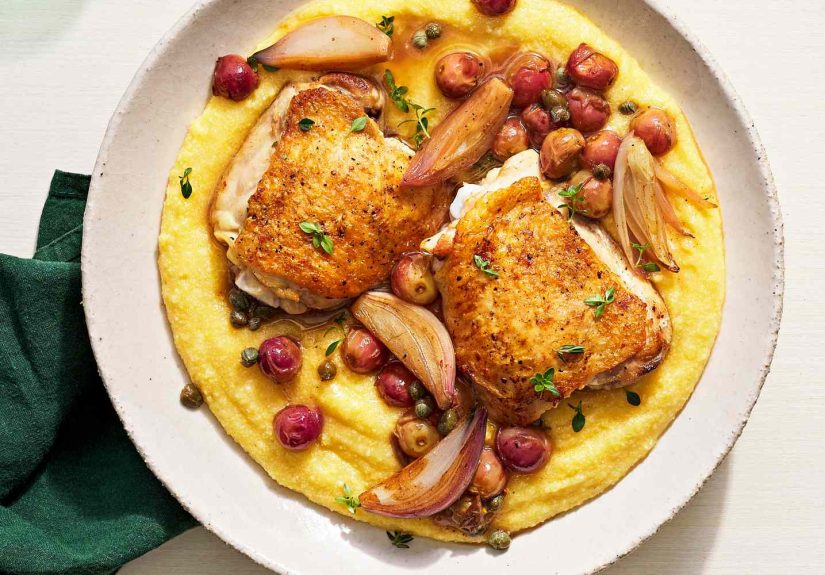
This dish works because it leans into one of the smartest flavor combinations in home cooking: savory chicken, sweet grapes, mellow shallots, a little acidity, and the deeply unfair advantage of a hot skillet. The grapes soften and burst into a glossy, almost jammy sauce. The shallots turn tender and sweet instead of sharp. The chicken, especially if you use bone-in, skin-on thighs, brings rich flavor and weeknight-friendly forgiveness. Put it all together, and you get a one-pan dinner that tastes layered, seasonal, and just a little bit smug in the best possible way.
And that is the real magic here. Skillet chicken with grapes and shallots feels surprising, but it is not complicated. It looks like a recipe you planned all day, even if you only started thinking about dinner when your stomach began filing formal complaints.
Why This Sweet-and-Savory Chicken Dinner Works So Well
Chicken loves contrast. That is why lemon chicken, honey mustard chicken, chicken with balsamic glaze, and fruit-forward roast chicken recipes have stuck around for years. Chicken brings savory depth and satisfying richness, but it often needs something bright or sweet to keep it from tasting flat. Grapes do that job beautifully. They are juicy, lightly acidic, and sweet without becoming dessert. When roasted or blistered in the skillet, they collapse just enough to release their juices into the pan, creating a sauce that tastes elegant instead of sugary.
Shallots are the quiet MVP. Regular onions can be loud and bossy. Shallots are more refined. They melt down into the pan with a gentler sweetness and a subtle allium flavor that supports the chicken instead of yelling over it. In a dish like this, where you want balance rather than brute force, shallots make all the difference.
Then there is the skillet itself. A good skillet creates the crispy skin, browned bits, and concentrated pan juices that make a simple dinner taste restaurant-worthy. Browning the chicken first gives the dish structure. The rendered fat flavors the shallots and grapes. The little caramelized bits stuck to the pan become the foundation for the sauce. Translation: the pan is doing half the work, and unlike some coworkers, it does not need a follow-up meeting.
The Flavor Profile: Fancy Enough for Company, Easy Enough for Tuesday
One reason this chicken recipe stands out in the crowded world of weeknight dinners is that it hits several flavor notes at once. You get crispy, savory, and rich from the chicken. You get sweetness from the grapes. You get mellow depth from the shallots. Add thyme, rosemary, or marjoram, and the whole thing becomes fragrant and deeply comforting. Finish with a splash of vinegar, white wine, or lemon, and suddenly the sauce has brightness, too.
That balance matters. Weeknight dinners often fall into one of two camps: dependable but dull, or flavorful but exhausting. Skillet chicken with grapes and shallots lands in the sweet spot. It feels thoughtful without requiring a culinary identity crisis. You do not need specialty ingredients, advanced technique, or a free afternoon. You need chicken, grapes, shallots, a few pantry basics, and a willingness to trust that fruit belongs in dinner. It does. It really, really does.
Why Grapes Belong in Savory Chicken Recipes
People who have never cooked grapes with chicken often assume the combination will be odd. It is not odd. It is classic sweet-savory cooking with a softer, fresher edge. Grapes are less assertive than dried fruit and less sharp than berries. They become luscious in heat, and their juices mingle with the rendered chicken fat in a way that tastes luxurious without leaning heavy.
Red grapes tend to be the most dramatic choice because they bring a deeper sweetness and a jewel-toned look to the pan. Green grapes are brighter and slightly tangier. Either works. The point is not to turn dinner into fruit salad with protein. The point is to give the chicken a built-in sauce that tastes layered, seasonal, and unexpectedly polished.
Why Shallots Make This Better Than Basic Chicken and Onions
Shallots are one of those ingredients that make food taste more expensive than it is. Their flavor lands between onion and garlic, but more delicate than either. When cooked in chicken drippings, they become soft, sweet, and almost silky. They also pair naturally with herbs and acidic ingredients, which makes them ideal for skillet sauces.
In this dish, shallots help bridge the gap between savory chicken and sweet grapes. They keep the fruit from feeling too playful and keep the chicken from feeling too plain. Think of shallots as the diplomatic middleman at the dinner table, making sure every ingredient gets along.
How To Build the Best Skillet Chicken With Grapes and Shallots
You do not need a long recipe to understand the structure of this dish. The smartest versions all follow the same basic pattern.
1. Start With the Right Chicken
Bone-in, skin-on chicken thighs are the best choice for most home cooks. They stay juicy, brown beautifully, and forgive minor timing errors. Chicken breasts can work, but they require more attention and can dry out if you get distracted by texts, kids, pets, or your own unrealistic attempt to also make a salad from scratch.
Pat the chicken dry, season it generously, and let the skillet get properly hot before the meat goes in. That first sizzle matters. Good browning equals better texture, better flavor, and better pan juices.
2. Brown the Chicken Before Anything Else
Place the chicken skin-side down and let it cook without fussing. Constant flipping is the enemy of crisp skin. Once the skin is golden and releases easily, turn the chicken and let the second side pick up some color. You are not necessarily finishing the chicken at this stage; you are building flavor.
This step also renders fat into the pan, which becomes the cooking medium for everything that follows. That means the shallots and grapes are not just being heated. They are being flavored from the very beginning.
3. Add Shallots, Grapes, and Aromatics
Once the chicken comes out temporarily, add the shallots and let them soften. Then scatter in the grapes. Some recipes add herbs like thyme or rosemary at this point, and that is a smart move. The aromatics perfume the pan while the grapes begin to blister and the shallots pick up color around the edges.
The kitchen smell at this point is outrageous in the most useful way. It smells like you know what you are doing.
4. Deglaze and Finish
A splash of white wine, vinegar, broth, or lemon juice brings the whole thing together. It loosens the browned bits from the skillet, combines with the grape juices, and creates a glossy sauce that tastes much more elaborate than it is. Return the chicken to the pan and finish cooking until everything is tender, juicy, and cohesive.
That is the formula. Brown, soften, blister, deglaze, finish. It is less a strict recipe than a reliable weeknight blueprint.
What To Serve With Skillet Chicken, Grapes, and Shallots
This is the kind of dinner that practically begs for something to catch the sauce. Creamy polenta is a natural match because it turns the skillet juices into a full event. Mashed potatoes work if you want maximum comfort. Rice is perfect when you need something easy and neutral. Orzo, couscous, and crusty bread are also excellent choices, especially if you enjoy your dinner with a side of enthusiastic sauce-mopping.
If you want vegetables, keep them simple. A bitter green salad works well because it offsets the sweetness of the grapes. Roasted green beans, broccolini, or Brussels sprouts also make sense. The main dish already has personality, so the side dishes do not need to audition for their own spinoff.
Why This Recipe Is Ideal for Busy Home Cooks
There are plenty of reasons skillet chicken with grapes and shallots deserves a spot in your dinner rotation, but the biggest one is efficiency. It feels fresh and different without asking you to reinvent your entire shopping list. It uses a short lineup of ingredients. It cooks in one pan. It delivers a built-in sauce. And it scales well, which means you can make it for two, feed a family, or cook extra for leftovers without changing the whole strategy.
It also has that magical “better than the effort required” quality. That is the holy grail of weeknight cooking. Anyone can make a good dinner with unlimited time and a sink full of mixing bowls. The real triumph is a meal that tastes like a Saturday project but behaves like a Wednesday solution.
Another advantage is that it is seasonally flexible. In cooler months, it feels cozy and a little rustic. In early fall, when grapes are at their best, it feels especially timely. Around the holidays, it looks festive enough for guests. Yet it never becomes too heavy or too precious. It stays grounded in real-life cooking, which is exactly why it works.
Common Mistakes To Avoid
Even an easy skillet chicken dinner has a few traps. The first is overcrowding the pan. If the chicken pieces are crammed together, they steam instead of brown. That means less crispness, less flavor, and less of the pan magic that makes this dish worth making.
The second mistake is underseasoning. Chicken, grapes, and shallots are all ingredients that benefit from confident seasoning. Salt is not optional background music here. It is what helps the sweet and savory flavors pop.
Third, do not cook the grapes into oblivion. You want them softened and bursty, not reduced into anonymous mush. They should still look like grapes that had an exciting evening, not grapes that have seen too much.
Finally, do not skip the finishing acid. A splash of vinegar or lemon is what keeps the sauce balanced. Without it, the dish can taste a little too rich and a little too sweet. With it, everything sharpens into focus.
How This Dish Fits Into Modern Weeknight Cooking
Modern home cooks want meals that do more than simply fill the plate. We want recipes that feel doable, adaptable, and rewarding. We want fewer dishes, more flavor, and leftovers that still taste like dinner instead of surrender. Skillet chicken with grapes and shallots checks all those boxes.
It also reflects the best direction of contemporary home cooking: simple techniques, smart ingredient pairings, and food that feels special without becoming stressful. It is the kind of meal that reminds you dinner does not need to be elaborate to feel memorable. Sometimes all it takes is a hot skillet, a bunch of grapes, and the confidence to let sweet and savory share the spotlight.
So yes, skillet chicken with grapes and shallots is the weeknight meal you need. Not because it is trendy. Not because it is flashy. But because it solves an actual problem: how to make dinner feel exciting again when your energy is low, your sink is already full, and takeout is starting to sound like a personality trait.
Experience Section: What This Meal Feels Like in Real Life
What makes skillet chicken with grapes and shallots so memorable is not only how it tastes, but how it feels to cook and eat in real life. This is not one of those recipes that demands your full emotional availability. It does not require a stand mixer, a marinade that started yesterday, or a spice blend you have to order from three states away. It asks for a skillet, a few fresh ingredients, and about enough patience to let chicken brown without poking it every 30 seconds.
That alone changes the mood of dinner. There is something reassuring about hearing the chicken hit the pan and knowing the meal is already moving in the right direction. The shallots start softening, the grapes begin to wrinkle and release juice, and the kitchen gradually smells like the sort of place where people wear linen aprons and casually know how to pair wine. Meanwhile, you are still in regular clothes, maybe slightly tired, but suddenly winning.
For a lot of home cooks, this dish becomes a gateway meal. It introduces the idea that fruit in savory cooking is not weird, fussy, or overly chef-y. It is practical. The grapes are not there for decoration. They become part of the sauce, adding sweetness and body without extra sugar or complicated steps. The shallots pull everything back toward savory comfort. The result tastes thoughtful, but it never feels showy.
It is also one of those meals that changes character depending on the night. Served over polenta with a green salad, it feels calm and a little elegant. Piled onto a plate with crusty bread, it feels rustic and generous. Eaten straight from a bowl on the couch after a long day, it still somehow feels like you made a real dinner instead of just assembling calories under pressure.
The leftovers are part of the experience, too. The grapes get even softer, the shallots mellow further, and the pan juices settle into the chicken. The next day, it tastes less like leftovers and more like a reward for having your life together for approximately one evening. That is a powerful selling point.
Maybe the best part is that this meal surprises people. Anyone expecting plain chicken gets something bright, juicy, savory, and layered. Anyone suspicious of grapes in dinner usually changes their mind after one bite. And anyone who cooked it on a random weeknight will likely remember it, because it creates that rare sense of low-effort accomplishment. Dinner is good, the kitchen did not explode, and the meal looks like it belonged to a much more organized version of you. That is not just a recipe. That is a public service.
Conclusion
Skillet chicken with grapes and shallots earns its place in the weeknight hall of fame because it delivers what most home cooks are actually looking for: strong flavor, easy cleanup, reliable technique, and a little sense of occasion. It turns basic chicken into something glossy, aromatic, and memorable, using ingredients that are simple but surprisingly effective together.
If your dinner routine has started to feel a little too predictable, this is the kind of meal that wakes it up without making your evening harder. It is approachable, adaptable, and just interesting enough to keep things fun. In other words, it is exactly what weeknight cooking should be.