Table of Contents >> Show >> Hide
- What Are Snickerdoodles?
- A Brief History of Snickerdoodles
- Why Cream of Tartar Matters
- The Ideal Snickerdoodle Texture
- Classic Snickerdoodle Ingredients
- How to Make Snickerdoodles Step by Step
- Common Snickerdoodle Mistakes
- Tips for Soft and Chewy Snickerdoodles
- Flavor Variations
- How to Store Snickerdoodles
- What to Serve With Snickerdoodles
- Experience Notes: Baking Snickerdoodles in Real Life
- Conclusion
- SEO Tags
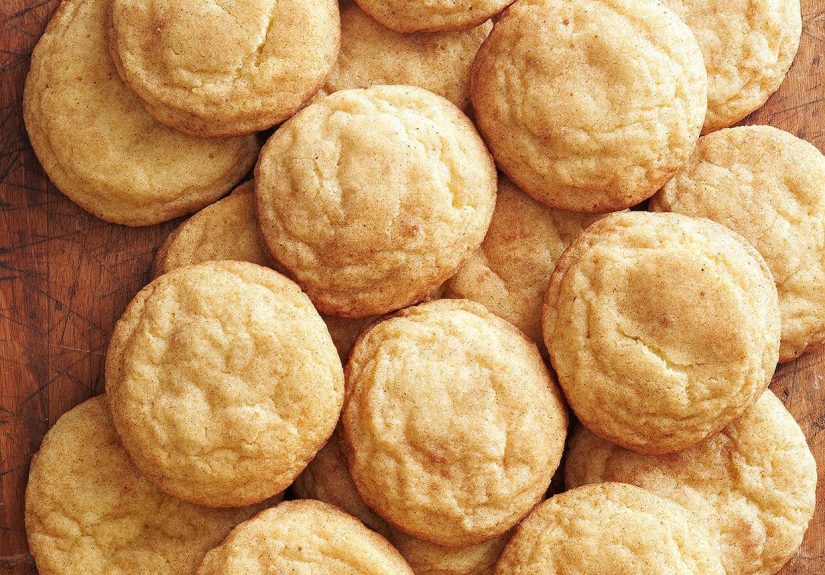
Snickerdoodles are the kind of cookie that walks into a kitchen wearing cinnamon perfume and immediately becomes everyone’s favorite guest. They look simplesoft, round, crackly, rolled in cinnamon sugarbut one bite tells you they are not ordinary sugar cookies trying on a spice costume. A proper snickerdoodle has a tender middle, lightly crisp edges, a warm cinnamon coating, and that unmistakable little tang that makes you pause and think, “Wait, why is this cookie so charming?”
The answer is partly nostalgia and partly baking science. Snickerdoodles are beloved across American kitchens because they are easy enough for beginners, cozy enough for holidays, and flavorful enough to disappear from a cooling rack before anyone admits responsibility. Their signature ingredient, cream of tartar, gives the cookie its slight tang and helps create the soft, chewy texture that separates snickerdoodles from regular cinnamon sugar cookies.
In this guide, we will explore what snickerdoodles are, why they taste so good, how to make them beautifully soft, the common mistakes that ruin them, and the little tricks that turn a good batch into a “hide two for yourself before serving” batch.
What Are Snickerdoodles?
Snickerdoodles are soft, cinnamon-sugar-coated cookies traditionally made with butter, sugar, eggs, flour, baking soda, cream of tartar, salt, and a generous roll through cinnamon sugar before baking. They are famous for their crinkly tops, gentle tang, and chewy texture.
At first glance, a snickerdoodle may look like a sugar cookie that took a cinnamon bath. But the difference is deeper than the coating. Classic snickerdoodles use cream of tartar, an acidic baking ingredient that reacts with baking soda. This reaction helps the cookies rise and fall in a way that creates their soft interior and crackled surface. It also adds that subtle tangy flavor that makes the cookie taste brighter and less one-note sweet.
A Brief History of Snickerdoodles
The exact origin of snickerdoodles is a little mysterious, which honestly fits a cookie with such a silly name. Some food historians connect the name to German or Dutch baking traditions, while others suggest it may have come from the playful naming style common in New England. Either way, snickerdoodles became part of American home baking and have remained a cookie-jar classic for generations.
One reason they lasted so long is that they are practical. The ingredients are simple, the dough is forgiving, and the flavor feels festive without requiring frosting, sprinkles, or a kitchen renovation. Snickerdoodles are especially popular during fall and winter because cinnamon makes everything feel like someone turned on a fireplace, even if you are standing next to a dishwasher.
Why Cream of Tartar Matters
Ask ten serious bakers what makes a snickerdoodle a snickerdoodle, and at least nine will point dramatically toward cream of tartar. The tenth is probably eating cookie dough and cannot answer.
Cream of tartar is a dry acid. In snickerdoodles, it teams up with baking soda to create lift. But it does more than puff the cookies. It helps produce a tender chew, supports that familiar cracked top, and adds a lightly tangy flavor that balances the sweetness of the cinnamon sugar coating.
Can You Make Snickerdoodles Without Cream of Tartar?
You can make cinnamon sugar cookies without cream of tartar, but they will not taste exactly like classic snickerdoodles. Some recipes use baking powder as a substitute because baking powder already contains an acid and a base. Others use a little lemon juice or vinegar with baking soda. These swaps can work in a pinch, but the flavor and texture may be slightly different.
If you want the classic snickerdoodle experience, use cream of tartar. It is inexpensive, shelf-stable, and usually found in the spice or baking aisle. Think of it as the quiet hero of the cookie world: not flashy, not famous, but absolutely doing the work.
The Ideal Snickerdoodle Texture
A great snickerdoodle should be soft but not cakey, chewy but not dense, and sweet but not flat. The edges should be lightly set, while the center stays tender. The cinnamon sugar should cling to the outside and create a slightly sandy, sparkly coating.
The best snickerdoodles usually have these qualities:
- A soft, chewy center
- Lightly crisp edges
- A visible crackled top
- A balanced cinnamon sugar coating
- A subtle tang from cream of tartar
- A buttery, warm, cozy flavor
If your snickerdoodles come out flat, dry, hard, or bland, do not panic. Cookies are edible troubleshooting reports. The next sections will help you fix the most common problems.
Classic Snickerdoodle Ingredients
Butter
Butter gives snickerdoodles richness and flavor. Use softened butter, not melted butter, unless the recipe specifically calls for it. Butter that is too warm can cause the cookies to spread too much, turning your soft cookie dreams into cinnamon-sugar pancakes.
Granulated Sugar
Classic snickerdoodles usually rely on granulated sugar for sweetness and structure. It helps create the clean, classic flavor that lets the cinnamon shine.
Eggs
Eggs bind the dough and add moisture. Room-temperature eggs mix more smoothly into the butter and sugar, helping create a better dough texture.
All-Purpose Flour
All-purpose flour gives the cookies structure. Too much flour can make snickerdoodles dry and thick, so measure carefully. For best results, spoon flour into the measuring cup and level it off instead of scooping directly from the bag.
Cream of Tartar and Baking Soda
This is the classic leavening duo. Together, they help the cookies rise, spread, and crackle while giving snickerdoodles their signature tang.
Cinnamon Sugar
The coating is simple but essential. A common ratio is about three parts sugar to one part cinnamon, though you can adjust it depending on how bold you want the cinnamon flavor to be.
How to Make Snickerdoodles Step by Step
Step 1: Cream the Butter and Sugar
Beat softened butter and sugar until the mixture looks light and fluffy. This step adds air to the dough, which helps the cookies bake with a better texture. Do not rush it. Give the butter and sugar a minute to become friends.
Step 2: Add Eggs and Vanilla
Mix in the eggs one at a time, then add vanilla extract. Vanilla is not always the loudest flavor in snickerdoodles, but it rounds everything out and makes the cookie taste fuller.
Step 3: Mix the Dry Ingredients
In a separate bowl, whisk together flour, cream of tartar, baking soda, and salt. This helps distribute the leavening evenly so one cookie does not rise like a mountain while another sits there like a pancake with regrets.
Step 4: Combine Wet and Dry Ingredients
Add the dry ingredients to the butter mixture and mix just until combined. Overmixing can develop too much gluten, making the cookies tougher than they should be.
Step 5: Roll the Dough
Scoop the dough into balls, then roll each one in cinnamon sugar. For extra flavor and sparkle, roll them twice. The second roll gives the coating more personality, and cookies deserve personality.
Step 6: Bake Until Just Set
Bake snickerdoodles until the edges are set and the centers still look slightly soft. They will continue to firm up as they cool. Pulling them out at the right moment is the secret to soft snickerdoodles.
Common Snickerdoodle Mistakes
Using Melted or Overly Soft Butter
Butter that is too warm can make the dough spread too quickly. Softened butter should hold its shape but give slightly when pressed. If your kitchen is warm, chill the dough briefly before baking.
Overbaking the Cookies
Snickerdoodles can go from soft to dry quickly. Remove them from the oven when the centers still look a little underdone. The residual heat will finish the job.
Skipping Cream of Tartar
Skipping cream of tartar changes both flavor and texture. The cookies may still taste good, but they will be closer to cinnamon sugar cookies than traditional snickerdoodles.
Adding Too Much Flour
Too much flour makes cookies dry and puffy. If you do not have a kitchen scale, use the spoon-and-level method for measuring flour.
Not Using Enough Cinnamon Sugar
The coating is not decoration; it is part of the cookie’s identity. Be generous. A shy cinnamon sugar roll is a missed opportunity.
Tips for Soft and Chewy Snickerdoodles
For softer snickerdoodles, avoid overbaking, measure flour accurately, and make sure your dough is not too dry. Chilling the dough for 20 to 30 minutes can help if the dough feels sticky or if your cookies are spreading too much. However, some recipes are designed to bake without chilling, so follow the texture of the dough as much as the clock.
Another useful trick is to gently press the dough balls before baking if you want a slightly wider cookie. If you prefer thicker cookies, leave the dough balls rounded and chill them first. Either way, space them well on the baking sheet so they have room to spread without merging into one giant cookie continent.
Flavor Variations
Brown Butter Snickerdoodles
Brown butter adds a nutty, caramel-like flavor that makes snickerdoodles taste deeper and more sophisticated. It is perfect for bakers who want a classic cookie with a bakery-style twist.
Pumpkin Spice Snickerdoodles
Replace part of the cinnamon with pumpkin pie spice for a fall version. This variation works beautifully for Thanksgiving dessert trays or cozy weekend baking.
Chai Snickerdoodles
Add cardamom, ginger, cloves, and a little black pepper to the cinnamon sugar coating. The result is warm, fragrant, and slightly dramaticin the best way.
Stuffed Snickerdoodles
For a richer dessert, wrap the dough around a small piece of caramel or a spoonful of cream cheese filling. Just make sure the filling is sealed inside so it does not escape during baking like a tiny dessert criminal.
How to Store Snickerdoodles
Store snickerdoodles in an airtight container at room temperature for several days. To help keep them soft, place a small piece of bread in the container. The cookies absorb a little moisture from the bread, staying tender longer.
You can also freeze snickerdoodles. Baked cookies freeze well in a sealed container or freezer bag. Dough balls can be frozen before baking, too. For best results, freeze the dough balls plain, then roll them in cinnamon sugar just before baking. Add a minute or two to the bake time if baking from frozen.
What to Serve With Snickerdoodles
Snickerdoodles pair beautifully with milk, coffee, hot chocolate, chai, and vanilla ice cream. They also make excellent cookie sandwich bases. Add a layer of vanilla buttercream, cinnamon cream cheese frosting, or dulce de leche between two cookies, and suddenly your humble snickerdoodle has entered dessert royalty.
For a party tray, serve snickerdoodles with chocolate chip cookies, peanut butter cookies, and shortbread. Their cinnamon flavor adds warmth and variety without competing too aggressively with other desserts.
Experience Notes: Baking Snickerdoodles in Real Life
Snickerdoodles are one of those recipes that teach you how much small details matter. The first time many people bake them, they expect a basic cookie. Flour, butter, sugar, cinnamonwhat could possibly be complicated? Then the cookies come out too flat, too puffy, too pale, or mysteriously missing that “snickerdoodle magic.” The good news is that every batch teaches you something useful.
One of the biggest lessons is butter temperature. Softened butter sounds simple, but it is a tiny baking drama. If the butter is too cold, it will not cream properly with the sugar. If it is too warm, the dough becomes greasy and the cookies spread too much. The sweet spot is butter that dents when pressed but does not collapse. Once you recognize that texture, your cookies improve immediately.
Another experience-based tip is to trust the center of the cookie. Many beginner bakers leave snickerdoodles in the oven until the whole cookie looks fully baked. That usually means they are already overbaked. The best snickerdoodles often look slightly soft in the center when they come out. After a few minutes on the hot baking sheet, they settle into that tender, chewy texture everyone wants.
The cinnamon sugar coating also deserves attention. A light roll is fine, but a generous roll creates a better crust and stronger flavor. Some bakers even roll the dough balls once, let them sit for a minute, and roll them again. This double coating gives the cookies a more dramatic crackle and a bigger cinnamon aroma when they bake. Your kitchen will smell like a bakery that gives excellent hugs.
Snickerdoodles are also forgiving enough for family baking. Kids can help roll dough balls in cinnamon sugar, though you may need to accept that the counter will look like a cinnamon snowstorm. They are great for holiday cookie boxes because they travel well and stay soft when stored properly. They also stand out because not every cookie needs chocolate to be memorable.
One underrated joy of snickerdoodles is how personal they become. Some people love them thick and pillowy. Others want them flatter with crisp edges. Some prefer a bold cinnamon coating, while others like just enough spice to warm the cookie without overpowering it. Once you understand the basic formula, you can adjust the details to match your perfect version.
In the end, baking snickerdoodles feels less like chasing perfection and more like building cookie confidence. The ingredients are simple, the method is approachable, and the reward is immediate. A tray of warm snickerdoodles has a way of making people wander into the kitchen “just to check something.” That something, of course, is whether the cookies are cool enough to eat. Spoiler: they will decide yes.
Conclusion
Snickerdoodles prove that a cookie does not need fancy toppings or complicated techniques to become unforgettable. With butter, cinnamon sugar, cream of tartar, and a little baking patience, you get a soft, chewy cookie with a crackly top and a cozy flavor that feels welcome in every season.
The secret is respecting the basics: use cream of tartar for the classic tang, measure flour carefully, avoid overbaking, and roll the dough generously in cinnamon sugar. Whether you make traditional snickerdoodles, brown butter snickerdoodles, chai-spiced snickerdoodles, or stuffed snickerdoodles, the heart of the cookie stays the samesimple, warm, nostalgic, and dangerously easy to eat.
SEO Tags
Note: This article is written for web publication and synthesizes widely accepted U.S. baking knowledge about classic snickerdoodles, cream of tartar, cinnamon sugar coating, storage, texture, and recipe troubleshooting.