
Table of Contents >> Show >> Hide
- Why This Forgotten Garlic Story Hits So Hard
- This Wasn’t a Miracle Clove Sleeping for 40 Years
- What Gardeners Can Learn from the Resurrection of a Family Garlic Line
- Heirloom Garlic Is About More Than Nostalgia
- How to Preserve a Special Garlic Variety in Your Own Garden
- The Bigger Meaning: Food Memory Is Real
- Experiences That Make This Story Feel So Universally True
- Conclusion
Note: This article is written as original editorial content in standard American English and is based on reported events and real gardening guidance.
Most family heirlooms fit neatly into a box. A watch. A quilt. A photo album with at least one haircut everyone regrets. But in this story, the heirloom came with papery skin, a punchy aroma, and enough emotional weight to make a slice of French bread feel like a time machine.
A son recently revived a long-lost strain of garlic that his father once grew in the family’s childhood garden. The father had planted and tended that beloved garlic for years before the family moved away in the early 1990s. Like so many treasured garden things, it was left behind when life got busy, addresses changed, and decades rolled on. But the flavor was never forgotten. For years, whenever father and son sampled newer garlic harvests, the older man would compare them to the one that got away. It wasn’t nostalgia for nostalgia’s sake. It was taste memory doing what taste memory does best: refusing to retire quietly.
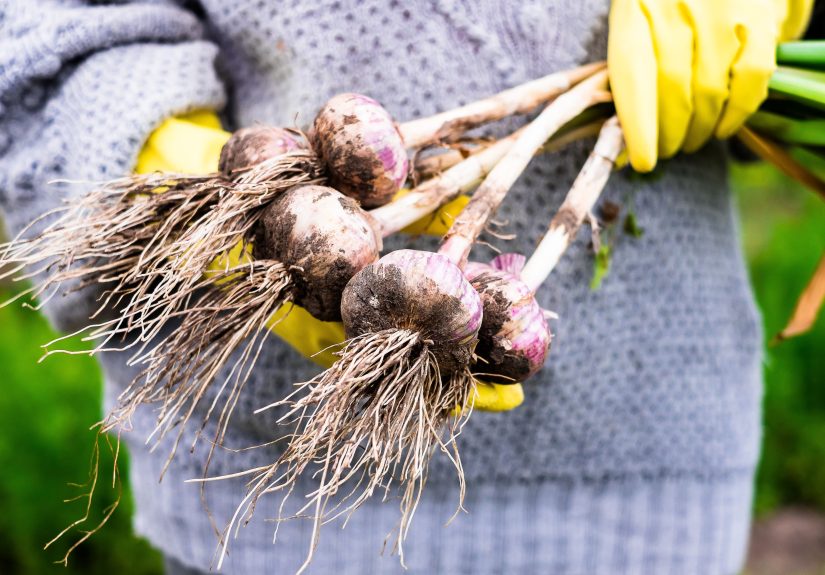
Then came the kind of moment gardeners live for and novelists would probably reject as too perfect. While passing through his old hometown, the son visited the family’s former property, wandered toward the overgrown area where the garden once stood, and spotted remnants of the original garlic growing among blackberries and ivy. He dug up a surviving bulb, brought it home, replanted a few small cloves, and over two seasons built that forgotten family garlic back into a living crop. When he finally served it to his 86-year-old father, the older man immediately recognized the sharp, pungent flavor and declared, in essence, that this was what garlic was supposed to taste like.
That is a wonderful gardening story on its face. But it is also more than that. It is a story about heirloom food, the stubborn intelligence of plants, and the way a backyard crop can preserve family history better than a shoebox in the closet. It also offers a surprisingly useful lesson for home gardeners: if you want to preserve flavor, memory, and a little bit of your family’s growing history, garlic is one of the best places to start.
Why This Forgotten Garlic Story Hits So Hard
The emotional power of this story comes from something every gardener and cook understands instinctively: flavor is personal. We often talk about garlic as if it is one generic thing, but growers know better. Some varieties are hot and fiery. Some are rich and complex. Some are mellow enough to charm a vampire into reconsidering his career choices. Regional climate, soil, storage, and variety all change the eating experience.
That is why the father’s reaction matters so much. He was not just tasting garlic. He was tasting a specific garlic line he had grown for years, a garlic with a familiar sharpness and character that apparently outshone every replacement the family tried afterward. In a culture obsessed with new hybrids, limited editions, and shiny labels, this story is a reminder that what many people want most is not novelty. It is recognition.
Gardeners have known for generations that certain crops become attached to a place and a family. A tomato saved from grandmother’s patch. A bean carried from one state to another in a coat pocket. A fig cutting rooted from an old home before the house was sold. Garlic fits beautifully into this tradition because it is propagated vegetatively. That means growers replant cloves rather than relying on true seed in most home-garden situations. The offspring is directly tied to the parent stock, which makes garlic especially well suited for preserving a family line over time.
This Wasn’t a Miracle Clove Sleeping for 40 Years
Let’s clear up one romantic misconception before it starts wearing a cape. The revived garlic was not a single clove lying dormant in the soil for four decades like some kind of underground wizard. What makes the story believable and botanically sensible is that the garlic appears to have persisted in the old garden area, continuing to regrow over time even as the site became overgrown and neglected.
Garlic is remarkably resilient when planted in suitable conditions. It is typically planted in the fall, develops roots before winter deepens, and then surges back in spring. Hardneck garlic in particular does well in colder climates and is prized by many growers for its stronger, more distinctive flavor. If a patch is left in place and conditions are decent enough, some plants can continue returning, especially when no one has thoroughly disturbed the ground. In other words, this was not suspended animation. It was survival.
And survival matters in gardening. Plants that persist under imperfect conditions often become part of a larger family story. They are not just crops anymore. They are witnesses.
What Gardeners Can Learn from the Resurrection of a Family Garlic Line
1. Garlic rewards patience more than drama
The son did not dig up one bulb and immediately end up with a cinematic mountain of garlic fit for a magazine cover. He started small. He replanted a few tiny cloves, harvested a handful of modest heads the next summer, and expanded the line from there. That is exactly how garlic behaves. It is less about instant gratification and more about quiet multiplication.
If you are preserving a special garlic strain, this patient approach is essential. The smartest move is to keep selecting your best bulbs, save the healthiest and largest cloves for replanting, and let the line strengthen over time. Home gardeners sometimes eat the prettiest bulbs and replant the leftovers, which is a charmingly efficient way to breed disappointment. Garlic improvement works better when you reverse that logic.
2. Bigger cloves usually lead to bigger bulbs
One of the most consistent lessons from university extension guidance is simple: large cloves tend to produce larger bulbs. That matters if you are rebuilding a family garlic line from a tiny remnant. Early harvests may be small, but careful replanting of the best stock can gradually restore vigor and size. This is part science, part discipline, and part resisting the urge to roast your best planting stock in butter.
3. Fall planting gives garlic its best shot
Across much of the United States, garlic is planted in the fall rather than spring. The reason is not tradition for tradition’s sake. Garlic benefits from a cold period, then uses the following spring’s growing conditions to build leaves and bulbs. Spring-planted garlic can grow, but it often produces smaller bulbs because it misses the long, cool runway that fall planting provides. If you want a family strain to thrive, timing is not a footnote. It is part of the inheritance plan.
4. Hardneck garlic often brings the flavor fireworks
While softneck garlic usually stores longer and dominates grocery stores, hardneck garlic is often favored in colder regions for its winter hardiness and stronger, more distinctive flavor. It also produces scapes, those curling flower stalks that show up in late spring and early summer. Gardeners frequently remove them so the plant can direct more energy into bulb formation. As a bonus, the scapes are edible and delicious, which means garlic gives you both a crop and an appetizer.
If the father’s beloved garlic had that rich, pungent profile the son remembered, it is easy to understand why no standard supermarket substitute quite satisfied him. Many gardeners who grow hardneck types say the flavor is more complex and memorable. Some varieties commonly recommended in colder climates, such as Music or Chesnok Red, have developed loyal followings for exactly that reason.
Heirloom Garlic Is About More Than Nostalgia
The phrase heirloom garlic sounds charming, but it also points to a serious idea: preserving plant diversity through human care. Seed-saving organizations and horticulture educators have long emphasized the value of older and regionally adapted varieties. In an age when commercial seed and produce systems often favor uniformity, transportability, and shelf life, heirloom crops preserve different traits, especially flavor.
Garlic is especially interesting because it is usually maintained through cloves instead of true seed. That makes it a practical crop for families who want to keep a line going year after year. Each replanting becomes a quiet act of selection. Gardeners naturally choose the healthiest, best-shaped bulbs. Over time, that process can reinforce traits suited to a particular climate, soil, and taste preference. It is not formal breeding in a lab coat. It is hands-on stewardship with dirt under its fingernails.
That is why this father-and-son garlic story resonates so widely. The son did not just recover a flavor. He recovered a living genetic thread connected to his father’s habits, standards, and memory. He turned a neglected patch into a family archive.
How to Preserve a Special Garlic Variety in Your Own Garden
If this story has you eyeing your own garden like it might contain the next great family legend, here is the practical takeaway.
Start with clean, healthy stock
Whether you are reviving an old family garlic or starting a future heirloom from scratch, the healthiest bulbs matter most. Disease-free planting stock gives you the best chance at success. Garlic can suffer from bulb mites, fungal issues, and rot if grown repeatedly in poor conditions or stored carelessly.
Choose the best bulbs for replanting
At harvest time, set aside your largest, healthiest, best-formed bulbs for the next season. This is one of the simplest and most powerful habits in garlic growing. Eat the seconds. Replant the stars. Your pasta may disagree, but your future self will thank you.
Plant in good soil and give it room
Garlic likes full sun, well-drained soil, and decent organic matter. Compacted or soggy soil is a fast route to ugly bulbs and slow heartbreak. Separate the cloves shortly before planting, keep the wrappers intact, plant them point-up, and give them enough spacing to develop properly. Crowded garlic behaves a lot like crowded humans at the airport: nobody reaches their full potential.
Mulch, weed, and do not ignore the scapes
Mulch helps moderate temperature swings and suppress weeds. Weeds matter because garlic is not especially competitive early on. If you grow hardneck types, watch for scapes in late spring. Remove them while young if your goal is larger bulbs. Then reward yourself by cooking them. Gardening should occasionally taste like victory.
Cure and store garlic carefully
Freshly harvested garlic is not ready for long-term storage the minute it leaves the soil. It needs curing in a warm, dry, airy place with good ventilation. Once cured, trim the tops and roots and store the bulbs in a cool, dry, well-ventilated space. Storage conditions matter because poor storage can trigger shriveling, sprouting, or disease. If you are saving bulbs for planting stock, careful handling is not optional. It is the difference between continuity and a sad story with no sequel.
The Bigger Meaning: Food Memory Is Real
One reason this story spread so widely is that nearly everyone has some version of it. Maybe not garlic specifically, but something. A peach from a grandparent’s tree. Corn from a county-fair garden. A bean stew that somehow tasted better when made from produce grown in one exact backyard. Food memories are rarely neat. They are sensory, stubborn, and often hilariously specific. We may forget a recipe measurement but remember the smell of crushed garlic on summer fingers forty years later.
That is what makes gardening so powerful. It is not just productive. It is mnemonic. Plants store memory in repetition: plant, tend, harvest, save, replant. A family garlic line can carry habits, flavor preferences, climate adaptations, and stories across generations. In that sense, the son did not merely grow food. He restored a conversation between past and present.
Experiences That Make This Story Feel So Universally True
Anyone who has gardened with a parent, grandparent, or neighbor will recognize the emotional texture of this garlic story, even if their family crop was tomatoes, beans, or a mystery pepper that removed eyebrows at twenty paces. The experience usually starts small. As kids, we do not always notice that we are being handed traditions. We think we are just helping dig holes, strip leaves, or hold a coffee can full of cloves while somebody older explains, for the tenth time, which end goes up. Only years later do we realize those moments were less about chores and more about apprenticeship.
There is also something deeply familiar about the way old gardeners talk about flavor. They are not usually flashy about it. They will not announce that a particular garlic has “a layered aromatic profile with assertive mid-palate heat.” They will simply taste something, pause, and say, “Nope. Not the same.” And somehow that short sentence contains a lifetime of comparison. Soil, weather, timing, storage, variety, and memory all get folded into one unimpressed verdict.
Then there is the strange magic of revisiting an old property. Childhood places never behave politely. They shrink, tilt, fade, and then suddenly ambush you with one detail that remains exactly as it was. In this case, it was not the house or the fence line that carried the emotional charge. It was a few stubborn garlic plants pushing up where a garden used to be. That feels true to gardening life. Plants often outlast our plans for them. They endure divorces, relocations, bad landscaping decisions, and decades of neglect. They wait. Quietly. Smelling only slightly of revenge.
The rebuilding process is familiar, too. Real gardening redemption is almost never dramatic. It looks like five tiny cloves, cautious optimism, modest first results, and then another season of work. It looks like curing bulbs in a garage, labeling planting stock, and resisting the temptation to eat the best specimens. It looks like choosing patience over spectacle. That is why the story lands so well: it honors the humble, repetitive labor that makes meaningful harvests possible.
And finally, there is the moment everyone understands, whether they grow food or not: serving someone a taste of their own past and watching them recognize it instantly. That is what elevates this from a nice gardening anecdote to a genuinely moving family story. The son did not give his father a novelty. He gave him proof that something he loved had not vanished after all. In a world that loses things constantlyvarieties, family homes, old recipes, old habitsthat feels almost radical.
So yes, this is a story about garlic. But it is also about devotion, selection, memory, and the persistence of living things. It suggests that a garden is not merely a place where food is produced. It is where identity gets rehearsed season after season. Sometimes the harvest is dinner. Sometimes it is closure. And sometimes, if you are very lucky, it is both served with garlic butter and a grin.
Conclusion
The story of a son resurrecting his father’s forgotten garlic from a childhood garden 40 years later is heartwarming because it combines everything people love about gardening: patience, surprise, resilience, and flavor that means something. But it also teaches a real lesson. Garlic is more than a pantry staple. It can be a living heirloom, a locally adapted crop, and a family tradition you can replant one clove at a time.
For gardeners, the message is simple. Save the best bulbs. Respect the growing cycle. Treat flavor like something worth preserving. Because sometimes the most valuable thing in the garden is not the biggest harvest. It is the taste that brings someone home.






 Close
Close