
Table of Contents >> Show >> Hide
Planning a room layout sounds simple until the sofa arrives, the coffee table turns into a shin-barking obstacle, and the “cozy reading corner” becomes a decorative chair where laundry goes to retire. That is where space planning saves the day. It is the quiet design superpower that makes a room look good, feel comfortable, and actually work for real life.
At its core, space planning is the process of deciding how people will move through, use, and enjoy a room before furniture gets dragged across the floor for the seventh time. It considers scale, traffic flow, focal points, lighting, storage, function, and proportion. In other words, it is less about making a room look like a magazine spread and more about making sure you can walk from the doorway to the sofa without performing a living-room obstacle course.
This guide breaks down Space Planning 101 into five practical ways to plan a room layout. Whether you are arranging a small apartment living room, refreshing a bedroom, designing an open-concept space, or trying to make a multipurpose room behave like a civilized member of the household, these steps will help you create a layout that feels balanced, functional, and beautifully intentional.
What Is Space Planning?
Space planning is the design method used to organize a room based on how it will be used. Instead of starting with paint colors or throw pillows, you begin with the bones of the space: the room dimensions, doors, windows, built-ins, outlets, pathways, and major furniture pieces. Once those are understood, the decorative layers come in with much less drama.
A well-planned room layout answers several important questions. Where will people sit? How will they enter and exit? What is the main activity in the room? Is there enough space to move comfortably? Does the furniture fit the scale of the room? Can drawers and cabinet doors open fully? Is the lighting useful, or is everyone relying on one heroic ceiling fixture that makes the room feel like a dentist’s office?
The best room layouts do not happen by accident. They happen because someone took the time to measure, test, edit, and think about daily routines. The reward is a room that feels effortless, which is usually a sign that a lot of smart planning happened behind the scenes.
Why Room Layout Matters More Than You Think
A room layout affects comfort, conversation, safety, cleaning, storage, and even mood. A beautiful sofa in the wrong place can make a room feel cramped. A tiny rug under large furniture can make everything look like it is floating nervously. A bed placed without considering door swings can turn a peaceful bedroom into a nightly furniture negotiation.
Good space planning also helps prevent expensive mistakes. It is much easier to discover that a sectional is too large on graph paper than after it has been delivered, unwrapped, and wedged in your doorway like a very expensive cork. Planning first allows you to choose furniture with confidence and create a room that supports your lifestyle rather than fighting it.
Five Ways To Plan A Room Layout
1. Measure the Room Before You Move Anything
The first rule of room layout planning is simple: measure first, shop later. Dreams are lovely, but tape measures are brutally honest. Measure the length and width of the room, ceiling height, window placement, door openings, built-ins, radiators, fireplaces, outlets, vents, and any architectural feature that cannot move.
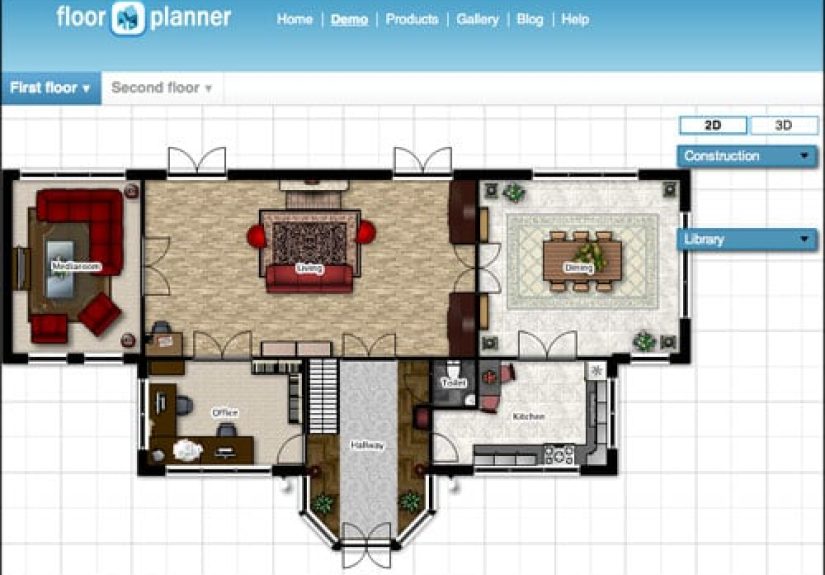
Once you have the measurements, create a simple floor plan. You can use graph paper, painter’s tape on the floor, a digital floor planner, or a design app. The goal is not to create a museum-quality architectural drawing. The goal is to understand the usable space before you start making decisions.
Mark the direction of door swings, because that space is not truly available for furniture. Measure windows from the floor and wall corners so you know whether a sofa, desk, or console will block natural light. Note outlet locations if you plan to place lamps, a media console, or a home office station. A layout that ignores outlets usually ends with extension cords snaking across the floor like suburban vines.
For example, in a 12-by-15-foot living room, you may discover that the longest wall is ideal for a sofa, but a nearby doorway limits the sofa length. In a bedroom, measuring may reveal that a king bed technically fits, but leaves so little walking space that getting dressed becomes a sideways shuffle. Measurements turn vague ideas into practical choices.
2. Define the Room’s Main Purpose
Every successful room layout starts with a clear purpose. A room can be beautiful and still fail if it does not support the way people actually live. Before placing furniture, ask what the room needs to do most often.
A living room may need to support TV watching, conversation, reading, gaming, entertaining, or all of the above. A dining room might double as a homework zone. A guest room may also function as a home office. A bedroom may need a quiet corner for dressing, storage, or late-night reading. Once you define the main purpose, the layout becomes easier to prioritize.
If conversation is the goal, arrange seating so people face one another rather than lining every chair up like a waiting room. If TV viewing is the priority, place the main seating at a comfortable angle and distance from the screen. If the room is used by children, pets, or frequent guests, choose open pathways and durable furniture placement over delicate perfection.
For multipurpose rooms, create zones. Use rugs, lighting, bookcases, consoles, or furniture placement to separate activities visually. In an open-concept living and dining area, a sofa can define the living zone while a rug anchors the dining table. In a home office guest room, a sleeper sofa and slim desk can make the space flexible without making it feel like a storage unit with ambition.
3. Plan Traffic Flow Like a Designer
Traffic flow is the invisible path people take through a room. When it works, nobody notices. When it fails, everyone bumps into furniture and silently judges the ottoman.
Leave enough clearance for people to move naturally between doors, seating areas, tables, and storage pieces. In many residential layouts, allowing about 30 inches or more for main walkways is a useful starting point. Accessibility standards often call for wider clear routes in public and accessible spaces, and while private homes may not always be required to follow those standards, the principle is valuable: wider, clearer pathways make rooms easier and safer for everyone.
Avoid forcing traffic through the middle of a conversation area. If people have to cut between the sofa and coffee table every time they enter the room, the layout will feel interrupted. Instead, guide movement around seating zones whenever possible. In open-plan homes, avoid placing furniture in a way that blocks natural routes between the kitchen, dining area, entry, and living space.
Also consider how furniture functions when used. Dining chairs need room to pull out. Recliners need space to open. Drawers and cabinet doors need clearance. A coffee table should be close enough to use but not so close that knees file a complaint. A smart room layout accounts for furniture in motion, not just furniture posing politely for a photo.
4. Choose a Focal Point and Build Around It
A focal point gives the room visual direction. Without one, furniture can feel randomly scattered, like it all showed up separately and refused to mingle. Common focal points include a fireplace, window view, TV, large artwork, built-in shelving, statement bed, dining table, or architectural feature.
Once you identify the focal point, arrange the main furniture to support it. In a living room with a fireplace, seating can face or frame the hearth. In a room with a beautiful view, avoid blocking the window with tall furniture. In a bedroom, the bed is usually the natural focal point, so place it where it feels grounded and balanced, ideally with room to move on both sides when space allows.
Sometimes a room has competing focal points, such as a fireplace and a TV on different walls. In that case, the best layout may angle seating slightly, use swivel chairs, or create two smaller zones. The goal is not to obey one rigid rule. The goal is to make the room feel intentional.
Scale matters here. A large sectional facing a tiny wall-mounted TV may feel visually awkward. A small loveseat floating in a large room may look lonely, like it is waiting for backup. Match the size of your anchor pieces to the room and the focal point. In smaller spaces, furniture with exposed legs, lower arms, rounded shapes, and multifunctional features can help the room feel lighter.
5. Test the Layout Before Committing
Even professional designers test layouts. The first idea is not always the best idea; it is often just the idea that shouted the loudest. Before buying or moving heavy furniture, test your plan.
Use painter’s tape to mark furniture dimensions on the floor. This simple trick shows whether a sofa, table, bed, or desk will fit comfortably. Walk through the taped layout as if you live there. Can you move easily? Can you reach the window? Can you open the closet? Does the room feel open or crowded?
If you already own the furniture, try more than one arrangement. Take photos from different corners of the room. Photos help you see scale, balance, and awkward gaps more objectively. A layout that feels fine while standing in the room may look cluttered in a photo, and a layout that looks strange at first may reveal better flow after a day or two of use.
Testing also helps with lighting. A reading chair may look perfect in one corner until you realize there is no outlet nearby. A desk may fit under a window but create screen glare all afternoon. A dining table may look centered but block the route to the kitchen. The best layout is not just the one that fits; it is the one that works when real life starts moving through it.
Room-by-Room Space Planning Tips
Living Room Layout Tips
In the living room, start with the largest seating piece, usually the sofa or sectional. Place it in relation to the focal point, then add chairs, tables, lighting, and storage. Try to create a layout that supports both comfort and conversation. Pulling furniture slightly away from the walls can make a room feel more intimate, even in smaller spaces.
Use a rug large enough to connect the seating area. Ideally, at least the front legs of major seating pieces should sit on the rug. A rug that is too small can make the room feel disconnected. Think of the rug as the island and the furniture as guests who should actually be invited onto it.
Bedroom Layout Tips
In a bedroom, the bed usually comes first. Place it on the wall that gives the room the best sense of balance and allows comfortable circulation. Leave space for nightstands if possible, and avoid blocking closet doors, windows, or heating and cooling vents.
If the room is small, consider furniture that works harder: storage beds, wall-mounted shelves, narrow nightstands, or dressers that double as media stands. Keep the walking path simple. A peaceful bedroom should not require strategic navigation before coffee.
Dining Room Layout Tips
Dining rooms need clearance around the table so chairs can slide in and out comfortably. Round tables often work well in compact rooms because they soften corners and improve flow. Rectangular tables are excellent for longer rooms and larger gatherings.
Make sure lighting is centered over the table, not necessarily the room. If the table placement changes, the chandelier may need adjustment. A dining light floating in the wrong place is one of those tiny details that makes a room feel slightly confused.
Home Office Layout Tips
For a home office, prioritize focus, lighting, storage, and ergonomics. Place the desk where you have enough surface area and comfortable access to outlets. Avoid screen glare from windows, and include task lighting for evening work.
If the office shares space with another room, define the work zone with a rug, bookcase, wall shelf, or compact desk. Good space planning helps work stay in its lane instead of spreading across the home like paperwork confetti.
Common Room Layout Mistakes To Avoid
One common mistake is buying furniture that is too large for the room. Oversized pieces may look luxurious in a showroom, but showrooms are designed to make everything look possible. Your living room has walls, doorways, and opinions.
Another mistake is pushing every piece of furniture against the walls. While this can work in some small or narrow spaces, it often creates an empty center and weak conversation area. Floating furniture, even slightly, can improve intimacy and balance.
Ignoring lighting is another layout problem. A room needs layers of light: ambient lighting, task lighting, and accent lighting. If all the light comes from overhead, the room can feel flat. Add floor lamps, table lamps, sconces, or picture lights where they support the layout.
Finally, avoid overcrowding. Negative space is not wasted space. It gives the room breathing room and helps important pieces stand out. A well-edited room often feels more expensive, more comfortable, and easier to maintain.
Real-Life Experiences: What Space Planning Teaches You Over Time
One of the biggest lessons from planning room layouts is that the “perfect” arrangement on paper is only a starting point. Real life always gets a vote. A sofa may be technically centered, but if everyone naturally sits on the far end to see the TV, the layout needs adjusting. A reading chair may look charming by the window, but if nobody reads there because the afternoon sun turns it into a toaster, the chair is decoration, not design.
In small apartments, space planning often becomes a lesson in honesty. You may love the idea of a large sectional, two accent chairs, a coffee table, side tables, a media console, and a dramatic floor lamp. The room, however, may only agree to three of those things. This is where editing becomes powerful. A smaller sofa with one swivel chair and a nesting table may create a better room than a giant sectional that eats every walkway for breakfast.
In family homes, room layouts must handle movement, mess, and multiple personalities. The best plan may not be the most symmetrical one. It may be the one that gives kids a clear path to the toy basket, lets adults talk without shouting across the room, and keeps the dog from claiming the only sunny spot directly in front of the door. A practical layout still looks beautiful, but it also understands that homes are lived in by humans, not catalog models with unusually clean socks.
Open-concept spaces teach another important lesson: zones matter. Without visual boundaries, one large room can feel like a furniture showroom. A rug under the sofa, pendant lighting over the dining table, and a console behind the seating area can quietly tell the eye where one activity ends and another begins. These cues make open rooms feel organized without needing walls.
Bedrooms reveal how much comfort depends on clearance. A bed squeezed into a corner may save space, but it can make daily routines awkward. Nightstands that are too wide may crowd the room, while tiny ones may provide no useful storage. The best bedroom layout supports rest first and styling second. Once movement feels easy, the room immediately feels calmer.
Another real-world discovery is that furniture height affects how spacious a room feels. Low-profile sofas, open-leg chairs, glass tables, and wall-mounted storage can make a compact room feel lighter. Heavy, blocky pieces can work beautifully, but too many of them in one small room may make the space feel visually tired. Balance is the secret sauce.
Lighting also changes how a layout performs. A corner that feels unused during the day may become the best reading spot with a floor lamp. A dining area may feel warmer with a dimmable fixture. A home office may become more productive with task lighting and less screen glare. In many rooms, the layout is not truly finished until the lighting supports each zone.
The most useful experience of all is learning to live with a layout before declaring it done. Try it for a few days. Notice where people place drinks, where bags land, where traffic jams happen, and which seats everyone chooses. Those small habits reveal what the room actually needs. Space planning is not about forcing a room to obey a design fantasy. It is about listening to the space, respecting your routines, and making smart adjustments until the room feels natural.
Conclusion
Space planning is the foundation of a room that feels both beautiful and usable. By measuring carefully, defining the room’s purpose, planning traffic flow, choosing a focal point, and testing the layout before committing, you can avoid common design mistakes and create a home that works with your life instead of against it.
The best room layouts are not always the trendiest or most expensive. They are the ones that make daily living easier: clear paths, comfortable seating, useful lighting, properly scaled furniture, and zones that support real routines. Whether you are redesigning a living room, bedroom, dining room, or multipurpose space, thoughtful space planning turns square footage into a room that feels intentional, welcoming, and quietly brilliant.
Note: This article was written for web publication in standard American English and is based on synthesized interior design, furniture layout, accessibility, and home planning guidance from reputable U.S. sources.






 Close
Close