Table of Contents >> Show >> Hide
- What Is Empedrado de Arroz?
- Key Ingredients for Spanish White Beans and Rice
- Ingredients (Serves 4–6)
- How to Make Spanish White Beans and Rice (Empedrado de Arroz)
- Helpful Tips for Perfect Empedrado de Arroz
- Flavor Variations and Add-Ins
- Is Spanish White Beans and Rice Healthy?
- Serving Ideas and Make-Ahead Tips
- Final Thoughts
- Cook’s Notes & Personal Experiences with Empedrado de Arroz
If you’re craving a cozy, one-pot dinner that tastes like a vacation in Spain,
this Spanish white beans and rice recipe (known as empedrado de arroz)
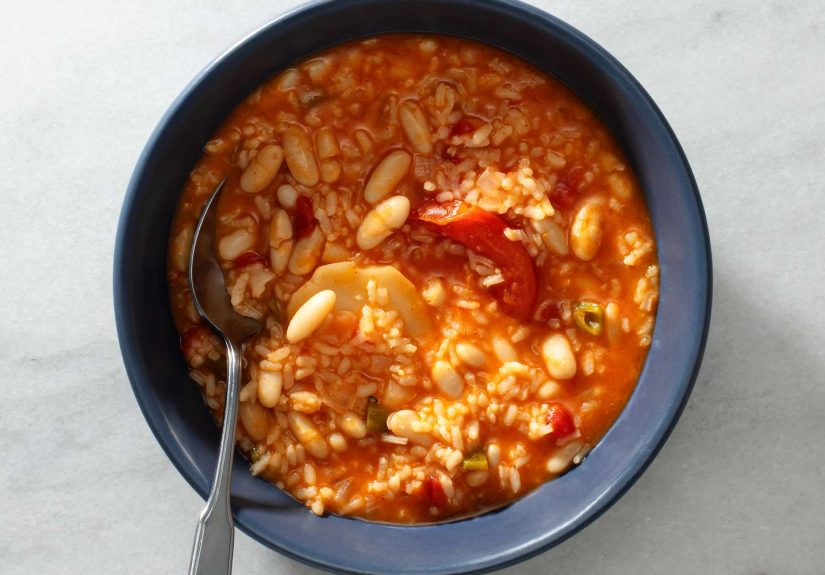
is about to become your new weeknight hero. Think tender white beans, plump grains
of rice, sweet sautéed onions, tomatoes, and bell peppers all simmered together
in a paprika- and saffron-kissed broth. It’s hearty enough to stand on its own,
but light enough that you won’t need to take a three-hour siesta afterward
(optional, not required).
Empedrado de arroz is the definition of humble, feel-good food: budget-friendly
pantry ingredients, minimal prep, and maximum comfort. Whether you’re aiming
for more Meatless Monday dinners, want to explore Spanish recipes beyond paella,
or simply love the beans-and-rice combo, this dish checks all the boxes.
What Is Empedrado de Arroz?
The name empedrado comes from the Spanish verb empedrar, meaning
“to pave with stones.” It’s a poetic nod to how the beans dot the rice like
little white cobblestones. In this version, white beans and rice share the pot
in almost equal proportions, creating a thick, spoonable stew that lands somewhere
between a risotto and a brothy rice dish.
Traditionally, you’ll see empedrado de arroz with a base of onions, garlic,
tomatoes, and peppersaka the flavor foundation of much Spanish cooking. From there,
it’s extremely flexible: some families add chorizo, others keep it vegetarian, and
some even treat it like a soupy main dish on cold autumn nights.
Key Ingredients for Spanish White Beans and Rice
Before we start cooking, let’s walk through the main ingredients and why
they matter. This helps you swap smartly and avoid “Why does this taste
like plain rice with vibes?” syndrome.
White Beans
Any mild, creamy white bean works: cannellini, navy, or great northern beans
are perfect. You can use:
- Canned beans for convenience (rinse and drain well).
-
Dried beans for the best texture and flavor
(soak and cook ahead of time).
White beans bring plant-based protein, fiber, and a rich, creamy bite that
makes this dish feel hearty and comforting without any meat.
Rice
A medium-grain rice is ideal heresomething like Spanish bomba,
Calrose, or another paella-style or risotto-style rice. These varieties:
- Absorb liquid beautifully without turning mushy.
- Release enough starch to help the dish thicken slightly.
- Stay tender even when the dish is a bit soupy.
If you only have long-grain rice (like standard white rice or basmati),
you can still use itjust expect a slightly looser, less creamy texture
and reduce the cooking time a bit.
Vegetable Base (Sofrito-Style)
The flavor backbone comes from:
- Olive oil – the fat that carries all the goodness.
- Onion – sweetness and depth.
- Garlic – always.
- Red bell pepper – color and a subtle sweetness.
- Tomato (fresh or canned) – acidity and body.
Spices and Seasoning
To give your empedrado that distinctly Spanish character, you’ll want:
- Smoked paprika – adds a subtle smokiness and color.
- Saffron threads (optional but amazing) – a few strands bring a floral aroma and golden hue.
- Bay leaf – for background warmth.
- Salt & black pepper – adjust to taste.
- Vegetable or chicken broth – the cooking liquid for both flavor and body.
Finishing Touches
To wake everything up at the end:
- Fresh parsley – for color and freshness.
- Lemon wedges – a squeeze of acidity brightens the dish.
Ingredients (Serves 4–6)
- 2 tablespoons extra-virgin olive oil
- 1 medium yellow onion, finely chopped
- 1 red bell pepper, diced
- 3 cloves garlic, minced
- 1 cup (about 200 g) medium-grain rice
- 1 1/2 cups cooked white beans (or 1 can, rinsed and drained)
- 1 cup crushed or finely chopped tomatoes (canned or fresh)
- 3 1/2 to 4 cups low-sodium vegetable or chicken broth, plus more if needed
- 1 teaspoon smoked paprika
- Pinch of saffron threads (optional but recommended)
- 1 bay leaf
- Salt and freshly ground black pepper, to taste
- 2 tablespoons chopped fresh parsley, for serving
- Lemon wedges, for serving
How to Make Spanish White Beans and Rice (Empedrado de Arroz)
-
Bloom the saffron (if using).
Warm 2–3 tablespoons of the broth (or hot water) and add the saffron threads.
Let them steep while you start the dish. This gently releases their flavor and color. -
Sauté the aromatics.
In a wide, heavy-bottomed pan or Dutch oven, heat the olive oil over medium heat.
Add the onion and cook for 4–5 minutes until soft and translucent. Stir in the bell pepper
and cook for another 3–4 minutes until it begins to soften. -
Add the garlic and spices.
Stir in the minced garlic and cook for 30 seconds, just until fragrant.
Sprinkle in the smoked paprika and stir quickly so it doesn’t burn. -
Build the tomato base.
Add the chopped tomatoes and a pinch of salt. Simmer for 5–7 minutes,
stirring occasionally, until the tomatoes thicken slightly and become saucy.
This is your flavor-packed base. -
Toast the rice.
Add the rice to the pan and stir so every grain is coated in the tomato mixture.
Let it toast for 1–2 minutes. This helps improve texture and flavor. -
Add liquid and saffron.
Pour in 3 1/2 cups of broth, the saffron and its soaking liquid, and the bay leaf.
Stir well, bring the mixture to a gentle boil, then reduce to a simmer. -
Simmer the rice.
Cover the pot partially (leave the lid slightly ajar) and cook over low to medium-low heat
for about 15 minutes, stirring once or twice to prevent sticking. If the mixture looks too dry
before the rice is tender, add more warm broth in small splashes. -
Add the white beans.
When the rice is almost done (it should still have a bit of bite), gently fold in the cooked
white beans. Continue to simmer for another 5–10 minutes, uncovered, until the rice is tender,
the beans are heated through, and the dish is thick and soupy, not dry. -
Season and rest.
Remove the bay leaf. Taste and season with more salt and pepper as needed.
Turn off the heat and let the pan sit, uncovered, for 5 minutes. This short rest lets the rice
relax and the flavors meld. -
Serve.
Sprinkle with chopped fresh parsley. Serve warm with lemon wedges on the side so everyone
can add a bright squeeze of citrus to their bowl.
Helpful Tips for Perfect Empedrado de Arroz
-
Don’t rush the sofrito-style base. Let your onions, peppers, and tomatoes cook
until they’re soft and sweet. That slow, gentle cooking is what gives the finished dish depth. -
Adjust the broth as you go. Different rice varieties absorb different amounts
of liquid. If the dish looks too dry before the rice is tender, add a bit more warm broth. -
Stir gently after adding beans. White beans can break apart if over-stirred.
Fold them in softly so they stay mostly whole and creamy. -
Control the texture. If you like a thicker, risotto-like dish, let it simmer
a little longer to reduce the liquid. If you prefer it more soupy and spoonable, add a splash
more broth right before serving. -
Make it your own. Add a little chopped chorizo, roasted red peppers, or a handful
of spinach at the end. The base is flexible and forgiving.
Flavor Variations and Add-Ins
Smoky Chorizo Version
For meat eaters, Spanish chorizo is a natural partner for beans and rice.
Slice or dice 3–4 ounces of cured chorizo and sauté it in the pan before the onions,
rendering some of its fat. Use that flavorful fatalong with or instead of some of the olive oil
to cook your vegetables. The result is deeper, smokier, and very satisfying.
Fully Vegetarian or Vegan
Empedrado de arroz is already incredibly friendly to plant-based diets.
Just use vegetable broth and skip any meat additions. A drizzle of good extra-virgin olive oil
and a sprinkle of smoked paprika at the end add richness and complexity without animal products.
Extra Veggie Boost
Want more vegetables in the pot? Try stirred-in spinach, kale, or Swiss chard in the last few minutes.
Frozen peas are another classic touchjust toss in a handful and let them warm through.
Is Spanish White Beans and Rice Healthy?
You’re basically eating a bowl of comfort that also happens to love your body back.
White beans are naturally rich in plant protein and fiber, and they offer minerals like
iron, potassium, and magnesium. Paired with rice, they form a complete, satisfying meal
that can help keep you full and energized.
Here’s why this dish can fit nicely into a balanced diet:
-
Plant-based protein: White beans contribute a generous amount of protein,
helping support muscles and steady energy. -
Fiber for fullness and digestion: Beans are famously high in fiber, which can
help support digestive health and keep you feeling satisfied longer. -
Heart-friendly nutrients: White beans are a good source of minerals like potassium
and magnesium, which are associated with healthy blood pressure and overall heart health. -
Customizable sodium: By cooking from scratch and choosing low-sodium broth,
you control the salt level much more than with canned or packaged meals.
Of course, portion sizes still matter. The beauty of empedrado de arroz is that a modest bowl
is surprisingly filling, thanks to the combo of fiber, protein, and slow-digesting carbs.
Serving Ideas and Make-Ahead Tips
Empedrado de arroz is versatile enough to work for a cozy family dinner, a casual gathering,
or a meal-prep Sunday.
How to Serve
- As a one-pot main dish with a simple green salad on the side.
- With crusty bread to mop up the saucy rice.
- Alongside grilled or roasted vegetables for extra color and texture.
- Topped with a soft-cooked egg or a dollop of Greek yogurt for additional richness.
Storing and Reheating
- Refrigerator: Store leftovers in an airtight container for up to 3–4 days.
-
Reheating: Warm gently on the stove with a splash of broth or water to loosen
the texture, since the rice will continue to absorb liquid in the fridge. -
Freezer: You can freeze portions for 1–2 months. Thaw overnight in the fridge
and reheat with extra liquid.
Final Thoughts
Spanish white beans and riceempedrado de arrozis one of those recipes that proves you don’t need
fancy ingredients or complicated techniques to make something memorable. A few pantry staples,
a bit of patience with the stovetop, and you get a cozy, Spanish-inspired bowl that tastes like
it came from a small village kitchen, not a rushed weekday evening.
Whether you keep it vegetarian, add smoky chorizo, or load it up with extra veggies, this recipe
is endlessly adaptable. Once you’ve made it a couple of times, you’ll know it by heartand you might
find yourself making “just one more pot” all winter long.
Cook’s Notes & Personal Experiences with Empedrado de Arroz
The first time you cook empedrado de arroz, it might feel a little like making paella’s laid-back cousin.
There’s less pressure, for one thingno one is hovering over your shoulder asking about the perfect socarrat
(that crispy bottom layer of rice). Instead, you’re aiming for something softer, cozier, and more forgiving.
One of the best “aha” moments with this dish comes when you realize how flexible the timing really is.
If dinner needs to wait an extra ten minutes because someone is stuck in traffic, this recipe won’t punish you.
Just turn the heat down low, add a splash of broth if needed, and it happily hangs out until everyone is ready to eat.
The rice continues to drink in the flavorful liquid, the beans relax into the sauce, and the whole pot seems to get
more unified as it rests.
Another learning curve is the bean choice. Using canned beans makes this recipe weeknight-friendly.
You can come home, chop a couple of vegetables, and be eating in under an hour. But if you ever try
it with dried beans you’ve cooked yourselfmaybe simmered with a bay leaf, a piece of onion, and a drizzle
of olive oilyou’ll notice how much creamier and more flavorful they are. It’s like the difference between
a good dinner and the dinner people ask about for weeks afterward.
There’s also something very satisfying about how this dish bridges different eating styles.
In one household, you might have someone who avoids meat, someone cutting back on red meat, and
someone who claims they’re “not really a beans person.” Empedrado de arroz has a way of quietly winning
them all over. The beans are not the star in a loud, “Look at me, I’m healthy!” way.
They’re just there, tender and creamy, soaking up smoky paprika and saffron, making each bite feel substantial.
A small but important detail is the lemon wedge at the table. At first, it can seem optionalalmost like
a garnish you’ll skip when you’re in a hurry. But the bright squeeze of lemon right before you dig in
wakes up all the flavors in the pot. The richness of the olive oil and the starchiness of the rice feel lighter,
and the tomato notes become more defined. It’s a tiny step that makes you look like you know what you’re doing
in the kitchen, even on nights when you absolutely do not feel that way.
Over time, this recipe naturally turns into a fridge-clean-out hero. Got half a bell pepper, a lone carrot,
or the last handful of spinach leaves lingering in the crisper drawer? They can all join the party.
I’ve seen versions with roasted butternut squash cubes stirred in at the end, or with a spoonful of pesto
swirled on top for extra herbiness. The basic structurebeans + rice + broth + aromaticsstays the same,
but the flavor can travel depending on what you have on hand.
Empedrado de arroz is also a surprisingly good “next day” dish. The rice continues to swell, so what was
once a loose, soupy bowl might turn into something closer to a thick pilaf by the following day.
A splash of broth or water while reheating helps you bring it back to life. Sometimes, I’ll add a small handful
of fresh greens while reheatingspinach, arugula, or chopped kaleso the leftovers feel like a new dish rather than
yesterday’s dinner.
Perhaps the best part of cooking Spanish white beans and rice regularly is that it teaches you to trust simple ingredients.
You start to appreciate the way slowly softened onions taste, how sweet peppers become when cooked gently,
and how paprika changes the entire personality of a dish with just a spoonful. Each time you make it,
you get a little better at reading the pan: deciding whether it needs more broth, more salt, or just one more minute.
In the end, empedrado de arroz is more than just a recipeit’s a reminder that a pot of rice and beans can be
deeply satisfying, a little bit elegant, and totally worthy of a spot in your regular dinner rotation.
If your idea of comfort food usually involves cheese, cream, or a lot of meat, this Spanish classic might just
convince you that cozy can also be bright, bean-powered, and wonderfully simple.