Table of Contents >> Show >> Hide
- What Is a 5-Liter Stainless Steel Fusti?
- Why Stainless Steel Makes Sense
- Best Uses for a Stainless Steel Fusti, 5 Liters
- What to Look for Before You Buy
- Cleaning and Care Tips
- Pros and Cons of a Stainless Steel Fusti, 5 Liters
- Is a 5-Liter Stainless Steel Fusti Worth It?
- Real-World Experiences With a Stainless Steel Fusti, 5 Liters
- Final Thoughts
If the average kitchen bottle is a flip-flop, the stainless steel fusti is a work boot. It is not flashy in the loud, “look at me, I have a neon straw” kind of way. Instead, a 5-liter stainless steel fusti is the sort of tool that quietly makes you look more organized, more practical, and possibly more Italian than you really are. Whether you use it for olive oil, vinegar, water, infused drinks, or small-batch beverage storage, this compact container has earned a loyal following for one simple reason: it is built for real use.
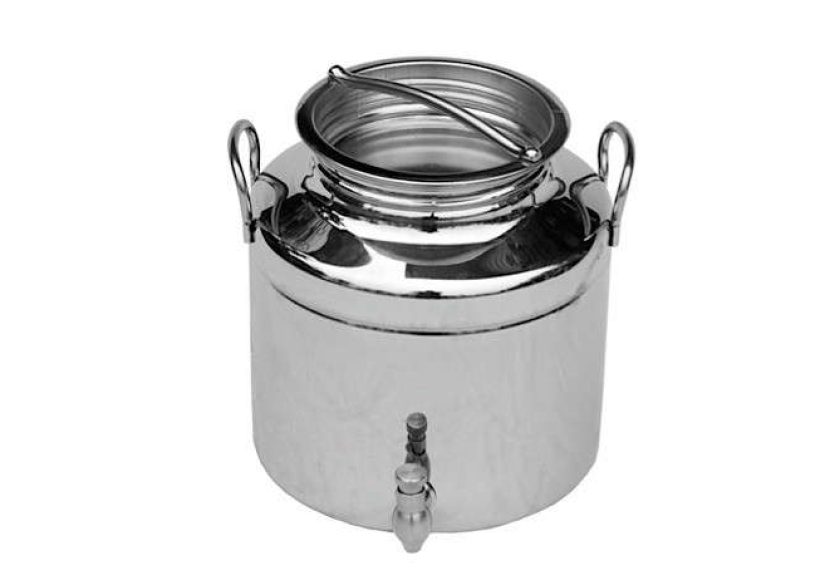
A 5-liter stainless steel fusti, often called an Italian fusti, typically holds about 1.32 gallons. That makes it small enough for a countertop, pantry shelf, or home bar, but large enough to feel like a serious storage upgrade over a standard bottle. In the U.S. market, many listings describe these containers as food-grade stainless steel vessels with a spigot, a screw-top lid, and carrying handles, designed for liquids such as olive oil, vinegar, water, wine, tea, or cocktails. In other words, this is not a one-trick pony. It is more like a tidy little utility player for your kitchen.
What Is a 5-Liter Stainless Steel Fusti?
A stainless steel fusti is a reusable container made for storing and dispensing liquids. The 5-liter size sits in a sweet spot: roomy enough for bulk buying, yet manageable enough to lift without summoning your inner powerlifter. Many versions sold in the U.S. emphasize food-grade stainless steel construction, a removable or integrated spigot, and a lid designed to help limit air exposure.
Some premium versions also highlight smoother welded interiors, gasketed lids, and removable spigots for easier cleaning. Those details matter more than they first appear to. When a container is used repeatedly for food or beverages, smooth seams, clean surfaces, and replaceable parts are not luxury extras. They are the difference between “smart kitchen investment” and “mysterious off-flavor generator.”
Why the 5-Liter Size Works So Well
The 5-liter format is practical because it fits how many households actually use specialty liquids. It is large enough for people who buy olive oil in bulk, store house vinaigrette, keep filtered water on the counter, or serve sangria at a gathering. But it is still compact enough to clean in a normal kitchen sink, carry with one hand, and tuck into a cabinet without reorganizing your entire life.
That balance is what makes this size especially appealing. Bigger tanks can be excellent for serious winemaking or beverage production, but they are not exactly charming on a city-apartment counter. The 5-liter fusti is the Goldilocks version: not too tiny, not too industrial, and not so large that it starts acting like a roommate.
Why Stainless Steel Makes Sense
Stainless steel remains popular for food-contact applications because it is durable, corrosion-resistant, and non-reactive enough for many kitchen uses. In plain English, it can take a beating, it does not shatter like glass, and it generally plays nicely with everyday liquids. That is a big deal if you are storing something valuable, like a good extra virgin olive oil, or something messy, like homemade fruit vinegar that refuses to stay where you pour it.
Many cookware and food-contact discussions focus on 304 or 18/10 stainless steel, both of which are commonly associated with food use. Some fusti listings go a step further and mention 316 stainless steel, which is often marketed for higher corrosion resistance. For everyday buyers, the key takeaway is simple: food-grade stainless steel is a practical, durable material that is well suited to repeated kitchen use when the container is properly made and properly maintained.
Advantages Over Glass and Plastic
Glass has strengths, especially for seeing what is inside, but it can break, chip, and let in light if it is clear. Plastic is lightweight and inexpensive, but it may feel less premium for long-term storage of oils or acidic liquids. Stainless steel sits in the middle like the calm adult in the room. It blocks light, resists everyday wear, and gives the whole operation a cleaner, more professional feel.
That light-blocking quality is especially useful for olive oil. Storage guidance from olive oil producers and researchers consistently points to light, heat, and air as the enemies of freshness. A stainless steel fusti does not solve every storage problem on its own, but it does address one major one right away: it keeps the contents out of direct light.
Best Uses for a Stainless Steel Fusti, 5 Liters
1. Olive Oil Storage
This is the classic use. If you buy extra virgin olive oil in larger containers, a 5-liter stainless steel fusti can be a smart transfer vessel, especially if you keep it in a cool, dark pantry. Olive oil quality declines faster when exposed to light, heat, oxygen, and poor storage conditions. That makes a lidded, opaque container very appealing for households that go through oil steadily but do not want it sitting in a bright plastic jug on the counter like it is waiting for bad decisions.
The size also works well for serious home cooks. If you roast vegetables, make vinaigrettes, bake focaccia, and finish soups with a drizzle of good oil, 5 liters is not excessive. It is simply realistic.
2. Vinegar and House-Made Dressings
Many stainless steel dispensers are also marketed for vinegar, dressings, and syrups. A fusti is useful here because the spigot allows controlled pouring, while the closed design helps reduce spills and dust exposure. If you make restaurant-style house dressing, fruit shrub, or infused vinegar, the container turns your pantry into a small but very satisfying command center.
3. Water and Cold Beverages
Some U.S. listings present fustis as water dispensers or beverage containers for tea, cocktails, and juice. For small parties, a 5-liter fusti can be a stylish and durable alternative to glass dispensers. It will not show off lemon slices like a glass jar will, but it will survive a bump, block light, and look pleasantly serious sitting on a stand.
4. Small-Batch Wine, Kombucha, or Specialty Beverage Use
Stainless tanks are widely used in beverage production, including winemaking and kombucha. A 5-liter fusti is obviously not a commercial fermentation system, but it can still be useful for short-term holding, dispensing, or transferring finished liquids in a home setup. The important caveat is to match the container to the job. If you are doing fermentation, aging, or long-term beverage storage, you want to be very sure the lid, seal, headspace, and cleaning routine are appropriate for your process.
What to Look for Before You Buy
Food-Grade Stainless Steel
Look for clear material information. If a listing mentions food-grade stainless steel, 18/10, 304, or 316, that is a useful sign that the product is designed with food use in mind. The more transparent the manufacturer or retailer is about the metal and construction, the better.
Smooth Interior and Quality Seams
Smooth interior surfaces are a major advantage. In reusable food containers, rough seams and hidden creases can trap residue. That is why better designs often emphasize welded joints and easy-to-clean surfaces. A fusti should not make you feel like you need a dental mirror and a tiny flashlight to see whether the last batch of vinegar is still hiding near the spigot.
Reliable Spigot
A fusti lives or dies by its spigot. If the tap drips, clogs, or feels flimsy, the whole experience gets annoying fast. Look for a sturdy valve or spigot that can be removed for cleaning. That one feature can save a lot of frustration and a surprising number of paper towels.
Tight-Fitting Lid and Gasket
For oils and other sensitive liquids, minimizing air exposure matters. A secure lid helps preserve quality and reduce mess. Some models include a gasket for a tighter seal, and that can be a meaningful upgrade if you plan to store the contents for more than a very short period.
Easy Cleaning
A beautiful container that is miserable to clean becomes decorative guilt. Choose a model with an opening wide enough for washing, rinsing, and drying thoroughly. If the spigot comes off and the gasket can be inspected, even better.
Cleaning and Care Tips
Start with warm water, mild detergent, and a thorough rinse. Let the container dry completely before refilling, especially if you are storing oil. Water left inside can compromise quality, encourage microbial growth in the wrong application, or simply make your carefully chosen liquid taste confused.
Inspect the spigot and gasket regularly. Reusable food containers need preventive maintenance, and small parts deserve the most attention. If a seal is cracked, stained beyond reason, or carrying odors that refuse to leave, replace it. This is one of those small acts of kitchen responsibility that feels boring until it saves you from ruining something expensive.
Also, think about what you store from one batch to the next. If you switch from vinegar to olive oil to sweet tea without cleaning thoroughly in between, you are not creating complexity. You are creating chaos.
Pros and Cons of a Stainless Steel Fusti, 5 Liters
Pros
- Blocks light, which is helpful for oils and other sensitive liquids.
- Durable and less fragile than glass.
- Compact but roomy enough for bulk storage.
- Spigot makes dispensing easier and neater.
- Reusable, practical, and visually clean-looking.
- Works for multiple uses, from oil to beverages.
Cons
- You cannot see the fill level without opening it.
- Cheap spigots can be a weak point.
- Low-quality seams or gaskets can make cleaning harder.
- It can feel more utilitarian than decorative, depending on your style.
- For long-term specialty beverage storage, you may need a more purpose-built system.
Is a 5-Liter Stainless Steel Fusti Worth It?
For many home cooks, yes. A stainless steel fusti is worth it if you routinely buy olive oil in larger quantities, want a better way to dispense vinegar or beverages, or simply prefer a durable storage option that does not rely on fragile glass or disposable plastic. It is especially useful for people who like their kitchen tools to do something beyond just looking cute on social media.
The trick is buying the right one. A well-made fusti with good stainless steel, a dependable spigot, smooth seams, and a snug lid can feel like a long-term upgrade. A poorly made one can feel like a metal puzzle box with a drip problem. Quality matters here more than trendiness, and that is good news because the best kitchen purchases usually reward function first.
Real-World Experiences With a Stainless Steel Fusti, 5 Liters
People who use a 5-liter stainless steel fusti tend to describe the same emotional arc. First comes skepticism: “Do I really need a dedicated metal container for oil?” Then comes the first week of use, when the spigot makes life easier, the pantry looks tidier, and suddenly every old bottle on the shelf starts looking like it has overstayed its welcome.
One common experience is the olive oil upgrade. Someone buys a larger tin or bulk bottle because it is a better value, then realizes pouring from that original package is a daily exercise in wrist control and optimism. The oil glugs, the counter gets shiny, and a paper towel loses its will to live. Transfer that same oil into a 5-liter fusti, and the routine changes. The pour becomes cleaner, the container stays out of the light, and the kitchen starts to feel more intentional. Not fancy in a chandelier way, but fancy in a “this person has a system” way.
Another experience comes from entertaining. A 5-liter fusti can hold water, iced tea, batched cocktails, or infused drinks without the anxiety that comes with glass dispensers. If the setup gets bumped at a picnic, barbecue, or holiday gathering, stainless steel is usually less dramatic about it. That peace of mind matters. Nobody wants a party memory that begins with, “Everything was going great until the sangria hit the patio.”
Home makers and hobby beverage people also appreciate the container for small-batch projects. It can become a holding vessel for strained vinegar, a neat way to portion filtered water, or a compact dispensing tank for finished beverages. The joy is not just in storage; it is in repeatable use. Fill, dispense, clean, refill. The rhythm is satisfying. Good tools tend to create good habits, and a fusti encourages exactly that kind of kitchen behavior.
There is also the aesthetic experience, which is more powerful than it sounds. Stainless steel has a clean, purposeful look. It suggests reliability. It does not scream for attention, but it does quietly imply that you care about freshness, practicality, and not living in a cabinet full of half-empty mystery bottles. For some people, that alone makes the purchase feel worthwhile.
Of course, not every experience is magical. Some users learn the hard way that the spigot matters more than the polished finish. Others discover that lazy cleaning creates flavor crossover, which is a polite way of saying your fresh oil should not remind you of last month’s vinegar. But even those lessons reinforce the same point: when the fusti is well made and well maintained, it becomes one of those kitchen pieces you use so often that you stop noticing it. And that is usually the highest compliment a practical tool can earn.
Final Thoughts
The stainless steel fusti, 5 liters, is not a gimmick. It is a compact, highly useful storage and dispensing container that fits beautifully into the lives of cooks, entertainers, and careful pantry organizers. It shines brightest when used for olive oil, vinegar, water, or other liquids that benefit from a durable, opaque, easy-to-dispense home.
If you want something elegant enough for the kitchen, practical enough for daily use, and sturdy enough to earn its shelf space, a good 5-liter stainless steel fusti is a smart buy. It will not cook dinner for you, sadly, but it can make one important part of your kitchen life cleaner, easier, and far less drippy. Sometimes that is exactly the kind of hero we need.