Table of Contents >> Show >> Hide
Note: This article is for educational purposes only and is not a substitute for personal medical care.
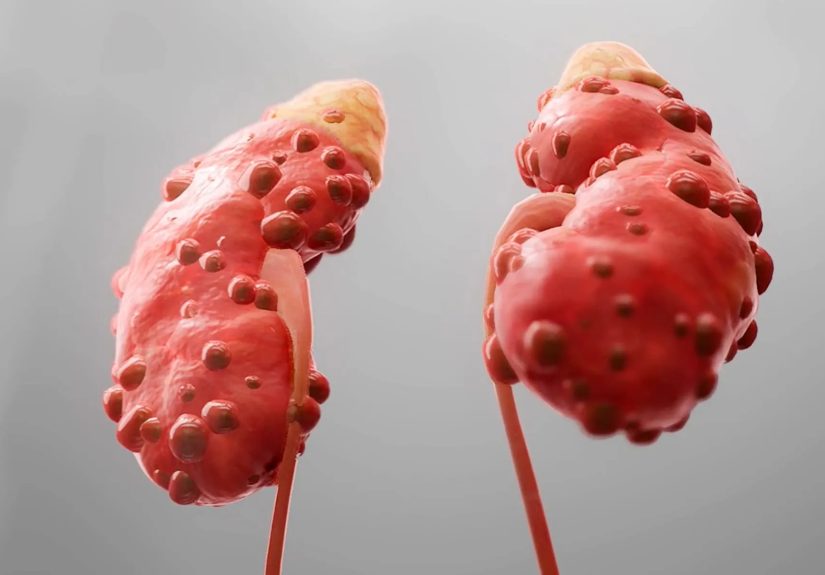
Autosomal dominant polycystic kidney disease, usually shortened to ADPKD, is one of those conditions with a very long name and a very real impact. It is a genetic kidney disease in which fluid-filled cysts grow in the kidneys over time. Those cysts are not cancer, but they are troublemakers. As they multiply and enlarge, they can stretch the kidneys, raise blood pressure, cause pain, trigger infections, and gradually reduce kidney function.
The frustrating part is that ADPKD can stay quiet for years. A person may feel perfectly fine while their kidneys are secretly running a slow-motion construction project nobody asked for. Then, somewhere in adulthood, symptoms begin to appear. The good news is that better screening, smarter blood pressure control, improved imaging, and newer treatment strategies now give people far more ways to manage the disease than in the past.
This guide breaks down the symptoms, causes, and treatments of autosomal dominant polycystic kidney disease in plain English, with enough depth to be useful and enough humanity to keep it from reading like a toaster manual.
What Is Autosomal Dominant Polycystic Kidney Disease?
ADPKD is the most common inherited form of polycystic kidney disease. In this condition, many cysts develop in the kidneys and can also affect other organs, especially the liver. Over time, the kidneys may become much larger than normal, and kidney function can decline.
The phrase “autosomal dominant” matters because it describes how the disease is inherited. If one parent has ADPKD, each child has a 50 percent chance of inheriting the gene change. Most cases involve mutations in the PKD1 or PKD2 genes. In general, PKD1-related disease tends to be more severe and progress faster than PKD2-related disease, although real life is rarely polite enough to follow a perfect script.
ADPKD often becomes noticeable between the ages of 30 and 50, but cysts may be present much earlier. Some people are diagnosed because of symptoms. Others learn they have it after a scan for something completely unrelated, which is an awkward way for a kidney to say hello.
Common Symptoms of ADPKD
Many people with ADPKD have no symptoms at first. When symptoms do show up, they often build slowly rather than arriving with fireworks. The most common ones include the following:
1. High Blood Pressure
High blood pressure is often one of the earliest and most important signs of ADPKD. It may appear before kidney function drops significantly, which is why regular monitoring matters so much. Uncontrolled hypertension can speed up kidney damage and increase the risk of heart and blood vessel problems.
2. Pain in the Back, Side, or Abdomen
Pain is a common complaint and can come from enlarged kidneys, bleeding into a cyst, infection, or kidney stones. Some people describe a dull pressure in the side or lower back. Others get sharp episodes that send them straight to the doctor, and understandably so.
3. Blood in the Urine
Hematuria, or blood in the urine, can happen when a cyst bleeds or a stone irritates the urinary tract. It may look dramatic, and yes, it deserves medical attention, especially if it is new, heavy, or accompanied by pain or fever.
4. Frequent Urinary Tract Infections
UTIs, particularly kidney infections, can occur more often in people with ADPKD. Fever, burning with urination, side pain, and cloudy urine are clues that should not be ignored. When infection reaches a cyst, treatment can become more complicated.
5. Kidney Stones
Kidney stones are more common in ADPKD than in the general population. They can cause severe pain, nausea, urinary symptoms, and blood in the urine. In other words, as if cysts were not enough, stones sometimes decide to join the party uninvited.
6. Enlarged Abdomen or Fullness
As kidneys and liver cysts enlarge, some people notice abdominal fullness, a growing waistline, early satiety, or discomfort when bending and sitting. This is not just cosmetic. It can affect daily movement, appetite, and quality of life.
7. Headaches and Brain Aneurysm Concerns
Headaches are common in the general population, so not every headache points to ADPKD complications. Still, ADPKD is linked with a higher risk of intracranial aneurysms. Screening is usually targeted rather than routine for everyone, especially when there is a personal or family history of aneurysm, subarachnoid hemorrhage, or unexplained sudden death.
8. Declining Kidney Function
As the disease progresses, symptoms of reduced kidney function can develop. These may include fatigue, swelling, poor appetite, sleep problems, and changes in lab values such as eGFR and urine protein markers. Some people eventually develop chronic kidney disease and later kidney failure.
What Causes ADPKD?
The short answer is genetics. The longer answer is still genetics, but with more vowels.
ADPKD usually results from a mutation in the PKD1 or PKD2 gene. These genes help cells in the kidneys function normally. When they are altered, the signaling systems that guide kidney structure and fluid balance do not work properly, and cysts form and enlarge over time.
Important points about the causes of autosomal dominant polycystic kidney disease include:
- Inheritance: one altered gene from one parent can cause the condition.
- Family history: many people with ADPKD have a parent with the disease, though not all know it right away.
- New mutations: some people develop ADPKD without a known family history because a new mutation occurs.
- Gene type matters: PKD1 mutations are generally linked to earlier and faster progression than PKD2 mutations.
That said, genes are not the whole story. Lifestyle and other health factors can influence how quickly the disease progresses. Poorly controlled blood pressure, smoking, excess salt intake, obesity, and recurrent kidney complications can make a bad situation worse.
How ADPKD Is Diagnosed
Diagnosis usually starts with a combination of family history, symptoms, and imaging tests. The most common tools include:
Ultrasound
Ultrasound is often the first test because it is widely available, does not use radiation, and can detect kidney cysts. It is especially helpful when there is a known family history.
CT or MRI
CT and MRI scans can detect smaller cysts and provide a more detailed picture of kidney size and cyst burden. MRI is also important for estimating total kidney volume, which helps predict disease progression in some patients.
Genetic Testing
Genetic testing is not required for every person, but it can be useful when the diagnosis is uncertain, when someone has atypical findings, or when a younger family member or potential kidney donor needs a clearer answer.
Kidney Function and Urine Testing
Doctors also monitor eGFR, serum creatinine, blood pressure, and urine studies such as the urine albumin-creatinine ratio. These tests do not diagnose ADPKD by themselves, but they show how much the disease is affecting kidney health.
Treatments for Autosomal Dominant Polycystic Kidney Disease
There is currently no cure for ADPKD, but there are effective ways to manage symptoms, reduce complications, and in some cases slow progression. Treatment is usually individualized because ADPKD does not read the same script in every patient.
1. Tight Blood Pressure Control
Managing blood pressure is one of the most important parts of treatment. Current guidance supports regular blood pressure monitoring, lifestyle changes, and medication when needed. ACE inhibitors or ARBs are commonly used as first-line treatment because they help protect both blood vessels and kidney function.
Low-sodium eating, regular movement, weight management, and not smoking are not glamorous interventions, but they are powerful. Sometimes the most effective treatment is less “miracle hack” and more “please stop salting everything like it insulted your family.”
2. Tolvaptan for Selected Adults
Tolvaptan, sold in the United States as Jynarque, is approved to slow kidney function decline in adults at risk of rapidly progressing ADPKD. It is not for everyone, and it comes with trade-offs. People taking it often experience increased thirst and frequent urination because the medicine changes how the kidneys handle water.
It also carries a risk of serious liver injury, so liver monitoring is essential. This is one reason treatment should be guided by a nephrologist who knows ADPKD well.
3. Hydration and Diet
For many people with earlier-stage disease, higher water intake may be recommended to reduce dehydration, lower the risk of kidney stones, and possibly slow cyst-related progression. Still, more water is not always better for everyone. People with advanced kidney disease or other contraindications may need individualized advice.
A generally kidney-friendly pattern includes:
- lower sodium intake
- adequate hydration when appropriate
- healthy body weight
- moderate, balanced nutrition
- limiting smoking and avoiding dehydration
Some clinicians also advise caution with excess caffeine, depending on the situation. Not every beloved beverage is a villain, but this is one area where personalized guidance matters.
4. Pain Management
Pain treatment depends on the cause. If pain comes from infection, stones, bleeding, or a very large cyst, the underlying issue needs to be treated. Some people benefit from simple pain medication, while others may need procedures such as cyst drainage or specialist pain management. The goal is not to “tough it out”; the goal is to find the cause and treat it intelligently.
5. Treating Infections and Stones
UTIs and kidney infections should be treated promptly. Kidney stones may require increased fluids, pain control, medication, or procedures, depending on the size and location of the stone. Recurrent stones should prompt a deeper look at diet, hydration, and urine chemistry.
6. Monitoring for Related Problems
Because ADPKD is a systemic disease, doctors may also watch for:
- liver cysts
- brain aneurysms in higher-risk individuals
- heart valve issues
- chronic kidney disease progression
This monitoring is one reason long-term follow-up matters. ADPKD is not a “one scan and good luck” condition.
7. Dialysis and Kidney Transplant
If ADPKD progresses to kidney failure, treatment may eventually include dialysis or a kidney transplant. This is a major milestone, but it is not the end of the road. Many people with ADPKD do well after transplant and regain a much better quality of life.
Complications to Watch For
ADPKD can affect more than the kidneys, so recognizing complications early matters. Some of the most important include:
- High blood pressure: often early and often silent
- Liver cysts: especially common with increasing age
- Brain aneurysms: higher risk in certain families and risk groups
- Chronic pain: sometimes under-recognized but very real
- Kidney failure: a major long-term risk, especially in more severe disease
The big lesson is simple: ADPKD is not just “kidney cysts.” It is a lifelong condition that deserves comprehensive care.
Living Better With ADPKD
People with ADPKD often do best when they think of treatment as a package rather than a single pill. That package may include blood pressure tracking, lab monitoring, imaging, hydration guidance, exercise, low-sodium meals, medication review, and specialist follow-up.
Practical habits that can help include keeping a blood pressure log, knowing your latest eGFR, staying hydrated when medically appropriate, treating urinary symptoms early, and talking openly about pain instead of minimizing it. The earlier problems are recognized, the better the chance of protecting kidney function for the long haul.
Experiences People Commonly Report With ADPKD
One of the hardest parts of ADPKD is that the disease often does not look dramatic from the outside. A person may appear healthy while quietly managing fatigue, flank discomfort, blood pressure medication, repeated scans, and a mental checklist that never really clocks out. Many people say the experience starts with surprise. They go in for a blood pressure issue, a family history review, or a scan for something unrelated, and suddenly they are learning a brand-new vocabulary: cyst burden, eGFR, nephrologist, PKD1, PKD2, total kidney volume. It can feel like being handed a very complicated manual with no warning label that says, “By the way, this may affect your whole family.”
Another common experience is uncertainty. Some people with ADPKD have mild disease for decades, while others progress faster. That uncertainty can be emotionally exhausting. It is not just about current symptoms; it is about future questions. Will kidney function stay stable? Will blood pressure remain controlled? Will I need to change work plans, pregnancy plans, or insurance decisions? For many families, ADPKD is both a medical issue and a family story, because parents, siblings, aunts, uncles, and children may all be woven into the same diagnosis.
Daily life can also be shaped by symptoms that sound small on paper but feel large in real life. Frequent urination from high water intake or tolvaptan can change sleep and work routines. A person with enlarged kidneys may feel full quickly at meals, struggle with bloating, or find certain clothes uncomfortable. Pain can be unpredictable. Some days it is background noise; other days it grabs the steering wheel. That unpredictability is tiring.
Still, many people also describe a strong sense of resilience once they build a care plan. They become experts in reading their own bodies. They know when a headache feels ordinary and when it needs attention. They learn how sodium affects blood pressure, how hydration affects symptoms, and why a routine lab test is not just “another number.” Support groups, family education, and experienced kidney specialists can make a major difference. What begins as fear often evolves into something more manageable: informed vigilance.
Perhaps the most encouraging real-world experience is that people with ADPKD often discover they are not powerless. They may not be able to erase the gene mutation, but they can influence many pieces of the journey. They can control blood pressure, avoid smoking, keep appointments, ask better questions, and seek treatment before complications snowball. That matters. A lot. In the end, living with ADPKD is rarely simple, but it is also not defined only by decline. For many, it becomes a story of adjustment, planning, family awareness, and stubbornly practical hope.
Conclusion
Understanding the symptoms, causes, and treatments of autosomal dominant polycystic kidney disease is essential because ADPKD is common, inherited, and often progressive. Symptoms may include high blood pressure, pain, blood in the urine, kidney stones, infections, and signs of declining kidney function. The cause is usually a mutation in the PKD1 or PKD2 gene, passed from parent to child in an autosomal dominant pattern.
While there is no cure yet, treatment has advanced significantly. Care now focuses on early diagnosis, close blood pressure control, healthy lifestyle choices, management of pain and complications, and, for selected adults, disease-slowing therapy with tolvaptan. With consistent follow-up and a strong care team, many people with ADPKD can protect kidney function longer and live fuller, more informed lives. Not bad for a plan that starts with “let’s keep the kidneys calm.”