
Table of Contents >> Show >> Hide
- Peeling is usually a good sign (yes, really)
- Why tattoos peel: the “your skin is renovating” explanation
- The typical tattoo peeling timeline (what most people experience)
- What normal peeling looks like (and what it doesn’t)
- Common “dramatic peeling” causes that are still normal
- Aftercare that supports healthy peeling (without sabotaging your ink)
- When should you worry? The red-flag checklist
- Call your artist or call a clinician? Here’s a practical guide
- FAQ: quick answers to common peeling panic
- Bottom line
- Real-life experiences: what peeling feels like (and what people wish they knew)
- 1) “It looked like a sunburnexcept it was my $300 masterpiece.”
- 2) “I moisturized like my life depended on it… and made it worse.”
- 3) “I scratched in my sleep. I didn’t even get to enjoy it.”
- 4) “I went to the gym too soon and everything got angry.”
- 5) “I thought it was infected… but it was just healing like a drama queen.”
Your new tattoo is peelingand your brain immediately goes, “Cool, so my skin is trying to eject my expensive artwork like a bad organ transplant?”
Take a breath. In most cases, tattoo peeling is normal. It’s usually your body doing what bodies do best: patching up a tiny “open-wound-meets-ink” situation.
The trick is learning the difference between normal healing flakes and uh-oh, something’s off signs like spreading redness, pus, or worsening pain.
This guide breaks down what peeling should look like, when it happens, what helps, and when it’s time to call a professional (artist or cliniciansometimes both).
Peeling is usually a good sign (yes, really)
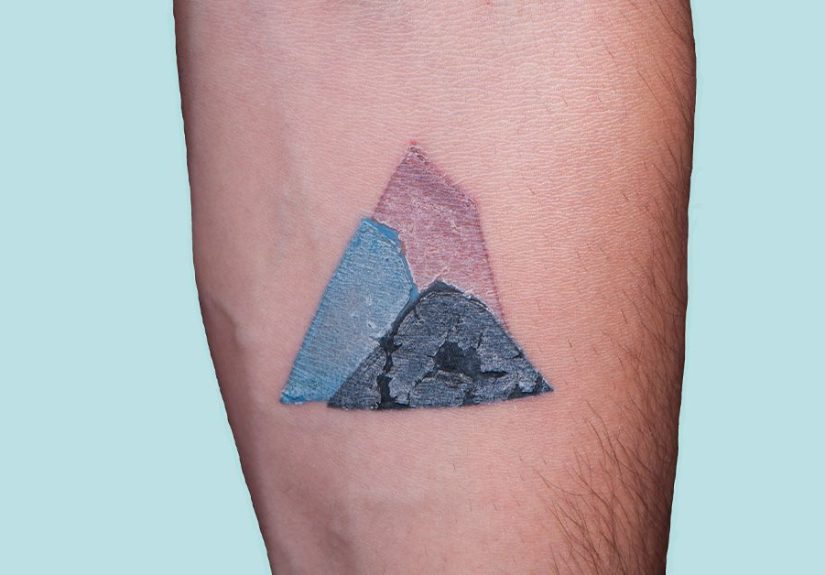
A fresh tattoo is essentially a controlled skin injury. Your body responds with inflammation, then builds new surface skin. As the top layer sheds, it can look like your tattoo is “coming off.”
What’s actually coming off is dead, healing skinkind of like a sunburn’s less glamorous cousin.
What’s typically normal
- Light to moderate flaking/peeling that starts several days after the tattoo
- Mild itching (annoying, but common)
- Some scabbing, especially in areas that got more trauma or more ink
- A “dull” or “cloudy” look as dead skin sits on top of the ink
What’s more concerning
- Redness that spreads or gets darker instead of calming down
- Pain that worsens after the first few days
- Yellow/green drainage or pus
- Fever, chills, or feeling sick
- A rash of painful/itchy bumps, hives, or intense swelling
Why tattoos peel: the “your skin is renovating” explanation
Tattoo needles place pigment into the upper dermis while disrupting the epidermis (your top layer). Your immune system shows up like a cleanup crew:
it reduces bleeding, sends fluid (like plasma), and begins repairing tissue. As the surface layer heals, it sheds.
Many medical sources describe tattoo healing in stages: early inflammation/oozing, then itching and flaking, followed by peeling and ongoing skin remodeling under the surface.
Even when the tattoo looks “done,” deeper layers may still be settling in for weeks to months.
The typical tattoo peeling timeline (what most people experience)
Every tattoo is different, but most follow a similar rhythm. Placement, size, how saturated the color is, your skin type, and aftercare all matter.
Use this as a general map, not a strict calendar.
Days 1–3: Tender, red, maybe a little “weepy”
- Expect soreness, mild swelling, and redness.
- You might see clear fluid (sometimes mixed with ink) as the skin seals.
- Your tattoo may look shiny or very intense in color.
Days 4–7: Flaking begins (hello, tiny skin confetti)
- Peeling often starts around the middle of the first week.
- Light scabbing can form; the tattoo can feel dry or tight.
- Itching usually ramps up here.
Week 2: Peak peeling and itch (the “don’t pick” Olympics)
- More visible flakes; the tattoo can look patchy or dull.
- Scabs may lift at the edges and fall off on their own.
- Mild tenderness often improves, but itchiness can linger.
Weeks 3–4: Surface looks better, deeper layers still healing
- Flaking decreases; the surface often looks mostly “healed.”
- You may notice a slightly dry, “tight” finishespecially in winter or low humidity.
1–3+ months: Remodeling phase (quiet progress you can’t see)
Even when the top layer looks healed, the skin underneath continues to remodel. This is why some tattoos “settle” and look a bit clearer after several weeks.
What normal peeling looks like (and what it doesn’t)
Normal peeling tends to be:
- Thin flakes, like a mild sunburn shed
- Even-ish across the tattoo, though edges and heavily saturated areas can peel more
- Dry rather than wet or gooey
- Accompanied by mild itching and improving soreness
Peeling that suggests a problem may be:
- Very thick scabs that crack and bleed repeatedly
- Hot, increasingly painful skin instead of gradually calming down
- Spreading redness or red streaks
- Pus or foul-smelling drainage
- Hives, a spreading rash, or intense swelling (especially around one ink color)
A simple rule that shows up across medical guidance: healing signs should generally trend toward “better.”
If you’re past the early phase and symptoms are getting worse instead of better, that’s your cue to get help.
Common “dramatic peeling” causes that are still normal
Sometimes peeling looks intense even when everything’s fine. A few usual suspects:
- Dry skin or cold weather: Low humidity turns healing skin into a flaky mess faster.
- High-friction placement: Ankles, waistbands, under bras, and socks can rub scabs and create more visible peeling.
- Big color packing: Large, saturated color areas can trigger more inflammation (more trauma = more shedding later).
- Hot showers and steam: Heat can dry you out and encourage scab softening (which feels gross and can slow healing).
- Overdoing moisturizer: Yes, you can “love” a tattoo too muchheavy layers can keep the skin overly moist and irritated.
Aftercare that supports healthy peeling (without sabotaging your ink)
Artists have their own preferred routines, so follow the instructions you were given, especially if you’re using a specific bandage method.
But dermatologist-led guidance tends to agree on a few basics: keep it clean, be gentle, moisturize lightly, and don’t pick.
Do: keep it clean (gently)
- Wash your hands before touching your tattoo.
- Clean with a mild, fragrance-free cleanser/soap as directed.
- Pat dry with a clean towel or paper towelno aggressive rubbing.
Do: moisturize lightly (think “thin sheen,” not “glazed donut”)
- Use a fragrance-free, dye-free moisturizer.
- Apply a thin layerenough to reduce tightness, not enough to smother the skin.
- If your tattoo is still actively “weeping,” follow your artist’s guidance on when to start lotions/ointments.
Don’t: pick, peel, or “help” the flakes
Peeling skin and scabs protect healing tissue. Picking can pull ink, create patchiness, and raise infection risk.
If you only take one tip from this article, let it be this: your tattoo is not a scratch-off ticket.
Don’t: soak it while it’s healing
- Avoid swimming, hot tubs, lakes, and long baths until the tattoo is fully healed.
- Showers are typically fine, but avoid blasting the tattoo with high-pressure water.
Don’t: cook it in the sun
UV exposure can irritate healing skin and contribute to fading later. Keep healing tattoos out of direct sun.
Once healed, daily sunscreen helps keep tattoos looking crisp long-term.
When should you worry? The red-flag checklist
If you suspect something is wrong, you’re not “overreacting”you’re being smart. Infections and allergic reactions are easier to treat when caught early.
Watch for:
Possible infection signs
- Redness that spreads or darkens rather than fading
- Pain that continues or worsens instead of easing
- Pus, yellow/green drainage, or open sores
- Fever, chills, shivering, or feeling generally unwell
- Warmth plus swelling that doesn’t improve
- Bumps, pustules, or raised lesions in or around the tattoo
Possible allergic or irritant reaction signs
- Hives or a spreading itchy rash (especially beyond the tattoo)
- Persistent swelling or puffiness localized to inked areas
- Reactions limited to one color (red is a common troublemaker)
- Itching that feels extreme, escalating, or paired with a rash rather than simple dryness
If you have severe symptoms (like fever, rapidly spreading redness, or significant swelling), seek medical care promptly.
Also, if you’re immunocompromised or have a condition that affects healing, it’s worth being extra cautious.
Call your artist or call a clinician? Here’s a practical guide
Call your tattoo artist if:
- You’re peeling in patches and want reassurance it’s normal
- You’re unsure whether you’re moisturizing too much or too little
- Your bandage/film method is confusing (especially “second skin” products)
- You think you might need a touch-up later (but you’re still healing now)
Call a healthcare professional if:
- You have fever, chills, pus, or worsening pain
- Redness is spreading, darkening, or streaking
- You have hives, a spreading rash, or intense swelling
- Symptoms are getting worse after about two weeks rather than improving
A tattoo artist can guide normal healing and aftercare tweaks. A clinician handles infection, allergic reactions, and anything that looks medically “off.”
When in doubt, it’s okay to loop in both.
FAQ: quick answers to common peeling panic
“Is my tattoo peeling off?!”
Noyour ink is in the dermis. What you’re seeing is dead surface skin shedding.
Some flakes may look tinted, which can be alarming, but it’s usually surface debris plus leftover ink residue, not your actual tattoo evacuating the premises.
“My tattoo looks faded while it peelsdid it get ruined?”
Temporary dullness is common because dry, flaky skin sits on top like a foggy window.
Once peeling finishes and the surface smooths out, the tattoo often looks brighter again.
“What if it cracks and bleeds?”
Small cracks can happen if the area gets very dry or forms thicker scabs. Gentle care and appropriate moisturizing can help,
but recurring bleeding, significant pain, or wet-looking scabs deserve a check-in with a professional.
“Does peeling mean I’ll need a touch-up?”
Not necessarily. Many tattoos heal perfectly with some peeling.
If ink looks patchy after it’s fully healed (think weeks, not days), your artist can evaluate whether a touch-up makes sense.
Bottom line
Peeling is usually the body’s way of finishing the job: sealing the surface, shedding dead skin, and revealing healed ink underneath.
Treat the tattoo like the healing wound it isclean, gentle, lightly moisturized, and protected from soaking and sun.
And remember: the danger isn’t peeling itself. The danger is peeling plus signs that healing is going the wrong directionspreading redness, pus, fever, or escalating pain.
If that’s you, don’t wait it out. Get help.
Real-life experiences: what peeling feels like (and what people wish they knew)
If you’ve never healed a tattoo before, the peeling stage can feel like a weird reality show called “So You Think You Can Itch.”
Here are some common real-world experiences people reportplus the lesson usually learned the hard way.
1) “It looked like a sunburnexcept it was my $300 masterpiece.”
A lot of people describe day 4 to day 10 as the “sunburn shed” phase: thin, papery flakes that show up on clothes and sheets.
The panic moment is usually when the tattoo looks cloudy or uneven, like someone put a translucent sticker over it.
The good news is that this dullness is often just dead skin sitting on top. The better news? It typically clears as the peeling finishes.
The lesson: expect the ugly stage. Healing isn’t an Instagram filterit’s a construction zone.
2) “I moisturized like my life depended on it… and made it worse.”
People sometimes go full skincare-hero and apply thick layers constantly, thinking more product equals faster healing.
Then the tattoo starts looking soggy, shiny, or extra irritated, and tiny bumps can appear.
What many learn: a healing tattoo needs balancehydrated, not smothered.
A thin layer can reduce tightness; a heavy coating can trap moisture and make the skin cranky. The lesson: moisturize lightly, not aggressively.
3) “I scratched in my sleep. I didn’t even get to enjoy it.”
Itching can be intense, especially during week two. People swear they won’t scratch… and then wake up mid-scratch like their hand had its own agenda.
This is why some folks plan ahead: keeping nails short, wearing loose clothing, and using gentle moisturizing to reduce tightness.
The lesson: itching is normal, but repeated scratching can damage scabs and affect healingso set yourself up to avoid it when you’re not fully conscious.
4) “I went to the gym too soon and everything got angry.”
Sweat, friction, and tight athletic clothes can irritate healing skinespecially on thighs, ribs, underarms, or anywhere that moves a lot.
People commonly report more redness, extra itch, or heavier flaking after intense workouts in the early healing window.
The lesson: your tattoo isn’t just art yetit’s a healing wound. If movement and sweat make it flare, dial back until the surface calms down.
5) “I thought it was infected… but it was just healing like a drama queen.”
Mild redness, a little swelling early on, flaking, and scabbing can look alarming if you’re expecting a smooth, tidy process.
Many first-timers spiral after seeing flakes that look “ink-colored,” or scabs that lift at the edges.
The lesson: look for the trend. Normal healing usually shifts toward less pain, less redness, and less swelling over time.
If symptoms are escalatingespecially with pus, fever, or spreading rednessthat’s when you stop guessing and get checked.






 Close
Close