
Table of Contents >> Show >> Hide
- What “Tête à Tête” Means (and Why It Belongs on Your Table)
- Tête à Tête vs. Table Runner vs. Full Tablecloth
- How to Choose the Right Size
- Materials That Make Sense (and Look Good Doing It)
- How to Style a Tête à Tête Setup Like You Meant It
- Setting the Table for Two: Casual to “We’re Using the Nice Glasses”
- Care and Cleaning: Keep It Pretty Without Making It a Hobby
- Buying Checklist: What to Look For
- Common Mistakes (and Easy Fixes)
- Conclusion: Small Linen, Big Mood
- Extra: of Real-World “Tête à Tête” Experiences People Relate To
Some table linens are built for crowds. Others are built for chemistry.
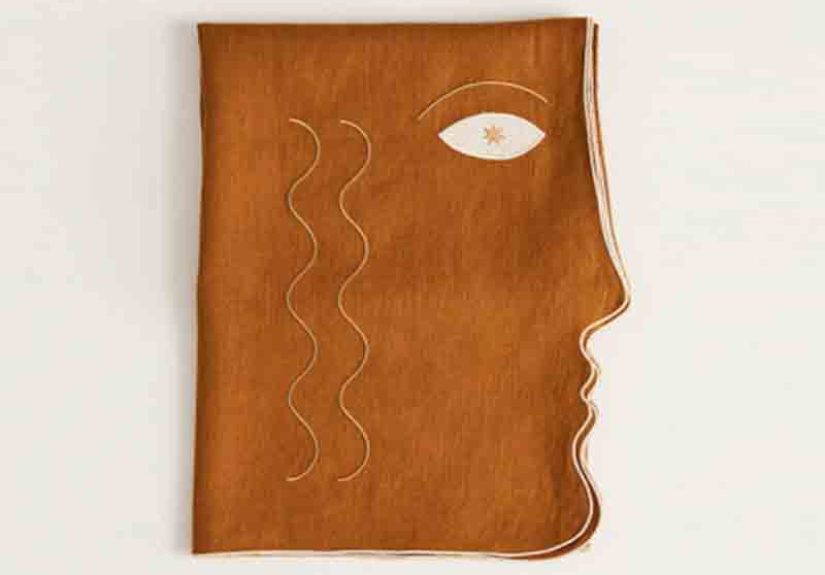
A tête à tête tableclothliterally “face-to-face”is all about creating an intimate dining zone for two.
Think of it as the table-linen equivalent of turning down the music so you can actually hear each other (wild concept, I know).
Whether you’re planning a cozy breakfast, a date-night dinner, or a “we survived Monday” dessert situation, a tête à tête setup
helps you set the mood without covering your entire table like you’re hosting a royal banquet.
In modern table styling, “tête à tête” usually shows up in two ways:
(1) a runner-style linen designed to visually “connect” two place settings, or
(2) a small tablecloth sized for compact tables (bistro, café, apartment-friendly dining).
Either way, the goal is the same: a deliberate, polished setting for two peoplewithout the fussy “I own twelve matching chargers” energy.
What “Tête à Tête” Means (and Why It Belongs on Your Table)
“Tête à tête” is commonly defined as a private, face-to-face conversation between two people.
That meaning maps perfectly onto the dining experience: two seats, one shared visual line down the center, and a layout that encourages conversation.
A tête à tête tablecloth isn’t just decorationit’s gentle, visual choreography. It tells your plates where to live, gives your centerpiece a runway,
and makes a random Tuesday meal feel a little more intentional.
Tête à Tête vs. Table Runner vs. Full Tablecloth
If table linens were outfits, here’s the vibe check:
- Full tablecloth: Classic, protective, sometimes dramatic. Great for holidays, messy meals, or hiding a table that’s seen things.
- Standard table runner: Adds style while showing off the table surface. Works for everyday and entertaining. Easy to swap seasonally.
-
Tête à tête tablecloth/runner: More specificoften sized and styled for two place settings. It creates an “intentional lane”
for dining and décor, especially on smaller tables or when you want a romantic, curated look without a full cloth.
The practical advantage? You get the polish of layered linens with less fabric to launder, iron, store, and resent.
The design advantage? It makes a small table feel styled, not cramped.
How to Choose the Right Size
Step 1: Decide the “Drop” (for a Tablecloth Version)
“Drop” is how far the fabric hangs down from the tabletop edge.
For everyday dining, a shorter drop looks relaxed and keeps fabric away from knees and chair arms.
For formal settings, a longer drop looks elegant and deliberate.
- Casual drop: about 6–8 inches (easygoing, practical)
- Formal drop: about 10–15 inches (polished, “special occasion”)
- Floor-length: typically around 29–30 inches (banquets, weddings, maximum drama)
Quick formula:
Tablecloth length = table length + (2 × desired drop)
Tablecloth width = table width + (2 × desired drop)
Example: Your table is 60″ long and 36″ wide. You want a casual 8″ drop.
Length: 60 + (2×8) = 76″ | Width: 36 + (2×8) = 52″
You’d shop for something close to 52″ × 76″ (or the nearest standard size).
Step 2: If It’s a Runner-Style Tête à Tête, Pick the Overhang
For runners, a common styling move is to let the runner hang over each end a bitenough to look intentional, not enough to look like a scarf
that fell off a chair and gave up. A classic guideline is around 6–12 inches of overhang on each end, depending on the look you want.
Runner formula:
Runner length = table length + (2 × desired overhang)
Example: Table length is 60″. You want 6″ overhang on each end.
Runner length: 60 + (2×6) = 72″.
Step 3: Get the Width Right (So It Doesn’t Swallow the Table)
Many stylists aim for a runner that’s roughly about one-third of the table width.
That keeps the runner looking sleek while still leaving room for plates and elbows.
On a small bistro table, a tête à tête runner may be slightly wider to “frame” two settingsespecially if it’s designed specifically for two.
Materials That Make Sense (and Look Good Doing It)
Linen: Relaxed Luxury
Linen is the MVP of “effortless but expensive-looking.”
It has texture, it drapes beautifully, and it tends to get softer over time.
Linen also wrinklesso if you’re someone who wants a perfectly crisp surface 24/7, linen may challenge your worldview.
The good news: a little rumple reads as “European café,” not “I forgot laundry day.” Usually.
Cotton: Dependable and Easy
Cotton is friendly, washable, and versatile. It can look crisp when pressed, casual when left natural, and it’s often more budget-friendly.
For a tête à tête tablecloth that gets real use (breakfast, homework, the occasional sauce incident), cotton is a practical choice.
Performance Blends and Woven Vinyl: Busy-Life Approved
Some households want style and the ability to wipe things down like a superhero.
Performance blends and woven vinyl runners can offer stain resistance and easy cleaning, making them popular for everyday setups,
especially if your dinner conversations include phrases like “Why is this sticky?”
How to Style a Tête à Tête Setup Like You Meant It
The “Two-Seat Bistro” Look (Small Tables, Big Charm)
If you have a small round or square table, a tête à tête tablecloth shines because it creates structure.
Keep the center simple: a small vase, a candle, or a low arrangement that won’t block eye contact.
The whole point is face-to-facedon’t put a floral skyscraper between you and the person you’re trying to talk to.
The “Runner + Placemats” Layered Look
Layering is where things get fun. A runner down the center creates a visual path, and placemats add boundaries for each place setting.
Want it to look designed? Pick one “pattern hero” (striped runner, printed linen, embroidered edge) and keep the rest calmer.
Or do the reverse: neutral runner, bold napkins. The table should feel like a conversation starter, not an argument.
Centerpieces That Don’t Ruin the Conversation
A tête à tête layout is naturally intimateso keep décor low and linear.
Consider a line of small bud vases, a few tea lights, or a simple garland.
If you’re hosting a date night, candles are basically the cheat code.
If you’re hosting breakfast, fresh fruit works (and you can eat it later, which is the kind of décor I support).
Setting the Table for Two: Casual to “We’re Using the Nice Glasses”
A tête à tête tablecloth pairs beautifully with a clean place setting because the linen already creates structure.
You can keep it simple (plate, fork, knife, glass, napkin) or build it up for a more formal vibe (starter plate, multiple glasses, extra utensils).
The key is symmetry: two settings that feel balanced, with a shared center line.
Quick Layout Tips
- Napkins: folded simply beside the plate or centered on it for a clean look.
- Glasses: keep them aligned, above and to the right of the plate area.
- Shared items: salt/pepper, butter, or a small dish can live on the runner’s center line.
- Conversation lighting: soft light beats overhead glareyour table isn’t a police interrogation room.
Care and Cleaning: Keep It Pretty Without Making It a Hobby
The best tablecloth is the one you’ll actually useso care matters.
Fabric type is your first clue: cotton and many linens are machine washable, while delicate trims or specialty fabrics may need gentler handling.
When in doubt, check the care label. When the care label disappears into the laundry void, cold or lukewarm water and a mild detergent
are usually safer than heat and hope.
Stain Strategy (Because Life Happens Mid-Bite)
- Act fast: blotdon’t rub. Rubbing spreads the stain like gossip.
- Pre-treat: a gentle stain remover or a small amount of dish soap can help before washing.
- Red wine: blot, then use a sensible method (often involving salt, a mild soap solution, and/or a vinegar-water approach depending on fabric).
- Oil: blot, then use a degreasing pre-treatment before washing.
- Wax: let it harden, gently lift what you can, then treat the residue carefully per fabric instructions.
Washing Linen Without Breaking Its Spirit
Linen generally does best in cool or lukewarm water with mild detergent.
Avoiding fabric softener is often recommended because linen softens naturally over time and residue can build up.
Dry on low or air dry if you want less shrink risk and fewer “why is this suddenly a doll-sized tablecloth?” moments.
Wrinkles: The Great Linen Debate
You have three options:
(1) embrace the relaxed look,
(2) press it for crispness, or
(3) do the “damp smooth” tricklay it flat, mist lightly, smooth by hand, and let it finish drying.
Choose the path that fits your personality and your available patience.
Buying Checklist: What to Look For
- Purpose: everyday use, date nights, holidays, or restaurant-style entertaining?
- Material: linen for drape, cotton for ease, performance for durability.
- Construction: neat hems, quality stitching, corners that lie flat.
- Size: measure firstguessing is how you end up with “runner” that’s actually a placemat.
- Color and pattern: neutrals are flexible; patterns can define the whole mood.
- Care: machine washable is a gift to your future self.
Common Mistakes (and Easy Fixes)
Mistake: The Runner Is Too Short
Fix: either choose a longer runner next time, or style it deliberately with no overhangcenter it and add a low centerpiece to make the choice look intentional.
Confidence is 60% of décor.
Mistake: The Centerpiece Blocks Eye Contact
Fix: swap tall florals for low arrangements, candles, or a line of bud vases. Your tête à tête is about faces, not foliage.
Mistake: The Fabric Feels Too Formal for a Weeknight
Fix: pair it with everyday dishes, simple napkins, and a casual menu. A linen runner with pizza is not “wrong”it’s aspirational.
Conclusion: Small Linen, Big Mood
A tête à tête tablecloth is a simple upgrade with outsized impact.
It helps you style a table for two with intentionwhether you’re aiming for cozy café charm, modern minimalism, or “we’re celebrating because we found matching socks.”
Pick the right size, choose a material that matches your real life, and keep the center low enough for conversation.
If your table feels inviting, the meal gets better before the food even shows up.
Extra: of Real-World “Tête à Tête” Experiences People Relate To
If you’ve ever tried to make a normal weeknight feel special, you already understand the power of a tête à tête tablecloth.
One of the most common experiences people describe is the “accidental date night” effect: you throw down a small runner,
light a candle, and suddenly the same pasta you’ve eaten a hundred times feels like it came with a reservation and background jazz.
It’s not that the tablecloth magically turns you into a Michelin-star chefit’s that the setup makes you slow down.
A two-person layout quietly suggests, “Hey, sit here. Stay a minute.”
Another relatable moment: the small-apartment dining table struggle. A full tablecloth can feel like too much fabric for too little real estate,
especially when your table also functions as a work desk, a homework station, and occasionally a “temporary storage solution” for unopened mail.
A tête à tête runner is often the compromise that actually works. You can dress the table for dinner and still see the tabletop,
which helps the space feel less cluttered and more… grown-up. (Not fully grown-up. But like, “I own a candle” grown-up.)
Then there’s the “hosting for two” situationmaybe your friends canceled, your plans changed, or you just decided you like peace and quiet.
A tête à tête tablecloth makes a meal for two feel complete without the awkward emptiness of a big formal spread.
People often say it helps them stop treating smaller gatherings like a downgrade.
Instead of “just us,” it becomes “us on purpose.” Add a small centerpiecelike a little vase with grocery-store flowersand the table looks designed,
not improvised.
And yes, there’s the stain chapter. Someone always spills something at the exact moment you think, “Wow, this looks really nice.”
The shared experience here is learning that the best linens aren’t the ones that never get usedthey’re the ones that survive being used.
Once people find a care routine they trust (blot fast, wash gently, don’t panic), they stop saving the pretty cloth for “someday.”
That shift is kind of the whole point: a tête à tête tablecloth is a tool for making ordinary meals feel a bit more intentionalregular life, but styled.







 Close
Close