
Table of Contents >> Show >> Hide
- What Are Thai Golden Purses?
- Why This Thai Golden Purses Appetizer Recipe Works
- Ingredients
- How to Make Thai Golden Purses
- Pro Tips for Crispy, Beautiful Golden Purses
- Make-Ahead and Storage Tips
- Air Fryer Option
- Easy Variations
- What to Serve With Thai Golden Purses
- Food Safety Notes
- Common Mistakes to Avoid
- Kitchen Experience: What Making Thai Golden Purses Teaches You
- Conclusion
- SEO Tags
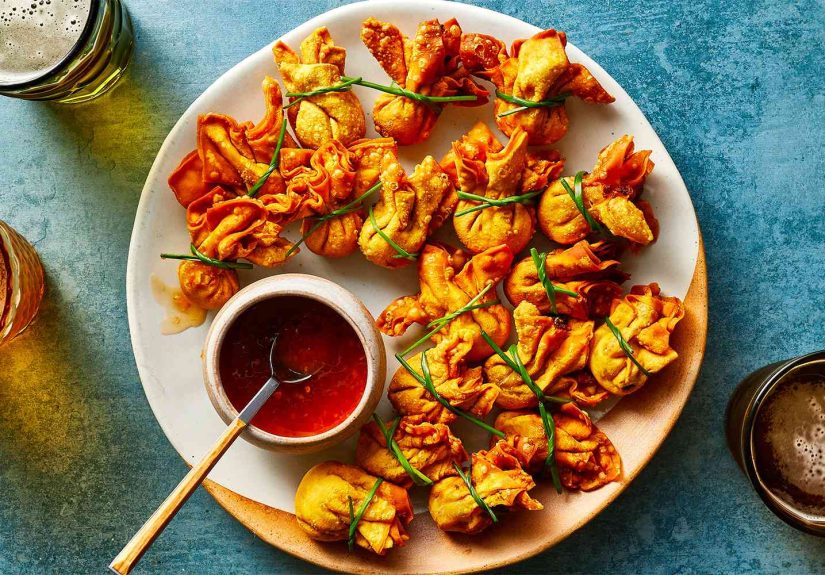
Thai Golden Purses are the kind of appetizer that makes people pause mid-conversation and ask, “Wait, what are these adorable crunchy little gifts?” Also known as Thai money bags or thung thong, these crispy wonton purses are stuffed with a savory filling, gathered into a pouch shape, tied like tiny treasure bags, and fried until beautifully golden. They look fancy enough for a dinner party, but they are surprisingly approachable once you learn the folding trick.
This Thai Golden Purses appetizer recipe brings together juicy ground pork, chopped shrimp, crisp water chestnuts, garlic, cilantro stems, white pepper, and a balanced mix of salty-sweet seasonings. The result is crunchy on the outside, tender inside, and perfect with sweet chili sauce, plum sauce, or a bright homemade dipping sauce. Think of them as edible party favorsexcept nobody has to pretend they like them. They will.
In Thai cooking, the purse shape is symbolic. The little golden pouch resembles a bag of wealth, making it popular for celebrations, holidays, weddings, and festive gatherings. In your kitchen, it means one more important thing: your appetizer tray is about to look like it hired a stylist.
What Are Thai Golden Purses?
Thai Golden Purses, or thung thong, are crispy fried dumplings shaped like small drawstring bags. They are usually made with thin wrappers, often wonton wrappers or spring roll wrappers, and filled with a seasoned mixture of meat, seafood, vegetables, and aromatic herbs.
The classic version often includes pork and shrimp, but there are many variations. Some cooks use chicken, tofu, mushrooms, glass noodles, corn, carrots, or green peas. The key is texture. A good golden purse should have a crunchy shell, a moist filling, and a little surprise in every bite. Water chestnuts are especially useful because they stay crisp after cooking, adding that tiny “crunch-pop” moment that makes the filling more exciting.
Why This Thai Golden Purses Appetizer Recipe Works
This recipe is designed for home cooks who want restaurant-style results without needing a culinary degree, a ceremonial wok, or a sous-chef named Kevin. The filling is flavorful but not complicated, and the folding method is easy once you get the rhythm.
It Balances Flavor and Texture
Ground pork gives the filling richness, shrimp adds sweetness and bounce, and water chestnuts bring crunch. Garlic, cilantro stems, and white pepper create the aromatic backbone common in Thai-style savory fillings. A little soy sauce, fish sauce, oyster sauce, and sugar round everything out.
It Uses Easy-to-Find Ingredients
You can find wonton wrappers in many U.S. grocery stores, usually near tofu, fresh noodles, or refrigerated produce. Sweet chili sauce is widely available in the international aisle. Chives, scallions, or softened green onion strips can be used to tie the purses.
It Is Party-Friendly
You can assemble the purses ahead of time, refrigerate them, and fry them shortly before serving. That means you can greet guests looking calm and capable instead of standing over the stove whispering, “Please behave,” to a pan of appetizers.
Ingredients
For the Golden Purses
- 30 square wonton wrappers
- 6 ounces ground pork
- 6 ounces raw shrimp, peeled, deveined, and finely chopped
- 1/3 cup finely chopped water chestnuts
- 2 tablespoons finely chopped scallions
- 2 tablespoons chopped cilantro stems or cilantro roots, if available
- 3 cloves garlic, minced
- 1/2 teaspoon ground white pepper
- 1 tablespoon soy sauce
- 1 tablespoon oyster sauce
- 1 teaspoon fish sauce
- 1 teaspoon sugar
- 1 teaspoon toasted sesame oil
- 1 teaspoon cornstarch
- 30 long chives, blanched, or thin green onion strips
- Neutral oil for frying, such as canola, peanut, or vegetable oil
For Serving
- Sweet chili sauce
- Plum sauce
- Fresh cilantro leaves
- Lime wedges
- Thinly sliced cucumber or shredded lettuce for the platter
How to Make Thai Golden Purses
Step 1: Prepare the Ties
Bring a small pot of water to a boil. Add the chives or green onion strips for 10 to 15 seconds, just until flexible. Transfer them to cold water, then pat dry. This quick blanching step keeps the ties from snapping when you wrap them around the purses.
Step 2: Make the Filling
In a medium bowl, combine the ground pork, chopped shrimp, water chestnuts, scallions, cilantro stems, garlic, white pepper, soy sauce, oyster sauce, fish sauce, sugar, sesame oil, and cornstarch. Mix until the filling looks slightly sticky and evenly combined. This helps the filling hold together inside the wrapper.
If you have time, cover the bowl and refrigerate the filling for 20 to 30 minutes. This short rest allows the seasonings to mingle. Consider it a tiny flavor meeting where everyone agrees to be delicious.
Step 3: Fill the Wrappers
Place one wonton wrapper on a clean work surface. Keep the remaining wrappers covered with a slightly damp towel so they do not dry out. Spoon about 1 to 1 1/2 teaspoons of filling into the center. Avoid overfilling. A purse that is too full may burst in the oil, and nobody invited appetizer drama.
Step 4: Shape the Purses
Dip your finger in water and lightly moisten the edges of the wrapper. Gather the corners and sides up around the filling to form a small pouch. Pinch gently just above the filling to create a neck. Tie a blanched chive or green onion strip around the neck of the pouch. Trim the ends if they are too long.
Set the finished purse on a parchment-lined tray. Repeat with the remaining wrappers and filling. Do not stack them, because the wrappers can stick together.
Step 5: Heat the Oil
Pour 2 to 3 inches of neutral oil into a heavy pot or deep skillet. Heat to about 325°F to 350°F. A thermometer is the easiest way to manage the temperature. If the oil is too cool, the purses absorb oil and become greasy. If it is too hot, the wrappers brown before the filling cooks through.
Step 6: Fry Until Golden
Fry the purses in small batches for 2 to 4 minutes, turning gently as needed, until the wrappers are crisp and golden brown. Do not overcrowd the pot. Crowding lowers the oil temperature and can turn your crunchy masterpiece into a sad, oily committee meeting.
Transfer the fried purses to a wire rack or paper towel-lined plate. Let them drain briefly. Serve hot with sweet chili sauce or plum sauce.
Pro Tips for Crispy, Beautiful Golden Purses
Use Less Filling Than You Think
The biggest beginner mistake is overfilling. A small spoonful is enough. The wrapper needs room to gather neatly, and the filling needs enough space to cook evenly.
Keep Wrappers Covered
Wonton wrappers dry out quickly. Keep them under a damp towel while you work. Dry wrappers crack, and cracked wrappers leak. Leaky wrappers make the oil angry. Nobody wins.
Choose the Right Oil
Use a neutral, high-heat oil such as canola, peanut, or vegetable oil. Strong-flavored oils can compete with the delicate filling, while low-smoke-point oils are not ideal for frying.
Drain on a Rack for Maximum Crunch
A wire rack allows steam to escape and helps the bottoms stay crisp. Paper towels work, but if the purses sit too long, trapped steam can soften the bottoms.
Make-Ahead and Storage Tips
You can assemble Thai Golden Purses several hours ahead of time. Arrange them in a single layer on a parchment-lined tray, cover loosely with plastic wrap, and refrigerate until ready to fry. For the best texture, fry them right before serving.
Leftovers can be refrigerated in an airtight container for up to 2 days. Reheat them in an oven or air fryer at 350°F until hot and crisp. Avoid microwaving if possible. The microwave turns crispy wrappers into chewy wrappers, and chewy wrappers are not living their best life.
Air Fryer Option
For a lighter version, brush or spray the assembled purses lightly with oil. Place them in a single layer in an air fryer basket and cook at 350°F for 7 to 10 minutes, turning gently if needed, until crisp and golden. The texture will be slightly different from deep-fried golden purses, but still delicious.
Easy Variations
Chicken Golden Purses
Replace the pork with ground chicken. Because chicken is leaner, add an extra teaspoon of sesame oil or a tablespoon of finely chopped mushrooms to keep the filling moist.
Vegetarian Golden Purses
Use finely chopped mushrooms, firm tofu, shredded cabbage, carrots, and water chestnuts. Season with soy sauce, sesame oil, garlic, white pepper, and a small pinch of sugar. Make sure the vegetable mixture is not watery before wrapping.
Spicy Thai Golden Purses
Add finely minced Thai chile, chili crisp, or a small spoonful of red curry paste to the filling. Start small. You want a pleasant kick, not a purse full of fireworks.
What to Serve With Thai Golden Purses
Thai Golden Purses are perfect as a party appetizer, holiday starter, game-day snack, or first course for a Thai-inspired dinner. Serve them with chicken satay, fresh spring rolls, papaya salad, coconut soup, pad Thai, or Thai basil chicken. For drinks, pair them with iced tea, sparkling water with lime, a crisp lager, or a bright citrus mocktail.
For presentation, line a platter with lettuce leaves or cucumber slices, then arrange the purses upright. Add a small bowl of sweet chili sauce in the center and sprinkle cilantro leaves around the platter. The result looks festive, colorful, and much harder than it actually was. That is the dream.
Food Safety Notes
Because this recipe uses raw pork and shrimp, cook the filling thoroughly. Ground pork should be cooked to a safe temperature, and shrimp should turn firm, pearly, and opaque. If you are unsure, use an instant-read thermometer by testing one purse from the batch. Also keep raw filling chilled until ready to assemble, wash hands and utensils after handling raw proteins, and avoid leaving cooked appetizers at room temperature for extended periods.
Common Mistakes to Avoid
Using Wet Filling
A watery filling makes wrappers soggy and harder to seal. Pat shrimp dry before chopping, drain canned water chestnuts well, and avoid adding too much liquid seasoning.
Skipping the Chive Blanch
Raw chives can snap when tied. Blanching softens them just enough to wrap around the purse without breaking.
Frying Too Many at Once
Small batches are the secret to even browning. Give each purse enough room to float and crisp. Appetizers, like people at a networking event, need personal space.
Kitchen Experience: What Making Thai Golden Purses Teaches You
The first time you make Thai Golden Purses, you may feel like you are doing tiny culinary origami with a deadline. The first pouch might look charming. The second might look like it got dressed in the dark. By the fifth or sixth, your hands begin to understand the motion: fill, gather, pinch, tie, repeat. That rhythm is part of the fun. This recipe is not just about producing a platter of appetizers; it is about learning how texture, patience, and presentation work together.
One useful experience is discovering that “less filling” is not a suggestionit is a law of physics wearing an apron. A modest teaspoon of filling gives the wrapper enough space to close neatly. Too much filling creates a lumpy pouch that resists tying and may split during frying. It is tempting to add more because the filling smells fantastic, but restraint creates a better bite.
Another lesson is the importance of organization. Thai Golden Purses are easiest when your station is ready before you begin. Keep wrappers covered, filling chilled, ties blanched, a water bowl nearby, and a lined tray ready for finished purses. This setup turns the process from chaotic to almost meditative. Without it, you may find yourself holding a half-tied wonton while searching for chives like a detective in a very small mystery.
Frying also teaches confidence. Many home cooks are nervous about hot oil, but a heavy pot, moderate heat, and a thermometer make the process manageable. When the purses hit the oil, they should bubble steadily, not violently. Watching them turn from pale wrappers into crisp golden pouches is deeply satisfying. It is the appetizer version of a glow-up montage.
Serving them is its own reward. Guests usually notice the shape before they taste anything. The little purse design makes the dish feel celebratory, even if the occasion is simply “Tuesday survived.” The first bite brings the crunch, then the juicy filling, then the sweet chili sauce. That combinationcrisp, savory, sweet, and aromaticis why Thai Golden Purses disappear quickly from a platter.
My best practical advice is to make a few extra. Some may not look perfect, and those become the cook’s samples. This is not a mistake; it is quality control. Also, do not wait until a major party to try the recipe for the first time. Make a small batch on a quiet weekend, practice the folding, and learn how your stove handles frying temperature. By the time you serve them to guests, you will feel prepared, relaxed, and maybe just a little smugin the best possible way.
Conclusion
Thai Golden Purses are crisp, savory, beautiful, and surprisingly doable at home. With a flavorful pork-and-shrimp filling, delicate wonton wrappers, and a simple tying technique, this Thai appetizer recipe turns everyday ingredients into a party-worthy dish. Serve them hot with sweet chili sauce, keep the oil temperature steady, and remember: tiny golden food bags have a way of making everyone at the table happier.





 Close
Close