Table of Contents >> Show >> Hide
- What “keto-friendly” protein powder actually means
- How we picked these powders (without falling for label hype)
- The 10 Best Low Carb, Keto-Friendly Protein Powders
- 1) Isopure Zero Carb Whey Protein Isolate (Unflavored)
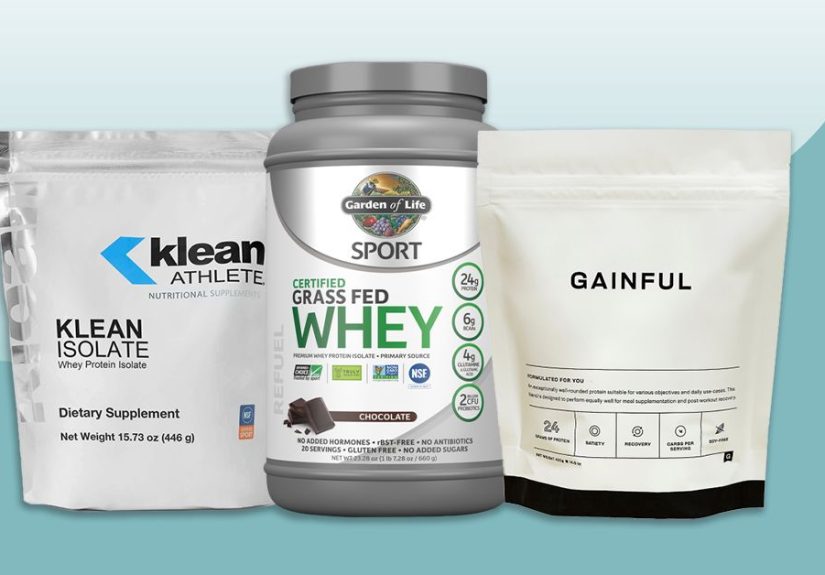
- 2) Klean Athlete Klean Isolate (Unflavored)
- 3) NOW Sports Whey Protein Isolate
- 4) Optimum Nutrition Gold Standard 100% Isolate
- 5) Dymatize ISO100 (Hydrolyzed Whey Protein Isolate)
- 6) Levels Grass-Fed Whey Protein Powder (Unflavored)
- 7) Nutricost Grass-Fed Whey Protein Isolate (Unflavored)
- 8) Ascent Chocolate Protein Powder
- 9) Quest Protein Powder Multi-Purpose Mix
- 10) Vital Proteins Collagen Peptides (Unflavored)
- How to choose the right one for your keto macros
- Easy keto-friendly ways to use protein powder (that don’t taste like sadness)
- FAQs
- Real-world experiences : what people notice when they actually live with these powders
- Wrap-up
Keto can be simple… right up until you’re standing in the supplement aisle trying to decode whether “cookie dough explosion”
means “0g sugar” or “surprise: it’s basically dessert.” If you’re keeping carbs low, protein powder can be a convenient tool
but only if the label isn’t doing gymnastics.
This guide breaks down 10 genuinely low-carb, keto-friendly protein powders (mostly whey isolates, plus a couple of smart
alternatives), with plain-English tips on what to look for: carbs, sweeteners, ingredient lists, and quality signals.
Quick safety note (especially if you’re under 18): Keto-style eating can be very restrictive. If you’re a teen,
pregnant, managing a medical condition, or taking medications, talk with a qualified clinician (and a parent/guardian if relevant)
before making big dietary changes or using supplements regularly. Protein powders are supplementsnot magicand they’re not meant
to replace real meals.
What “keto-friendly” protein powder actually means
“Keto-friendly” isn’t a regulated phrase. In real life, it usually means:
- Low total carbs per serving (often 0–4g; stricter keto fans aim for 0–2g).
- Minimal sugar (ideally 0–1g) and no big carb fillers.
- Protein-forward macros (typically 20–30g protein per scoop).
- Ingredients you recognizeand fewer of them.
How we picked these powders (without falling for label hype)
We prioritized products that keep carbs low and make sense as everyday protein sources. Here’s what mattered most:
- Carbs per scoop: kept low, with bonus points for truly minimal sugars.
- Protein source quality: whey isolate tends to be lower in lactose/carbs than concentrate; collagen is low-carb but incomplete.
- Sweeteners & tolerability: stevia/monk fruit/sucralose hit people differently; sugar alcohols can be… dramatic.
- Manufacturing & trust signals: clear nutrition facts, transparent labeling, and (when available) third-party testing/certifications.
- Use case: shakes, smoothies, baking, coffee, travel packs, or “I just want it to mix without clumps.”
The 10 Best Low Carb, Keto-Friendly Protein Powders
1) Isopure Zero Carb Whey Protein Isolate (Unflavored)
Why it’s here: If you want “low carb” to mean literally “none,” Isopure’s unflavored option is the cleanest fit.
It’s a classic for keto because it plays nicely with coffee, smoothies, and recipes where you don’t want extra sweetness.
- Typical macros: 25g protein, 0g total carbs per scoop.
- Best for: very strict low-carb plans, neutral flavor, mixing into foods.
- Heads up: unflavored means unflavored. In plain water, it tastes like… protein.
2) Klean Athlete Klean Isolate (Unflavored)
Why it’s here: Minimal ingredient lists are a keto shopper’s love language. Klean Isolate keeps things simple
and is popular with athletes who want a straightforward whey isolate that blends easily without turning into dessert.
- Typical macros: 20g protein, about 1g total carbs per scoop (unflavored version).
- Best for: “clean label” fans, athletes, and people sensitive to strong sweeteners.
- Heads up: Price can run higher than big-box brands, depending on retailer.
3) NOW Sports Whey Protein Isolate
Why it’s here: This is the “solid basics at a fair price” pick. NOW’s isolate is widely available and tends
to be easy to fit into low-carb macros without overthinking it.
- Typical macros: around 25g protein and ~1g total carbs per serving (varies by flavor).
- Best for: budget-conscious shoppers who still want an isolate-style macro profile.
- Heads up: If you’re sensitive to certain sweeteners, read the ingredient list by flavor.
4) Optimum Nutrition Gold Standard 100% Isolate
Why it’s here: A reliable mainstream isolate with a low-carb label and a reputation for consistent taste and mixability.
If you want something “boringly dependable,” this is it (and boring is underrated).
- Typical macros: 25g protein and about 1g total carbs per serving (check flavor-specific labels).
- Best for: everyday shakes, post-workout protein, and predictable texture.
- Heads up: Flavor formulas vary; always check the specific tub’s nutrition facts.
5) Dymatize ISO100 (Hydrolyzed Whey Protein Isolate)
Why it’s here: ISO100 is known for smooth mixing and a lean macro profile. Hydrolyzed whey can be easier on digestion
for some people, and it’s a common choice for athletes who want a fast-mixing shake that doesn’t feel heavy.
- Typical macros (example flavor): 25g protein and ~2g total carbs per scoop.
- Best for: very smooth shakes, people who want a “lighter” feel, flavor variety.
- Heads up: Many flavors include sweeteners (like sucralose/stevia). If that’s a dealbreaker, pick carefully.
6) Levels Grass-Fed Whey Protein Powder (Unflavored)
Why it’s here: Levels is a popular “short ingredient list” brand that still tastes good when you add your own flavor.
Unflavored is especially keto-friendly because you control what goes in (and what doesn’t).
- Typical macros: about 24g protein and ~2g total carbs per serving (unflavored).
- Best for: DIY flavoring (cocoa, cinnamon, instant coffee), smoothies, baking.
- Heads up: If you’re extremely strict keto, 2g is usually finebut it’s not “zero.”
7) Nutricost Grass-Fed Whey Protein Isolate (Unflavored)
Why it’s here: If you want isolate macros without boutique pricing, Nutricost’s grass-fed isolate is often a strong value.
Unflavored also makes it easy to keep carbs and sweeteners under control.
- Typical macros: low carb (about ~1g total carbs per serving) with an isolate-style protein profile.
- Best for: strict label-checkers who want a simple base powder.
- Heads up: Unflavored powders are best when you add your own flavor plan (see recipe ideas below).
8) Ascent Chocolate Protein Powder
Why it’s here: Not everyone wants “unflavored minimalism.” Ascent’s chocolate option stays reasonably low in carbs
while still tasting like a treatwithout dumping in a pile of sugar.
- Typical macros (chocolate): 25g protein and ~4g total carbs per scoop.
- Best for: people who want flavor but still want low-carb discipline.
- Heads up: 4g carbs is still low, but ultra-strict keto folks may prefer a 0–2g option.
9) Quest Protein Powder Multi-Purpose Mix
Why it’s here: This one is great if your “protein powder era” includes baking. Quest’s multi-purpose powder is designed
to work in recipesthink pancakes, muffins, and protein “cookie” experiments that don’t taste like chalk.
- Typical macros: about 24g protein and ~1g total carbs per scoop (as listed in common nutrition databases).
- Best for: low-carb baking, thick shakes, and DIY kitchen projects.
- Heads up: Multi-purpose powders can behave differently in liquidssome are thicker by design.
10) Vital Proteins Collagen Peptides (Unflavored)
Why it’s here: Collagen is naturally low-carb and mixes easily into coffee, tea, and broths. It’s convenient and very keto-friendly
from a carb standpointbut it is not a complete protein (it doesn’t contain all essential amino acids in ideal proportions).
- Typical macros: ~18g protein and 0g total carbs per serving (often 2 scoops).
- Best for: adding protein to hot drinks, gentle flavor, low-carb convenience.
- Heads up: Use collagen as a supplement to your protein intake, not your only protein source.
How to choose the right one for your keto macros
Start with the carb math (and don’t get tricked by serving sizes)
Compare products using the same serving size. Some “scoops” are 25g, some are 35g, and some are “two scoops” pretending to be one.
If you’re tracking carbs closely, look at total carbs and sugar first, then check fiber and sugar alcohols.
Pick your protein source with intention
- Whey isolate: Usually the lowest carb dairy option, often easier on lactose-sensitive stomachs.
- Whey concentrate: Can be slightly higher in carbs/lactose; still low-carb in many brands, but check the label.
- Collagen: Low-carb, easy mixing, but incompletepair with complete proteins.
- Plant proteins: Can be keto-friendly, but carbs vary and some people notice more digestive issues (and some testing reports raise contaminant concerns).
Sweeteners: the “your mileage may vary” category
Keto powders often use stevia, monk fruit, or sucralose to keep sugar low. Some people do great with these; others get bloating,
headaches, or an aftertaste that ruins their whole day. If you’re sensitive, start with unflavored and add your own:
cocoa powder, cinnamon, instant coffee, vanilla extract, or a small amount of keto-friendly sweetener you already tolerate.
Easy keto-friendly ways to use protein powder (that don’t taste like sadness)
1) The “keto smoothie that still feels like a smoothie”
- 1 scoop unflavored whey isolate
- 1–2 tbsp cocoa powder
- 1–2 tbsp peanut butter (or almond butter)
- Unsweetened almond milk + ice
- Optional: a pinch of salt (seriouslyflavor boost)
2) Protein coffee (a.k.a. “proffee,” a word we all agreed to pretend is normal)
Let hot coffee cool slightly, then whisk/blend in unflavored isolate or collagen. If you dump powder into boiling coffee,
you may invent a new form of latte foam that science can’t explain.
3) Keto yogurt bowl
Stir half a scoop into plain Greek yogurt, add cinnamon, and top with a few berries or chopped nuts.
Low-carb, high-protein, and it tastes like you tried.
FAQs
Is protein powder “necessary” on keto?
Nope. It’s convenient. Whole foods (meat, fish, eggs, dairy, tofu, etc.) can cover protein needs just fine.
Protein powder is most useful when you’re busy, picky, traveling, or simply struggling to hit protein targets with meals.
Is “net carbs” more important than total carbs?
If you track net carbs, you still need to understand what’s being subtracted (fiber and sometimes sugar alcohols).
Total carbs are the simplest comparison, and for many people, it’s the safer bet when choosing a powder.
What’s the most keto-friendly flavor?
Unflavored is usually the easiest way to avoid surprise carbs and sweetener issues. If you want flavored,
look for 0–1g sugar and minimal total carbsand confirm the label for that exact flavor.
Can teens use protein powder?
Sometimes, but it should be approached carefully. Teens often do better focusing on balanced meals first.
If a clinician or dietitian recommends supplementation (for sports, medical, or dietary reasons), choose a simple product and use it as directed.
Real-world experiences : what people notice when they actually live with these powders
Reading nutrition labels is one thing. Living with a protein powder is another. In real kitchens (and real gym bags),
people tend to have a handful of recurring experiencessome helpful, some annoying, and some weirdly specific.
First: taste expectations get “reset” on low carb. When someone cuts sugar for a while, a powder that used to taste “mild”
can suddenly taste intensely sweetor weirdly artificial. That’s why a lot of keto folks end up loving unflavored isolates.
It’s not that unflavored tastes amazing; it’s that it stops hijacking everything you mix it with. People often start with a flavored tub,
get tired of the sweetener after a week, and then keep a plain isolate around like a culinary safety blanket.
Second: digestion is the make-or-break factor. Many people report that their “best” powder is simply the one that doesn’t
start a negotiation with their stomach. Even within whey, the form matters: isolates often feel lighter than concentrates,
and hydrolyzed whey is sometimes reported as easier to tolerate. Sweeteners also play a role. A powder can be “perfect” on paper,
but if the sweetener leaves someone bloated or crampy, it’s not a winit’s a lesson. A common strategy is to test powders in half servings
for a few days, then scale up if everything feels normal.
Third: mixing behavior becomes a personality test. Some powders dissolve like a dream with a fork and a mug.
Others require a shaker ball, vigorous shaking, and a brief moment of hope. People who drink protein daily tend to develop a system:
add liquid first, powder second, then shake hard for 15–20 seconds, let it sit for a minute, and shake again. That little “rest”
often reduces foam and clumps. And yes, many people learn the hard way that some powders thicken as they sitespecially when used
for baking-style mixes or when combined with certain fibers.
Fourth: the best keto results are usually boring. The powders that “work” long-term are often not the ones with the wildest
flavors; they’re the ones that fit into routines without drama. People commonly rotate between:
a simple unflavored isolate for daily use, a chocolate option for cravings, and a collagen powder for coffee or travel.
That rotation keeps taste fatigue down and makes it easier to stay consistent without chasing novelty tubs that end up collecting dust.
Fifth: people discover their favorite use case by accident. Someone buys an isolate for shakes, then realizes it’s perfect
stirred into Greek yogurt. Someone buys collagen for “skin and nails,” then keeps it because it makes protein coffee effortless.
Someone buys a multi-purpose powder “to bake,” then ends up using it to thicken smoothies. The most common pattern is this:
once people stop expecting a protein powder to taste like milkshakes, they start using it like an ingredientone that can make
low-carb eating easier, not louder.
Bottom line: the “best” keto-friendly protein powder isn’t just low carb. It’s the one you can tolerate, afford, and actually use repeatedly.
If you find a powder that checks those boxes, congratulationsyou’ve unlocked the rarest supplement benefit of all: consistency.
Wrap-up
Keto-friendly protein powder shopping gets much easier when you ignore the hype and focus on three things:
total carbs, ingredient list, and how your body responds. Start simple, check the exact flavor label,
and treat protein powders as toolsnot meal replacements.