
Table of Contents >> Show >> Hide
Southern gardens can be gloriously generous. They can also be gloriously rude. One week you are admiring fresh new growth, and the next you are standing in full humidity, holding a limp trowel, wondering why your “easy-care” plant has decided to become a dramatic Victorian ghost. That is exactly why choosing the right perennials matters so much in the South.
The best low-maintenance perennials for Southern gardens are not just pretty faces. They need to handle heat, humidity, long summers, surprise dry spells, heavy rain, and the kind of soil that ranges from fluffy coastal sand to red clay with the personality of a brick. The good news is that plenty of perennials are built for this job. Once established, they come back year after year with less replanting, less fuss, and far fewer garden tantrums than high-maintenance annuals.
If you want a landscape that looks colorful without turning into a second full-time job, start with the ten plants below. They offer dependable bloom, strong Southern performance, and the kind of resilience that makes a gardener look more talented than they may actually be before coffee.
What Makes a Perennial Truly Low-Maintenance in the South?
Before we get to the list, it helps to define what “low-maintenance” really means in Southern gardening. In this region, the easiest perennials usually share a few traits: they tolerate heat and humidity, they do not need constant deadheading or dividing, they bounce back from summer stress, and they are not fussy about average garden conditions. Bonus points if they attract pollinators, ignore deer now and then, and keep blooming while the rest of the flower bed is reconsidering its life choices.
Another important rule is simple: right plant, right place. Even the toughest perennial becomes needy when it is shoved into the wrong light, wrong soil, or wrong moisture level. A drought-tolerant flower planted in soggy soil will complain. A shade perennial baked in afternoon sun will file a formal grievance. Match the plant to the site, and maintenance drops fast.
The 10 Best Low-Maintenance Perennials for Southern Gardens
1. Daylily
Daylilies are the classic Southern workhorses, and for good reason. They are adaptable, colorful, and impressively forgiving. If you want a perennial that can handle heat, tolerate periods of drought, and still throw out cheerful blooms, daylilies deserve a front-row seat in your garden.
They perform best in full sun, though many varieties will tolerate light shade. Their strap-like foliage adds structure even when they are not blooming, and newer cultivars offer extended flowering far beyond the old “blink and you missed it” types. Use them along driveways, in mixed borders, or in mass plantings where you need reliable color without constant pampering.
Why Southern gardeners love it: heat tolerance, broad soil adaptability, and a very low drama-to-bloom ratio.
2. Purple Coneflower
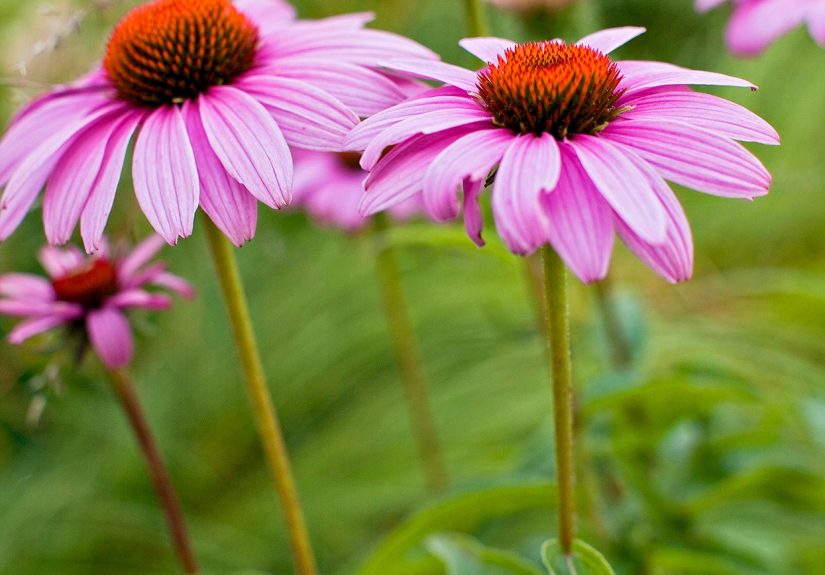
Purple coneflower is one of those plants that manages to be both rugged and charming. It fits cottage gardens, pollinator gardens, native-style borders, and even more formal landscapes if you repeat it in drifts. The daisy-like flowers bring summer color, while the seed heads add texture later in the season.
Once established, coneflower handles drought, heat, and average soils surprisingly well. It is also a smart choice if you want more butterflies in summer and more birds in fall. Plant it where it gets strong sun and decent drainage, then let it do its thing. It is not the sort of perennial that begs for constant intervention.
Best use: sunny borders, wildlife gardens, and mixed perennial beds that need structure and long-lasting color.
3. Black-Eyed Susan
If your garden needs a little sunshine with zero small talk, black-eyed Susan is your plant. These bright yellow flowers light up the landscape from summer into fall, and they look especially good mixed with purple, blue, or ornamental grass textures.
Black-eyed Susan is dependable in Southern heat and often tolerates lean soil better than fussy bloomers. It can self-seed a bit, which some gardeners love because it creates a natural, easygoing look. Others prefer to thin it occasionally and pretend they meant to design it that way from the beginning.
Why it earns a spot: long bloom season, easy care, and strong performance in hot sunny beds.
4. Coreopsis
Coreopsis is one of the easiest perennials to grow in Southern gardens, and it earns that reputation honestly. Its cheerful yellow, gold, or bicolor blooms brighten borders for months, especially if you give it a quick trim after the first flush. Threadleaf and lanceleaf types are especially useful for a relaxed, airy look.
This plant thrives in full sun and does not demand rich soil. In fact, too much fertility can make it floppy or short-lived. That makes coreopsis a smart pick for gardeners who prefer less fertilizer, less watering, and less hovering. It is especially effective planted in groups where the fine foliage softens the edge of walkways or beds.
Design tip: pair coreopsis with salvia or coneflower for a classic yellow-and-purple color combination that looks intentional and effortless.
5. Lantana
For many Southern gardeners, lantana is the all-star of hot-weather color. It laughs at blazing heat, shrugs at drought once established, and keeps flowering when less sturdy plants have already checked out for the season. Bees and butterflies adore it, and gardeners love how little babysitting it requires.
There is one important caveat: lantana behaves differently depending on where you garden. In the warmest parts of the South, it may act as a perennial or semi-woody perennial. In colder Southern areas, it may die back and return from the roots or be treated more like a seasonal performer. Also, some forms are invasive in parts of the South, so choose sterile or locally recommended varieties and always check regional guidance before planting.
Best feature: nonstop flower power through the hottest months of the year.
6. Perennial Salvia
Perennial salvias are the overachievers of the summer border. They bloom hard, tolerate heat, attract pollinators, and usually need little more than a haircut now and then to stay tidy. In Southern gardens, autumn sage, mealycup sage, and other perennial types are especially valuable because they keep the color going when spring flowers are long gone.
The spiky flowers add vertical contrast, which makes them useful next to rounder blooms like coneflower or black-eyed Susan. Their aromatic foliage is a nice bonus, and many types show decent drought tolerance once established. Give them good drainage and plenty of sun, and they will reward you with months of blooms.
Why it works: long flowering season, pollinator appeal, and easy maintenance with occasional trimming.
7. Gaura
Gaura looks delicate, but do not let the fluttery flowers fool you. This plant is tougher than it looks and beautifully suited to hot Southern conditions. The airy white or pink blooms seem to dance above the foliage, adding movement and softness to the garden from late spring into summer and often beyond.
Gaura shines in well-drained soil and full sun. It dislikes soggy conditions but handles heat, humidity, and periods of drought with impressive grace. Because it has such a loose, natural shape, it works best in informal borders, cottage gardens, or pollinator plantings where a little movement is welcome.
Use it when: your flower bed needs a lighter texture and a more relaxed, natural feel.
8. Blanket Flower
Blanket flower is the kind of plant that makes hot, sunny, dry spots look a lot more intentional. Its red, orange, and gold tones feel perfectly at home in Southern landscapes, especially in gardens with warm brick, stone, or terracotta hardscaping.
This perennial thrives in full sun and generally prefers lean, well-drained soil. Rich soil and overwatering are not doing it any favors. In other words, it is a great choice for gardeners who want color without having to coddle every stem. It also attracts butterflies, which makes it even more useful in a pollinator-friendly planting plan.
Great for: tough sunny sites, drought-prone beds, and gardeners who appreciate hot-color flowers that keep going.
9. Hardy Hibiscus
If you want a low-maintenance perennial with a little Southern swagger, hardy hibiscus is hard to beat. The flowers are huge, tropical-looking, and impossible to ignore. Yet the plant itself is surprisingly straightforward as long as you give it the moisture and sun it prefers.
Unlike some drought-loving perennials on this list, hardy hibiscus is happiest in evenly moist soil. That makes it ideal for rain gardens, low spots, or beds near downspouts where other plants might sulk. It dies back in winter and returns with gusto when warm weather arrives. Because it emerges late, patient gardeners do best with this one. Do not pronounce it dead in April and replace it with something else unless you enjoy awkward garden apologies.
Why include it: giant summer flowers with surprisingly manageable care in the right location.
10. Autumn Fern
Not every low-maintenance Southern perennial needs to flower its head off. Autumn fern earns its place because shady gardens need reliable performers too. This fern offers coppery new fronds, rich green mature foliage, and season-long texture that makes dark corners feel lush instead of forgotten.
It is especially useful in woodland gardens, under trees, or along the north side of a house where flowering perennials can struggle. Once established in moist, well-drained soil, autumn fern is fairly easygoing and far less needy than many shade plants. It pairs beautifully with hostas, hellebores, cast-iron plants, and shade-loving groundcovers.
Why it matters: it brings low-maintenance beauty to the shade, which is often the hardest part of a Southern yard to make look polished.
How to Make These Perennials Even Easier to Grow
Even low-maintenance perennials appreciate a smart start. Improve planting holes with compost if your soil is especially poor, but do not go overboard with fertilizer. Water deeply during establishment, then gradually back off so roots grow down instead of getting lazy near the surface. Add mulch to keep roots cooler, preserve moisture, and slow weeds. In Southern gardens, mulch is less of a luxury and more of a peace treaty.
Group plants by moisture needs. Put drought-tolerant choices like blanket flower, salvia, coreopsis, and gaura together in the sunniest, fastest-draining parts of the yard. Reserve moister spots for hardy hibiscus and other thirstier performers. Use autumn fern in shade instead of trying to force a sun-loving bloomer to survive under a tree canopy on optimism alone.
Common Mistakes Southern Gardeners Make
The biggest mistake is assuming any perennial labeled “easy” will thrive anywhere in the South. This region is simply too diverse for that. A plant that cruises through coastal Florida may struggle in inland clay. A perennial that loves Georgia sun might not love a soggy Gulf Coast site. Always consider your USDA zone, rainfall pattern, drainage, and light exposure before buying half the nursery because you were feeling inspired and slightly unsupervised.
Another mistake is overwatering established plants. Many tough perennials perform best when the soil dries a bit between waterings. Too much love can be just as damaging as neglect. Finally, avoid stuffing plants too closely together. Southern humidity already creates enough stress. Good airflow is one of the cheapest maintenance tools you will ever use.
Final Thoughts
The best low-maintenance perennials for Southern gardens are the ones that work with your climate instead of picking fights with it. Daylily, coneflower, black-eyed Susan, coreopsis, lantana, salvia, gaura, blanket flower, hardy hibiscus, and autumn fern each bring something valuable to the table, whether that is nonstop color, shade texture, pollinator support, or strong heat tolerance.
Choose a few that fit your light and soil conditions, plant them in generous groups, and give them a smart start. After that, the garden gets easier. Not no-work easy, because this is still gardening and nature enjoys surprises, but refreshingly manageable. And in a Southern summer, “refreshingly manageable” is practically poetry.
Gardener Experiences: What Living With These Perennials Is Really Like
Ask Southern gardeners about low-maintenance perennials, and you will hear the same pattern over and over: the first year teaches patience, the second year builds confidence, and by the third year you start walking through the yard like you personally invented sunlight. That is the beauty of dependable perennials in a hard-working climate.
One of the most common experiences is the relief of not having to replant entire beds every season. Gardeners who switch from annual-heavy landscapes to perennial-centered borders often talk about how much calmer gardening becomes. Instead of starting from scratch every spring, they are editing, shaping, and improving what is already there. That is a completely different relationship with the yard. It feels less like emergency management and more like stewardship.
Another familiar lesson is that Southern heat reveals the truth quickly. Plants that are merely “pretty” tend to fade fast in July and August. Plants like daylily, salvia, and lantana earn trust because they still look presentable when the air feels like warm soup. Gardeners begin to notice which perennials ask for a little mulch and a drink, and which ones demand constant rescue. Once that pattern becomes clear, shopping habits change dramatically. Suddenly the flashy but needy plant at the garden center loses its charm, and the sturdy bloom machine starts looking downright glamorous.
There is also a design lesson that comes with experience. Many Southern gardeners discover that repeating a few durable perennials looks better than stuffing one of everything into a bed. Three clumps of coreopsis feel intentional. A drift of black-eyed Susans looks generous. Repeating autumn fern through a shady side yard makes the whole space feel more polished. Low-maintenance gardening is not just about less work. It is also about making the landscape feel calmer and more cohesive.
Gardeners also learn to appreciate timing. Hardy hibiscus teaches patience because it wakes up late. Coneflower teaches restraint because leaving a few seed heads can make the garden more lively in fall. Gaura teaches that airy plants can soften heavy spaces. Blanket flower reminds people not to spoil every plant with rich soil and frequent watering. In other words, the garden becomes a teacher, and the best perennials are the ones that keep giving useful lessons without punishing every small mistake.
Maybe the most satisfying experience is how these plants change the rhythm of the yard. Bees visit more often. Butterflies linger longer. Shady corners stop looking abandoned. Sunny borders keep producing color well past the point when many annuals have given up. A Southern garden built on reliable perennials starts to feel not only easier, but more alive. That is why gardeners return to these plants year after year. They are not trendy for one season. They become part of the home.






 Close
Close