Table of Contents >> Show >> Hide
- Why Brussels Sprouts Go Wrong So Often
- 1. Roast Them Hard and Fast for Crispy, Caramelized Edges
- 2. Sauté Them for a Quick Weeknight Side With Real Personality
- 3. Air Fry Them for Maximum Crisp With Minimum Fuss
- 4. Glaze or Braise Them for a Sweeter, Softer Crowd-Pleaser
- 5. Shave Them Raw for Crunchy Salads and Slaws
- How to Choose the Right Method
- Common Brussels Sprouts Mistakes to Avoid
- What to Serve With Brussels Sprouts
- Cooking Brussels Sprouts in Real Life: What Actually Wins People Over
- Conclusion
- SEO Metadata
Brussels sprouts have spent years trying to recover from a bad reputation that was mostly caused by one thing: overcooking. Give them a long steam bath and they turn soft, sulfur-y, and deeply committed to ruining dinner. But treat them wellhigh heat, good seasoning, and a little texture contrastand suddenly they become the vegetable everyone “accidentally” keeps eating straight off the sheet pan.
If you want to know the best ways to cook Brussels sprouts, the secret is not complicated. You want crisp edges, tender centers, enough oil to encourage browning, and bold flavors that balance their naturally earthy, slightly bitter bite. That is why the most crowd-pleasing Brussels sprouts recipes usually lean on roasting, sautéing, air frying, glazing, or shaving them thin for salads and slaws.
These little green globes also bring more to the table than personality. Brussels sprouts are a cruciferous vegetable, and they are known for fiber, vitamin C, vitamin K, and plant compounds associated with overall health. So yes, they can be both delicious and smugly nutritious. A rare win.
Why Brussels Sprouts Go Wrong So Often
Before we get to the five best cooking methods, it helps to understand why Brussels sprouts sometimes disappoint. First, moisture is the enemy of crispness. If the sprouts are wet, crowded, or cooked too gently, they steam instead of brown. Second, uneven sizing leads to uneven cooking. Huge sprouts take forever, while tiny ones can go from perfect to tragic in minutes. Third, underseasoning is a crime. Brussels sprouts love salt, acid, nuttiness, sweetness, and a little savory richness.
So the baseline rules are simple: trim the stem end just enough to remove the tough base, peel away any damaged outer leaves, dry the sprouts thoroughly, and cut larger ones in half. Then pick a cooking method that fits the mood, the meal, and the number of hungry people circling your kitchen.
1. Roast Them Hard and Fast for Crispy, Caramelized Edges
If there were a hall of fame for Brussels sprouts cooking methods, roasting would have its own wing. High-heat roasting creates the deep browning and nutty flavor that turns skeptics into converts. It is the best choice when you want a side dish that feels easy but still looks like you tried.
How to do it
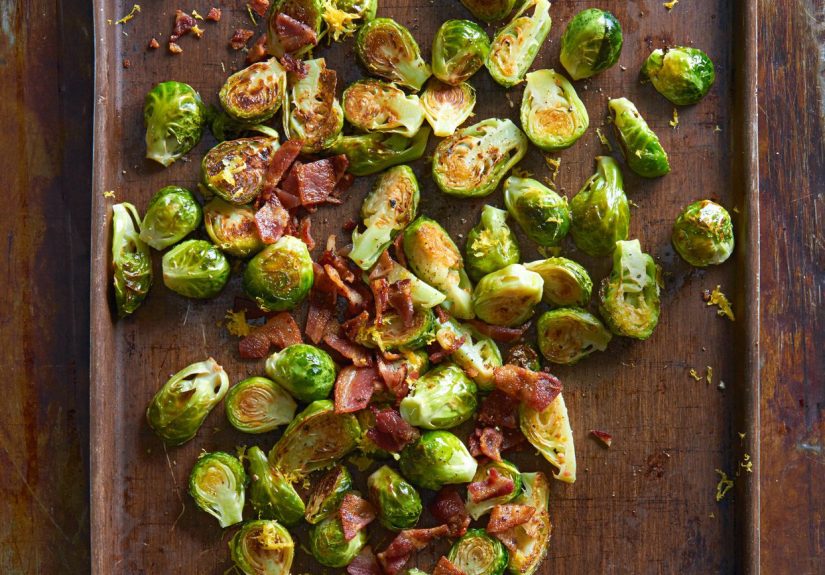
Preheat the oven to 425°F to 450°F. Toss halved Brussels sprouts with olive oil, kosher salt, and black pepper. Spread them cut-side down on a sheet pan in a single layer. This detail matters more than people think. Cut-side down equals maximum contact with the pan, which equals the kind of browning that makes everyone reach for seconds.
Roast for about 20 to 25 minutes, depending on size, until the centers are tender and the outer leaves are deeply golden and crisp. If the pan looks crowded, use two pans. Brussels sprouts do not enjoy close quarters when crispness is the goal.
Why people love it
Roasting coaxes out sweetness and creates crunchy leaves that eat like vegetable chips. It is also wildly flexible. You can finish roasted Brussels sprouts with lemon juice, balsamic glaze, Parmesan, chili flakes, toasted pecans, maple syrup, crispy bacon, or a shower of breadcrumbs. In other words, they are the little black dress of side dishes.
Best flavor pairings
Balsamic and honey, lemon and Parmesan, garlic and butter, maple and bacon, or chili crisp with a squeeze of lime all work beautifully. A final acidic note is especially helpful because it brightens the rich roasted flavor and keeps the dish from feeling heavy.
2. Sauté Them for a Quick Weeknight Side With Real Personality
When you need Brussels sprouts fast, sautéing is your best friend. This method gives you crisp-tender texture, good browning, and a dinner-on-the-table energy that feels merciful on a busy weeknight. It is ideal when the oven is already occupied by chicken, salmon, or that casserole dish your family insists must appear at every gathering.
How to do it
Slice the sprouts in half or shred them, depending on how quickly you want them to cook. Heat olive oil or a mix of oil and butter in a large skillet over medium-high heat. Add the sprouts, season with salt and pepper, and cook until they caramelize and soften, usually around 8 to 10 minutes for halved sprouts.
The trick is to let them sit long enough to brown without fussing over them every five seconds. Stirring has its place, but nonstop stirring is how you end up with pale Brussels sprouts that taste like they missed their chance to become interesting.
Why people love it
Sautéed Brussels sprouts keep a little bite, which makes them feel fresh rather than heavy. They are excellent with onions, shallots, garlic, lemon zest, mustard, nuts, or dried fruit. For a dinner-party version, toss in pistachios or walnuts and finish with a splash of fresh lemon juice. For a cozier version, add bacon or pancetta and let the rendered fat help carry the flavor. The vegetable equivalent of putting on a leather jacket.
Best flavor pairings
Lemon and pistachios, brown butter and sage, bacon and shallots, or Dijon mustard with a touch of apple cider vinegar all make sautéed sprouts feel polished without making the cook do unnecessary emotional labor.
3. Air Fry Them for Maximum Crisp With Minimum Fuss
Air fryer Brussels sprouts are what happen when convenience and good texture finally stop fighting. If you love roasted Brussels sprouts but do not want to heat the whole oven, air frying is one of the best ways to cook Brussels sprouts for small batches. It is fast, dependable, and excellent for people who judge vegetables based entirely on crunch.
How to do it
Trim and halve or quarter the sprouts, depending on size. Toss them with olive oil, salt, and pepper. Cook them in a preheated air fryer at about 375°F to 390°F, shaking the basket halfway through. Most batches are done in 10 to 18 minutes, depending on your air fryer model and how crowded the basket is.
The same anti-crowding rule applies here. If the basket is packed too tightly, the sprouts steam instead of crisp. Nobody bought an air fryer to produce steamed disappointment.
Why people love it
Air-fried Brussels sprouts come out browned and crisp on the outside with a tender interior, and they do it quickly. They are especially good with Parmesan, lemon zest, balsamic glaze, hot honey, or teriyaki-style finishes. The method is also forgiving for smaller households because you can make just enough without committing to a whole sheet pan.
Best flavor pairings
Parmesan and lemon, balsamic glaze, hot honey, soy sauce and sesame, or a dusting of smoked paprika all work well. The air fryer loves bold flavors, and Brussels sprouts are more than capable of carrying them.
4. Glaze or Braise Them for a Sweeter, Softer Crowd-Pleaser
Not everyone wants their vegetables aggressively crispy. Some people prefer Brussels sprouts that are tender, glossy, and balanced with sweet-tart flavor. That is where glazing and gentle braising come in. This method is especially useful for holiday meals, richer main courses, or anyone who needs Brussels sprouts to feel a little more comforting and less “chef demo.”
How to do it
Start by browning halved Brussels sprouts in a skillet with oil or butter. Once they pick up color, add a glaze or small amount of liquid. Good options include cider vinegar and orange marmalade, maple syrup with mustard, balsamic with honey, or a little broth with butter and garlic. Cook until the sprouts are tender and the glaze lightly coats them.
You are not trying to drown them. The goal is a shiny finish, not a vegetable swamp.
Why people love it
This method softens bitterness and makes Brussels sprouts taste mellow, rich, and surprisingly approachable. It is one of the best ways to serve them to guests who claim they “do not usually like Brussels sprouts.” Translation: they had one badly boiled version in 1998 and have been carrying that trauma ever since.
Best flavor pairings
Orange marmalade and cider vinegar, maple and Dijon, butter and garlic, or balsamic with a little brown sugar all create a balanced sweet-savory finish that flatters the sprouts without hiding them.
5. Shave Them Raw for Crunchy Salads and Slaws
Yes, you can eat Brussels sprouts raw. In fact, shaved Brussels sprouts are excellent in salads and slaws, especially when dressed properly. This method is perfect when you want a fresh side with crunch, or when your holiday table desperately needs something that is not beige.
How to do it
Trim the sprouts and slice them very thinly with a sharp knife, mandoline, or food processor. Toss the shreds with a bright vinaigrette and let them sit for a bit so the leaves soften slightly. Raw Brussels sprouts benefit from assertive dressings, so think mustard, lemon juice, apple cider vinegar, or a light maple-Dijon mix.
Then add texture and contrast. Apples, pears, dried cranberries, toasted hazelnuts, walnuts, pumpkin seeds, Parmesan, pecorino, or even kale all play nicely here.
Why people love it
Raw shaved Brussels sprouts stay crisp, travel well, and hold up better than delicate lettuces. That makes them ideal for potlucks, meal prep, or make-ahead holiday sides. They are proof that Brussels sprouts do not always need heat to earn affection.
Best flavor pairings
Apple and pecans, lemon and Parmesan, mustard vinaigrette with dried fruit, or citrus with nuts and shaved cheese all work beautifully. It is the salad version of convincing everyone that Brussels sprouts have range.
How to Choose the Right Method
If you want dramatic crispiness, roast or air fry. If you want speed, sauté. If you want a sweeter, softer side dish for a holiday spread, glaze or braise. If you want freshness and crunch, shave them raw. The “best” method depends less on abstract kitchen theory and more on what kind of eater you are feeding.
For beginners, roasting is usually the safest gateway. For weeknight cooks, sautéing is the efficiency champion. For small-batch snacking, air frying wins. For skeptical guests, glazed Brussels sprouts are often the easiest sell. And for people who love salads with attitude, shaved raw sprouts are a no-brainer.
Common Brussels Sprouts Mistakes to Avoid
Do not cook wet sprouts. Moisture blocks browning. Wash them, then dry them well.
Do not crowd the pan. Crowding creates steam, and steam steals crispness.
Do not under-oil them. A light but thorough coating helps them brown instead of dry out.
Do not overcook them. Tender is great. Mushy is a cry for help.
Do not forget finishing touches. Acid, cheese, herbs, nuts, and a touch of sweetness can take Brussels sprouts from decent to memorable.
What to Serve With Brussels Sprouts
Brussels sprouts are incredibly versatile. Roasted or air-fried sprouts pair well with roast chicken, steak, salmon, pork chops, turkey, grain bowls, and pasta. Sautéed sprouts work beautifully with sausages, risotto, and skillet dinners. Raw shaved Brussels sprouts salads go well with holiday mains, sandwiches, or anything rich and creamy that needs a crunchy counterpart.
They also play nicely with flavors like garlic, lemon, bacon, maple, Dijon, balsamic, Parmesan, chili flakes, toasted nuts, and fresh herbs. Basically, Brussels sprouts have excellent chemistry and deserve more credit.
Cooking Brussels Sprouts in Real Life: What Actually Wins People Over
The funniest thing about Brussels sprouts is how often people swear they hate them right before eating half the pan. I have seen this happen at weeknight dinners, holiday tables, casual potlucks, and one suspiciously competitive Friendsgiving where someone claimed they “just wanted a taste” and then hovered near the platter like a security guard. The pattern is always the same: someone remembers the soggy, gray-green sprouts of childhood, takes a cautious bite of a well-cooked version, pauses, and then looks genuinely offended that Brussels sprouts had this kind of potential all along.
In real kitchens, the method that wins most often is roasting. It is dramatic in the best way. The smell is nutty and savory instead of cabbage-heavy, the leaves get crisp, and the cut sides turn deeply golden. That color matters. People eat with their eyes first, and roasted Brussels sprouts actually look like food you want. Add a squeeze of lemon or a drizzle of balsamic glaze, and suddenly the vegetable that once felt like punishment becomes the dish people keep “sampling” on the way to the table.
Sautéing has a different kind of charm. It feels practical, quick, and a little more everyday, which is probably why it works so well for families trying to get a vegetable onto the plate without launching a campaign. Thinly sliced or halved sprouts cook fast, and when they hit a hot skillet with a bit of oil, they soften just enough while still keeping some bite. That texture is what changes minds. Mushy Brussels sprouts are a hard sell. Crisp-tender Brussels sprouts, especially with garlic or bacon or toasted nuts, are much easier to love.
Air frying is the method that seems to create the loudest reactions. Maybe it is the crunch. Maybe it is the speed. Maybe it is the sheer delight of getting a tray-like roasted effect without waiting on a full oven. Whatever the reason, air fryer Brussels sprouts often disappear before the main course is ready. They are especially effective on self-proclaimed vegetable skeptics because they eat almost like snack food when finished with Parmesan, hot honey, or a sweet-savory glaze.
Then there is the sleeper hit: shaved Brussels sprouts salad. This is the one that surprises people most. Raw Brussels sprouts sound intense until they are sliced thin and tossed in a punchy vinaigrette with apples, nuts, and cheese. Then they become crunchy, fresh, and oddly elegant. It is the dish that makes a holiday table feel less heavy and a weekday lunch feel more put together than it probably is.
The bigger lesson is that Brussels sprouts do not need miracle tricks. They just need respect. Dry them well. Give them room. Use enough heat. Season boldly. Finish with something bright, salty, sweet, or crunchy. Do that, and Brussels sprouts stop being the vegetable people tolerate and start becoming the one they request. Which, for Brussels sprouts, is honestly a pretty stunning comeback story.
Conclusion
If you have been wondering how to cook Brussels sprouts so people actually enjoy them, the answer is not one magical recipe. It is choosing the right method for the result you want. Roast them for caramelized edges, sauté them for speed, air fry them for crunch, glaze them for sweetness, or shave them raw for a fresh salad. Each method brings out a different side of Brussels sprouts, and each one can turn this often-misunderstood vegetable into something craveable.
Once you stop boiling them into sadness and start cooking them with heat, texture, and flavor in mind, Brussels sprouts become one of the most versatile vegetables in your kitchen. They are hearty enough for holiday dinners, quick enough for weeknights, and adaptable enough to wear everything from Parmesan to maple mustard like they were born for it. Which, honestly, they were.