
Table of Contents >> Show >> Hide
- Quick Hoya Snapshot (A.K.A. What They Want in One Screen)
- Why Hoyas Are So Beloved (Besides the Fact They’re Basically Living Décor)
- Hoya Care 101
- 1) Light: Bright Indirect = The Sweet Spot
- 2) Water: The “Dry-Out” Method (Not the “Daily Splash” Method)
- 3) Soil: Airy Roots Make Happy Hoyas
- 4) Temperature, Humidity, and Airflow: Keep It Cozy, Not Drafty
- 5) Fertilizer: Feed, Don’t Overfeed
- 6) Training and Pruning: Don’t Panic-Trim the Vines
- 7) Getting Your Hoya to Bloom (A.K.A. “How to Bribe a Plant”)
- Repotting Hoyas Without Drama
- Troubleshooting: Common Hoya Problems (and What They’re Really Saying)
- A Few Popular Hoyas and What’s Special About Them
- Real-World “Experience Notes” ( of What Hoya Keepers Commonly Learn)
- SEO Tags
Hoyas are the kind of houseplant that make you feel like a competent adult even when your “meal plan” is cereal. They’re
glossy, trailing, oddly charming, andonce they decide you’ve earned itcapable of producing clusters of starry, fragrant blooms
that look like someone carved them out of candle wax. (Because… they kind of do.)
If you’ve ever heard that hoyas thrive on “benign neglect,” that’s not just plant-parent propaganda. Many hoyas are semi-succulent
vines with thick leaves that hold water, and lots of varieties naturally grow in airy conditions where roots get oxygen and moisture
in quick cycles. Translation: if you treat them like a soggy fern, they will file a complaint.
This guide breaks down how to care for hoyas day-to-day, how to repot them without drama, and how to troubleshoot the most common
“Why do you hate me?” moments. It’s practical, a little nerdy, and very pro-drainage.
Quick Hoya Snapshot (A.K.A. What They Want in One Screen)
- Light: Bright, indirect light; some varieties tolerate gentle morning or late-day sun.
- Water: Let the mix dry out between waterings; avoid constantly damp soil.
- Soil: Fast-draining, airy mix (often potting soil + bark + perlite style blends).
- Pot preference: Slightly snug; many hoyas bloom better when a bit root-bound.
- Humidity: Happy in average indoor humidity; many appreciate extra humidity.
- Repotting: Infrequentusually every couple of years or when truly root-bound.
Why Hoyas Are So Beloved (Besides the Fact They’re Basically Living Décor)
Many common hoyas grown as houseplantslike Hoya carnosa, often called wax planthave thick, glossy leaves and trailing stems
that can climb a trellis or spill from a hanging basket. Their flower clusters (umbels) are famously sculptural and often fragrant,
with a “porcelain star” look that feels too fancy for a plant that will also tolerate you forgetting it exists for a week.
They’re also slow to medium growers in typical indoor conditions, which is excellent news if you like plants but don’t want a vine
that tries to annex your entire bookshelf by Thursday.
Hoya Care 101
1) Light: Bright Indirect = The Sweet Spot
If hoyas had a dating profile, their top line would be: “Seeking bright, indirect light. Not into scorching drama.”
Place yours near a bright window where it gets strong ambient light without harsh midday rays. East windows are often a safe win.
South or west can work if the plant is set back from the glass or filtered by a sheer curtain.
More light generally means sturdier growth and better odds of blooms. Too little light often equals long, stretchy vines and fewer
flowers. Too much direct sun can mean scorched patches or stressed, pale leaves (unless you’re intentionally acclimating for a bit of
sun-tintmore on that later).
2) Water: The “Dry-Out” Method (Not the “Daily Splash” Method)
Most hoyas prefer a cycle: water thoroughly, then allow the potting mix to dry out before watering again. How dry? It depends on your
mix, pot, light, and seasonbut the guiding principle is “don’t keep it constantly wet.” Hoyas are prone to root issues when left in
soggy soil with low oxygen.
A simple approach:
- Finger test: If the top couple inches feel dry in a chunky mix, it’s probably close to watering time.
- Weight test: Learn how light the pot feels when dry vs. freshly watered. (This is weirdly satisfying.)
- Seasonal adjustment: Water more in spring/summer growth; ease up in fall/winter when growth slows.
3) Soil: Airy Roots Make Happy Hoyas
Think “orchid-adjacent,” not “mud pie.” Many hoyas grow in conditions where roots get airflowso indoors they do best in a chunky,
fast-draining mix. A popular DIY concept is combining an all-purpose potting soil with ingredients that increase air pockets:
orchid bark, perlite/pumice, and sometimes charcoal or coco chips.
Two practical mix options:
- Simple: 50/50 potting soil + orchid mix (easy, reliable, and widely recommended).
- Chunky “hoya blend”: Roughly equal parts potting soil, orchid bark, and perlite (or pumice) for maximum airflow.
The goal is to water thoroughly without the roots sitting in a swamp afterward. If your mix stays wet for a week in average indoor
conditions, it’s probably too dense.
4) Temperature, Humidity, and Airflow: Keep It Cozy, Not Drafty
Hoyas generally enjoy typical indoor temperatures and dislike cold drafts. Keep them away from blasting AC vents or chilly winter
windowsills. If you summer your hoya outdoors, bring it inside before cold nights become a thing.
Humidity-wise, many hoyas do fine in average homes, but they often grow more happily with a little extra humidityespecially if your
air is desert-dry in winter. A pebble tray, humidifier, or grouping plants together can help. Just don’t “solve” dry air with
overwatering. That’s like solving a paper cut with a chainsaw.
5) Fertilizer: Feed, Don’t Overfeed
During active growth (usually spring through early fall), a diluted balanced fertilizer can support new leaves and blooms. A common
rhythm is monthly (or every few weeks at a weaker dose), then taper off during low-light months. If you’re using a fresh potting mix
with nutrients, go lighter at first.
If your hoya is growing but never blooming, the fix is rarely “more fertilizer.” Often it’s “more light,” “less soggy soil,” and
“patience.”
6) Training and Pruning: Don’t Panic-Trim the Vines
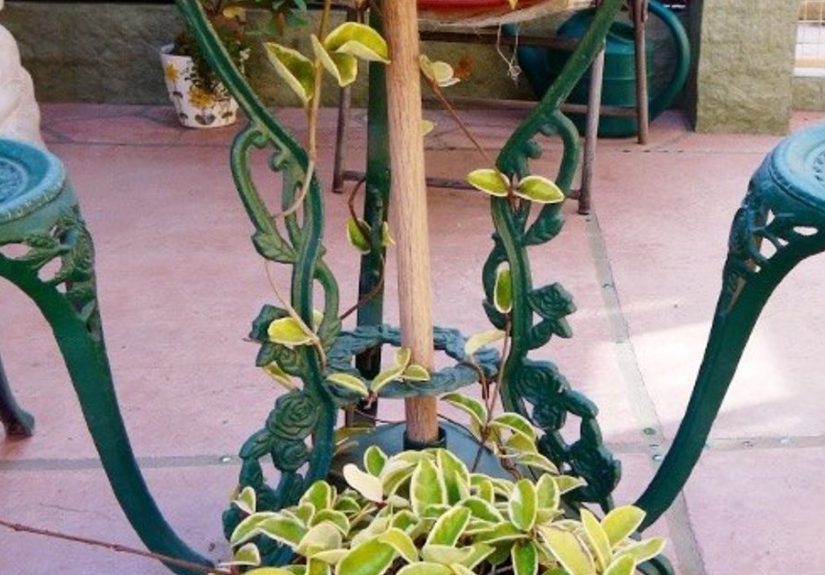
Hoyas can trail or climbyour choice. Training a hoya on a hoop or trellis can make it look fuller and can help new growth mature in
good light. If you prune, do it for shape or to remove damaged growth, not because you’re offended by a long tendril.
One big rule: don’t cut off the bloom spurs (also called peduncles). Many hoyas rebloom from the same spur, so
chopping them can delay future flowers. Let spent blooms fall off naturally; keep the little “bloom factory” attached.
7) Getting Your Hoya to Bloom (A.K.A. “How to Bribe a Plant”)
Hoyas often bloom when they have:
- Bright light (the most common missing ingredient).
- A snug pot (slightly root-bound can encourage flowering).
- Consistent care (no rollercoaster of drought-to-flood).
- Maturity (some varieties take timesometimes yearsto bloom indoors).
Bonus tip: once you see a peduncle forming, try to keep conditions stable. Big changesmoving the plant, changing watering patterns,
or repottingcan cause buds to abort (“blast”). Yes, “blast” is the actual plant-people term, because plant-people are dramatic in the
best way.
Repotting Hoyas Without Drama
When Should You Repot?
Hoyas don’t need frequent repotting. In fact, many prefer it when you don’t. Repot when you notice clear signs the plant has outgrown
its container:
- Roots circling the pot or coming aggressively out of drainage holes
- The mix drying out extremely fast (like “I watered yesterday and it’s bone-dry today” fast)
- Water running straight through because the pot is mostly roots
- Stunted growth despite good light and reasonable feeding
If your hoya is blooming and happy, repotting “just because” is optional at best. A common sweet spot is every 2–3 years, but the
plantnot the calendarshould make the final call.
Pick the Right Pot (Slight Upgrade, Not a Mansion)
When you repot, size up modestlyoften 1–2 inches wider in diameter than the current pot. Going too large can keep the mix wetter for
longer, which increases the risk of root rot. Drainage holes are non-negotiable.
Pot material matters too:
- Terracotta: Breathes and dries faster (great if you tend to overwater).
- Plastic/ceramic: Holds moisture longer (fine if your mix is very chunky and your watering is careful).
Choose (or Mix) an Airy Medium
Repotting is the perfect time to upgrade the soil situation. If your current mix is compacted or breaking down into fine particles,
refresh it with a more breathable blend. If you like recipes, here’s a practical, beginner-friendly one:
- 1 part all-purpose potting soil
- 1 part orchid bark
- 1 part perlite or pumice
Want even more airflow? Add a small handful of charcoal or coco chips. Want slightly more moisture retention? Increase the potting
soil portion a bit. The best mix is the one that dries at a reasonable pace in your home.
Step-by-Step: A Repotting Routine Hoyas Actually Tolerate
- Pick the timing: Aim for spring or early summer when the plant is ready to grow. Avoid repotting when it’s in bud or full bloom if possible.
- Prep the pot: Use a clean container with drainage. Add a base layer of your new mix.
- Unpot gently: Slide the plant out and support the stems. If roots are stuck, squeeze the pot or run a dull knife around the edge.
- Inspect roots: Healthy roots are typically firm and lighter colored. Trim only clearly dead/mushy roots with clean scissors.
- Loosen slightly: Tease the outer roots just a little if they’re tightly circling. Don’t go full “root haircut.”
- Set the height: Keep the plant at the same depth as before. Burying stems can invite rot.
- Backfill and tap: Add mix around the root ball, tapping the pot to settle. Don’t pack it down like you’re making bricks.
- Water once: Water thoroughly to settle the mix, then let it dry appropriately. After that, return to your normal watering rhythmoften a bit lighter at first.
- Recovery zone: Keep it in bright, indirect light and avoid heavy fertilizing right away while roots reestablish.
Aftercare: The “Don’t Babysit It to Death” Phase
A freshly repotted hoya may pause growth while it adjusts. That’s normal. What you want to avoid is overwatering while the roots are
still settling into new mix. If your plant looks slightly droopy the first few days, don’t assume it’s thirstyassume it’s adjusting.
Troubleshooting: Common Hoya Problems (and What They’re Really Saying)
Wrinkled or Limp Leaves
Often underwateringor roots that can’t take up water due to damage. Check the mix dryness and inspect roots if the problem persists.
A hoya that’s chronically dry may drop leaves or stop growing. A hoya that’s chronically wet may rot and also look limp (the cruel
irony of plant life).
Yellow Leaves
Yellowing can point to overwatering, low light, or an aging leaf naturally exiting the stage. If multiple leaves yellow quickly,
look at your watering frequency and how long the mix stays wet. Dense soil + low light is a classic “yellow leaf combo meal.”
No Blooms
The usual suspects are insufficient light, too-large pot, or a plant that’s still maturing. Try increasing light gradually and keep
care consistent. If it’s in a huge pot, consider downsizing or waiting until the roots fill more of the space.
Pests: Mealybugs, Spider Mites, and Friends You Did Not Invite
Hoyas can attract sap-sucking pests like mealybugs and spider mites. Inspect leaf joints, stems, and undersides of leaves regularly.
For small mealybug outbreaks, many gardeners use cotton swabs with isopropyl alcohol to dab pests, followed by insecticidal soap as
needed. Spider mites often show up in very dry air; improving humidity and washing foliage can help, along with appropriate treatments.
Prevention is underrated: quarantine new plants for a couple weeks and inspect them before they join your plant collection. (Yes,
plants can bring home “roommates.”)
A Few Popular Hoyas and What’s Special About Them
- Hoya carnosa (Wax Plant): The classic. Thick leaves, trailing growth, and iconic blooms.
- Hoya ‘Krimson Queen’: Variegated edges with pinkish new growth; prefers bright, indirect light for best color.
- Hoya australis: Often easygoing, with strong growth when given bright, indirect light and a dry-down watering cycle.
- Hoya obovata: Rounder leaves; appreciates bright light and a well-draining mix.
- Hoya compacta (Hindu Rope): Twisted leaves, slower growth, and a tendency to hide pests in its curlsinspect closely.
Real-World “Experience Notes” ( of What Hoya Keepers Commonly Learn)
Not everyone’s home is a bright conservatory with perfect humidity and a resident butler who whispers affirmations to the plants.
So here are a few experience-based scenariospatterns that longtime hoya keepers commonly reportso you can recognize them faster in
your own space.
The Overwatered Rescue Story
A very common arc: someone buys a hoya, loves it intensely, and then waters it like a peace lily. Two weeks later the leaves start to
yellow, the pot feels heavy all the time, and the plant looks vaguely offended. In many cases, the “fix” isn’t fancyit’s airflow.
Switching to a chunkier mix (bark + perlite), ensuring a pot with drainage, and letting the plant dry between waterings often turns
things around. People are frequently surprised by how long a hoya can go before it truly needs water, especially in winter.
The Peduncle Panic
Another classic moment: a little nub appears and someone assumes it’s a weird root or an ugly stem and snips it off. Then they learn
it was a pedunclethe bloom spur. Many hoyas rebloom from the same spur over time, so experienced growers tend to leave peduncles
alone, even after the flowers drop. The plant keeps that spur like a tiny reusable stage for future performances. Once you know what
peduncles look like, you start protecting them like they’re celebrity guests.
The “Why Won’t You Bloom?” Conversation
Plenty of people keep hoyas alive for years without blooms, then move the plant two feet closer to a window and suddenlyflowers.
The takeaway many growers share is that hoyas will tolerate medium light, but blooming often asks for brighter conditions. Another
recurring theme: plants in slightly snug pots frequently bloom more readily than plants in oversized containers. The oversize pot
holds moisture longer, which can slow roots and reduce the subtle “I should reproduce now” cues that seem to encourage flowering.
The Repotting Timing Lesson
Repotting is where good intentions go to get messy. People commonly learn that “bigger pot = happier plant” isn’t true for hoyas. A
gentle size-up is usually enough. If someone jumps from a 4-inch pot to an 8-inch pot, the mix can stay wet far too long, and the
plant may stall or develop root issues. Another timing lesson: repotting while the plant is budding can lead to bud drop. Many
experienced growers wait until the plant is actively growing and not actively performing (no buds, no blooms) before disturbing the
root system.
The Pest Hide-and-Seek Game
Hoya pests have a personality trait: stealth. Mealybugs love to tuck into leaf joints and along stems where you don’t notice them
until the plant looks tired. Growers who’ve dealt with them once often become routine inspectorsquick weekly checks under leaves,
plus a “new plant quarantine” habit before introducing anything new to the collection. That simple routine can prevent the dreaded
moment when you realize the bugs didn’t just move inthey invited their cousins.
The overall theme from these shared experiences is comforting: hoyas usually aren’t difficult. They’re just particular about two big
thingslight and roots. Give them brighter (not scorching) light, keep their roots airy and not constantly wet, and
they often reward you with steady growth and those unreal, waxy blooms that make people stop mid-sentence and say, “Wait… that’s a
real flower?”






 Close
Close