Table of Contents >> Show >> Hide
- What Exactly Is The Copper Tay?
- Why Copper and Cast Iron Make Such a Smart Pair
- The Design Appeal: Why The Copper Tay Works in So Many Bathrooms
- The Practical Side Nobody Should Ignore
- Living With Copper: Patina, Care, and the Beauty of Imperfection
- Who Should Buy The Copper Tay?
- The Experience of The Copper Tay: What It Feels Like in Real Life
- Final Thoughts
If bathtubs had publicists, The Copper Tay would have the kind who says things like, “She doesn’t enter a room, she arrives.” And honestly, fair enough. This is not the sort of tub that quietly blends into the background while the vanity gets all the compliments. The Copper Tay is the bathroom equivalent of a grand piano: beautiful, commanding, a little dramatic, and absolutely not something you buy on a random Tuesday because you had a coupon.
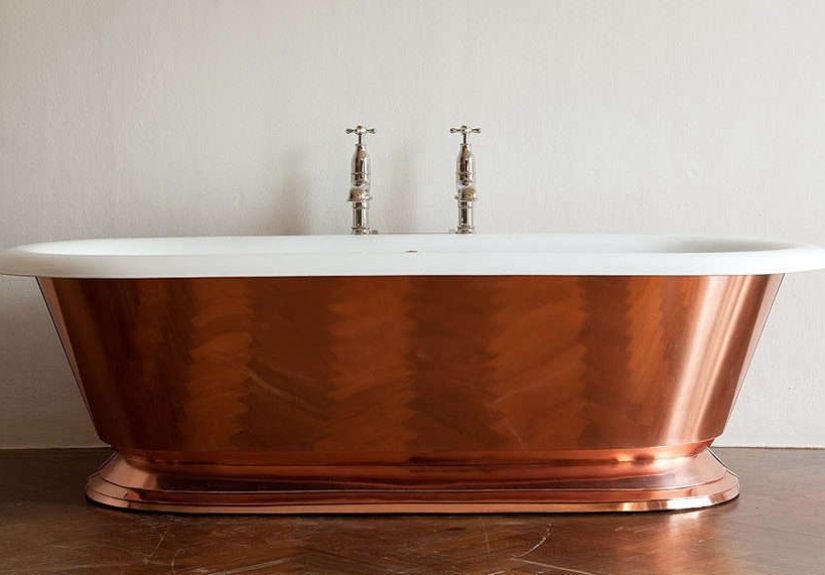
At its core, The Copper Tay is a luxury cast-iron bath wrapped in copper, designed to deliver the visual warmth of a traditional copper tub while keeping the reassuring heft and structure of cast iron. That combination is the whole story. It is old-world without feeling dusty, indulgent without being silly, and practical in the way only very expensive things sometimes manage to be. You look at it and immediately understand the mission: turn an ordinary bath into an event.
In a market crowded with acrylic look-alikes and minimalist tubs that resemble giant yogurt cups, The Copper Tay goes in the opposite direction. It embraces texture, shine, patina, and presence. It does not whisper “spa day.” It says, with calm confidence, “Cancel your plans and bring a book.”
What Exactly Is The Copper Tay?
The Copper Tay is a freestanding, double-ended roll-top bath built from solid cast iron and finished with a copper exterior. It is generously sized, measuring roughly 76 inches long and 34 inches wide, with a capacity of about 75 gallons. In plain English, that means it is made for actual soaking, not just symbolic bathing. This is not one of those tubs that looks fabulous in a photo and then fits one knee, half a shoulder, and a lot of disappointment.
The defining feature is its skirted form and hand-worked copper shell. Instead of exposed feet or a stark contemporary silhouette, The Copper Tay uses a rippling plinth and wrapped metal exterior to create a softer, more architectural profile. It feels rooted in classic English bath design, yet the copper finish adds enough visual drama to keep it from feeling overly traditional.
There is also a reason the name sticks in your mind. “Tay” sounds crisp and elegant, and the product lives up to it. The shape is balanced, the rim is broad and inviting, and the copper finish catches light in a way that makes the whole room seem warmer. Some luxury fixtures scream for attention. The Copper Tay earns it the old-fashioned way: by looking expensive from every angle.
Why Copper and Cast Iron Make Such a Smart Pair
Here is where The Copper Tay gets especially interesting. Plenty of tubs are pretty. Fewer make material sense. This one does both.
1. Cast iron brings durability
Cast iron has long been prized for toughness, longevity, and heat retention. It is not the easiest material to move, install, or casually drag up a staircase while rethinking your life choices, but once it is in place, it has a reputation for lasting for years. That matters when you are shopping in the luxury category. Buyers at this level are not looking for “good enough for now.” They want something that feels permanent.
The cast-iron base also gives The Copper Tay a seriousness that lighter tubs sometimes lack. Acrylic can be stylish, sure, but cast iron feels grounded. Substantial. Like it has opinions about craftsmanship.
2. Copper brings warmth and character
Copper does something visually that white enamel alone simply cannot. It adds warmth, depth, and movement. Light plays across it. Shadows soften around it. In a bathroom full of tile, stone, glass, and porcelain, copper acts like the social butterfly that keeps the whole design from getting too cold or too polite.
More importantly, copper is a “living” finish. Over time, it can shift in tone and develop patina. That means The Copper Tay is not frozen in time. It ages. It changes. It picks up character. For many homeowners and designers, that is not a flaw but the entire point. A bath like this is supposed to look lived with, not vacuum-sealed.
3. Together, they balance romance and reliability
Cast iron is the engineering. Copper is the poetry. Put them together, and you get a tub that feels both robust and expressive. The Copper Tay is not just decorative metal wrapped around a concept. It is a serious bathing fixture dressed like a star.
The Design Appeal: Why The Copper Tay Works in So Many Bathrooms
One of the smartest things about The Copper Tay is that it can lean in more than one design direction. At first glance, you might assume it belongs only in historic homes, manor-style remodels, or bathrooms where everyone says “loo” with confidence. But its appeal is wider than that.
In traditional spaces, it looks perfectly at home next to marble floors, unlacquered brass faucets, beadboard, and vintage mirrors. The copper finish reinforces a layered, collected feel. It suggests permanence, craftsmanship, and a little bit of storytelling.
In rustic or farmhouse-inspired bathrooms, it becomes a natural focal point. Pair it with natural wood, limewashed walls, antique rugs, and warm metals, and it feels inviting rather than formal. This is where The Copper Tay really shines, no pun intended. It softens the room and brings a grounded luxury that feels tactile instead of flashy.
And yes, it can even work in more contemporary settings. Designers increasingly use copper tubs as statement pieces in otherwise simple rooms because the contrast is so effective. Put The Copper Tay against restrained plaster walls, large-format stone, or clean-lined fixtures, and it reads as sculptural rather than fussy. The room does not need ten dramatic elements. It needs one excellent one.
That, in many ways, is the genius of this tub. It does not require a theme. It requires confidence.
The Practical Side Nobody Should Ignore
Now for the less glamorous but deeply necessary part: The Copper Tay is gorgeous, but it is not carefree. This is a substantial freestanding tub, and big design decisions come with grown-up responsibilities.
Weight and installation
Cast iron tubs are heavy. Copper-clad cast iron tubs are also heavy, just with better lighting. That means floor support matters. Delivery logistics matter. Whether your bathroom is upstairs matters. Whether your contractor looks slightly alarmed when reading the spec sheet also matters.
This is not meant to scare anyone off. It is simply the truth. The Copper Tay is a centerpiece tub, and centerpiece tubs require planning. Measure the room, confirm the load considerations, think through plumbing placement, and decide early where the filler and drain will go. Luxury is fun. Emergency reframing bills are less fun.
Space planning
Because it is freestanding, The Copper Tay needs visual breathing room. Cramming it into a tight alcove would be like parking a vintage convertible in a broom closet. Technically possible, emotionally wrong.
It looks best when given space around it, whether that means centering it below a window, anchoring it in a dedicated bathing zone, or placing it where its copper finish can catch natural light. A freestanding tub is not just a fixture; it is a composition tool. The room should be arranged to support it.
Budget expectations
Let’s be adults for a moment: The Copper Tay lives in the premium end of the bath market. Between the tub itself, delivery, specialized installation, floor reinforcement if needed, and high-end fittings, this is not a budget renovation move. It is an investment piece.
That said, buyers in this category are not usually chasing the cheapest path. They are chasing the right feeling. And The Copper Tay delivers a lot of feeling.
Living With Copper: Patina, Care, and the Beauty of Imperfection
Anyone drawn to a copper bath should understand one essential truth: copper changes. That is not a manufacturing error. That is copper being copper.
Over time, exposure to water, air, and daily use can deepen the finish and create patina. Some people adore this because it makes the tub feel soulful and lived-in. Others want the brighter polished look for as long as possible. Neither preference is wrong, but the care routine depends on the finish you want to keep.
In general, mild soap, warm water, and a soft cloth are the safest habits. Drying the surface helps reduce water spots. Harsh abrasives, aggressive scrubbing, bleach-heavy products, and acidic cleaners are not your friends here. If you bought a copper tub because you love its finish, do not attack it like it owes you money.
Patina is especially misunderstood. People sometimes treat any surface change as damage, when in fact patina is part of copper’s charm. It adds depth and a sense of age. The Copper Tay is arguably at its most beautiful when it looks a little less brand-new and a little more storied. Like leather that has softened over time, or a wood table with honest wear, the character becomes part of the luxury.
Who Should Buy The Copper Tay?
The Copper Tay is ideal for homeowners who see the bathroom as more than a purely functional room. If you want your primary bath to feel like a retreat, if you care about materials, if you notice how light lands on metal at different times of day, this tub will probably make your heart beat a little faster.
It is also a smart choice for those designing around one major focal point. Rather than filling a bathroom with trendy moments that will date quickly, you can let one strong piece carry the room. The Copper Tay has enough visual authority to do exactly that.
It may not be the best match for very tight budgets, tiny rooms, or buyers who want absolute finish consistency forever. If the idea of natural variation sounds stressful rather than charming, a different tub material may be a better fit. The Copper Tay asks for a bit of flexibility and rewards it with character.
The Experience of The Copper Tay: What It Feels Like in Real Life
Imagine the end of a long day. Not a glamorous day, either. A real one. Too many tabs open, too many messages, one mildly irritating email that somehow lasted six hours, and a dinner that was “healthy” but emotionally unconvincing. Then you walk into a bathroom where The Copper Tay is waiting under soft light, looking less like plumbing and more like permission to stop performing productivity.
That is the real magic of this tub. It changes the mood of the room before you even touch the water.
From across the space, the copper finish has presence. In morning light, it can look bright and reflective, almost energized. In the evening, it deepens and glows. That shift matters more than people expect. Bathrooms tend to be hard-surfaced spaces, full of practical materials that do their jobs well but do not exactly radiate emotional warmth. The Copper Tay corrects that immediately. It adds a sense of welcome.
Then there is the soak itself. A generous double-ended tub feels inherently more relaxed because there is no obvious “wrong” side. You are not negotiating with awkward angles or trying to figure out which end was designed for your spine and which end was designed for disappointment. You settle in, stretch out, and the whole experience feels intentional.
The cast-iron construction adds to that impression of comfort. A lighter tub can sometimes feel thin or temporary, but a substantial tub feels stable in a way that is hard to describe until you have used one. The Copper Tay feels planted. Reassuring. Quietly luxurious. It is the difference between staying in a charming boutique hotel and sleeping on an air mattress in a room with excellent wallpaper. One of these experiences is clearly winning.
There is also something deeply satisfying about living with a material that changes over time. In an era when so many products are designed to look identical forever, copper offers the opposite experience. It records use. It reflects environment. It evolves. That can make The Copper Tay feel less like a mass-market fixture and more like a personal object in your home. Its finish responds to your habits, your light, your water, your daily rhythm.
Even the ritual around it feels elevated. A small stool nearby for towels, a bath tray, a linen robe on a hook, maybe a candle if you are feeling cinematic. Suddenly the bathroom becomes a destination, not a pit stop. The tub encourages lingering. It invites slower evenings, longer weekends, and the radical act of doing absolutely nothing for half an hour.
And perhaps that is why The Copper Tay lands so powerfully in design conversations. It is not only about appearance, though it certainly has that covered. It is about atmosphere. It makes the room feel more thoughtful, more grounded, more memorable. It turns routine into ritual.
That, ultimately, is the best way to understand The Copper Tay. It is not merely a copper tub, nor merely a cast-iron tub, nor merely an expensive bath for people with excellent taste and very patient contractors. It is an experience piece. A mood-setting object. A reminder that utility and beauty do not have to live on separate sides of the bathroom.
Final Thoughts
The Copper Tay is what happens when craftsmanship, material richness, and design confidence all agree to work together. It offers the durability and heat-holding credibility of cast iron, the warmth and evolving beauty of copper, and the presence of a true freestanding centerpiece. Yes, it asks more from the buyer: more planning, more investment, more appreciation for patina and permanence. But that is exactly why it stands out.
In a world full of bathroom products that aim not to offend, The Copper Tay aims to be remembered. And it succeeds. It is luxurious without being flimsy, traditional without being stale, and dramatic without tipping into nonsense. If your dream bathroom includes a tub that looks as good empty as it does filled with steam, this one deserves a very serious look.