Table of Contents >> Show >> Hide
- Why These Italian Recipes Keep Winning
- Lasagna: The Undisputed Champion of Cozy
- Carbonara and Cacio e Pepe: Minimal Ingredients, Maximum Swagger
- Risotto and Gnocchi: Comfort Food With a Little Drama
- Chicken Parmesan, Piccata, and Cacciatore: The Italian-American Hall of Fame
- Eggplant Parmesan, Bruschetta, Focaccia, and Caprese: The Vegetable Section Is Having a Great Day
- Tiramisu, Cannoli, and Panna Cotta: Dessert Knows How to Leave an Impression
- What These Favorites Reveal About How We Cook Italian Food Now
- Conclusion: The Best Italian Recipes Feel Generous
- Kitchen Experiences Around the Italian Recipes Our Readers Love Most
There are some dinners that feed people, and then there are Italian dinners, which somehow feed people, heal moods, improve group texts, and make everyone stand in the kitchen “just to keep you company” until the pasta is done. That is the magic of Italian cooking at home. It feels generous without always being fussy, comforting without being boring, and dramatic without requiring a culinary degree or a flame-thrower. Our readers love Italian recipes for the same reason most of us do: they are built on familiar ingredients, but they still manage to feel special.
When you look at the Italian dishes Americans save, rate, repeat, and request for birthdays, potlucks, and random Wednesdays that got a little too Wednesday, a pattern emerges. The favorites are not necessarily the flashiest recipes. They are the ones that balance big flavor with a realistic grocery list. They reward simple technique, welcome family-style serving, and make leftovers feel like a prize instead of an obligation. In other words, these dishes understand the assignment.
Why These Italian Recipes Keep Winning
The most-loved Italian recipes usually share a few traits. First, they respect ingredients. A good tomato sauce does not need twelve confusing detours. A great pasta dish can be built from cheese, pepper, eggs, butter, garlic, olive oil, or a handful of herbs and still taste like it came from a restaurant that charges extra for sparkling water. Second, the best Italian recipes deliver texture. Readers love creamy risotto, crispy chicken cutlets, bubbly baked pasta, tender meatballs, and focaccia with those glorious little olive-oil puddles that make you feel like a genius baker. Third, these dishes create a feeling. Lasagna says, “Come over, stay awhile.” Carbonara says, “I know what I’m doing,” even if you are making it in sweatpants.
That combination of comfort, confidence, and straightforward flavor is exactly why a handful of dishes rise to the top again and again. Here are the Italian recipes our readers love most, and more importantly, why they never seem to go out of style.
Lasagna: The Undisputed Champion of Cozy
Why readers never get tired of it
Lasagna is not just dinner. It is an event with edges. It wins because it does what so few recipes do well: it feeds a crowd, can be made ahead, reheats beautifully, and still tastes like you spent the day in an apron speaking passionately about tomatoes. Whether it leans classic with meat sauce and ricotta or goes more vegetable-forward with spinach, mushrooms, or roasted eggplant, lasagna offers something readers adore: layers of payoff.
Every part of lasagna feels generous. The sauce brings depth, the cheese brings comfort, the pasta gives structure, and the browned top layer provides the kind of crispy-chewy corner piece people will absolutely negotiate over. It is also one of the most flexible Italian recipes in a home kitchen. You can make it rustic, refined, weeknight-friendly, or holiday-level serious. Few dishes adapt that well without losing their soul.
Carbonara and Cacio e Pepe: Minimal Ingredients, Maximum Swagger
The appeal of pasta that acts simple but is secretly clever
If lasagna is the warm hug, carbonara and cacio e pepe are the cool cousins who arrive late and somehow still steal the show. Readers love these Roman classics because they prove an important point: a short ingredient list is not the same thing as a boring recipe. In fact, these dishes are beloved precisely because they turn technique into flavor.
A great carbonara is silky, savory, and rich without feeling heavy. A great cacio e pepe tastes like peppery, cheesy magic, even though it is built on little more than pasta, cheese, and black pepper. The pleasure here comes from transformation. Starchy pasta water becomes sauce. Cheese melts into emulsion. Eggs become gloss instead of scramble. It is kitchen alchemy, but the fun kind, not the kind that requires a cloak.
These recipes also fit real life. They are fast enough for weeknights, elegant enough for company, and satisfying enough that nobody asks, “Wait, is this all we’re having?” For readers, that is a winning combination.
Risotto and Gnocchi: Comfort Food With a Little Drama
Risotto and gnocchi are proof that Italian comfort food can still have flair. Risotto feels luxurious because it turns basic pantry ingredients into something creamy and restaurant-worthy. Arborio rice, broth, butter, cheese, mushrooms, saffron, peas, or seafood can come together in a dish that feels both humble and polished. Readers love it because it tastes expensive while remaining deeply comforting. It is also one of those dishes that teaches patience in the nicest possible way.
Gnocchi wins for a different reason. It is soft, pillowy, and somehow manages to feel both hearty and light. Served with browned butter and sage, tomato sauce, pesto, or a simple cream sauce, gnocchi has the texture people remember. That matters. Readers return to recipes that offer a distinctive bite, not just a familiar flavor. Gnocchi gives them both.
These dishes appeal to cooks who want Italian recipes that feel handmade, even when shortcuts are involved. Store-bought gnocchi can still become a great dinner. A carefully finished risotto can make an ordinary evening feel unexpectedly civilized. That is the sort of culinary upgrade readers appreciate.
Chicken Parmesan, Piccata, and Cacciatore: The Italian-American Hall of Fame
If you want to understand what many American home cooks mean when they say they love Italian food, look at chicken Parmesan, chicken piccata, and chicken cacciatore. These are the dishes that live at the intersection of comfort, nostalgia, and “please pass the bread because this sauce deserves respect.”
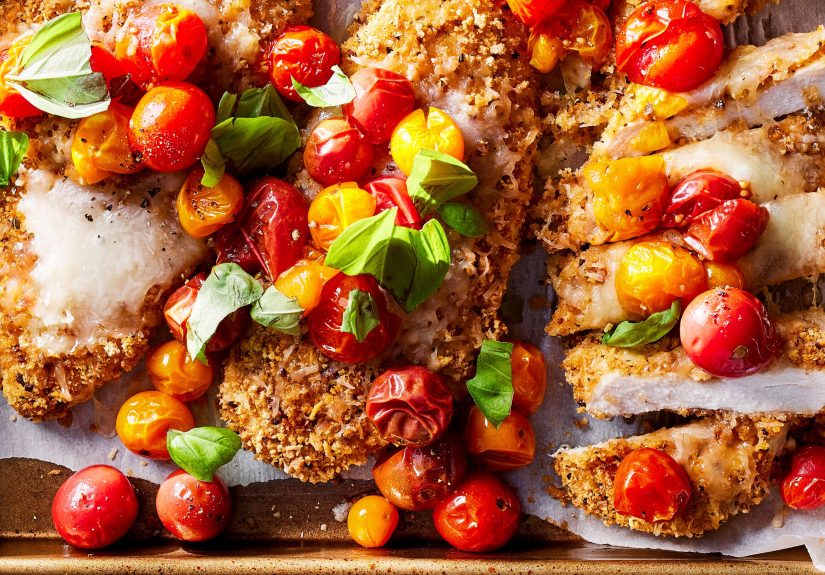
Chicken Parmesan remains a favorite because it satisfies on every level. Crispy breading, tangy tomato sauce, melted cheese, and a familiar protein create a dinner that feels both family-friendly and celebration-worthy. It works with pasta, salad, garlic bread, or just a very large appetite. Chicken piccata, by contrast, wins through brightness. Lemon, butter, capers, and a quick pan sauce make the dish feel lively and balanced. Cacciatore offers a more rustic kind of pleasure, with braised flavors that deepen as they sit.
Readers love these recipes because they are reliable crowd-pleasers. They feel special without being risky. Even picky eaters tend to cooperate when there is crispy chicken and cheese involved. Frankly, that deserves a medal.
Eggplant Parmesan, Bruschetta, Focaccia, and Caprese: The Vegetable Section Is Having a Great Day
Italian cooking has a way of making vegetables feel less like homework and more like a reward. Eggplant Parmesan is the best example. Done well, it is layered, rich, and deeply savory, with eggplant that becomes silky under sauce and cheese. Readers love it because it offers all the comfort of baked pasta or chicken Parmesan with a slightly lighter, more garden-driven personality.
Then there is bruschetta, which proves that a good appetizer can be almost absurdly simple. Toasted bread, ripe tomatoes, basil, olive oil, maybe garlic, maybe a little salt, and suddenly everyone is hovering near the platter pretending they are not on their fourth piece. Caprese has the same talent. Tomatoes, mozzarella, basil, olive oil, and the confidence to stop there. It is a reminder that Italian food often shines brightest when nobody overcomplicates it.
Focaccia earns a place among reader favorites because it brings theater and comfort at once. The dough gets dimpled, the olive oil pools, the top turns golden, and the whole kitchen smells like you have your life together. Whether topped with rosemary, sea salt, onions, grapes, or tomatoes, focaccia offers a tactile kind of joy that readers genuinely remember.
Tiramisu, Cannoli, and Panna Cotta: Dessert Knows How to Leave an Impression
No roundup of beloved Italian recipes is complete without dessert, and readers clearly have excellent priorities. Tiramisu remains one of the most adored Italian sweets because it hits every pleasure point at once: coffee, cream, cocoa, softness, richness, and the rare thrill of a dessert that tastes dramatic while being pleasantly no-bake. It is elegant, but not uptight. It can dress up a dinner party or rescue a Tuesday.
Cannoli are loved for the contrast. Crisp shell, creamy filling, just enough sweetness, maybe chocolate chips or pistachios if the mood is festive. Panna cotta appeals to readers who want dessert to feel polished without demanding a pastry project. Smooth, lightly sweet, and endlessly adaptable, it is the quiet overachiever of the Italian dessert world.
These desserts also reflect something important about Italian recipes as a whole: they value satisfaction over excess. They are rich, yes, but they still aim for balance. That is why they feel timeless rather than trendy.
What These Favorites Reveal About How We Cook Italian Food Now
The Italian recipes readers love most are not just delicious. They are useful. They teach the kind of cooking people actually want to keep doing. A pan sauce built from butter and lemon. A pasta sauce thickened by starchy water instead of shortcuts. A casserole that tastes even better the next day. A dessert that can chill in the fridge while you pretend to casually host. These are recipes that give something back.
They also reflect the way American home cooks approach Italian food today. We want authenticity in spirit, but we also want practicality. We admire tradition, but we appreciate a recipe that understands time, budget, and the reality that not everyone has a nonna correcting their sauce with one raised eyebrow. Readers return to recipes that honor classic flavors while still fitting modern kitchens.
That is why the most-loved Italian dishes are such a mix of regional classics and Italian-American icons. Carbonara and cacio e pepe sit happily beside baked ziti and chicken Parmesan. Tiramisu shares the spotlight with cannoli. Risotto coexists with sheet-pan shortcuts and one-pot pasta. The through line is not strict purity. It is pleasure, generosity, and repeatability.
Conclusion: The Best Italian Recipes Feel Generous
In the end, the Italian recipes our readers love most all do the same beautiful thing: they make people want to gather. Some win with crispy edges, some with silky sauces, some with bright lemon, some with tomato-rich depth, and some with coffee-soaked dessert layers that disappear suspiciously fast. But they all create a moment that feels bigger than the ingredient list.
That is the real secret of great Italian food. It is not only about pasta, cheese, or sauce, although nobody is complaining about those. It is about making simple ingredients feel abundant and familiar meals feel memorable. Whether you are baking lasagna for ten, whisking together a quick carbonara, or setting tiramisu in the fridge like the domestic legend you are, these are the recipes that keep earning a place at the table. And honestly, that table always seems a little happier when Italian food shows up.
Kitchen Experiences Around the Italian Recipes Our Readers Love Most
One reason these Italian recipes stay so popular is that they are tied to experiences, not just instructions. Lasagna is rarely just lasagna. It is the pan someone brings to a new neighbor, the thing that shows up at a family gathering when nobody can agree on anything else, the dependable centerpiece of a cold Sunday when everyone wants dinner to feel like a blanket. You assemble it, slide it into the oven, and for the next hour your house smells like the kind of place people want to stay in. That is not a small thing. A recipe that changes the mood of the room has earned its reputation.
Carbonara creates a different kind of memory. It is the recipe people make when they want to feel a little sharper in the kitchen. There is a tiny thrill in pulling off a glossy sauce with eggs, cheese, pasta water, and timing. It feels technical, but not intimidating once you have done it a couple of times. And when it works, really works, the satisfaction is enormous. You sit down with a bowl of pasta that looks restaurant-polished, and suddenly your ordinary weeknight has a little swagger. Cacio e pepe does the same thing. It is humble, but it is not plain. It teaches that confidence can come from restraint.
Then there is focaccia, perhaps the most joyful dough in the Italian lineup. Even people who claim not to bake tend to love making it because it invites your hands into the process. You stretch the dough, poke those famous dimples across the top, drizzle olive oil like you mean it, and add rosemary or flaky salt. It is tactile, forgiving, and wildly satisfying. When it comes out of the oven bronzed and fragrant, people do not wait politely. They tear into it while it is still warm, and no one even pretends that is not the best way to eat it.
Desserts bring their own kind of experience. Tiramisu is the quiet superstar of make-ahead hospitality. You build it earlier, let it chill, and then present it later as if your life is always this organized. The first spoonful usually gets a pause from the table, which is one of the highest compliments a dessert can receive. Cannoli are more playful. They bring crunch, creaminess, and a little flourish. Panna cotta, meanwhile, feels elegant in a way that never tries too hard. It is the dessert version of someone who looks amazing in a white button-down shirt and does not need to announce it.
What all these experiences have in common is emotional usefulness. Italian recipes become favorites because they fit real moments: weeknight fatigue, birthday dinners, first dates at home, holidays, breakups, celebrations, and those in-between evenings when a bowl of pasta is enough to reset your entire attitude. They are not popular by accident. They are popular because they show up reliably, comfort generously, and make everyday life taste a little fuller. In a world of endless food trends, that kind of staying power is the ultimate compliment.