Table of Contents >> Show >> Hide
- Why the Best Thanksgiving Dinner Starts With a Plan
- Build a Balanced Thanksgiving Menu
- The Side Dishes That Make the Meal
- Dessert: Keep It Classic, But Make It Smart
- The Thanksgiving Prep Timeline That Saves the Day
- Food Safety Rules Every Host Should Know
- How to Make Thanksgiving Feel Special Without Overdoing It
- Common Thanksgiving Mistakes and How to Avoid Them
- Experience Notes: What Really Makes the Best Thanksgiving Dinner Ever
- Conclusion
Every Thanksgiving host eventually learns the truth: the best Thanksgiving dinner is not built on luck, a heroic last-minute grocery run, or one aunt loudly asking whether the turkey is “supposed to look that pale.” The secret is a smart plan, a realistic menu, and a kitchen strategy that keeps the cook calm enough to remember where the gravy boat lives.
This new guide is designed for home cooks who want a Thanksgiving dinner that feels abundant, cozy, and impressive without turning the day into a culinary obstacle course. Whether you are cooking your first turkey, feeding a crowd, hosting picky eaters, or simply trying to avoid mashed potato panic, the path to a memorable feast starts before Thanksgiving morning.
The best Thanksgiving dinner ever is not necessarily the fanciest. It is the one where the turkey is juicy, the sides are warm, the table feels welcoming, and the host gets to sit down before dessert. Let’s build that kind of holiday meal, one practical step at a time.
Why the Best Thanksgiving Dinner Starts With a Plan
Thanksgiving is different from an ordinary dinner party because everything wants oven space at the same time. The turkey wants hours. The stuffing wants crisp edges. The sweet potatoes want a golden top. The rolls want a dramatic entrance. The pies are already judging everyone from the counter.
That is why the smartest hosts think like restaurant chefs. They do not cook everything at once; they stage the work. A strong Thanksgiving dinner plan answers four questions early: who is coming, what are they eating, what can be made ahead, and what absolutely must happen on Thanksgiving Day?
Start with the guest list and the table style. A seated dinner works beautifully for smaller groups, while a buffet is often better for larger gatherings. Buffet service also makes life easier because guests can serve themselves, return for seconds, and politely avoid the one side dish they secretly fear.
Build a Balanced Thanksgiving Menu
A winning Thanksgiving menu needs variety, not chaos. Think of the meal as a cast of characters. The turkey is the lead actor, gravy is the scene-stealer, stuffing brings nostalgia, potatoes provide comfort, vegetables bring color, cranberry sauce cuts through richness, and dessert gives everyone a reason to keep going.
The Main Dish: Turkey Without the Drama
For most families, turkey remains the centerpiece. Plan about 1 to 1 1/2 pounds of turkey per person if you want leftovers. If you are serving a very large crowd, consider roasting two smaller turkeys instead of one enormous bird. Smaller birds can cook more evenly and are easier to handle, especially if your roasting pan has been hiding in the garage since last November.
The most important turkey rule is simple: use a food thermometer. The turkey is safe when the thickest part of the breast, thigh, and wing joint reaches 165°F. Do not rely only on color, pop-up timers, or the confidence of someone named Gary who “just knows poultry.”
For flavor, consider dry brining. Rubbing the turkey with salt and letting it rest uncovered in the refrigerator helps season the meat and encourages crisp skin. Add herbs such as thyme, rosemary, sage, and black pepper for classic Thanksgiving aroma. Butter under the skin can add richness, but do not overcomplicate the bird. A well-seasoned turkey cooked to the right temperature beats a fussy turkey with seventeen ingredients and a nervous cook.
Stuffing or Dressing: Choose the Safer, Easier Route
Stuffing cooked inside the bird may sound traditional, but dressing baked in a casserole dish is easier to control. It can develop a crisp top, stay moist inside, and avoid the food-safety challenge of waiting for the center of the stuffing to reach a safe temperature while the turkey keeps cooking.
Use sturdy bread, plenty of sautéed onion and celery, good stock, fresh herbs, and enough butter to make the dish taste like a holiday rather than a lecture. If you want extra flavor, add sausage, mushrooms, apples, cornbread, or toasted nuts. Just keep the texture balanced: moist, not soggy; crisp, not dry.
Gravy: Make It Ahead and Thank Yourself Later
Gravy is where many Thanksgiving dreams go to wobble. The pan drippings are hot, the turkey needs carving, guests are hovering, and suddenly flour has formed tiny dumplings of betrayal. The fix is simple: make gravy ahead.
A make-ahead gravy can start with roasted turkey parts or chicken wings, onions, carrots, celery, herbs, and stock. Simmer everything until rich, strain it, then thicken with a roux. On Thanksgiving Day, reheat the gravy and whisk in a splash of turkey drippings for extra flavor. This approach gives you deep taste without forcing you to perform a high-pressure sauce routine in front of hungry relatives.
The Side Dishes That Make the Meal
Side dishes are the heart of Thanksgiving. They are also the reason your oven schedule needs a traffic controller. Choose a few classics, one fresh vegetable, and one dish that adds personality.
Mashed Potatoes That Stay Creamy
For fluffy mashed potatoes, use starchy potatoes such as Russets or a blend of Russets and Yukon Golds. Boil them until tender, drain well, and mash while hot. Warm the milk or cream before adding it, and use butter generously. Thanksgiving is not the day for whispering “just a teaspoon.”
If you make mashed potatoes ahead, reheat gently with extra dairy and butter. A slow cooker on warm can hold them for serving, but stir occasionally so they stay creamy. If they thicken too much, add warm milk a little at a time.
Sweet Potatoes With Contrast
Sweet potatoes need contrast. If the base is soft and sweet, add crunch with pecans, oats, or a brown sugar crumble. If you prefer a savory approach, roast wedges with olive oil, salt, smoked paprika, and rosemary. Either way, balance is the goal. Thanksgiving plates already contain enough softness to qualify as a pillow collection.
Green Vegetables That Do More Than Decorate
Green beans, Brussels sprouts, broccolini, collards, or a crisp salad can brighten a rich plate. Roasted Brussels sprouts with balsamic glaze, green beans with mushrooms, or a simple lemony salad can keep the meal from feeling heavy. Fresh vegetables also bring color, which matters because a plate of turkey, stuffing, potatoes, and rolls can look suspiciously beige.
Cranberry Sauce: Small Dish, Big Impact
Cranberry sauce works because it adds acidity and sweetness. It wakes up turkey, cuts through gravy, and gives the plate a jewel-toned pop. Homemade cranberry sauce is easy: simmer cranberries with sugar, orange zest, orange juice, and a pinch of salt until the berries burst. Make it several days ahead and chill it. The flavor improves, and you get to cross one item off the list early.
Dessert: Keep It Classic, But Make It Smart
Pumpkin pie, apple pie, pecan pie, and sweet potato pie are Thanksgiving legends for a reason. The key is not making six desserts unless you truly enjoy living inside a bakery tornado. Choose two or three desserts for variety: one creamy, one fruit-based, and one wild card such as chocolate pecan pie, cranberry tart, or pumpkin cheesecake.
Pie dough can be made ahead and frozen. Many pies can be baked the day before. Custard pies should be cooled and refrigerated properly, while fruit pies often hold well at room temperature for a short period. Serve with whipped cream, ice cream, or coffee, and suddenly everyone forgets they said they were “too full.” Thanksgiving dessert has magical legal immunity from fullness.
The Thanksgiving Prep Timeline That Saves the Day
Two Weeks Before Thanksgiving
Finalize the guest list, ask about dietary needs, choose your menu, and assign dishes if guests are bringing food. Check your roasting pan, thermometer, carving knife, serving platters, chairs, napkins, and food storage containers. This is also the moment to order a fresh turkey or buy a frozen one.
One Week Before Thanksgiving
Clean out the refrigerator, make a grocery list by category, and shop for shelf-stable ingredients. Prepare pie dough, stock, cranberry sauce, and any freezer-friendly sides. If you have a frozen turkey, calculate thawing time. A large turkey needs several days in the refrigerator, so do not wait until Wednesday night unless you enjoy culinary suspense.
Three Days Before Thanksgiving
Begin thawing or confirm your turkey is thawing safely. Chop vegetables for stuffing, make dressings or dips, polish serving pieces, and label serving dishes with sticky notes. Labeling may look overly organized, but on Thanksgiving Day it prevents someone from putting rolls in the salad bowl because “it was empty.”
The Day Before Thanksgiving
Make or assemble casseroles, bake pies, prep salad ingredients, set the table, dry brine the turkey if desired, and review your oven schedule. Put beverages in the refrigerator or a cooler. Decide where finished dishes will go. Counter space is prime real estate, and Thanksgiving has no mercy.
Thanksgiving Morning
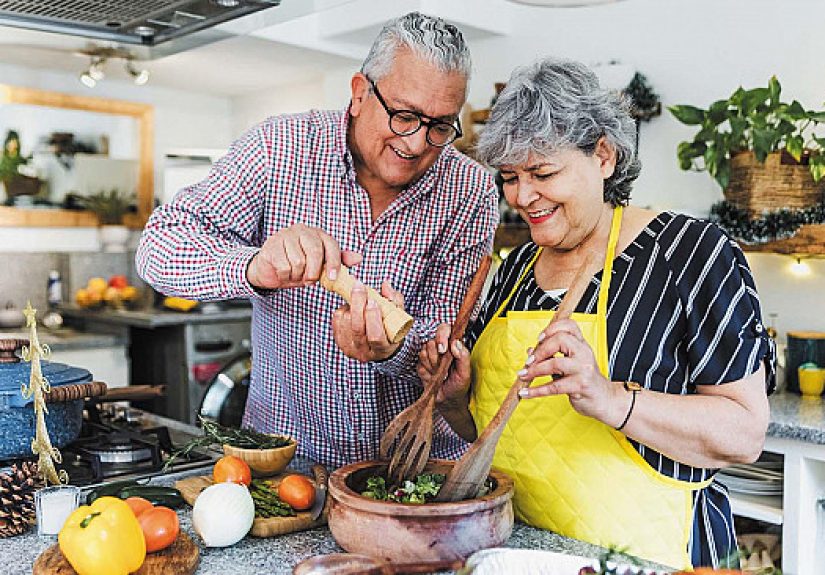
Take a breath before you turn on the oven. Roast the turkey early enough to allow resting time. Reheat sides while the turkey rests. Warm the gravy, toss the salad, bake the rolls, and carve the turkey close to serving. Most importantly, accept help. A guest who asks, “What can I do?” can fill water glasses, light candles, take coats, or distract the relative who wants to open the oven every twelve minutes.
Food Safety Rules Every Host Should Know
A beautiful Thanksgiving dinner should also be safe. Thaw turkey in the refrigerator, in cold water changed regularly, or according to trusted package directions. Do not thaw it on the counter. Keep raw poultry away from ready-to-eat foods, and wash hands, cutting boards, and utensils after contact with raw turkey.
Cook turkey to 165°F and check with a thermometer in multiple places. Refrigerate leftovers within two hours of cooking. Store turkey, stuffing, potatoes, and casseroles in shallow containers so they cool quickly. Leftovers are one of Thanksgiving’s greatest gifts, but only when they are handled properly.
How to Make Thanksgiving Feel Special Without Overdoing It
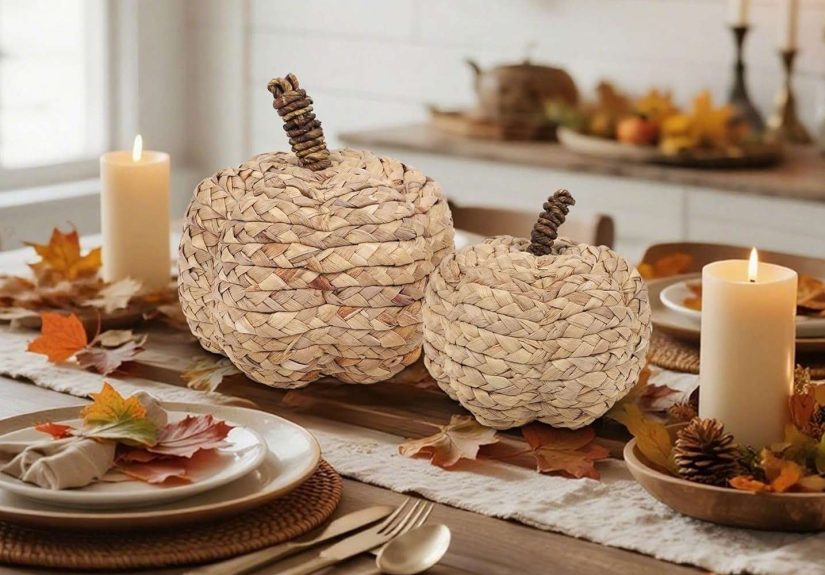
The atmosphere matters as much as the menu. You do not need expensive decorations. A simple table with candles, cloth napkins, small pumpkins, greenery, or handwritten place cards feels thoughtful. If children are coming, give them a small activity station with crayons, paper leaves, or a gratitude card. If adults are coming, give them snacks early so they do not circle the kitchen like polite raccoons.
Music helps. A relaxed playlist can make the room feel warm before the first dish appears. Lighting matters, too. Soft lamps and candles are kinder than bright overhead lights, especially after everyone has entered the mashed potato phase of the evening.
And remember: a perfect Thanksgiving is not silent, spotless, or magazine-staged. It has laughter, second helpings, someone misplacing the serving spoon, and at least one person insisting they make “the best” version of something. That is part of the charm.
Common Thanksgiving Mistakes and How to Avoid Them
Mistake 1: Making Too Many New Recipes
One new dish is exciting. Six new dishes are a hostage situation. Keep most of the menu familiar and test anything risky before the holiday.
Mistake 2: Forgetting Oven Space
Plan which dishes need the oven, what temperature they require, and how long they take. Use slow cookers, stovetops, toaster ovens, and insulated carriers when possible.
Mistake 3: Serving Everything Lukewarm
Warm plates, covered dishes, and a realistic reheating schedule help. Gravy should be hot, rolls should be warm, and sides should not sit uncovered while everyone debates seating.
Mistake 4: Not Resting the Turkey
Resting allows juices to redistribute and gives you time to reheat sides. Cover the turkey loosely with foil and resist carving too soon.
Mistake 5: Doing Everything Alone
Hosting does not mean becoming a one-person catering company. Let guests bring sides, desserts, drinks, ice, or flowers. People usually like helping, especially when the assignment is clear.
Experience Notes: What Really Makes the Best Thanksgiving Dinner Ever
The best Thanksgiving dinners I have seen all have one thing in common: the host stopped trying to impress everyone and started trying to welcome everyone. That shift changes the entire day. When the goal is perfection, every small problem feels like a disaster. When the goal is warmth, a cracked pie is just a pie with character. Honestly, some pies need character. It keeps them humble.
One of the most useful experiences is learning to build a “calm kitchen” before guests arrive. That means the trash is empty, the dishwasher is clear, towels are ready, cutting boards are washed, and the sink is not already full of mysterious bowls. A clean starting point makes cooking feel possible. A messy starting point makes even opening a can of cranberry sauce feel like a personal attack.
Another lesson: snacks save the host. Put out something simple before dinner, such as spiced nuts, cheese, crackers, olives, raw vegetables, or a small dip. Guests who have something to nibble on are less likely to ask when dinner will be ready every nine minutes. It also buys you time if the turkey needs another fifteen minutes, which turkeys often do because they enjoy suspense.
Serving style also shapes the experience. For a large group, buffet service can be a lifesaver. Place plates at the beginning, silverware and napkins at the end, and arrange dishes in a logical order: turkey, gravy, stuffing, potatoes, vegetables, cranberry sauce, rolls. This keeps the line moving. Put extra gravy in a warm pitcher if you can. Thanksgiving guests may forgive many things, but gravy scarcity is not one of them.
Personal touches matter more than complicated recipes. A handwritten menu, a small gratitude card at each place, a family recipe printed for guests, or a playlist with songs from different generations can make the meal memorable. These details tell people, “You were expected. You belong here.” That feeling lasts longer than any casserole topping.
It is also wise to plan for leftovers before the meal begins. Have containers ready, label them if needed, and decide what you want to keep. Turkey sandwiches, soup, leftover stuffing waffles, cranberry grilled cheese, and Thanksgiving casserole can stretch the celebration into the weekend. Sending guests home with leftovers is generous, but save enough for yourself. The day-after-Thanksgiving sandwich is a sacred institution and should be protected by federal law, or at least by a clearly labeled container in the back of the fridge.
Finally, give yourself permission to enjoy the dinner you created. Sit down. Eat while the food is warm. Let someone else refill drinks. Laugh when something goes sideways. The best Thanksgiving dinner ever is not the one where nothing goes wrong. It is the one where the food is good, the people feel cared for, and the host is present enough to notice the room filling with gratitude, butter, and the unmistakable sound of someone going back for more stuffing.
Conclusion
The secret to the best Thanksgiving dinner ever is not a single recipe. It is a thoughtful plan, a balanced menu, safe turkey handling, make-ahead strategy, warm hospitality, and a realistic sense of humor. Cook the turkey properly, make the gravy early, give the sides their moment, and create a table where people feel comfortable lingering. That is the kind of Thanksgiving guests remember long after the last slice of pie disappears.
With this guide, you can host a Thanksgiving dinner that feels generous without feeling overwhelming. Plan early, prep ahead, accept help, and remember that the holiday is not about proving your culinary worth. It is about feeding people well and making room for gratitude, conversation, and maybe one more spoonful of mashed potatoes.