Table of Contents >> Show >> Hide
Picture this: It’s a warm July evening, your drink has just the right amount of ice, the grill is going, and your deck looks so good your neighbors are suddenly “just walking the dog” past your house three times a day. That’s the power of the right deck colorespecially in summer 2024, when outdoor spaces are basically the unofficial living room.
Paint and stain brands, color forecasters, and deck pros all agree: this year’s best deck colors are warm, natural, and just modern enough. Think golden cedar, sun-washed grays, inky charcoals, and soft coastal blues. They don’t just look pretty; they’re chosen to hide dirt, stand up to UV, and work with the rest of your exterior palette.
Why Deck Color Matters More Than Ever in 2024
Since the boom in outdoor living, decks are no longer “just a platform” for a grill. They’re dining rooms, yoga studios, office annexes, and kids’ splash zones. Color plays a huge role in how usable and inviting that space feels.
Experts highlight three big reasons to choose deck colors carefully this year:
- Heat and comfort: Darker stains look dramatic but can get hot under bare feet. Lighter or mid-tone colors are friendlier for summer use.
- Maintenance: Solid dark colors show dust, pollen, and scratches more; soft browns and grays tend to hide the chaos of real life better.
- Curb appeal: With more buyers scrutinizing outdoor spaces, the right deck color can help your home look current without a full renovation.
The Biggest Deck Color Trends for Summer 2024
Across expert roundups, paint brand forecasts, and deck-restoration pros, a few color families are clearly winning the summer of 2024. Here’s what’s topping the chartsand why.
1. Warm Cedar and Golden Oak Tones
If summer had a signature deck color, it might be warm cedar. Contractors and brands consistently call out “Natural Cedar Tone” and golden-honey stains as top picks because they highlight the grain and feel timeless instead of trendy.
These colors:
- Work with most siding shadesfrom white farmhouse exteriors to earthy stucco.
- Look great with black or bronze metal railings.
- Hide dust, footprints, and the occasional dropped ketchup blob better than very light or very dark stains.
For composite decking, similar warm tones like “Spiced Teak” and other golden-brown planks are trending, especially in climates with a lot of greenery. They blend into the landscape instead of shouting over it.
2. Coastal and Soft Grays
Gray deck colors are still going strong, but 2024 leans toward softer, warmer versions rather than cold, flat charcoal everywhere. Designers love mid-tone grays like Benjamin Moore’s “Sea Gull Gray,” which balance warm and cool undertones so they’re easy to pair with both warm wood and crisp white trim.
Why homeowners like them:
- They mimic the look of weathered boardwalks and coastal docks.
- They play nicely with blue front doors, black windows, and white siding.
- They’re more forgiving than very light gray, which can show every spill and pollen storm.
3. Deep Browns with Charcoal Undertones
If you love drama but don’t want a pure black deck, deep brown stains with charcoal undertones are having a moment. Brands highlight rich tones like “Burnt Hickory” and other espresso-like stains as a way to nod to the Japanese Shou Sugi Ban aestheticdark, moody, and sophisticatedwithout actually charring your boards.
These colors are perfect if:
- You have modern architecture and want the deck to read as sleek and tailored.
- Your deck is partially shaded, so heat and glare are less of an issue.
- You like the idea of your deck feeling like an outdoor extension of dark-stained indoor floors.
4. Muted Blues and “Barely There” Coastal Hues
Blue decks used to be a bold statement; in 2024, they’re softer and more subtle. Contractors point to muted, grayed-out blues as a top pick for coastal-inspired spaces, especially when paired with white railings and natural wood accents.
A muted blue deck:
- Feels cool (visually and literally) in hot climates.
- Pairs beautifully with navy or teal exterior doors and striped outdoor textiles.
- Works best as a stain or solid color on newer boards, since bold blues can highlight imperfections.
5. Warm Tans, Beiges, and Greige Decks
Beige and tan might sound boringuntil you see how good they look with black-framed windows, creamy stone, and modern siding. Expert color guides show that warm tans and greige (a mix of gray and beige) are go-to choices to tie together complex exterior palettes without clashing.
These are ideal when:
- You want light, bright energy without the glare of pure white.
- Your house already has brick, stone, or variegated siding that needs a neutral “bridge” color.
- You’re aiming for a soft, resort-like atmosphere rather than a bold modern statement.
6. Statement Accents: Black, Violet, and Bold Details
The main deck surface is staying fairly neutral in 2024but accents are getting bolder. Exterior and stain trend reports show dark black railings, deep bronze metal details, and even unexpected pops like blue-leaning violets being used on pergolas, benches, or small sections of decking.
The expert strategy:
- Keep the main walking surface a practical color (cedar, gray, tan).
- Use bold colors on railings, privacy screens, or built-in planters.
- If you try a trend color you’re not 100% sure about, test it on a small section first or on furniture rather than the whole deck.
How to Choose the Best Deck Color for Your Home
With so many good options, picking a deck color can feel like speed dating at the paint store. Experts suggest working through a few practical filters to land on the right match.
1. Match (or Intentionally Contrast) Your Exterior
Start by looking at what you already have: roof, siding, brick, stone, and trim. Generally:
- White or light siding pairs well with warm cedar, honey, or medium gray decks.
- Brick or stone looks great with tan, greige, or deep brown stains.
- Modern dark exteriors can handle softer gray or even muted blue decks for contrast.
Lay actual samplesstain chips or scrap boardsnext to your siding in real daylight. Colors shift dramatically between the fluorescent hardware aisle and your sunny backyard.
2. Think About Sun, Shade, and Climate
The more sun your deck gets, the more UV it has to handleand the hotter it will feel. Pros recommend:
- Full sun: Mid-tone cedar, honey, or gray to limit heat buildup.
- Mostly shade: Deep browns or charcoals are fine and less likely to fade quickly.
- Dusty or pollen-heavy areas: Avoid super-dark solids; they show everything.
In coastal or damp climates, manufacturers often suggest stains and finishes specifically rated for mildew resistance and UV stability to keep colors looking fresh longer.
3. Choose Your Stain Opacity Wisely
Color isn’t just about hueit’s about how much of the wood you want to see. Stain and deck experts break it down this way:
- Transparent: Shows the most grain; subtle color; least UV protection.
- Semi-transparent: The sweet spot for many decksvisible grain, richer color, good longevity.
- Semi-solid / solid: Strongest color impact, great for older or mismatched boards; hides more imperfections.
For summer 2024, many pros lean toward semi-transparent cedar or walnut tones for natural-looking decks and solid grays or browns for tired boards that need a reset.
4. Consider Composite vs. Wood
If you have composite decking, you’re picking factory colors rather than stains. Trends from major brands show warm browns, driftwood grays, and subtle variegated boards (with multiple tones in one plank) as best-sellers.
With wood:
- Pine and pressure-treated lumber take stain differently than cedar or redwood.
- Older decks may need cleaning, sanding, and a more opaque stain to look their best.
- A test patch is non-negotiablesame stain looks different on every species and age of wood.
Real-Life Deck Color Ideas and Pairings
Need a few “copy and paste” ideas? Here are some combos drawn from expert examples and on-trend palettes:
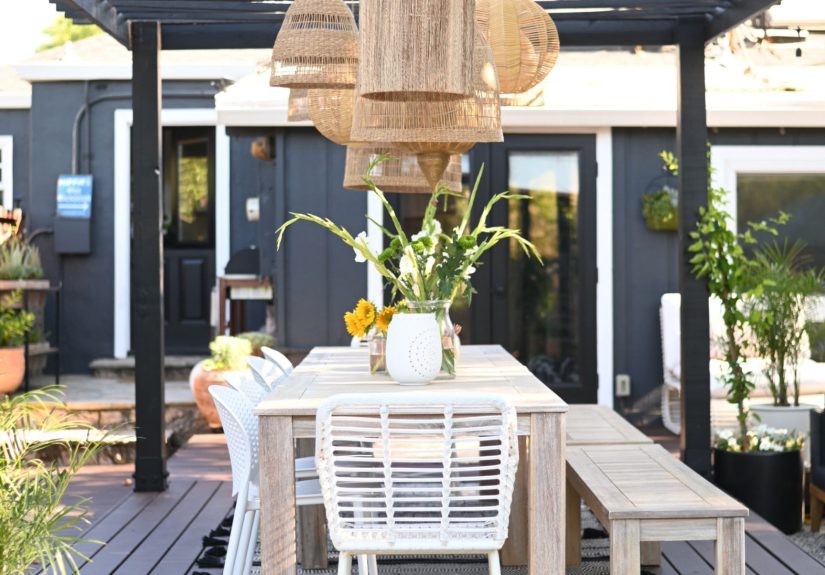
- Relaxed coastal: Mid-tone gray deck, white railings, navy front door, striped blue-and-white cushions.
- Modern cabin: Deep brown or Burnt Hickory-inspired deck, black cable railings, warm wood furniture.
- Family-friendly farmhouse: Cedar or honey deck, white or soft greige siding, black lantern-style lights.
- Urban terrace: Solid charcoal deck, matte black planters, bold cushions in rust, mustard, and olive.
- Color-pop cottage: Warm tan deck, muted blue railings, pastel outdoor textiles and potted flowers.
Expert Tips for Making Your Deck Color Last
Even the best deck color will disappoint if the prep is rushed. Pros consistently stress: clean, prep, then stain.
- Clean thoroughly: Use a deck cleaner or wood brightener to remove dirt, mildew, and old stain residue.
- Let it dry fully: Most stains need dry wood (often 24–48 hours after washing, depending on humidity).
- Stir, don’t shake: Shaking can introduce bubbles; stirring keeps pigments even.
- Use thin coats: Two thin coats usually outperform one heavy one, especially with semi-transparent stains.
- Maintain on a schedule: Plan on a refresh every 2–4 years depending on sun exposure, color, and product type.
Extra Insights: Real-World Experiences with 2024 Deck Colors
Beyond swatches and expert charts, what actually happens when homeowners live with these deck colors day in, day out? Here’s how the big 2024 favorites perform in real life.
Living with Warm Cedar and Golden Oak
Homeowners who’ve switched from a dark, aging stain to a warm cedar or golden oak almost always comment on how much “lighter” the whole backyard feels. The deck reads like fresh wood, even when the boards have a few years on them. Everyday dirt from kids, dogs, and potted plants tends to blend in rather than scream for a hose.
One common surprise: how well these tones play with non-wood elementsthink black aluminum railings, stainless steel grills, and even bright-colored outdoor rugs. Instead of competing, cedar and golden oak act as a warm neutral base that keeps everything cohesive.
Gray Decks in Real Life
Medium grays are often described as “low drama” workhorses. People who choose them for 2024 usually want a modern, clean look without something that will feel dated in two years. The main trade-off is that very light grays can show muddy footprints more than cedar tones, especially near steps or entry points.
On the plus side, gray decks make it easy to swap out decor. You can pivot from nautical blues to desert neutrals to bold tropical colors just by changing cushions and planters. The deck acts like a background, not the star, which is exactly what many homeowners want.
Deep Browns and Charcoal: Gorgeous but Dramatic
Deep brown and brown-black decks often earn lots of compliments in photosand they really shine when paired with lush landscaping or dramatic lighting. At night, they nearly disappear underfoot, letting string lights, lanterns, and fire features take the spotlight.
The trade-off? Heat and visibility of debris. In hot, sunny climates, bare feet may not love super-dark boards in the afternoon. These decks can also show dust and pollen more clearly, so they benefit from regular sweeping or a quick blower pass. Many homeowners find the look worth the extra effort, especially if their deck is partially shaded or used more in the evenings.
Muted Blues and Coastal Vibes Over Time
Muted blue decks bring instant “vacation house” energy, which is exactly why people love them. Over time, homeowners tend to appreciate how calming these tones feel, especially when paired with greenery and water features. They’re particularly popular near pools, lakes, or coastal areas where blue echoes the surroundings.
Because blue is more noticeable than tan or cedar, small scratches or wear patterns can stand out a bit more, particularly on solid finishes. That makes good surface preparation and quality products extra important. Many people limit blue to railings, benches, or smaller deck zones for this reason, using a more forgiving neutral on the main floor.
What People RegretAnd How to Avoid It
When homeowners talk about deck color regrets, it’s rarely “I chose cedar instead of walnut.” More often, it’s:
- “We went way too dark for full sun, and it’s hot.”
- “The color looked great in the can but clashed with our brick.”
- “We didn’t test it and ended up with something more orange than we expected.”
The cure is simple but crucial:
- Always test your stain or paint on a few boards in different areas of the deck.
- Look at it at different times of daymorning, noon, and evening.
- Walk on it barefoot and, if you live with kids or pets, pay attention to where dirt and water naturally collect.
When you follow those steps, the top deck colors of summer 2024 aren’t just trendythey’re practical, comfortable, and tailored to how you actually use your outdoor space.
Final Thoughts
The best deck color for summer 2024 is the one that fits your home, your climate, and your lifestylebut you’re definitely not starting from zero. Warm cedar and golden oak tones, coastal grays, deep browns, muted blues, and soft tans are all proven winners this year. Color experts and deck pros are united on one thing: think natural, think versatile, and think about how you want the space to feel every time you step outside.
Test a few shades, check them in real daylight, and choose a stain or composite color that makes your deck feel like a place you actually want to hang out, not just walk across. Get that right, and the only thing your guests will notice is how good everything looksand how hard it is to leave.