Table of Contents >> Show >> Hide
- What Is Pink Himalayan Salt?
- 20 Facts About Pink Himalayan Salt
- 1. Pink Himalayan salt is mostly sodium chloride
- 2. The pink color comes from trace minerals
- 3. It is not significantly healthier than regular salt
- 4. Trace minerals do not make it a multivitamin
- 5. It usually does not contain added iodine
- 6. It can be used like regular salt in cooking
- 7. Crystal size affects flavor perception
- 8. It may taste milder or more mineral-like
- 9. It is popular as a finishing salt
- 10. It is not a proven detox tool
- 11. “Sole water” claims are not well supported
- 12. Salt lamps are decorative, not medical treatment
- 13. Too much pink salt can still raise sodium intake
- 14. Most dietary sodium comes from packaged and restaurant foods
- 15. It can cost much more than table salt
- 16. Pink salt blocks can be used for cooking and serving
- 17. It is not automatically cleaner than other salts
- 18. It should not replace medical advice
- 19. It can help reduce over-salting when used intentionally
- 20. The best use is flavor, not fantasy
- Pink Himalayan Salt vs. Table Salt: What Really Changes?
- How Much Salt Is Too Much?
- Smart Ways to Use Pink Himalayan Salt
- Common Myths About Pink Himalayan Salt
- Experience Section: What Using Pink Himalayan Salt Is Really Like in Everyday Cooking
- Conclusion: The Real Truth About Pink Himalayan Salt
Pink Himalayan salt has had one of the most glamorous glow-ups in the pantry. Once simply a chunk of rock salt from Pakistan, it now appears in gourmet kitchens, spa rooms, salt lamps, cutting boards, seasoning grinders, and wellness posts that make it sound like the superhero of sodium. It is pretty, yes. It is flavorful, yes. But is it a miracle mineral treasure chest that can detox your body, balance your pH, and make regular table salt look like it dropped out of culinary school? Not exactly.
The truth about pink Himalayan salt is more practicaland more interestingthan the marketing. It is mostly sodium chloride, just like table salt, sea salt, kosher salt, and that tiny packet hiding in a takeout bag. Its pink color comes from trace minerals, especially iron-related compounds, but those minerals exist in very small amounts. In other words, pink salt may look like it belongs in a jewelry case, but nutritionally it still behaves like salt.
This guide breaks down 20 facts about pink salt, including where it comes from, how it compares with regular salt, whether it contains iodine, how to use it in cooking, and what health claims deserve a raised eyebrow. We will keep it clear, evidence-based, and just fun enough that your spice cabinet does not fall asleep.
What Is Pink Himalayan Salt?
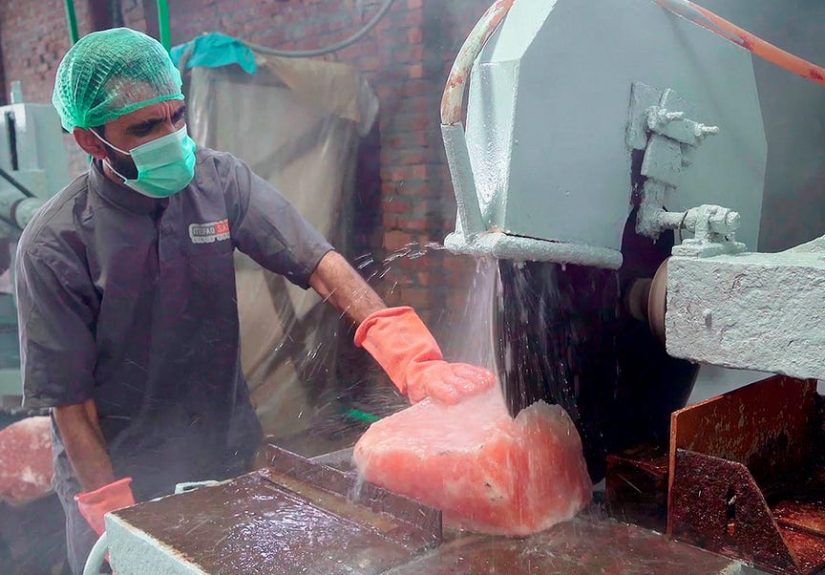
Pink Himalayan salt is a type of rock salt commonly mined from the Salt Range in Pakistan, especially areas associated with the famous Khewra salt deposits. Despite the name, most commercial “Himalayan” salt does not come from the snowy peaks people imagine. It comes from ancient underground salt formations near the Himalayan foothills. The name is good branding, though. “Slightly Near the Himalayas Salt” probably would not sell as well.
Like other edible salts, pink salt is primarily sodium chloride. The small differences come from crystal size, texture, processing level, taste, and trace mineral content. Its rosy color can range from pale blush to deep salmon, depending on the mineral composition of the rock.
20 Facts About Pink Himalayan Salt
1. Pink Himalayan salt is mostly sodium chloride
The biggest fact is also the least glamorous: pink Himalayan salt is still salt. It is made mostly of sodium chloride, the same core compound found in table salt, sea salt, and kosher salt. The body needs some sodium for fluid balance, nerve function, and muscle activity, but too much sodium can raise health risks for many people.
2. The pink color comes from trace minerals
The pink hue comes from tiny amounts of minerals, including iron compounds. These minerals create the color and can influence the flavor slightly, but they are present in very small quantities. You would not want to rely on pink salt as a meaningful source of minerals unless your nutrition plan was designed by a confused salt lamp.
3. It is not significantly healthier than regular salt
Pink salt is often advertised as a healthier alternative to table salt. In reality, the sodium content is broadly similar by weight. Some coarse pink salt may contain slightly less sodium per teaspoon because larger crystals leave more air space in the spoon, but that does not make it a low-sodium food. It just means the crystals are chunky.
4. Trace minerals do not make it a multivitamin
Pink Himalayan salt may contain tiny amounts of minerals such as potassium, calcium, magnesium, and iron. However, the amounts are too small to offer a major nutritional benefit in normal serving sizes. To get meaningful minerals from salt, you would also consume far too much sodium. That is a terrible trade, like buying a whole car because you need one cup holder.
5. It usually does not contain added iodine
Many table salts in the United States are iodized, meaning iodine has been added to help support thyroid health. Pink Himalayan salt is usually not iodized unless the label specifically says so. If someone replaces all iodized salt with non-iodized specialty salts, they should make sure they get iodine from other foods such as seafood, dairy products, eggs, or fortified options.
6. It can be used like regular salt in cooking
Pink salt works well as a finishing salt, seasoning salt, or cooking salt. Fine pink salt can be used in soups, sauces, marinades, roasted vegetables, eggs, and meats. Coarse pink salt is better for grinders, finishing dishes, or creating texture. The main rule is simple: taste as you go, because crystal size changes how salty a pinch feels.
7. Crystal size affects flavor perception
A large crunchy crystal on top of a roasted potato can taste more intense than the same amount of fine salt stirred into soup. That does not mean it has magic powers. It means your tongue meets the salt differently. Texture changes the eating experience, which is why chefs often keep different salts for different jobs.
8. It may taste milder or more mineral-like
Some people describe pink salt as slightly earthy, mineral, or less sharp than table salt. The difference is usually subtle. In a heavily seasoned chili, you may not notice it. On sliced tomatoes, avocado toast, dark chocolate, or grilled steak, the flavor and crunch can be more obvious.
9. It is popular as a finishing salt
Finishing salt is added at the end of cooking to boost flavor, texture, and appearance. Pink salt is especially attractive on simple foods because the color stands out. Try a small pinch on roasted carrots, soft-boiled eggs, cucumber slices, or homemade caramel. It brings a tiny sparkle of flavor without making the dish taste like seawater.
10. It is not a proven detox tool
One of the biggest myths about pink Himalayan salt is that it detoxifies the body. Your liver, kidneys, lungs, digestive tract, and skin already handle waste removal. Adding more salt does not “flush toxins” in a special way. Drinking salty water may actually increase sodium intake quickly, which is not helpful for most people.
11. “Sole water” claims are not well supported
Sole water is a salty mixture made by dissolving pink salt in water. Online claims often say it improves energy, sleep, digestion, hydration, and mineral balance. The problem is that strong scientific evidence for these benefits is lacking. For most people, plain water plus a balanced diet is a much better hydration strategy than turning breakfast into a tiny ocean.
12. Salt lamps are decorative, not medical treatment
Pink Himalayan salt lamps create a warm amber glow, which can make a room feel cozy. However, claims that salt lamps purify air, cure allergies, improve asthma, or release meaningful negative ions are not strongly proven. Enjoy them as decor. Do not treat them like a tiny glowing doctor.
13. Too much pink salt can still raise sodium intake
Whether salt is white, pink, gray, black, flaky, smoked, or blessed by a mountain goat, too much sodium can be a problem. High sodium intake is associated with higher blood pressure in many people, and high blood pressure can increase the risk of heart disease and stroke. The type of salt matters less than the total amount used.
14. Most dietary sodium comes from packaged and restaurant foods
The salt shaker gets a lot of blame, but many people get most of their sodium from processed foods, restaurant meals, deli meats, pizza, soups, sauces, breads, snacks, and frozen meals. Switching to pink salt at home will not solve a high-sodium diet if lunch comes from salty takeout every day.
15. It can cost much more than table salt
Pink Himalayan salt is usually more expensive than basic table salt. You are paying for color, origin, texture, packaging, and trend appeal. That can be worth it for finishing dishes or presentation, but it is not necessary for everyday cooking. A fancy salt grinder is nice; your body still reads the label as sodium.
16. Pink salt blocks can be used for cooking and serving
Himalayan salt blocks are slabs of pink salt used to cook, chill, or present food. They can add a light salty flavor to items placed on them, such as seafood, vegetables, fruit, cheese, or thinly sliced meat. They require careful heating and cooling because sudden temperature changes can crack the block. They also need gentle cleaning without soap.
17. It is not automatically cleaner than other salts
Marketing often uses words like “pure,” “ancient,” and “natural.” Those words sound lovely, but they do not automatically mean a product is safer or more nutritious. Salt quality depends on sourcing, processing, handling, packaging, and testing. Buy food-grade pink salt from reputable brands, and check labels for intended use.
18. It should not replace medical advice
People with high blood pressure, kidney disease, heart disease, thyroid conditions, or sodium-restricted diets should be careful with all salt, including pink Himalayan salt. Anyone following medical nutrition guidance should ask a qualified healthcare professional before making big changes. Pink crystals do not override a doctor’s plan.
19. It can help reduce over-salting when used intentionally
Because coarse pink salt has a strong visual presence, some people find it easier to use a smaller amount as a finishing touch. A little pinch on top of a finished meal can create flavor bursts without stirring salt throughout the entire dish. This is not guaranteed sodium reduction, but it can be a smart cooking technique.
20. The best use is flavor, not fantasy
The most honest reason to use pink Himalayan salt is simple: you like the taste, texture, color, and presentation. That is enough. Food does not need a fake miracle claim to be enjoyable. Pink salt can make a dish look beautiful and taste delicious. It just should not be marketed as a cure-all mineral potion.
Pink Himalayan Salt vs. Table Salt: What Really Changes?
The main differences between pink Himalayan salt and table salt are appearance, texture, processing, iodine content, and price. Table salt is usually fine-grained and may contain anti-caking agents. It is often iodized. Pink salt is often less refined, may come in coarse or fine crystals, and usually does not contain added iodine. From a sodium perspective, they are much closer than wellness marketing suggests.
For cooking, fine table salt dissolves quickly and works well in baking, where measurement matters. Pink salt can be great for seasoning by hand, finishing dishes, or adding color. In baking, use caution when swapping coarse salt for fine salt because volume measurements can change the result. One teaspoon of coarse salt may not equal one teaspoon of fine salt in actual sodium content.
How Much Salt Is Too Much?
Many health organizations recommend limiting sodium intake to help support heart health. The general daily limit often used in U.S. nutrition guidance is less than 2,300 milligrams of sodium per day for many adults, while some people may benefit from lower targets depending on health status. Because salt is about 40% sodium by weight, a small amount can add up quickly.
The practical takeaway is not that salt is evil. Salt makes food taste better, supports important body functions, and has been part of human cooking for thousands of years. The issue is excess. A sprinkle is seasoning. A snowstorm is a problem.
Smart Ways to Use Pink Himalayan Salt
Use it where it makes a difference
Save pink salt for foods where texture and appearance matter. It shines on roasted vegetables, salads, grilled fish, eggs, popcorn, homemade focaccia, chocolate desserts, and fresh fruit like watermelon or mango. If the salt disappears into a giant pot of stew, regular salt may do the job just as well.
Measure first, then adjust
When cooking with salt, start with less than you think you need. Let the dish cook, taste it, then adjust. This is especially important with soups, sauces, and braises because liquid reduces and flavors concentrate. Nobody wants a beautiful soup that tastes like it was seasoned during a pirate emergency.
Pair salt with acid and herbs
To reduce the need for extra salt, brighten food with lemon juice, vinegar, fresh herbs, garlic, onion, smoked paprika, black pepper, chili flakes, or citrus zest. Salt is powerful, but it does not have to carry the whole flavor team by itself.
Read labels on packaged foods
If sodium is a concern, the biggest wins often come from checking Nutrition Facts labels. Choose lower-sodium broths, sauces, canned beans, frozen meals, and snacks when possible. Rinsing canned beans or vegetables can also reduce some sodium.
Common Myths About Pink Himalayan Salt
Myth: Pink salt contains 84 minerals in useful amounts
Pink salt may contain many trace elements, but “contains” does not mean “provides meaningful nutrition.” A beach contains sand, but that does not make it a sandwich. The minerals in pink salt are generally too tiny to matter nutritionally in normal portions.
Myth: Pink salt lowers blood pressure
Pink salt is still a source of sodium. For many people, reducing sodium intake can support healthier blood pressure. Replacing table salt with pink salt without reducing total sodium is unlikely to produce the benefit people expect.
Myth: Pink salt balances body pH
The body tightly regulates blood pH through complex systems involving the lungs and kidneys. Food can affect urine pH, but it does not casually “alkalize” the whole body in the way wellness marketing often claims. Pink salt is seasoning, not a pH remote control.
Myth: Natural salt cannot be harmful
Natural does not always mean unlimited. Too much water can be dangerous. Too much sun can burn your skin. Too much salt can raise sodium intake. The source may be natural, but portion size still matters.
Experience Section: What Using Pink Himalayan Salt Is Really Like in Everyday Cooking
After using pink Himalayan salt in everyday meals, the most noticeable benefit is not medicalit is culinary. The salt looks beautiful on food. A few coarse crystals on avocado toast, grilled corn, roasted sweet potatoes, or a soft-boiled egg can make a simple plate feel intentional, like you tried harder than you did. That is a valid kitchen victory.
The texture is also enjoyable. Fine salt blends into food, but coarse pink salt gives little pops of flavor. On fresh tomato slices with olive oil, basil, and black pepper, those tiny salty bursts can make the dish taste brighter. On dark chocolate brownies or salted caramel cookies, pink salt adds contrast and crunch. It is the same reason flaky sea salt became a dessert celebrity.
However, pink salt can also trick you into using more than you realize. Because the crystals are pretty, it is tempting to sprinkle with enthusiasm. Suddenly your dinner has gone from “chef’s kiss” to “why am I so thirsty?” The best habit is to pour a little into your palm or a small bowl first instead of shaking directly over the food. This gives you more control and prevents a seasoning landslide.
Another practical lesson: pink salt is not always ideal for baking. If a recipe calls for fine salt and you use coarse crystals, the salt may not distribute evenly. You might get one bite with no salt and the next bite with a crunchy sodium surprise. For cakes, cookies, and bread dough, fine salt is usually better unless the recipe specifically calls for coarse salt on top.
Pink salt blocks are fun but require patience. They look dramatic on the table and can lightly season foods, but they are not as effortless as social media makes them seem. They need slow heating, careful handling, and proper cleaning. A salt block is more like a cast-iron pan with a spa membership than a regular serving plate. If you enjoy kitchen experiments, it can be exciting. If you hate special care instructions, stick to a grinder.
The biggest personal takeaway is that pink Himalayan salt works best when treated as a finishing ingredient, not a health upgrade. Use it to add beauty, crunch, and a clean salty flavor. Keep iodized salt, herbs, acids, and spices in the kitchen too. No single salt needs to be the main character in every meal.
In real life, the healthiest approach is balance. Enjoy pink salt if you like it, but do not let wellness hype turn it into a magic crystal. Food should taste good, support your health, and fit your budget. Pink Himalayan salt can do the first job nicely. The second job depends on your overall diet. The third depends on whether you bought a small jaror accidentally ordered a glowing salt boulder the size of a house cat.
Conclusion: The Real Truth About Pink Himalayan Salt
Pink Himalayan salt is attractive, flavorful, and fun to use, but it is not a nutritional miracle. It contains trace minerals, yet not enough to replace mineral-rich foods. It usually lacks added iodine, so people who rely on iodized salt should pay attention to iodine sources. It can be used beautifully in cooking, especially as a finishing salt, but too much still contributes to sodium intake.
The best way to enjoy pink salt is with honesty. Use it because it makes your food look and taste betternot because someone on the internet promised it would detox your organs, balance your pH, and fix your sleep by Tuesday. In the end, pink Himalayan salt is a lovely seasoning with a dramatic backstory, a gorgeous color, and a very ordinary sodium reality.