
Table of Contents >> Show >> Hide
- What Is Thermoregulation, Exactly?
- How the Body Controls Temperature
- Why Thermoregulation Matters in Daily Life
- Fever, Hyperthermia, and Hypothermia: Not the Same Thing
- Who Has a Harder Time With Thermoregulation?
- What Can Throw Thermoregulation Off?
- How to Support Healthy Thermoregulation
- Experiences Related to Thermoregulation
- Conclusion
Thermoregulation is one of those behind-the-scenes body jobs you rarely think about until you are sweating through a summer walk, shivering in a drafty room, or lying in bed wondering why a fever makes you feel like a human space heater. In plain English, thermoregulation is how your body keeps its internal temperature in a safe range even when the world around you is doing the absolute most.
It sounds simple, but it is really a nonstop balancing act. Your body makes heat, loses heat, stores heat, and responds to signals from your brain, skin, blood vessels, muscles, and sweat glands. The goal is not to make you feel perfectly cozy every second of the day. The goal is survival, stability, and keeping your cells, organs, and enzymes working like they are supposed to.
If that sounds dramatic, it is. A few degrees too high or too low can change how your brain works, how your heart beats, how well your muscles perform, and how safely your organs function. That is why thermoregulation matters in everyday life, during exercise, during illness, in extreme weather, and even during sleep.
What Is Thermoregulation, Exactly?
Thermoregulation is the body’s process of maintaining a relatively stable core temperature. Think of it as biological climate control, except the thermostat is not on the wall. It is in your brain, mainly in the hypothalamus, which compares temperature information from inside your body and from the skin. When your temperature drifts outside the preferred range, your body launches a response.
This is part of homeostasis, the body’s larger effort to keep internal conditions steady. Temperature is one of the big-ticket items on that list, right up there with blood sugar, blood pressure, and fluid balance. The body likes predictability. Your enzymes like predictability. Your organs definitely like predictability. Chaos is fun in reality TV, not in core body temperature.
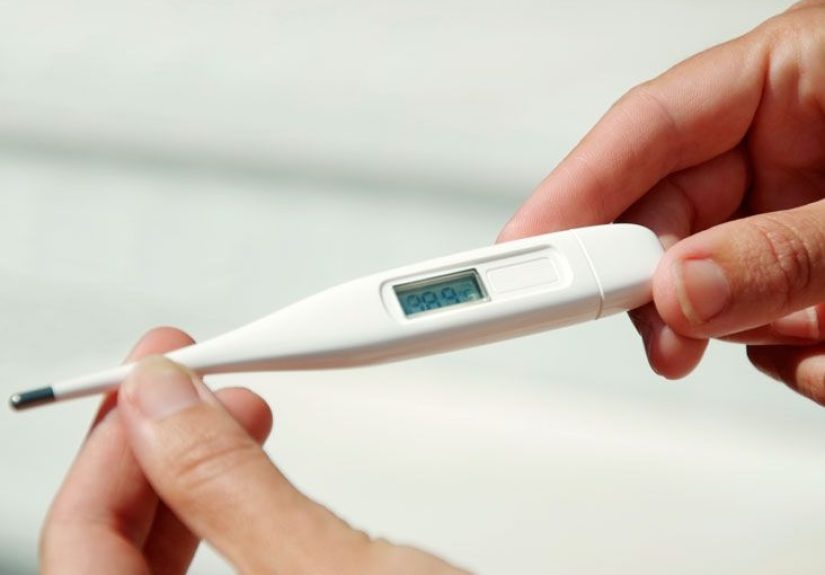
Your normal temperature is not one exact magic number. While 98.6°F gets all the publicity, body temperature can vary by person, time of day, age, activity, and how the temperature is measured. That is why one person can feel “normal” at a reading that would make someone else start Googling symptoms at 2 a.m.
How the Body Controls Temperature
Thermoregulation works through feedback loops. Your body senses a temperature change, compares it with the target range, and then activates mechanisms to either cool down or warm up. These responses can be automatic, behavioral, or both.
When You Are Too Hot
If your core temperature starts climbing, your body shifts into cooling mode. One major response is sweating. As sweat evaporates from the skin, it carries heat away with it. This is why sweat is helpful even though it can make your shirt look like you lost a fight with a sprinkler.
Your body also increases blood flow to the skin through vasodilation. In simple terms, blood vessels near the skin widen so more heat can move from the body’s core toward the surface, where it can be released. You may notice your skin looking flushed or feeling warm as this happens.
Then there is behavioral thermoregulation, which is a fancy way of saying you start doing sensible things like moving into the shade, drinking water, turning on a fan, loosening clothing, or canceling your grand dream of jogging at noon in August.
When You Are Too Cold
If your body is losing too much heat, it changes strategy fast. Blood vessels in the skin narrow through vasoconstriction, which helps reduce heat loss. Less warm blood reaches the surface, so more heat stays near vital organs. That is part of why hands and feet get cold first. Your body is prioritizing the VIP section.
You may also start shivering, which is your muscles rapidly contracting to generate extra heat. It is not glamorous, but it is effective. In colder conditions, your body may also increase heat production through metabolism. Infants, especially newborns, rely more on specialized fat stores to create heat because they do not shiver efficiently the way older children and adults do.
Behavior matters here too. You put on layers, curl up under a blanket, grab a hot drink, or move indoors. Thermoregulation is not just something your body does to you. It is something your body nudges you to do for yourself.
Why Thermoregulation Matters in Daily Life
Temperature regulation affects far more than comfort. It influences exercise performance, sleep quality, immune responses, work safety, and how well your body handles illness. When thermoregulation is working smoothly, you barely notice it. When it is not, everything feels off.
During exercise, for example, your muscles generate extra heat. Your circulatory system and sweat response have to work harder to keep your core temperature from climbing too high. That becomes much more difficult in hot, humid weather because sweat does not evaporate as easily. In other words, humidity turns your body’s cooling plan into a less impressive group project.
Thermoregulation also plays a role in sleep. Your body temperature follows a daily rhythm and usually drops slightly before and during sleep. That is one reason a cool room often feels more sleep-friendly than a stuffy one. Your biology is trying to power down, not audition for a sauna commercial.
Illness changes the picture too. Fever is part of the body’s defense response, while heatstroke and hypothermia happen when temperature control starts to fail. Understanding the difference can help you know when the body is doing something purposeful and when it is sending a giant flashing help signal.
Fever, Hyperthermia, and Hypothermia: Not the Same Thing
People often lump all abnormal temperature changes together, but they are not identical.
Fever
A fever happens when the body intentionally raises its temperature set point, usually in response to infection or inflammation. That is why people with a fever may feel chilled at first. Their body is trying to reach a new temporary target, so it acts as if the room suddenly got colder. Shivering, feeling cold, and wanting blankets can all happen even while body temperature is rising.
Hyperthermia
Hyperthermia is different. It happens when the body overheats because heat gain exceeds heat loss. The set point has not been deliberately raised; the cooling system just cannot keep up. This can happen during extreme heat, strenuous activity, dehydration, or certain medication effects. Heat exhaustion and heatstroke fall into this category.
Heatstroke is a medical emergency. It means the body is no longer controlling temperature effectively, and dangerous organ damage can follow quickly. Confusion, altered mental status, collapse, or a very high temperature are red flags that should never be brushed off as “just getting overheated.”
Hypothermia
Hypothermia happens when the body loses heat faster than it can produce it, causing core temperature to drop too low. This can happen outdoors in freezing weather, but also in cool indoor environments, wet conditions, or among older adults whose bodies do not respond to cold as efficiently. Early signs can include shivering, numbness, fatigue, poor coordination, and confusion.
Who Has a Harder Time With Thermoregulation?
Some groups are simply more vulnerable to temperature stress.
Infants and Newborns
Babies lose heat faster than adults and cannot adjust as effectively to temperature changes. They have a larger surface area relative to body size, less insulating fat, and immature temperature-control systems. Newborns can get cold quickly, which is one reason hospitals are borderline obsessed with keeping them warm. It is not overprotective. It is physiology.
Older Adults
Older adults may sweat less, respond more slowly to heat, lose heat faster in cold settings, and have more chronic conditions or medications that complicate the body’s responses. They may also feel thirst less strongly, which can increase the risk of dehydration in hot weather.
People With Medical Conditions
Problems involving the hypothalamus, thyroid, nervous system, skin, circulation, or metabolism can interfere with thermoregulation. So can infections, severe illness, endocrine disorders, and some rare genetic conditions that affect sweating or autonomic function.
People Taking Certain Medications
Some medications can impair sweating, alter alertness, affect fluid balance, or reduce heat tolerance. That does not mean everyone on medication is doomed to melt in July. It does mean heat safety matters more, especially during extreme weather or exercise.
What Can Throw Thermoregulation Off?
Thermoregulation depends on more than just the thermometer outside your window.
Humidity makes it harder for sweat to evaporate, which reduces cooling efficiency. Dehydration lowers the body’s ability to sweat and maintain skin blood flow, making overheating more likely. Heavy clothing or protective gear can trap heat. Alcohol, fatigue, and illness can also make temperature control less reliable.
On the positive side, the body can adapt to heat over time through acclimatization. With repeated exposure, people often begin sweating earlier, sweat more efficiently, and tolerate heat better at a given workload. This is one reason the first scorching week of summer can feel rude on a personal level, while later heat waves may feel slightly less shocking.
How to Support Healthy Thermoregulation
You cannot micromanage every cellular process in your body, and honestly that sounds exhausting. But you can support thermoregulation with a few practical habits.
- Stay hydrated, especially during heat, illness, or exercise.
- Dress for the environment, using breathable fabrics in heat and layers in cold.
- Take breaks during exercise or outdoor work.
- Be cautious with high humidity, not just high temperature.
- Use shade, fans, cooling centers, air conditioning, or warm indoor spaces when needed.
- Help babies, older adults, and people with medical risks avoid temperature extremes.
- Do not ignore warning signs like confusion, fainting, severe chills, or unusually high body temperature.
The body is good at adaptation, but not invincible. Thermoregulation works best when biology and common sense are on the same team.
Experiences Related to Thermoregulation
Thermoregulation becomes much easier to understand when you look at real-life experiences instead of textbook definitions. Picture a runner heading out at 7 a.m. on a muggy summer morning. The air temperature does not seem outrageous, but the humidity is high enough to make the air feel thick. Ten minutes in, sweat starts pouring, yet the runner still feels hotter and heavier with each block. That is thermoregulation under pressure. The body is trying to cool itself through sweating and increased skin blood flow, but because evaporation is limited, cooling is less effective. The person feels sluggish, heart rate rises faster, and the workout suddenly feels harder than expected. Same runner, same pace, different weather, completely different experience.
Now think about the opposite scenario: an older adult sitting in a cool house during winter. The thermostat says the room is manageable, but their hands are icy, their shoulders are tense, and they cannot seem to warm up. Aging changes how efficiently the body responds to cold. Blood flow to the skin shifts, muscle mass may be lower, and heat production is not always as strong or as fast. To someone else, the room may feel crisp but tolerable. To that person, it feels like their body forgot the assignment.
Parents often see thermoregulation up close with newborns. A baby can feel surprisingly cool after a bath or a diaper change, even in a room that seems comfortable to adults. Newborns lose heat quickly, and they are not great at making dramatic announcements about it beyond crying, fussing, or going sleepy and quiet. Many parents learn fast that keeping a baby warm is not just a comfort issue. It is part of keeping a newborn physiologically stable while their body learns how to manage the world outside the womb.
Fever gives another memorable example. Anyone who has had the flu knows the strange sequence: first you feel freezing, then you pile on blankets, then an hour later you are kicking everything off like the bed has turned into lava. That weird swing makes sense once you understand the hypothalamus is adjusting the body’s set point. During the “I am freezing” phase, your body is actively generating and conserving heat to reach a higher target. Once the fever starts to break, the opposite happens. Suddenly you are sweating, flushed, and wondering why you made such an emotional commitment to three blankets.
Even ordinary office life can reveal thermoregulation quirks. Some people are always cold in aggressively air-conditioned buildings, while others look perfectly comfortable in short sleeves. Activity level, body size, circulation, clothing, hormones, and individual variation all affect how people experience the same environment. This is why thermostat debates in shared spaces can feel weirdly personal. They kind of are.
Then there is the experience of becoming heat-acclimated. Someone who starts a physically demanding outdoor job in June may feel wrecked during the first week: headache, heavy sweating, fatigue, and a sense that the sun has become a personal enemy. After repeated exposure and proper hydration, the body often adapts. Sweating starts sooner, cooling becomes more efficient, and the same workload feels more manageable. The weather did not get kinder. The body just got smarter about handling it.
All of these experiences point to the same truth: thermoregulation is not abstract physiology. It is a daily, lived process. You feel it when you race through an airport, recover from an infection, sleep under the wrong comforter, bundle a baby, or step from dry heat into sticky humidity. It quietly shapes energy, comfort, safety, and performance all day long, even when you are not thinking about it at all.
Conclusion
Thermoregulation is one of the body’s smartest survival tools. It keeps your internal environment stable by coordinating the brain, skin, blood vessels, muscles, sweat glands, and behavior. When it works well, you stay functional across changing weather, activity levels, and health conditions. When it is overwhelmed, the consequences can range from discomfort to medical emergency.
That is why understanding thermoregulation matters. It helps explain fevers, heat exhaustion, hypothermia, sweat, chills, acclimatization, and why some people are more vulnerable than others. Most of all, it reminds us that body temperature is not just a number on a thermometer. It is a dynamic, life-supporting system that deserves a little respect, a little hydration, and occasionally, a very strategic fan.







 Close
Close