Table of Contents >> Show >> Hide
- Why Pineapple Salsa Works So Well
- The Best Pineapple Salsa Recipe
- How to Pick the Right Pineapple
- Flavor Tips That Make a Huge Difference
- Easy Variations to Try
- What to Serve with Pineapple Salsa
- How to Store Pineapple Salsa
- Common Mistakes to Avoid
- Why This Condiment Deserves Permanent-Fridge Status
- Final Thoughts
- Experiences That Make Pineapple Salsa a Repeat Recipe
- SEO Tags
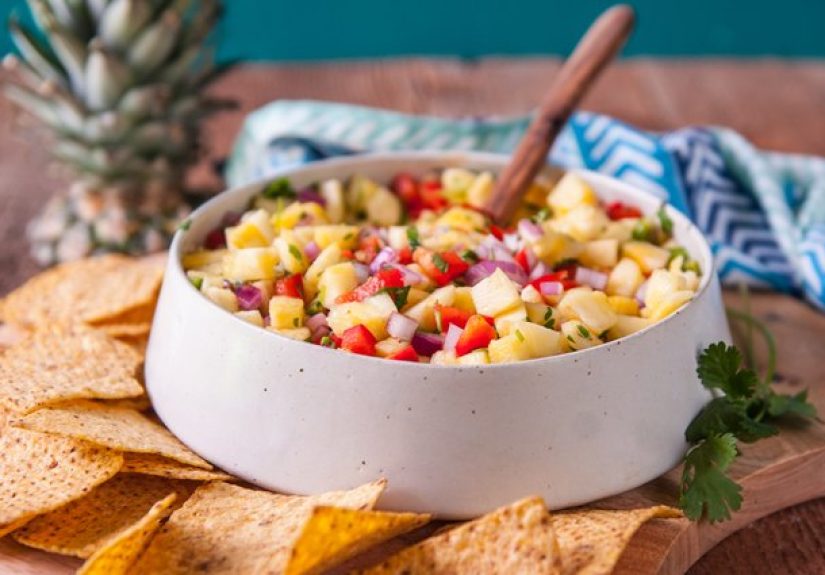
Some condiments whisper politely from the corner of the plate. Pineapple salsa does not. It kicks open the door, tosses a burst of sunshine onto your tacos, and somehow makes grilled chicken, salmon, pork, and even a plain bowl of chips feel like they suddenly booked a beach vacation. Sweet, tangy, juicy, fresh, and just spicy enough to keep things interesting, this pineapple salsa recipe earns its place in the fridge fast.
If you have ever made a fruit salsa that turned watery, bland, or weirdly one-note, do not worry. The magic is not just “chop pineapple and hope for the best.” A great pineapple salsa needs balance: sweetness from ripe fruit, crunch from onion or pepper, heat from jalapeño, brightness from lime, salt for contrast, and herbs for that fresh finish. Once those pieces click, you get a condiment that can double as a dip, topping, side dish, and dinner savior.
This version keeps things simple, colorful, and practical for real life. It is easy enough for a weeknight, pretty enough for a cookout, and flexible enough to handle whatever is hanging around in your produce drawer. Translation: this recipe is low drama, high reward, and deliciously hard to stop eating.
Why Pineapple Salsa Works So Well
The best pineapple salsa recipe does more than taste sweet. It hits a whole chain reaction of flavors at once. Pineapple brings natural sugar and acidity. Red onion adds bite and crunch. Jalapeño gives heat without taking over. Cilantro brings freshness. Lime sharpens the whole bowl. Salt ties everything together like the kitchen equivalent of a group chat that actually stays on topic.
What makes pineapple salsa especially lovable is its flexibility. Spoon it over grilled shrimp, pile it onto fish tacos, serve it with tortilla chips, or tuck it next to roasted pork. It plays nicely with smoky, savory, spicy, and creamy foods. That means one bowl can work across multiple meals, which is always a win when you are trying to stretch your cooking effort farther than your patience.
The Best Pineapple Salsa Recipe
Ingredients
- 4 cups fresh pineapple, finely diced
- 1/2 cup red onion, finely diced
- 1 small red bell pepper, finely diced
- 1 jalapeño, seeded and minced
- 1/4 cup fresh cilantro, chopped
- 2 tablespoons fresh lime juice
- 1/2 teaspoon lime zest
- 1/2 teaspoon kosher salt, plus more to taste
- 1 small tomato, seeded and diced (optional)
- 1 small garlic clove, very finely minced (optional)
Instructions
- Prep the produce. Dice the pineapple into small, even pieces so every scoop gets a little of everything. Finely chop the onion, bell pepper, jalapeño, and cilantro.
- Combine. Add the pineapple, red onion, red bell pepper, jalapeño, cilantro, lime juice, lime zest, and salt to a medium bowl. Add tomato and garlic if using.
- Toss gently. Stir until everything is evenly mixed. Taste and adjust with more lime juice, salt, or jalapeño if needed.
- Let it rest. Leave the salsa for 10 to 15 minutes before serving so the flavors can mingle and the juices can lightly dress the mixture.
- Serve cold or cool. Spoon over tacos, grilled meats, seafood, rice bowls, or serve with chips.
Yield and Time
This recipe makes about 4 to 5 cups of pineapple salsa, enough for a party snack platter or several family meals. Prep time is about 15 to 20 minutes, depending on how fast you dice and whether you are the kind of person who pauses to eat “test bites” every three minutes.
How to Pick the Right Pineapple
Fresh pineapple makes the biggest difference here. Look for fruit that smells sweet at the base, feels heavy for its size, and has a little give without being mushy. A pineapple that is underripe can make the salsa too sharp and fibrous. One that is overripe can turn soft and watery fast.
If fresh pineapple is not available, you can use canned pineapple in juice, but drain it extremely well and expect a softer texture. Fresh is brighter, firmer, and better for that crisp salsa effect. Frozen pineapple can work in a pinch too, but only after thawing and draining thoroughly. Otherwise, your salsa may become more soup than scoop.
Flavor Tips That Make a Huge Difference
1. Cut Everything Small
Pineapple salsa is at its best when it is spoonable, not awkwardly chunky. Smaller, uniform pieces help the ingredients blend instead of competing for attention. You want “perfect bite,” not “surprise slab of onion.”
2. Use Fresh Lime Juice
Bottled lime juice will technically work, but fresh lime gives a brighter, more lively flavor. Since pineapple is already sweet, that hit of fresh citrus keeps the salsa from becoming one-dimensional.
3. Salt Matters More Than You Think
Without enough salt, fruit salsa can taste flat. Salt sharpens sweetness, balances acid, and helps the whole bowl taste more like a finished recipe and less like chopped produce attending the same meeting.
4. Let It Sit Briefly
A short resting time helps the lime, salt, and juices blend into something more cohesive. Ten minutes is enough to improve the flavor without sacrificing too much crunch.
5. Control the Heat
For a mild salsa, remove the jalapeño seeds and membranes. For more fire, keep some in or swap in serrano. If your crowd includes spice skeptics, start mild. You can always add more heat, but you cannot un-jalapeño the bowl.
Easy Variations to Try
Grilled Pineapple Salsa
Want deeper flavor? Grill pineapple slices for a few minutes until lightly charred, then chop and mix as usual. Grilling adds smoky sweetness and a caramelized edge that pairs beautifully with pork, steak, and grilled fish.
Pineapple Mango Salsa
Swap out part of the pineapple for ripe mango. The result is softer, sweeter, and extra tropical. This version is especially good with salmon and shrimp.
Pineapple Avocado Salsa
Add diced avocado right before serving for a creamy contrast. This turns the salsa into something closer to a topping-meets-salad situation, in the best possible way.
Tomato-Pineapple Salsa
If you want a flavor closer to classic salsa fresca, add diced seeded tomato. It softens the fruit-forward profile and gives the mixture a familiar savory backbone.
Heat-Free Pineapple Salsa
Skip the jalapeño and use extra red bell pepper plus a little more lime for brightness. It still tastes lively, just friendlier for kids or anyone who treats spice like a personal attack.
What to Serve with Pineapple Salsa
This easy pineapple salsa recipe shines because it solves the eternal dinner question: “What can I add to make this less boring?” Here are some of the best ways to use it:
- Fish tacos: Especially with mahi-mahi, cod, salmon, or shrimp.
- Grilled chicken: Spoon it over sliced chicken breasts or thighs for instant summer energy.
- Pork chops or tenderloin: Pineapple and pork are old friends for a reason.
- Burrito bowls: Add it to rice, beans, grilled protein, and avocado.
- Burgers: Yes, really. It works particularly well with turkey burgers or spicy chicken burgers.
- Chips: The easiest answer and still a great one.
- Nachos: Add after baking for bright contrast.
- Grain salads: Fold a scoop into quinoa or rice for extra flavor.
How to Store Pineapple Salsa
Store pineapple salsa in an airtight container in the refrigerator. It is best within 1 to 3 days, when the texture is still fresh and the flavors stay bright. As it sits, the pineapple releases more juice and the vegetables soften a bit. That does not mean it is ruined; it just means the salsa shifts from “party-ready scoop” to “extremely good spooned over grilled chicken from the fridge at 10 p.m.”
If you are making it ahead, prepare most of the mixture early and stir in the cilantro just before serving for the freshest flavor. Give it a quick stir before using, since juices will collect at the bottom.
Common Mistakes to Avoid
Using huge chunks
Oversized pieces make the salsa harder to eat and less balanced in each bite.
Skipping acid
Without lime juice, the salsa can taste overly sweet and a little sleepy.
Forgetting to taste before serving
Some pineapples are sweeter, some are tarter, and some jalapeños show up ready for chaos. A final taste lets you adjust like a smart cook instead of gambling like a game show contestant.
Adding avocado too early
If using avocado, wait until just before serving. It can brown and soften quickly.
Using watery ingredients without draining
Tomatoes, thawed frozen fruit, or canned fruit can release extra liquid. Drain or seed where needed.
Why This Condiment Deserves Permanent-Fridge Status
There are recipes you make once because they looked pretty online, and then there are recipes that quietly become part of your routine. Pineapple salsa belongs in the second category. It is quick, flexible, colorful, and wildly helpful when dinner needs a spark. A spoonful can wake up leftovers, rescue plain protein, brighten tacos, and make snack plates feel a lot more intentional.
It also feels generous. Put out a bowl of pineapple salsa, and people get curious. They take one cautious scoop, then come back for a much less cautious second scoop. It is the kind of condiment that makes food feel fresh, even if the rest of the meal is simple. Maybe especially if the rest of the meal is simple.
Final Thoughts
If you are looking for a recipe that is easy, vibrant, and more useful than it has any right to be, this pineapple salsa recipe is it. It delivers sweetness, heat, crunch, and acidity in one bright bowl, and it pairs with everything from chips to seafood to grilled chicken. Better yet, it does all that without demanding fancy ingredients or complicated technique.
Make it once for taco night and you will probably start inventing new reasons to make it again. Suddenly there it is next to pork tenderloin. Then on salmon. Then spooned over rice bowls. Then eaten standing at the counter with chips while dinner is “still in progress.” A true favorite condiment does not just taste good. It makes the whole meal better. Pineapple salsa absolutely understands the assignment.
Experiences That Make Pineapple Salsa a Repeat Recipe
One reason pineapple salsa becomes a favorite so quickly is that it solves multiple cooking problems at once. In many home kitchens, it starts as a “let’s make something fresh for taco night” idea and ends up becoming the most talked-about thing on the table. People often expect fruit salsa to be too sweet, too watery, or too unusual. Then they try one bite with grilled chicken or fish and realize the sweetness is not random at all. It is contrast. That contrast is exactly what makes smoky, salty, or spicy foods taste more complete.
At cookouts, pineapple salsa often becomes the dish that disappears before the burgers do. A bowl placed next to tortilla chips may seem like a small detail, but it changes the rhythm of the meal. Guests snack on it while the grill heats up. Someone tries it on a chip, then on grilled shrimp, then starts asking what else it would be good on. Before long, the salsa becomes less of a side condiment and more of a running theme. It lands on tacos, hot dogs, pulled pork sandwiches, and even plain rice. That kind of versatility is not just convenient. It makes a meal feel more generous and creative without adding much extra work.
Weeknight dinners benefit too. A lot of people rotate through the same reliable proteins: chicken breasts, salmon fillets, pork chops, maybe tofu or shrimp. The problem is not that those foods are bad. The problem is that they can start to feel predictable. Pineapple salsa fixes that fast. Even when the main dish is seasoned simply, a spoonful of fresh salsa adds color, texture, acidity, and enough personality to make leftovers feel new again the next day. It is one of those rare recipes that can make an ordinary dinner feel planned instead of merely assembled.
There is also the visual effect. Pineapple, red onion, cilantro, jalapeño, and bell pepper create a bowl that looks bright before anyone even tastes it. That matters more than many cooks admit. When food looks fresh, people approach it with more enthusiasm. A plain grilled chicken breast may not inspire applause on sight, but top it with a vivid yellow-and-green salsa and suddenly the plate looks restaurant-worthy. It is a low-effort trick with a high return.
Another common experience is discovering how useful pineapple salsa is for entertaining. Hosts like recipes that can be made ahead, adjusted easily, and served several ways. This salsa fits all three. It can begin as an appetizer with chips, move onto tacos at dinner, and finish as a topping for leftover grilled meat the next day. That kind of flexibility is gold when you are feeding a crowd. It lets one recipe do the work of several.
Perhaps the most telling experience is how often people start improvising once they get comfortable with the base recipe. After the first batch, they add mango, avocado, cucumber, tomato, or even grilled corn. Some make it spicier. Some keep it mild for family meals. Some prefer it with extra lime and less onion. That is usually the sign of a recipe worth keeping: not just that it tastes good exactly once, but that it invites repeat use and personal variation without losing its charm. Pineapple salsa is memorable because it is fresh, yes, but also because it adapts so easily to real life. And real life, frankly, could always use a better condiment.