
Table of Contents >> Show >> Hide
- Why Glass Lamps Work So Well in Modern Interiors
- The Design Logic: One High, One Low
- Where to Place Two Glass Lamps
- How to Choose the Right Heights
- Shade Shape Matters More Than People Think
- Bulb Choice: The Secret Ingredient
- How to Style the Area Around the Lamps
- High-Low Glass Lamp Ideas by Room Style
- Common Mistakes to Avoid
- Buying Tips for Two Glass Lamps
- Personal Experience: What Living With Two Glass Lamps Actually Teaches You
- Conclusion
Some decorating ideas arrive with trumpets, mood boards, and a designer using the word “curated” three times before coffee. Others arrive quietly, plug into the wall, and make the whole room look more expensive. That is the charm of styling two glass lamps: one high, one low. It is a simple idea, but it can change how a bedroom, living room, entry table, reading corner, or home office feels after sunset.
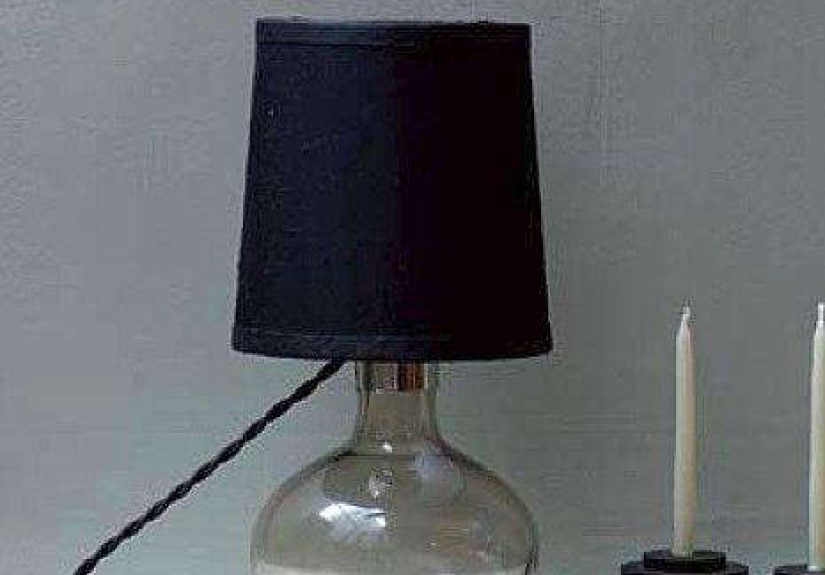
Glass lamps are especially good at this little design trick because they do not visually bully a room. Clear glass, smoky glass, ribbed glass, seeded glass, milk glass, and recycled glass all play with light without feeling heavy. A tall glass lamp brings height and structure. A shorter glass lamp adds glow, softness, and balance. Together, they create a layered look that feels intentional instead of “I found these in two different closets and hoped for the best.”
The phrase “two glass lamps: one high, one low” is not just about buying two random lamps of different heights. It is about using proportion, transparency, shade shape, bulb warmth, and placement to create rhythm. Think of it as decorating with light in stereo: one lamp carries the melody, the other adds harmony.
Why Glass Lamps Work So Well in Modern Interiors
Glass table lamps have remained popular because they adapt to almost every decorating style. A clear glass lamp can disappear into a minimalist room. A ribbed glass lamp adds texture to a transitional bedroom. A smoked glass lamp can make a modern living room feel moody and polished. A milk glass lamp feels soft, vintage, and friendlybasically the lighting equivalent of a handwritten thank-you note.
The biggest benefit is visual lightness. Unlike solid ceramic, stone, or wood bases, glass allows the eye to move through it. This is helpful in small rooms, narrow entryways, compact nightstands, and apartments where every piece of furniture must earn its rent. A glass lamp can add shine and height without making a surface feel crowded.
Clear Glass
Clear glass is the easiest to blend. It works with coastal, farmhouse, modern, Scandinavian, and classic interiors. It is ideal when the table, art, bedding, or sofa already has strong color and you want the lighting to support the room rather than compete with it.
Smoked or Tinted Glass
Smoked glass, amber glass, blue glass, and green glass bring more personality. These lamps still feel airy, but they add color in a controlled way. They are great for rooms that need a bit of drama without requiring you to paint a wall or explain to your family why the sofa is suddenly plum.
Ribbed, Seeded, or Textured Glass
Textured glass is perfect when you want movement. Ribbed glass catches highlights. Seeded glass adds tiny bubbles and imperfections that make a lamp feel handmade. Recycled glass often has an organic shape that softens hard lines in a room.
The Design Logic: One High, One Low
Using one tall glass lamp and one shorter glass lamp creates what designers often call visual hierarchy. In plain English, the room gets a leader and a supporting actor. Without hierarchy, a space can feel flat. With too much hierarchy, one object screams for attention like a chandelier in a studio apartment. The high-low lamp pairing sits comfortably in the middle.
The taller lamp draws the eye upward. It can help connect a table or console to wall art, curtains, a mirror, or a tall headboard. The lower lamp keeps the arrangement grounded. It provides a softer pool of light and prevents the tall lamp from looking lonely, like it arrived early to a party.
This approach is especially useful when styling asymmetrical rooms. Maybe one side of your sofa has a large end table and the other side has a smaller drink table. Maybe your bedroom has a nightstand on one side and a dresser on the other. Matching lamps can look too formal in those situations. Two related glass lamps at different heights feel collected, relaxed, and more realistic for the way people actually live.
Where to Place Two Glass Lamps
On a Console Table
A console table is one of the best places to use one high and one low glass lamp. Place the taller lamp toward one side, then balance it with a shorter lamp, stacked books, a tray, or a bowl on the opposite side. Add a mirror or framed art above the table, and suddenly your entryway looks like it has a plan. Guests may assume you hired someone. Let them.
Beside a Sofa
In a living room, place the taller glass lamp on an end table near the main reading seat. Use the lower lamp on a nearby side table, cabinet, or shelf to add ambient glow. The goal is not perfect symmetry. The goal is comfortable light that makes the room feel warm from multiple angles.
In a Bedroom
Bedrooms often use matching bedside lamps, and that can look beautiful. But if your nightstands are different sizes or your room leans more eclectic, a high-low glass lamp pairing can feel more personal. Keep the shade bottoms at a comfortable level when sitting in bed, and choose warm bulbs so the room feels restful rather than “airport security checkpoint at 5 a.m.”
On a Desk and Shelf
In a home office, a taller glass lamp can provide useful task light on a desk, while a lower lamp on a bookshelf or credenza creates background warmth. This helps reduce the harsh contrast between a bright computer screen and a dark room. Your eyes will appreciate the kindness.
How to Choose the Right Heights
The “one high, one low” idea works best when the difference is noticeable but not bizarre. If the tall lamp is 30 inches and the short lamp is 6 inches, the setup may look like a parent-teacher conference. A practical difference of 6 to 12 inches usually feels balanced for table lamps.
For many living rooms, table lamps between 24 and 32 inches tall work well, depending on the table height and seating. For bedside lamps, comfort matters more than drama. When sitting in bed, the bottom of the shade should generally be around eye level or slightly below so the bulb is not glaring directly into your face. Nothing ruins a relaxing chapter faster than being interrogated by a light bulb.
Also consider the total height of the lamp and table together. A tall lamp on a tall table may become too towering. A short lamp on a low table may feel useless. The lamp should relate to the furniture around it, not audition for its own zip code.
Shade Shape Matters More Than People Think
The shade is the hat of the lamp. Choose badly, and even a beautiful glass base can look confused. Drum shades feel modern and clean. Empire shades feel classic and slightly formal. Tapered shades can soften a lamp with a heavy base. Linen shades diffuse light beautifully and add texture. White shades brighten the room, while darker shades create a moodier glow.
When pairing two glass lamps, the shades do not have to match exactly, but they should speak the same design language. For example, a tall clear glass lamp with a white linen drum shade can pair nicely with a shorter ribbed glass lamp wearing a smaller white or oatmeal shade. The shared shade color makes them look related, while the different base heights make the arrangement interesting.
A Simple Shade Rule
A lampshade should usually be wide enough to feel proportional to the base and tall enough to cover the bulb and hardware. If the shade is too small, the lamp looks like it borrowed a child’s hat. If the shade is too large, it can swallow the base and block nearby objects. Balance is the quiet hero here.
Bulb Choice: The Secret Ingredient
You can choose the most elegant glass lamps in the world, but the wrong bulbs will still make the room feel like a dentist’s office. For living rooms and bedrooms, warm white bulbs around 2700K to 3000K usually create a cozy atmosphere. This temperature range works especially well with glass because it gives the material a soft glow instead of a harsh sparkle.
Look at lumens rather than old-fashioned wattage. Lumens measure brightness. A lower lamp used for mood may need fewer lumens, while a taller lamp used for reading may need more. Dimmable LED bulbs are an excellent choice because they let you shift from “I am reading a novel” to “I am pretending the laundry does not exist” with one small adjustment.
How to Style the Area Around the Lamps
Two glass lamps look best when the surrounding decor supports them. Because glass is reflective and transparent, clutter becomes more obvious. A messy table with glass lamps can look busy fast, as if the objects are all trying to have separate conversations.
Start with a few grounding pieces. Books work well because they add weight and color. A ceramic bowl can contrast the transparency of glass. A small plant adds life and organic shape. A framed photo or artwork can connect the lamps to the rest of the room. The trick is to vary height, texture, and shape without turning the table into a tiny museum exhibit titled “Things I Might Need Someday.”
Good Pairings for Glass Lamps
Glass lamps pair beautifully with natural materials such as linen, jute, rattan, oak, walnut, marble, brass, and matte black metal. These materials prevent glass from feeling too cold. If both lamps are clear glass, add texture nearby. If one lamp is tinted or smoky, repeat that color elsewhere in a pillow, vase, art print, or throw blanket.
High-Low Glass Lamp Ideas by Room Style
Modern Minimalist
Choose one tall clear glass cylinder lamp and one low frosted glass lamp. Keep the shades simple, preferably white or ivory. Use black, chrome, or brass accents sparingly. This creates a quiet, polished look that does not beg for attention.
Coastal Casual
Try a tall recycled glass lamp in a sea-glass tone with a shorter clear or seeded glass lamp. Add linen shades, light wood, woven baskets, and blue-gray textiles. The room will feel breezy without requiring a decorative sign that says “Beach House,” which is especially helpful if the nearest beach is six hours away.
Vintage Eclectic
Mix a taller milk glass lamp with a shorter ribbed amber glass lamp. Add a patterned shade on one lamp and a plain shade on the other. Tie the look together with warm metals, old books, framed art, and a rug with character.
Traditional Elegant
Use a tall glass lamp with a classic urn or gourd shape and a lower lamp with similar curves. Choose pleated or tapered shades in cream. Add brass, dark wood, and a mirror for a refined look that still feels livable.
Common Mistakes to Avoid
Choosing Lamps That Are Too Similar
If the lamps are almost the same height but not quite, the difference can look accidental. Make the high-low contrast intentional. A clear height difference looks designed; a tiny mismatch looks like someone measured after assembling furniture, which is always dangerous.
Using Bulbs With Different Color Temperatures
One warm bulb and one cool bulb can make the room feel visually uneven. Unless you are creating a special effect, keep both bulbs in the same warm range. Matching color temperature helps the lamps feel like a pair even when their shapes differ.
Ignoring Cord Placement
Glass lamps often reveal more than solid lamps. That includes cords. Use cord clips, cord covers, furniture placement, or smart positioning to keep cords discreet. A beautiful lamp with a wild cord situation is like a tuxedo with flip-flops.
Overdecorating the Table
Because glass already reflects light, too many shiny objects nearby can feel chaotic. Pair glass lamps with matte finishes, textiles, wood, stone, or books to keep the scene balanced.
Buying Tips for Two Glass Lamps
Before buying, measure the table, nightstand, console, or shelf where each lamp will live. Check the lamp height, base width, shade width, and cord length. Make sure the tall lamp will not block art, mirrors, windows, or conversation. Make sure the lower lamp still provides useful light.
If you are buying online, look closely at dimensions. Product photos can be sneaky little magicians. A lamp may look substantial in a styled photo but arrive the size of a fancy cupcake. Read the measurements, then use painter’s tape or a stack of books to visualize the height at home.
Also consider cleaning. Clear glass shows fingerprints and dust more than textured or tinted glass. If your household includes kids, pets, or enthusiastic snackers, ribbed or seeded glass may be more forgiving. It still needs cleaning, but it will not announce every fingerprint like breaking news.
Personal Experience: What Living With Two Glass Lamps Actually Teaches You
After experimenting with the “one high, one low” glass lamp idea in different rooms, the first lesson is that lamps are not just accessories. They are mood managers. A tall glass lamp can make a forgotten corner feel finished. A low glass lamp can make a hard surface feel softer. Together, they change how the room behaves at night.
In a living room, the pairing works best when the lamps are not forced to be twins. One tall clear glass lamp on an end table can anchor the sofa area, especially when placed near a reading chair. A lower smoked glass lamp on a cabinet across the room can create a secondary glow. The effect is subtle during the day, but in the evening it becomes obvious. The room feels deeper, warmer, and more welcoming. It is the difference between “the lights are on” and “come sit down, you look like you need tea.”
In a bedroom, the high-low approach is useful when the furniture is mismatched. Many real bedrooms do not have perfectly identical nightstands. One side may have a proper table; the other may have a small chest, stool, or floating shelf. Using different glass lamps can make that asymmetry feel intentional. A taller lamp on the larger nightstand gives enough reading light, while a shorter lamp on the smaller side adds glow without crowding the surface.
The second lesson is that bulb warmth matters more than the lamp price. A budget glass lamp with a good warm LED bulb can look surprisingly beautiful. An expensive glass lamp with a cold, bluish bulb can look like it belongs in a laboratory where someone is about to say, “The experiment has escaped.” Warm bulbs soften glass, flatter wood tones, and make fabric shades look richer.
The third lesson is that shade proportion can rescue or ruin the whole setup. I once tried a shade that was too narrow on a tall glass lamp. The base was elegant, but the lamp looked like it was wearing a tiny party hat against its will. A wider linen drum shade fixed everything. On the shorter lamp, a slightly lower shade helped hide the bulb and created a gentle pool of light. The two lamps did not match, but they finally agreed with each other.
The fourth lesson is practical: glass lamps need breathing room. They look best when surrounded by fewer, better objects. A stack of books, a small bowl, and one framed piece can be enough. Too many decorative items around glass lamps create reflections and visual noise. The beauty of glass is that it can feel light, airy, and clean. Let it do that job.
The final lesson is that a high-low lamp pairing is one of the easiest ways to make a room feel designed without making it feel staged. Matching lamps can be lovely, but they can also feel formal. Two glass lamps of different heights feel more collected. They suggest that the room evolved over time, which is often more charming than a room that looks purchased in one very determined Saturday afternoon.
Conclusion
Two glass lampsone high, one lowoffer a smart, stylish way to add depth, warmth, and personality to a room. The taller lamp brings structure and useful light. The lower lamp adds softness and balance. Glass keeps the look airy, while shade choice, bulb temperature, and thoughtful placement make the pairing feel intentional.
Whether you love clear glass, smoked glass, ribbed glass, recycled glass, or milk glass, the high-low method works because it respects how rooms are actually used. It gives you layered lighting, visual rhythm, and a little sparkle without demanding a full redesign. In other words, it is a small decorating move with big “yes, I absolutely meant to do that” energy.






 Close
Close