
Table of Contents >> Show >> Hide
- What counts as bullying?
- Main types of bullying
- Examples of what bullying can look like in everyday life
- Warning signs that someone may be getting bullied
- Why bullying matters so much
- Next steps: What to do if bullying happens
- 1. Make safety the first priority
- 2. Stay calm and listen
- 3. Gather facts and document what happened
- 4. Report it to the right adult or institution
- 5. Avoid forcing a quick face-to-face “make up” moment
- 6. Build support around the child
- 7. Teach response strategies without making the child responsible for fixing it alone
- 8. Escalate if the response is inadequate
- What bystanders can do
- How schools and families can help prevent bullying
- Real-life experiences related to bullying: what it can feel like and what helps next
- Conclusion
Bullying is one of those problems people love to shrink with phrases like “kids will be kids,” as if cruelty is a charming extracurricular. It is not. Bullying can shape how a child feels at school, online, at home, and even inside their own head. It can chip away at confidence, disrupt sleep, wreck concentration, and turn everyday routines into stress marathons.
If you are trying to understand the types of bullying, spot the difference between normal conflict and harmful behavior, or figure out the next steps after an incident, this guide breaks it down in plain English. No jargon parade. No scare tactics. Just clear examples, practical advice, and a roadmap for what to do next.
What counts as bullying?
Before we talk about the main types, it helps to define the term correctly. Bullying is not simply one rude comment, one bad day, or two friends having a mutual argument. In most widely used U.S. definitions, bullying involves three core ideas: aggressive behavior, a real or perceived power imbalance, and repetition or the strong likelihood that it will happen again.
That power imbalance can come from many places. It might be physical size, popularity, social status, age, digital reach, embarrassing information, or access to a group chat that behaves like a tiny dictatorship. In other words, bullying is not just about who can throw a harder shove. It is also about who can isolate, humiliate, or control someone else.
This distinction matters because the response to bullying should be different from the response to ordinary peer conflict. Conflict usually involves a disagreement between people with relatively equal power. Bullying is about targeted harm.
Main types of bullying
1. Physical bullying
Physical bullying is the type most people picture first. It includes hitting, kicking, shoving, tripping, spitting, blocking someone’s path, damaging belongings, or taking property. It can also include threatening gestures that make a person fear they are about to be hurt.
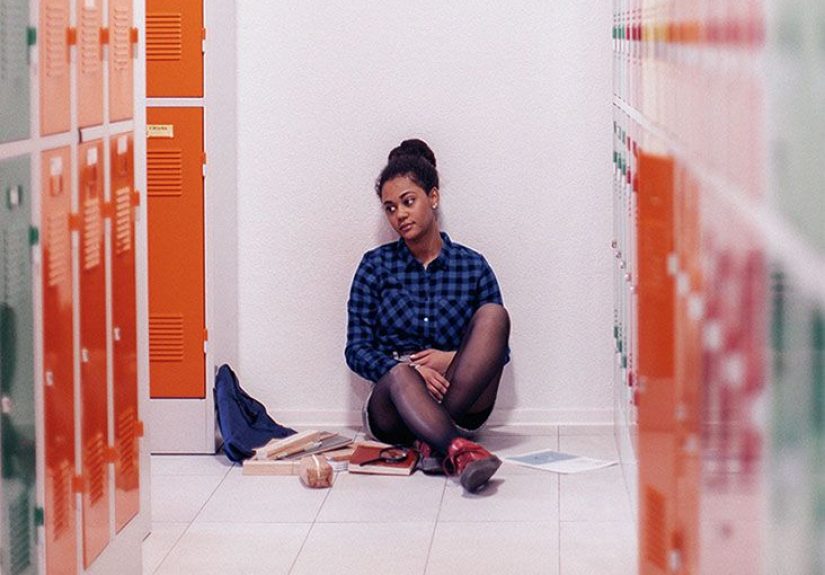
Example: A student is shoved into lockers between classes every few days while another kid snatches their lunch and laughs. Even if each incident seems “small” on its own, the repeated pattern makes it bullying.
Physical bullying tends to get attention faster because it leaves visible evidence. Bruises, damaged books, broken glasses, or missing items are harder to dismiss. Unfortunately, that does not make it easier for kids to report. Many stay quiet because they fear retaliation or worry adults will tell them to “toughen up,” which is terrible advice unless the adult is training them to wrestle a bear.
2. Verbal bullying
Verbal bullying uses words as the weapon of choice. That includes name-calling, insults, threats, taunts, racist remarks, homophobic slurs, mocking a disability, humiliating jokes, and repeated comments meant to embarrass or dominate.
Example: A child is called “gross,” “stupid,” or “psycho” every day on the bus, while classmates laugh and pile on. The target may not have a bruise, but the emotional impact can be intense and long-lasting.
Verbal bullying is often minimized because people treat words like they are somehow lighter than actions. But words can shape self-image, social standing, and mental health. Repeated verbal harassment can make school feel unsafe even when nobody ever throws a punch.
3. Social or relational bullying
Social bullying, sometimes called relational bullying, is all about damaging someone’s relationships or reputation. This can include exclusion, rumor-spreading, public humiliation, manipulating friendships, telling others not to talk to someone, or setting up embarrassing situations for entertainment.
Example: A group creates a private chat to plan lunch without one classmate, posts cryptic messages about them, then acts innocent in person. Nobody says, “We are bullying you,” because bullies rarely issue formal announcements. But the message is clear: you are unwanted.
This kind of bullying is especially painful because belonging matters so much to kids and teens. Social rejection can make a person question everything from their clothes to their worth. It is subtle enough that adults sometimes miss it, yet powerful enough to leave a child dreading school.
4. Cyberbullying
Cyberbullying happens through phones, computers, gaming platforms, social media, messaging apps, forums, or group chats. It can include threatening messages, fake accounts, doxxing, sharing humiliating photos, spreading lies, posting cruel comments, or repeatedly targeting someone online.
Example: A teen wakes up to find that a rumor about them has spread across Snapchat, a mean meme using their photo is circulating, and several classmates have posted laughing emojis like tiny digital pitchforks.
Cyberbullying can feel relentless because it follows a child home. School may end at 3:00 p.m., but the phone keeps buzzing. Online bullying can also spread fast, involve a larger audience, and leave a digital trail that is painful to revisit. The upside, if there is one, is that screenshots, message logs, and timestamps can become important evidence.
5. Prejudicial, sexual, or identity-based bullying
Some bullying targets a specific identity or trait, such as race, religion, ethnicity, body size, disability, sexual orientation, gender identity, language, appearance, or family income. This can show up through physical, verbal, social, or digital behavior. It may also cross the line into unlawful harassment.
Example: A student is mocked for an accent, repeatedly called slurs, or targeted with sexual comments and rumors. Another child with a disability is excluded, imitated, and turned into the “joke” of the classroom.
When bullying is tied to bias, it can be especially harmful because it attacks both the person and the identity they cannot simply switch off like a phone notification. These cases deserve prompt adult attention and, in some situations, formal reporting under school policy or civil rights protections.
Examples of what bullying can look like in everyday life
Bullying does not always arrive wearing a villain cape. Sometimes it looks ordinary on the surface. That is why examples matter.
- A fifth grader is “jokingly” tripped every week in gym class by the same student.
- A middle schooler keeps getting mocked for acne, weight, or clothes during lunch.
- A teen is cut out of group projects and parties after someone spreads a rumor online.
- A student receives repeated messages saying nobody likes them and they should disappear.
- A child’s backpack is hidden, their water bottle is tossed, and classmates insist it is “just a prank.”
- A gamer is repeatedly targeted in voice chat with slurs, threats, and humiliation.
- A student with a disability is copied in a mocking way until the class laughs.
Notice the pattern: targeted behavior, humiliation, and a power imbalance. When that pattern repeats, or clearly could repeat, adults should take it seriously.
Warning signs that someone may be getting bullied
Not every child talks openly about bullying. In fact, many do the opposite. They go quiet, say “nothing happened,” and somehow develop a mysterious dislike of school on Monday mornings. That is why behavior changes matter.
Possible warning signs include:
- Unexplained injuries or damaged belongings
- Lost books, missing electronics, or torn clothing
- Headaches, stomachaches, or frequent requests to stay home
- Sleep problems, nightmares, or sudden mood changes
- Declining grades or loss of interest in school
- Skipping activities they used to enjoy
- Changes in eating habits
- Avoiding the bus, cafeteria, locker room, or phone
- Hiding screens, deleting accounts, or getting upset after notifications
- Signs of anxiety, hopelessness, self-harm, or talking about death
Kids who bully others can also show warning signs: frequent aggression, blaming others, sudden extra money or belongings, obsession with popularity, or hanging around peers who reward cruelty like it is a group project.
Why bullying matters so much
Bullying is not harmless drama. It is linked with emotional distress, anxiety, depression, physical complaints, school avoidance, lower academic performance, and social isolation. The effects can reach kids who are bullied, kids who bully others, and kids who witness it. Bystanders are not immune just because they are standing on the sidelines pretending not to notice.
That is one reason adults should resist the urge to label bullying as a rite of passage. Rites of passage are things like graduation, learning to drive, and realizing you now get excited about air fryers. Repeated humiliation is not on the list.
Next steps: What to do if bullying happens
1. Make safety the first priority
If there is a threat of serious harm, a weapon, sexual abuse, stalking, extortion, or talk of self-harm or suicide, treat it as urgent. Get immediate help from emergency services, school officials, medical professionals, or crisis support. This is not the time for “let’s see how it plays out.”
2. Stay calm and listen
If a child tells you they are being bullied, start by listening. Thank them for telling you. Believe them. Avoid launching straight into a courtroom cross-examination with twenty-seven follow-up questions in under ten seconds. A calm response makes it more likely they will keep talking.
3. Gather facts and document what happened
Write down what happened, when, where, who was involved, and whether there were witnesses. Save screenshots, texts, emails, posts, and photos. For cyberbullying, documentation is gold. Do not forward harmful content widely, but do preserve evidence.
4. Report it to the right adult or institution
At school, that may mean a teacher, counselor, assistant principal, principal, or district contact listed in the school’s anti-bullying policy. Be factual and specific. Ask what steps the school will take, when you can expect follow-up, and how student safety will be protected.
5. Avoid forcing a quick face-to-face “make up” moment
Adults sometimes try to solve bullying by putting both students in a room and demanding an apology. That can backfire, especially when there is a power imbalance. The goal is safety and behavior change, not a fake peace treaty that lasts until seventh period.
6. Build support around the child
Encourage connection with trusted adults, friends, coaches, relatives, and counselors. A child who feels believed and supported is better positioned to recover and cope. Social support does not erase bullying, but it can reduce the sense of isolation that bullying feeds on.
7. Teach response strategies without making the child responsible for fixing it alone
Depending on the situation, kids may benefit from practicing assertive statements, walking away, sitting near allies, blocking accounts, tightening privacy settings, or telling a teacher before a situation escalates. But be careful not to send the message that the target must single-handedly outsmart a bad system.
8. Escalate if the response is inadequate
If the bullying continues and the school is not addressing it effectively, move up the chain of command. Keep records of emails, meetings, and timelines. In some cases, legal guidance may be appropriate, especially when bullying overlaps with discrimination, disability issues, or serious threats.
What bystanders can do
Bystanders matter more than many people realize. A peer who refuses to laugh, helps someone walk away, checks in after an incident, or alerts a trusted adult can interrupt the social reward system that bullying depends on.
Safe bystander actions include:
- Supporting the targeted person privately
- Refusing to share, like, or forward humiliating content
- Reporting the incident to an adult or platform
- Using humor or redirection to defuse a situation when safe
- Inviting an excluded person to join a group or activity
Being a bystander does not mean becoming a superhero in a hallway cape. It means choosing not to feed the cruelty and helping connect the target with support.
How schools and families can help prevent bullying
Prevention works best when it is consistent, visible, and boring in the best possible way. Clear rules, adult supervision, easy reporting systems, social-emotional learning, classroom conversations about respect, and strong follow-through all matter. Kids notice whether adults mean what they say.
At home, prevention starts with everyday conversations about empathy, boundaries, inclusion, and digital behavior. Kids should know that popularity does not excuse cruelty, jokes are not jokes when one person is being crushed by them, and online behavior still counts as real behavior.
Parents should also model what respectful conflict looks like. Children are keen observers. If adults handle frustration by humiliating others, kids learn that domination is a normal communication style. If adults handle conflict with clarity and self-control, kids learn that too.
Real-life experiences related to bullying: what it can feel like and what helps next
Bullying is often discussed in categories and policies, but lived experience is where the issue becomes impossible to ignore. Ask adults about their school memories and many can still describe a bullying moment in vivid detail: the hallway, the bus seat, the group chat, the lunch table, the exact laugh that followed. That kind of memory tends to stick because bullying often mixes fear, shame, and helplessness all at once.
For a student being bullied, the experience can feel unpredictable. One day it is a joke about their shoes. The next day it is a rumor. Then it becomes a pattern: the same eyes rolling, the same seat taken away, the same notifications lighting up the phone. Many kids say the hardest part is not one single comment. It is the anticipation. They start waking up already braced for impact. School stops feeling like a place to learn and starts feeling like a stage where humiliation could break out at any moment.
Parents often describe a different kind of experience: the slow realization that something is off. A child who used to chat in the car goes silent. A teen suddenly wants to stay home. Favorite activities lose their sparkle. At first, families may think it is stress, hormones, or a rough week. Then details begin to appear: a damaged notebook, a missing hoodie, a panic over a buzzing phone, a stomachache that appears every Sunday night like clockwork. For many parents, the most painful part is learning that their child has been carrying it alone.
Teachers and school staff can have their own difficult experience too. Sometimes bullying happens in seconds, in whispers, or online long after school ends. Staff may not see the whole pattern right away. But when schools respond well, students remember that too. They remember the counselor who listened without rushing. The teacher who quietly changed seats without making a scene. The principal who actually followed up instead of offering a speech about kindness and vanishing like a motivational magician.
Young people who have come through bullying often say that one supportive person made a major difference. Not necessarily a perfect person. Just someone steady. Someone who did not dismiss it, mock it, or turn it into a lecture about being tougher. Support can look surprisingly simple: “I believe you.” “This is not your fault.” “We are going to handle this together.” Those words can help restore a sense of control.
Another common experience is that recovery does not always happen the minute the bullying stops. Some kids regain confidence quickly. Others keep expecting another hit. They may stay guarded, avoid certain places, or struggle to trust peers for a while. That is why next steps matter so much. Stopping the behavior is the first goal. Rebuilding safety, confidence, and connection is the next one.
The bottom line is that bullying is not just an “incident.” For many people, it is an experience that affects how they move through the world. The good news is that prompt action, real support, and consistent follow-through can change that story. Kids do not need adults to be flawless. They need adults to notice, care, and act.
Conclusion
Understanding the types of bullying is the first step toward stopping it. Physical, verbal, social, cyber, and identity-based bullying may look different, but they share the same core logic: repeated harm, power imbalance, and targeted distress. Once you recognize that pattern, the next steps become clearer. Protect safety, document the behavior, report it, support the person targeted, and keep following through until the behavior stops.
Bullying is not a normal part of growing up. It is a problem that deserves a real response. When adults, schools, families, and peers take it seriously, kids are more likely to feel safe, supported, and able to get back to the business of being young without carrying fear around like an overstuffed backpack.




 Close
Close