
Table of Contents >> Show >> Hide
- What Your “Calf Shape” Really Means
- A Quick, Non-Obsessive Calf Check
- Calf Anatomy in Plain English (So Your Training Makes Sense)
- Why Calves Can Feel “Stubborn”
- The Muscle-Building Rules That Actually Matter
- Best Calf Exercises for Size (With Form That Works)
- Simple Calf Hypertrophy Programs (Pick One)
- How to Progress Without Wrecking Your Achilles
- Mobility: The Calf Stretch That Helps (Not Hurts)
- Common Mistakes That Keep Calves Small
- How to Track Progress (Without Going Full Detective)
- When to Get Help
- Real-World Experiences and Lessons (Extra )
- Conclusion
Calves are the comedy duo of the fitness world: one of them refuses to grow, and the other one pretends it didn’t hear you say “leg day.” If you’ve ever looked down and thought, “Why do my calves look like they were assembled from a different DNA kit?”you’re not alone. The good news: your calf shape has logical reasons behind it, and you can absolutely build stronger, bigger calves with smart training. The realistic news: you can’t “change where the muscle attaches,” but you can add muscle, improve definition, and build calves that perform better (jump higher, run smoother, feel more stable) while also looking more developed.
This guide breaks down what influences calf shape, how calf muscles actually work, and how to train them for hypertrophy (muscle growth) without turning your Achilles tendon into a complaint department.
What Your “Calf Shape” Really Means
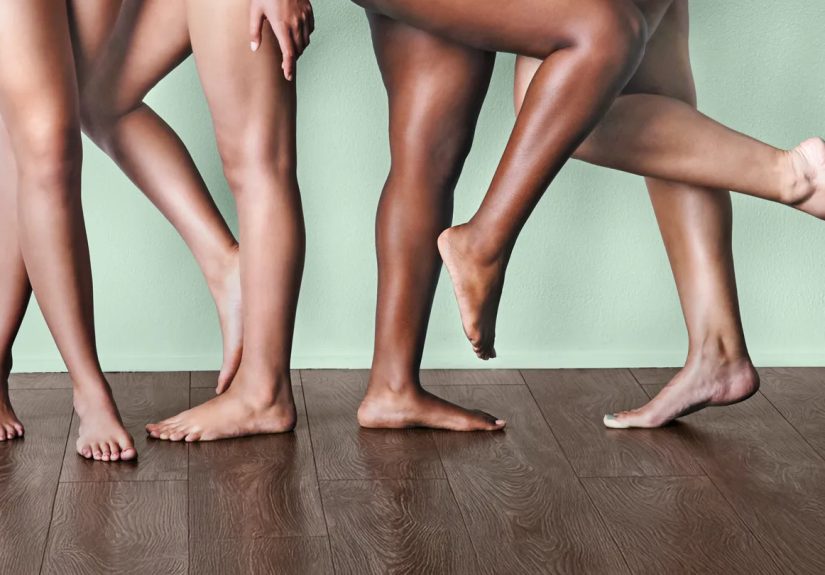
When people talk about calf shape, they usually mean how “full” the calf looks from the side and where that fullness sitshigher up near the knee, centered, or lower toward the ankle. Most of that comes down to anatomy and genetics.
1) Muscle bellies and tendon length (your built-in blueprint)
Your calf’s visible curve is mostly your gastrocnemius (the big two-headed muscle you see) sitting over the soleus (a deeper muscle that contributes a ton to size and endurance). Together they’re often called the triceps surae and connect into the Achilles tendon.
Some people have a longer muscle belly that extends lower toward the ankle. Others have a shorter muscle belly and a longer visible tendon area, which can make calves look “higher.” Neither is “better.” It’s just architecture. You can’t move the attachment points, but you can add muscle on top of the blueprint you have.
2) Body fat distribution and fluid retention
Calves can look different based on where you naturally store fat or hold water. That’s not a “calf problem”that’s human biology. For muscle-building goals, the main controllable lever is training stimulus and recovery, not obsessing over daily visual changes.
3) Posture, ankle mobility, and how you stand
Tight ankles, limited dorsiflexion (bringing toes up), or always standing with weight shifted forward can change how your calves “sit” and how much they’re working all day. Improving mobility and foot/ankle strength can make calf training feel smoother and often more effective.
A Quick, Non-Obsessive Calf Check
You don’t need a lab or a mirror montage. Try this simple check:
- Stand tall, feet hip-width, relaxed.
- Rise onto your toes and flex your calves.
- Notice where the “bulge” sits: high, middle, or lower.
That’s your starting pointnot your destiny. Calves respond to training when they’re challenged consistently and progressively.
Calf Anatomy in Plain English (So Your Training Makes Sense)
Your calf complex helps you walk, run, jump, and point your toes (plantarflexion). It also supports posture and balance. The calf is commonly described as three muscles, with the big players being the gastrocnemius and soleus.
Gastrocnemius: the “visible” powerhouse
The gastrocnemius crosses the knee and ankle. That matters because knee position changes how hard it can work. Straight-knee calf work tends to emphasize it more.
Soleus: the quiet workhorse
The soleus sits underneath and is heavily involved in standing and walking. It often has a higher proportion of slow-twitch fibers, which can mean it responds well to slightly higher time-under-tension and volume. Translation: it may like more reps, more sets, and consistent frequency.
Why Calves Can Feel “Stubborn”
- They’re used to daily work. You walk around all day, so your calves are already adapted to basic нагрузки (everyday loads). They often need a more intentional stimulus to grow.
- Fiber mix. The calf muscles can contain substantial slow-twitch fibers (especially the soleus), which may respond well to higher total training volume and consistent practice.
- People cheat the range of motion. Half reps, bouncy reps, and “I swear I went all the way down” reps are calf-growth kryptonite.
- Genetics. Tendon length and muscle belly shape influence how dramatic size changes look. You can still build musclejust compare progress to your starting point, not someone else’s highlight reel.
The Muscle-Building Rules That Actually Matter
Rule 1: Progressive overload (the boring hero)
To build muscle, your calves need gradually increasing challengemore reps, more load, more sets, better range of motion, or more control. If you do the same easy calf raises forever, your calves will politely remain the same forever.
Rule 2: Full range of motion (especially the stretch)
Calf growth tends to benefit when you train through a deep stretch and controlled full movement. Practically: let your heel drop under control (if safe for your ankles) and don’t rush the bottom. Research on calf training suggests that emphasizing longer muscle lengths can be a useful hypertrophy strategy for the gastrocnemius.
Rule 3: Train both straight-knee and bent-knee patterns
Straight-knee calf work generally biases the gastrocnemius; bent-knee patterns shift more demand to the soleus. If you only do one style, you’re leaving growth on the table.
Rule 4: Enough weekly volume to force adaptation
General hypertrophy guidelines often live in the neighborhood of moderate loads and moderate reps (roughly 8–12 reps, sometimes higher), with multiple sets per week per muscle group. Calves often do well with a blend: some heavier work plus higher-rep “burn” work.
Best Calf Exercises for Size (With Form That Works)
1) Standing calf raise (straight knee)
This is the classic. Use a wall, rack, or sturdy object for balance so your calves do the worknot your wobbly ankles.
- Setup: Feet hip-width. Big toe, little toe, and heel feel planted at the bottom.
- Up: Rise as high as you can without rolling to the outside of your foot.
- Down: Lower slowly. Let the heel sink into a stretch if your ankles tolerate it.
- Common fix: Pause 1 second at the top and 1 second at the bottom. Removes momentum. Adds growth stimulus.
2) Seated calf raise (bent knee)
With the knees bent, the soleus gets more attention. If you don’t have a machine, sit on a bench/chair with a weight on your thighs and raise your heels.
3) Single-leg calf raise
If bodyweight doubles feel easy, go single-leg. It’s also great for balancing left/right differences.
4) Calf raise “in the stretch” (lengthened emphasis)
This means spending more quality time near the bottom positioncontrolled, deep stretch, no bounce. If your ankles/Achilles feel cranky, reduce depth and build tolerance gradually.
5) Tibialis and foot strength work (the secret sidekick)
Strong calves work best with strong shins and feet. Add simple tibialis raises (lifting toes while heels stay down) and short-foot drills. This can improve ankle stability and make calf work feel better.
Simple Calf Hypertrophy Programs (Pick One)
These templates assume you’re otherwise doing balanced training. If you’re new, start modest and focus on excellent form.
Program A: Beginner (2–3 days/week, bodyweight + light load)
- Standing calf raise: 3 sets × 10–15 reps (2-second lower, 1-second pause bottom)
- Seated/bent-knee calf raise: 3 sets × 12–20 reps
- Optional finisher: 1 set × 20–30 controlled pulses (short range near mid-to-top, no bouncing)
Program B: Intermediate (3–4 days/week “micro-doses”)
Calves often respond well to spreading work outshort sessions, more often.
- Day 1 (heavy-ish): Standing calf raise 4 × 6–10
- Day 2 (volume): Seated calf raise 4 × 12–20
- Day 3 (stretch focus): Standing calf raise 3 × 10–15 with long bottom pauses
- Optional Day 4: Single-leg calf raise 3 × 12–20 each side
Program C: Runner/Field Sport Friendly (calves without breaking you)
- 2x/week after easy training: Seated calf raise 3–4 × 12–20
- 1x/week strength day: Standing calf raise 3–4 × 6–10
- Mobility: Gentle calf stretching after training, not as a punishment ritual
How to Progress Without Wrecking Your Achilles
The Achilles tendon is tough, but it hates surprise parties.
- Add load slowly: Increase weight or reps in small steps.
- Keep reps clean: If you’re bouncing, you’re borrowing force from your joints.
- Use supportive balance: Holding a wall or rack lets you push harder with better form.
- Respect soreness: Mild soreness is normal; sharp pain is a stop sign.
- Warm up: A few easy sets before heavy work helps your calves and ankles feel “online.”
Mobility: The Calf Stretch That Helps (Not Hurts)
A basic wall calf stretch can improve flexibility and comfort. Hold a gentle stretch (not a grimace) for about 30–60 seconds and repeat both sides. You can do one version with the back knee straight (more gastrocnemius) and one with the back knee slightly bent (more soleus/heel cord).
Common Mistakes That Keep Calves Small
- Partial reps: If your heel never lowers, you’re skipping a big growth signal.
- Too much bouncing: Momentum is not hypertrophy.
- Only one variation: Straight-knee or bent-knee alone is incomplete.
- Training calves last, half-asleep: Put them earlier sometimes and treat them like a real muscle group.
- Inconsistent effort: Calves often need steady attention for weeks to show changes.
How to Track Progress (Without Going Full Detective)
- Strength: More reps at the same weight, or more weight for the same reps.
- Control: Less wobble, slower lowering, stronger top position.
- Measurements: Tape measure at the thickest point (same time of day, same conditions).
- Performance: Better sprint starts, stronger jumps, more stable single-leg balance.
When to Get Help
If you notice sharp pain, swelling, bruising, or pain that changes how you walk, get checked by a qualified professional. Calf strains happen, and early guidance can speed recovery and reduce the chance of repeat issues.
Real-World Experiences and Lessons (Extra )
Since calf training can feel oddly personal (they’re literally attached to you), here are a few realistic “this happens all the time” experiences that show how people usually break through plateauswithout magical genes or a secret calf-summoning spell.
Experience 1: “My calves are highso they’ll never grow.”
This is one of the most common beliefs, and it’s usually the biggest mental roadblock. People with higher-looking calves (shorter visible muscle belly) often compare themselves to someone with naturally lower, fuller calves and assume growth is impossible. What actually happens when they commit to a smart plan? Their calves do growbut the visual change looks different. Instead of the calf suddenly filling in near the ankle, the thickness increases where the muscle already exists. The turning point is usually when they stop chasing “a different shape” and start chasing “more strength and more muscle.” A simple win: progressing from 3×12 bodyweight raises to 4×10 loaded raises plus a seated variation twice per weekthen staying consistent for 8–12 weeks. The result is a noticeably thicker calf, even if the “high insertion” look remains. That’s normal and still a success.
Experience 2: The runner whose calves are always tight
Runners often say, “I run all the timewhy aren’t my calves bigger?” Running gives calves lots of work, but it’s not the same as progressive resistance training. Also, tightness can come from a mix of fatigue, stiffness, and not enough strength at longer muscle lengths. The breakthrough usually looks like: keeping running volume steady, then adding two short strength sessions per week: one bent-knee calf exercise for the soleus (higher reps) and one standing calf raise day (moderate reps, controlled stretch). They also add gentle calf stretching after workouts instead of aggressive stretching before a hard run. Over time, the calves feel less “on edge,” and performance improvesespecially in hills and acceleration. The key lesson: you don’t have to choose between “functional” calves and “aesthetic” calves. Stronger calves tend to be happier calves.
Experience 3: The gym-goer doing “tons of calf raises” with zero progress
This person usually is working hard… but not effectively. Their set looks like: quick bouncy reps, half range, phone in the other hand, done at the end of a workout when energy is gone. When they switch to a simple quality rulepause at the top, slow lower, deep stretcheverything changes. Suddenly 12 reps feels like real work. They start tracking either load or reps. They add a seated/bent-knee move so the soleus finally gets trained. After a month, the calves feel firmer. After two to three months, photos show thicker lower legs. The lesson: calves aren’t “immune.” They just demand honest reps.
Experience 4: The teen athlete worried about “small calves”
For younger athletes, calves are often still developing alongside overall growth, coordination, and sport skills. The best approach isn’t extreme volume or punishing workoutsit’s a balanced plan: learn pristine technique, train consistently (2–3 times per week is plenty), sleep well, and eat enough to recover. The biggest “aha” moment is realizing that performance goals (jumping, sprinting, agility, durability) are a healthier scoreboard than comparing leg shape to someone else. Over time, the calves grow as the athlete grows stronger.
Conclusion
Your calf shape is mostly anatomy: muscle belly length, tendon length, and genetics set the layout. But muscle size is trainable. If you want bigger calves, focus on what you can control: consistent training, progressive overload, full range of motion (especially the stretch), and a mix of straight-knee and bent-knee work. Keep it patient, keep it honest, and your calves will eventually get the message.






 Close
Close