Table of Contents >> Show >> Hide
- What is an upper GI bleed (and why “upper” matters)?
- Symptoms of upper GI bleeding
- Common causes of upper GI bleeding
- Risk factors that raise the odds of an upper GI bleed
- How doctors diagnose an upper GI bleed
- Treatments for upper GI bleeding
- Recovery and prevention: keeping your insides on the inside
- Frequently asked questions
- Real-world experiences: what this can feel like (and what people often remember)
- Conclusion
Let’s get one thing out of the way: your upper digestive tract is not supposed to produce special effects.
If you’re throwing up blood, vomiting “coffee grounds,” or pooping black, tarry stools, that’s not a quirky
plot twistit can be a medical emergency.
An upper GI bleed (upper gastrointestinal bleeding) means bleeding somewhere in the
esophagus, stomach, or the first part of the small intestine (duodenum). Sometimes it’s
mild and sneaky; sometimes it’s dramatic and dangerous. Either way, the goal is the same:
figure out the source, stop the bleeding, and prevent it from coming back.
Emergency note: If you have vomiting blood, black tarry stools, fainting, severe dizziness, chest pain, trouble breathing, or confusionseek emergency care right now.
What is an upper GI bleed (and why “upper” matters)?
Doctors split GI bleeding into “upper” and “lower” because the likely causes, tests, and treatments
change depending on where the bleeding starts. “Upper” generally means above a landmark called the
ligament of Treitzin plain English: the esophagus, stomach, or duodenum.
Upper GI bleeding can be:
- Overt: you can see it (blood in vomit, black stools, visible blood).
- Occult: hiddenfound through labs (like anemia) or stool testing.
The tricky part: blood changes appearance as it travels. Stomach acid and time can turn bright red blood into
darker materialhence the famous “coffee-ground” vomit and “tarry” stool.
Symptoms of upper GI bleeding
The “you can’t ignore this” symptoms
- Hematemesis: vomiting blood. It may look bright red (active/heavy bleeding) or like coffee grounds (older blood altered by stomach acid).
- Melena: black, tarry, sticky stools with a strong odorclassic for upper GI bleeding.
- Hematochezia: bright red blood from the rectum is more often lower GI, but a very fast, heavy upper GI bleed can also cause it.
The “sneaky” symptoms (especially with slow bleeding)
- Lightheadedness, dizziness, or fainting (especially standing up).
- Weakness, fatigue, feeling “washed out.”
- Shortness of breath with minor exertion.
- Pale skin and cold, clammy sweating.
- Fast heartbeat or palpitations.
- Chest discomfort (your heart is not a fan of low oxygen delivery).
When to seek emergency care (yes, even if you’re “tough”)
Go to the ER or call emergency services if you have any of the following:
- Vomiting blood or material that looks like coffee grounds
- Black, tarry stools or large amounts of blood in stool
- Fainting, confusion, severe dizziness, or signs of shock (cold sweat, rapid pulse)
- Chest pain, trouble breathing, or severe abdominal pain
- You take blood thinners, have liver disease, or have a history of ulcers/bleeding
Quick reality check: sometimes people feel “mostly fine” until they suddenly don’t. A brisk bleed can drop blood
pressure fastyour body can only improvise for so long.
Common causes of upper GI bleeding
Upper GI bleeds aren’t a single diseasethey’re a symptom with a lineup of usual suspects. Here are the big ones.
1) Peptic ulcer disease (stomach or duodenal ulcers)
Peptic ulcers are a top cause of upper GI bleeding. Ulcers can erode into blood vessels and bleed
slowly (causing anemia) or suddenly (causing vomiting blood).
Two heavyweight causes:
- H. pylori infection (a bacteria that damages the protective lining)
- NSAIDs (like ibuprofen/naproxen) and sometimes aspirin, especially with frequent use
Example: you’ve been taking ibuprofen “like it’s a food group” for back pain, then notice black stools and dizziness.
That combo is a classic ulcer-bleed setup.
2) Gastritis and duodenitis (irritation/inflammation)
Inflammation of the stomach or duodenum lining can cause oozing and erosions. Triggers include NSAIDs, alcohol,
severe illness/stress in hospitalized patients, and infections. Sometimes it’s mild; sometimes it’s a problem.
3) Esophagitis (irritated esophagus)
Chronic acid reflux can inflame the esophagus, causing ulcers and bleeding. Pills that irritate the esophagus
(if they get “stuck”) can do it too. Not glamorousbut neither is coughing up blood.
4) Esophageal or gastric varices (swollen veins)
Varices are enlarged veins, usually from portal hypertension related to
cirrhosis. When varices bleed, they can bleed a lotoften without warning.
5) Mallory-Weiss tear (a tear from forceful vomiting/retching)
A Mallory-Weiss tear is a superficial tear near the junction of the esophagus and stomachoften
after repeated vomiting, retching, or heavy coughing. It can look scary (blood in vomit) but many cases stop on
their own; some need endoscopic treatment.
6) Less common (but important) causes
- Dieulafoy lesion: an abnormally large artery close to the lining that can bleed suddenly.
- Vascular malformations (abnormal blood vessels) that can ooze or bleed.
- Cancers of the stomach or esophagus that ulcerate and bleed.
- Post-procedure bleeding after certain endoscopic interventions.
- Rare catastrophes (like an aortoenteric fistula) in select high-risk situationsuncommon but urgent.
Risk factors that raise the odds of an upper GI bleed
Some risk factors are obvious (like “I have cirrhosis”), and some are sneaky (like “I mix NSAIDs with blood thinners
and call it self-care”). Common risk factors include:
- Regular use of NSAIDs and/or aspirin
- Blood thinners or antiplatelet medications (especially combined or in older adults)
- H. pylori infection
- Prior history of ulcers or GI bleeding
- Chronic liver disease and portal hypertension (varices)
- Heavy alcohol use and smoking (both increase risk in different ways)
- Older age and multiple medical conditions
If you’re in a higher-risk group, it’s worth discussing prevention with your clinicianbecause “let’s not bleed”
is an extremely underrated health goal.
How doctors diagnose an upper GI bleed
Diagnosis is about two things: how sick you are right now and where the bleeding is coming from.
The process is usually fast and very teamwork-heavy (ER, GI specialists, nurses, sometimes ICU, sometimes radiology).
Step 1: Quick assessment and stabilization
Before anyone plays detective, clinicians check your vital signs and symptoms for signs of significant blood loss:
low blood pressure, rapid heart rate, confusion, cool clammy skin, or passing out.
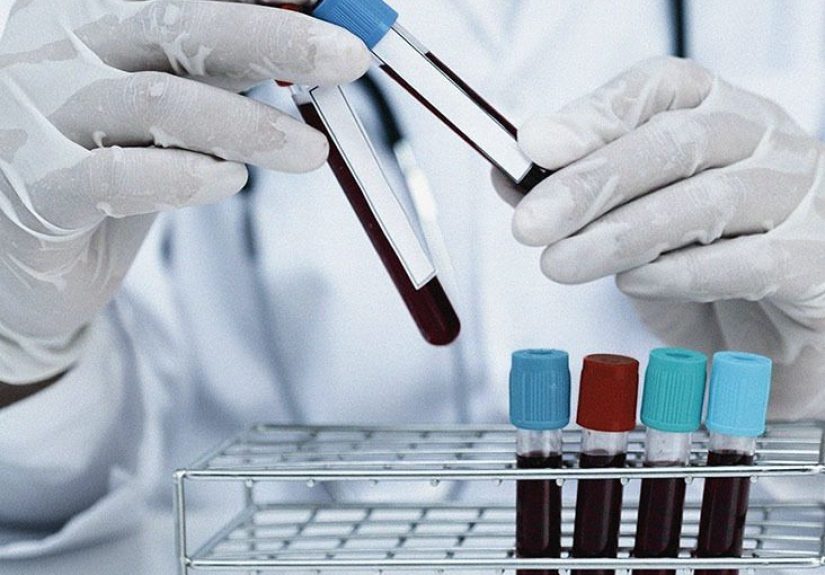
Step 2: Blood tests and basic workup
- CBC (hemoglobin/hematocrit to measure anemia)
- Electrolytes and kidney function (BUN can rise with upper GI bleeding)
- Coagulation tests (like INR) to see if clotting is impaired
- Type and screen/crossmatch in case transfusion is needed
Step 3: Risk scoring (triage with math)
Many hospitals use tools such as the Glasgow-Blatchford Score to estimate risk and guide decisions
about admission, timing of endoscopy, and level of monitoring. Some very low-risk patients can be managed as outpatients,
but that’s a clinician callespecially if symptoms are ongoing.
Step 4: Upper endoscopy (EGD) the main event
The core diagnostic test for most upper GI bleeds is an upper endoscopy (EGD). A flexible camera
is passed through the mouth to inspect the esophagus, stomach, and duodenum. The best part (yes, there’s a best part):
it can be diagnostic and therapeuticmeaning the team can often treat the bleeding source on the spot.
Many guidelines recommend performing endoscopy within about 24 hours for hospitalized patients, sooner if the bleed is severe.
In some cases, clinicians may use medications (like an erythromycin infusion) beforehand to clear the stomach for better visibility.
Step 5: Imaging and other tests (when endoscopy isn’t enough)
If bleeding continues and the source is hard to identifyor if endoscopy can’t control itdoctors may use:
- CT angiography to localize active bleeding
- Catheter angiography, which can both find and treat bleeding via embolization
- Specialized endoscopy approaches in select cases
Treatments for upper GI bleeding
Treatment depends on the cause, but most care follows a predictable logic:
stabilize → stop the bleed → prevent rebleeding → fix the root problem.
1) Stabilization (the “ABC” phase)
- IV access and fluids to support blood pressure
- Blood transfusion when needed (often using a hemoglobin threshold around 7 g/dL for many patients, with individualized targets based on heart disease and overall status)
- Oxygen and close monitoring; ICU care for severe cases
- Medication review (NSAIDs, blood thinners, antiplatelets) with individualized decisions about holding/reversal
2) Medications that start early
Clinicians often treat before the exact cause is confirmedbecause minutes matter.
-
Proton pump inhibitors (PPIs):
commonly started for suspected ulcer-related bleeding and continued after endoscopic therapy, since reducing stomach acid helps clot stability. -
Suspected variceal bleeding:
teams typically start a vasoactive medication (often octreotide) and antibiotics early, because infection risk and rebleeding risk are higher in cirrhosis-related bleeds. -
Nausea control and supportive meds:
fewer vomiting episodes can mean less trauma and better stability.
3) Endoscopic therapy (the “stop the leak” toolbox)
During EGD, gastroenterologists can use multiple techniques depending on what they find:
- Peptic ulcer bleeding: clips, thermal coagulation, injection therapy, or combinations to seal bleeding vessels
- Variceal bleeding: endoscopic band ligation (banding) is a standard approach
- Other lesions: specialized hemostatic devices or topical agents when appropriate
If you’re wondering, “Do I feel this?”most EGDs are done with sedation. Your strongest memory may be
“I was hungry afterward,” which is honestly a pretty good outcome.
4) If endoscopy can’t control the bleeding
When bleeding persists or returns, next steps may include:
- Repeat endoscopy for recurrent bleeding
- Interventional radiology (angiography with embolization) to block the bleeding vessel
- Surgery as a last resort in select cases
5) Variceal bleeds: special considerations (because portal hypertension is a whole vibe)
For varices, stopping the bleed is step onebut preventing the next episode matters just as much.
Depending on severity and response:
- Band ligation plus medication (like octreotide early on)
- Secondary prevention often includes nonselective beta-blockers and repeat banding sessions
- TIPS (transjugular intrahepatic portosystemic shunt) may be considered for high-risk or uncontrolled bleeding
Recovery and prevention: keeping your insides on the inside
Once the bleeding is controlled, the next goal is to prevent a sequel. Strategies depend on the cause:
After an ulcer bleed
- Continue PPI therapy as prescribed (often high-dose at first after endoscopic treatment, then tapered)
- Test for H. pylori and complete eradication therapy if positive
- Avoid NSAIDs when possible; discuss safer pain options
- If aspirin is needed for heart/stroke prevention, decisions about restarting are individualized
After a variceal bleed
- Follow cirrhosis/portal hypertension care closely (meds, endoscopic follow-up)
- Avoid alcohol and address underlying liver disease when possible
- Keep follow-up appointmentsvarices don’t “learn their lesson” without ongoing prevention
General prevention tips
- Don’t mix NSAIDs with blood thinners unless your clinician explicitly okays it
- Ask about stomach protection if you need long-term anti-inflammatory medication
- Seek care early for reflux, persistent stomach pain, unexplained fatigue, or signs of anemia
Frequently asked questions
Is coffee-ground vomit serious?
It can be. “Coffee grounds” usually means blood has been in the stomach long enough to be altered by acid.
It still signals upper GI bleeding and deserves medical evaluationespecially if you’re dizzy, weak, or the vomiting continues.
Can an upper GI bleed stop on its own?
Sometimes yessome minor bleeds stop spontaneously. But you can’t reliably tell which ones are “minor”
from the outside. A bleed that pauses can restart later (often at the worst possible time, like 2:00 a.m.).
How long does melena last?
Black stools can persist for a few days after bleeding stops because old blood continues to pass through the GI tract.
But ongoing black, tarry stoolsespecially with weakness or dizzinessneeds prompt evaluation.
What if I’m on a blood thinner?
Don’t stop it on your own, but do treat symptoms seriously and seek care quickly. Clinicians balance bleeding risk and clotting risk
and can decide on holding or reversing medication when appropriate.
Real-world experiences: what this can feel like (and what people often remember)
If you’ve never dealt with an upper GI bleed, here’s the honest truth: most people don’t recognize it as “a thing”
until it’s suddenly very much a thing. The first noticeable sign is often visualvomit that looks like blood
or stool that turns black and sticky. A lot of folks describe a surreal moment of bargaining with reality:
“Maybe it’s something I ate?” (Understandable. Also: please don’t rely on hope as your diagnostic strategy.)
When bleeding is brisk, the body’s reaction can be more dramatic than the blood itself. People commonly describe feeling
shaky, sweaty, and strangely cold. Standing up can trigger a head-rush that’s less “I stood up too fast” and more
“my legs briefly forgot our friendship.” That dizziness mattersit can signal a real drop in blood pressure or hemoglobin.
In the emergency department, the experience is usually fast and procedural. Many patients remember the rhythm:
blood pressure cuff cycling, IV placement, tubes of blood drawn, and the staff asking the same questions in different ways
(“Any black stools?” “Any vomiting?” “Any blood thinners?”). It can feel repetitive, but that repetition is triageteams
are looking for clues to severity and cause.
Endoscopy is often the turning point emotionally. People frequently report anxiety about the procedure (fair!), then relief when they learn
it’s typically done under sedation. A common post-procedure memory is surprisingly mundane: thirst, hunger, and being weirdly excited
about a clear-liquid diet. (Never underestimate how gourmet apple juice can taste after being NPOnothing builds appreciation like scarcity.)
For ulcer-related bleeds, one recurring theme is regret about “everyday” meds. Patients often connect the dots afterward:
frequent ibuprofen for headaches, daily naproxen for joints, aspirin added “just because,” sometimes combined with a blood thinner.
The lesson isn’t “never take NSAIDs,” but “don’t treat them like candy.” Many people leave the hospital with a new respect for labels,
dosing, and the phrase “ask your doctor before combining.”
For variceal bleeding related to liver disease, the experience can be scarierbleeding can be heavy and sudden. Patients and families often
describe the aftermath as a reset: medication changes, follow-up banding sessions, conversations about alcohol use, hepatitis treatment,
and long-term prevention plans like beta-blockers or, in select cases, TIPS. It can feel like a lotbecause it isbut the upside is that
secondary prevention can significantly reduce the chance of recurrence when the plan is followed.
Recovery at home is usually a mix of physical and mental healing. Physically, fatigue can linger while the body rebuilds iron stores and red blood cells.
Mentally, many people report heightened vigilancechecking stools, worrying about every stomach twinge, and wondering if normal sensations are “warning signs.”
That’s common. Follow-up visits help: reviewing the endoscopy results, confirming H. pylori treatment if needed, and getting clear guidance on which symptoms
require urgent care (and which ones can wait for a phone call).
The most helpful “experience-based” tip people share? Don’t white-knuckle it alone. If you’re worried you’re bleeding, get evaluated.
And once you’re stable, bring your medication list to follow-up and ask the blunt questions:
“What caused this? What’s my rebleeding risk? What do I change starting today?” Those three questions can turn a scary episode into a plan.
Conclusion
An upper GI bleed ranges from subtle (slow blood loss and anemia) to urgent (vomiting blood, black tarry stools, shock).
The good news: modern care is very effectiveespecially when symptoms are treated early. Diagnosis often centers on
upper endoscopy, and treatments can include PPIs, targeted medications for varices, and endoscopic techniques
that control bleeding fast.
The best move is also the simplest: take warning signs seriously. Your digestive tract should be digesting food, not auditioning for a vampire movie.