Table of Contents >> Show >> Hide
- What Is a Vanderwolf Pyramid Pine?
- Why Gardeners Love This Tree
- Ideal Growing Conditions
- How Big Does Vanderwolf Pyramid Pine Get?
- Best Uses in the Landscape
- Planting Tips for Long-Term Success
- Care and Maintenance
- Potential Problems to Watch For
- Common Mistakes People Make
- Why Vanderwolf Pyramid Pine Is Still an Underused Gem
- Gardener Experiences With Vanderwolf Pyramid Pine
- Conclusion
If you have ever looked at a lineup of evergreens and thought, “Nice, but where is the one with personality?” meet the Vanderwolf Pyramid Pine. This striking conifer is not your standard stiff, dark-green background extra. It brings soft, twisted blue-green needles, a naturally elegant pyramidal shape, and enough year-round presence to make nearby shrubs feel underdressed. In other words, it is the evergreen equivalent of showing up to brunch in a well-tailored coat while everyone else forgot to iron.
Known botanically as Pinus flexilis ‘Vanderwolf’s Pyramid,’ this tree is a cultivar of limber pine. It is admired for its upright habit, handsome color, and practical toughness. Gardeners love it because it looks refined without behaving like a diva. Landscape designers love it because it adds vertical structure, texture, and four-season color. Homeowners love it because it can do the visual heavy lifting of a focal-point tree without demanding endless trimming, pleading, or emotional support.
This guide covers what makes Vanderwolf Pyramid Pine special, how large it gets, where it grows best, how to plant and care for it, common mistakes to avoid, and what real-world growing experiences often look like once this tree settles into a landscape.
What Is a Vanderwolf Pyramid Pine?
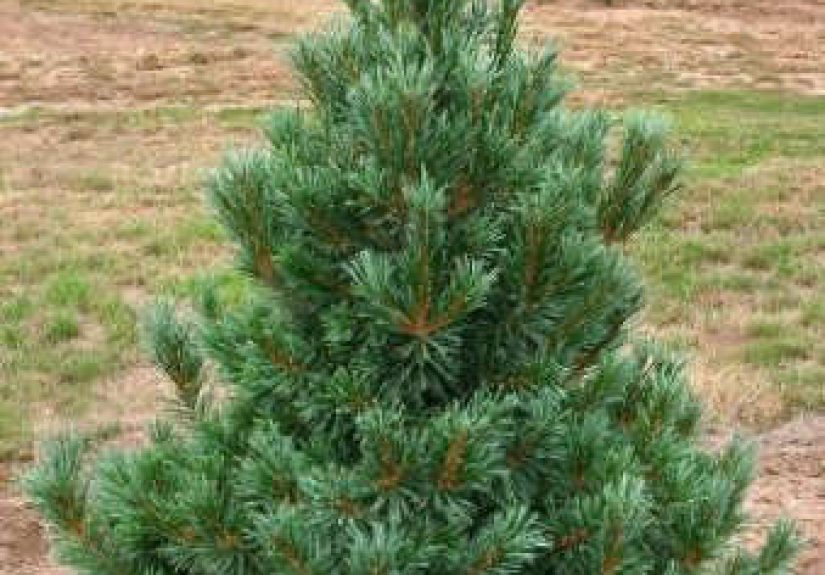
Vanderwolf Pyramid Pine is a cultivated form of limber pine, a five-needled evergreen native to the Rocky Mountain region. The species is known for flexible branches and a long life span, while this particular cultivar is prized for its especially upright, pyramidal silhouette and decorative foliage. The needles are often described as silvery blue-green or bright blue-green, and they twist slightly along the branches, creating a softer, more textured look than many traditional pines.
That twisted needle habit matters more than you might think. From a distance, it gives the tree a feathery, almost brushed appearance. Up close, it creates movement and visual depth. Instead of reading as a flat green wall, the tree catches light in a way that makes it look lively even on gray winter days. For gardeners trying to avoid a landscape that feels too rigid or too ordinary, this is a major selling point.
Another reason people notice this tree is its form. Young plants usually grow in a narrow, upright pyramid, which makes them useful in front yards, foundation beds, mixed borders, and tighter spaces where a broad evergreen would be too much tree for the job. Depending on climate and site conditions, many home landscape references describe mature sizes around 20 to 30 feet tall and 10 to 15 feet wide, though some regional guides list the tree closer to 35 feet tall and 20 feet wide over time. Translation: it starts elegant, stays useful for years, and eventually becomes a serious landscape feature.
Why Gardeners Love This Tree
1. It has color without being flashy
Plenty of evergreens are green. That is lovely, but it is not exactly breaking news. Vanderwolf Pyramid Pine offers a more nuanced color palette. The needles often read as blue-green, silver-blue, or gray-green depending on light, season, and surrounding plants. This cooler tone pairs beautifully with stone, black mulch, warm brick, white siding, and modern hardscaping.
2. It adds structure all year
When perennials vanish, hydrangeas go bare, and ornamental grasses start looking like exhausted feather dusters, this pine keeps the landscape anchored. Its shape gives gardens a sense of intention in all four seasons. Even in winter, it looks like it knows exactly what it is doing.
3. It feels softer than many conifers
Some pines look severe. Some spruces look like they may have opinions about your life choices. Vanderwolf Pyramid Pine feels more relaxed. Its twisted needles and layered branching give it a softer silhouette, which helps it blend into naturalistic plantings and more formal landscapes alike.
4. It is adaptable once established
Like the limber pine species, this cultivar is widely appreciated for adaptability. It generally performs best in moist, well-drained soil, but it is also known for tolerating dry sites, wind, alkaline conditions, and occasional drought after establishment. That combination makes it attractive in regions where gardeners want a polished evergreen without the fussiness of a tree that collapses at the first sign of imperfect soil.
Ideal Growing Conditions
Sunlight
Full sun is the safest bet for the best shape, densest branching, and strongest color. Some sources note that limber pine can handle partial shade, but this tree tends to look its most impressive when it gets ample light. If you want that classic upright, well-furnished form, do not tuck it into deep shade and hope for a miracle.
Soil
Well-drained soil is the golden rule. Vanderwolf Pyramid Pine does not want wet feet, swampy roots, or an accidental life in a bathtub of compacted clay. It prefers moist but well-drained conditions during establishment, then becomes more tolerant of dry soil over time. It is also more tolerant of alkaline soil than Eastern white pine, which is useful in landscapes where pH can be a challenge.
Hardiness
This tree is commonly listed for USDA Zones 4 through 7, with some limber pine references stretching colder depending on species and region. For most homeowners, the main takeaway is simple: it is a reliable cold-climate evergreen and a very sensible option where winters are real winters, not just mildly rude breezes.
Water
Water deeply and consistently through the first growing season, and longer during hot or dry stretches. Once the root system develops, the tree is notably more forgiving. Even so, “drought tolerant” is not the same thing as “never water again.” Newly planted trees still need help, especially during summer heat and winter dry spells in colder climates.
How Big Does Vanderwolf Pyramid Pine Get?
This is one of the most common questions, and the honest answer is: it depends on region, soil, and time. Many landscape references place cultivated specimens around 20 to 30 feet tall and 10 to 15 feet wide. Some regional recommendations, especially in Western conditions, list it closer to 35 feet tall and 20 feet wide. Either way, this is not a tiny accent shrub masquerading as a tree. It is a medium-sized evergreen with a relatively upright habit that stays narrow enough for many residential sites while still offering real visual impact.
Growth rate is typically described as slow overall for limber pine, though Vanderwolf’s Pyramid is often noted as faster growing than the straight species. In practical landscape terms, think of it as patient rather than lazy. It is not going to become a privacy wall by next Tuesday, but it also is not going to outgrow its welcome overnight.
Best Uses in the Landscape
Specimen tree
This is where Vanderwolf Pyramid Pine really shines. Plant one where its shape and color can be appreciated: near an entry, in a front lawn island bed, beside a driveway curve, or at the corner of a house where the architecture needs softening.
Screening and privacy
Because of its upright form, it can work in a loose evergreen screen, especially if you prefer a more textural, layered look instead of a rigid green fence. Do not plant it too tightly. Give each tree room to keep its natural pyramidal outline.
Mixed conifer gardens
The blue-green foliage plays well with darker green pines, golden conifers, broadleaf evergreens, and ornamental grasses. It is especially effective in four-season designs where texture matters as much as flower color.
Foundation and corner planting
In larger beds, this tree can anchor the corner of a home beautifully. The catch is timing: remember the mature size. The adorable little nursery tree may look harmless now, but future-you will not appreciate a 25-foot evergreen trying to hug the gutters.
Planting Tips for Long-Term Success
Start with a site that drains well and gets plenty of sun. Dig a broad planting hole no deeper than the root ball and two to three times as wide if possible. Set the tree so the root flare is at or slightly above grade. Planting too deep is one of the most common mistakes with evergreens and can shorten the life of the tree significantly.
Backfill with the native soil unless it is extremely poor. Over-amending can create a cozy little pocket that discourages roots from moving outward. Water thoroughly after planting, mulch the root zone with a few inches of organic mulch, and keep mulch away from direct contact with the trunk. Volcano mulching is still a bad idea, no matter how often it appears in commercial parking lots.
Because older limber pines can develop a significant taproot and do not transplant as well with age, it is wise to plant this tree when it is young and let it establish where it will stay. Choose the site carefully the first time so you are not forced into an awkward breakup later.
Care and Maintenance
Pruning
Minimal pruning is usually needed. Remove dead, damaged, or poorly placed branches as necessary, but do not shear the tree into a geometric sculpture unless your goal is to make a naturally graceful pine look deeply confused. Its charm comes from its natural form.
Fertilizing
Established trees often need little supplemental feeding in reasonably healthy soil. If growth is weak or foliage color seems poor, a soil test is smarter than guessing. Many tree problems begin when people try to solve every issue with fertilizer, which is a bit like giving espresso to someone who actually needed a nap.
Winter care
In cold climates, evergreens can still dry out in winter. Deep watering before the ground freezes and supplemental water during winter dry spells can help newly planted trees. This is especially important in windy sites or areas with dry winter conditions.
Potential Problems to Watch For
Vanderwolf Pyramid Pine is generally considered lower-maintenance than many pines, but it is not immortal. Good site selection remains your best defense. Poor drainage, chronic stress, or incorrect planting depth can invite trouble faster than any pest ever could.
Like limber pine more broadly, it can be susceptible to white pine blister rust in regions where that disease is present. Some pine diseases can have overlapping symptoms, so yellowing, browning, or premature needle drop should not be diagnosed by panic and guesswork alone. In the native range of limber pine, mountain pine beetle can also affect the species. In landscape settings, the practical lesson is to monitor tree health, avoid stress, and consult a qualified arborist or diagnostic clinic if decline seems serious.
Common Mistakes People Make
Planting it too close to the house
Because nursery plants are compact and narrow, people often underestimate mature width. Give the tree space to develop naturally.
Putting it in wet soil
If your yard stays soggy after rain, improve drainage, plant on a berm, or choose another evergreen. This tree likes moisture, not root rot.
Expecting instant screening
It is beautiful, but it is not a magic trick. If you need immediate privacy, pair it with faster fillers while it matures into its long-term role.
Over-pruning
This pine already has a strong natural shape. Heavy pruning often removes the very character that makes people buy it in the first place.
Why Vanderwolf Pyramid Pine Is Still an Underused Gem
Some trees are popular because they are easy to find. Others become favorites because they genuinely solve design problems. Vanderwolf Pyramid Pine manages to do both beauty and utility at once. It brings a refined color, a naturally upright habit, and better-than-average tolerance for dry, windy, and alkaline situations once established. That is a pretty appealing résumé for a tree that also looks fantastic in January.
It deserves more attention in residential landscapes, especially where homeowners want something more distinctive than a generic evergreen hedge but less fussy than a specialty specimen that needs perfect conditions. It works in traditional gardens, mountain-inspired plantings, modern landscapes, and mixed borders where texture matters. It is not loud, but it is absolutely memorable.
Gardener Experiences With Vanderwolf Pyramid Pine
One reason people speak so positively about Vanderwolf Pyramid Pine is that it tends to exceed expectations once it gets established. Gardeners often buy it for the color and shape, then realize later that its biggest strength is how useful it is over time. In a new landscape, it may begin as a handsome accent with soft blue-green needles. A few years later, it becomes the plant that quietly organizes the entire yard. Beds that once felt scattered suddenly look intentional because this tree gives the eye a place to land.
In front-yard settings, homeowners frequently appreciate how the tree looks polished without seeming stiff. A blue spruce can be dramatic, but sometimes too formal or too sharp for smaller properties. Vanderwolf Pyramid Pine usually feels more approachable. The needles have a softer look, the branching has movement, and the overall shape stays elegant without screaming for attention. That makes it especially satisfying near entry walks, porches, or picture windows where the tree is seen every day.
Another common experience is surprise at how well the tree handles difficult weather once it has settled in. In windy locations, gardeners often notice that the flexible branching gives the tree a less battered look than some other conifers after storms. In dry summers, established specimens tend to keep their composure better than fussier evergreens, provided they were planted correctly and given regular care early on. It is not invincible, of course, but many people come away feeling they got a more resilient tree than the refined appearance first suggested.
There is also a practical kind of satisfaction that comes from watching this tree age well. Some landscape plants peak early, then spend the next decade becoming awkward, oversized, or high-maintenance. Vanderwolf Pyramid Pine often has the opposite arc. It starts attractive, then becomes more impressive as the trunk, branching, and overall silhouette develop. Gardeners who like long-term value tend to love that. The tree does not feel disposable or trendy. It feels like something you planted for the future and actually want to keep there.
People also mention winter more than you might expect. During the growing season, every yard has something to say. In winter, the conversation gets a lot quieter. That is when Vanderwolf Pyramid Pine earns its keep. The cool-toned foliage stands out beautifully against snow, stone, mulch, and bare deciduous branches. Even on dull days, it reflects enough light to keep a landscape from feeling flat. Many gardeners discover that what they originally thought was a summer color feature becomes a major winter asset.
Of course, the experience is not perfect in every yard. Gardeners who planted it in poorly drained spots often report slower growth or general unhappiness, which is a polite way of saying the tree looked offended. Others place it too close to the house because it seems narrow when young, then spend later years negotiating space with branches. But when it is given sun, drainage, and room, the overall experience is usually very positive. It becomes the kind of tree people point out to visitors, recommend to neighbors, and quietly admire every time they pull into the driveway.
Conclusion
Vanderwolf Pyramid Pine earns its reputation the old-fashioned way: by looking beautiful, performing reliably, and making landscapes better in every season. Its upright pyramidal habit, twisted blue-green needles, and adaptable nature give it a rare balance of style and substance. It can act as a specimen, a vertical accent, a loose screen, or the evergreen backbone of a mixed planting. Most important, it brings long-term value rather than short-term excitement followed by regret.
If you want an evergreen that is distinctive but not fussy, elegant but not fragile, and useful in more than one design style, this pine deserves a serious look. It may not be the loudest plant at the garden center, but once it is planted in the right spot, it becomes very hard to imagine the landscape without it.