
Table of Contents >> Show >> Hide
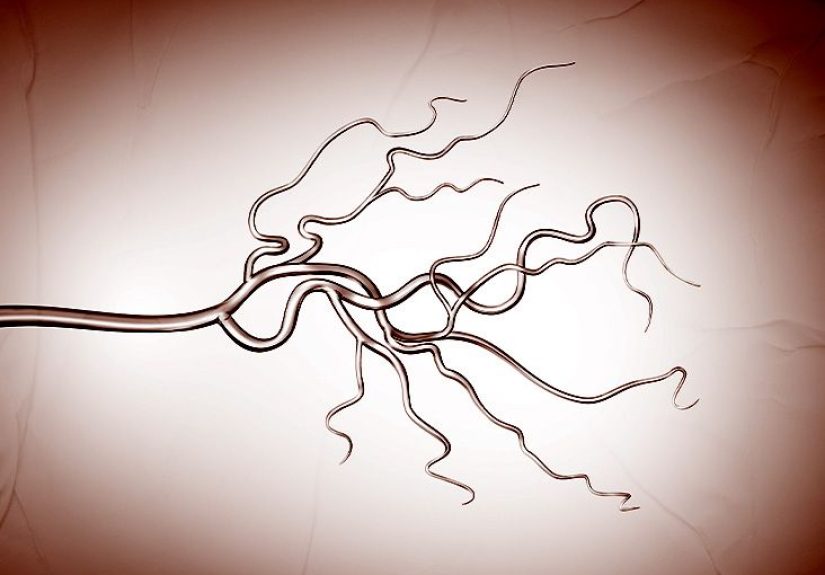
Your blood vessels are basically your body’s highway systemarteries, veins, and capillaries moving oxygen and nutrients like delivery trucks on a deadline.
Vasculitis is what happens when those highways get inflamed. And when the road swells, narrows, or weakens, traffic (blood flow) can slow down, detour, or
stop entirely. That’s when organs start sending angry emails.
The tricky part: vasculitis isn’t one single disease. It’s a family of conditions that share the same headline“blood vessel inflammation”but have
different causes, patterns, and treatments. In this guide, we’ll break down vasculitis symptoms, causes, types, how it’s diagnosed, and what treatment
usually looks like in real life (including modern biologic medications).
What Is Vasculitis?
Vasculitis means inflammation of blood vessels. Inflammation can make vessel walls thicken and narrow, limiting blood flow. Sometimes vessels can close off.
Other times, the vessel wall weakens and bulges (an aneurysm). Any of those outcomes can damage tissues and organs that rely on steady blood flow.
Vasculitis can be short-term or chronic, mild (skin-only) or severe (affecting kidneys, lungs, brain, heart, or eyes). Some types primarily involve one
organ system; others are more “tour the body” in their approach.
Causes of Vasculitis
In many cases, vasculitis is autoimmune: the immune system mistakenly targets blood vessels. But there isn’t one universal trigger. Causes can include
infections, medication reactions, and other immune or inflammatory diseases. Sometimes the cause is unknown (which is frustrating, but medically common).
Primary vs. Secondary Vasculitis
- Primary vasculitis: The blood vessel inflammation is the main problem (for example, giant cell arteritis or ANCA-associated vasculitis).
- Secondary vasculitis: Vasculitis happens because of something elsean infection, a medication reaction, cancer, or an autoimmune disease like lupus or rheumatoid arthritis.
Who Gets Vasculitis?
Vasculitis can occur at any age, but certain types have “usual demographics” that help doctors narrow the possibilities:
- Giant cell arteritis (GCA): typically in adults over 50; can threaten vision.
- Takayasu arteritis: more common in younger people (often women); affects large arteries.
- Kawasaki disease: mostly in children under 5.
- IgA vasculitis (Henoch-Schönlein purpura): often in children; can involve skin, joints, gut, and kidneys.
- ANCA-associated vasculitis (AAV): commonly diagnosed in adulthood; can affect sinuses, lungs, kidneys, nerves, and skin.
Vasculitis Symptoms
Vasculitis symptoms depend on which blood vessels are inflamed and which organs aren’t getting enough blood flow.
Many people also have “general inflammation” symptoms that feel like a flu that refuses to leave.
Common Whole-Body Symptoms
- Fever, fatigue, and malaise (“I feel off”)
- Unintended weight loss or loss of appetite
- Muscle aches and joint pain
- Night sweats
Organ-Specific Symptoms (Clues to the Pattern)
- Skin: purple spots (purpura), red dots, hives-like rash, painful lumps, sores/ulcers
- Sinuses/ears/nose (ENT): chronic sinus congestion, nosebleeds, crusting, ear symptoms
- Lungs: cough, shortness of breath, chest discomfort; rarely coughing up blood
- Kidneys: swelling in legs, foamy urine, blood/protein in urine (often found on lab tests before you feel symptoms)
- Nerves: numbness, tingling, burning pain, weakness (sometimes sudden “foot drop”)
- GI tract: abdominal pain, nausea/vomiting, blood in stool
- Eyes: blurry vision, eye pain, double vision, vision loss (needs urgent evaluation)
- Brain/heart: severe headache, stroke-like symptoms, chest pain, faintingemergencies, not “wait and see” issues
Red Flags: When to Seek Urgent Care
Get urgent medical attention if you have sudden vision changes, a new severe headache (especially with jaw pain when chewing), trouble
breathing, chest pain, fainting, severe weakness on one side of the body, or signs of severe kidney problems (like significantly reduced urination or
swelling with high blood pressure). Vasculitis can be treatable, but some complications are time-sensitive.
Types of Vasculitis (The Big Picture)
One common way to classify vasculitis is by the size of the blood vessels it tends to involve. This matters because vessel size often
predicts which organs get hit and what tests/treatments are likely.
| Category | Main Vessel Size | Examples | Common Trouble Spots |
|---|---|---|---|
| Large-vessel vasculitis | Aorta and major branches | Giant cell arteritis, Takayasu arteritis | Head/vision, arms, aorta, major arteries |
| Medium-vessel vasculitis | Medium arteries | Polyarteritis nodosa, Kawasaki disease | Skin, nerves, intestines, kidneys; coronary arteries in Kawasaki |
| Small-vessel vasculitis | Capillaries/arterioles/venules | ANCA-associated vasculitis (GPA/MPA/EGPA), IgA vasculitis, cryoglobulinemic vasculitis | Skin, kidneys, lungs, nerves, sinuses |
Large-Vessel Vasculitis
Giant cell arteritis (GCA) often presents with a new headache (frequently at the temples), scalp tenderness, fatigue, weight loss,
and jaw pain when chewing. The biggest concern is eye involvement, because untreated GCA can cause sudden, permanent vision loss.
Takayasu arteritis targets the aorta and its branches. Some people first have general symptoms (fever, fatigue) and later develop signs
of narrowed arteries like arm pain with use, dizziness, high blood pressure, or unequal pulses.
Medium-Vessel Vasculitis
Polyarteritis nodosa (PAN) is a medium-artery vasculitis that can affect skin, nerves, kidneys, and the GI tract. Symptoms vary widely,
which is why it can take time to recognize. Some PAN-like illness can be associated with hepatitis B, and treatment may include addressing the infection
alongside controlling inflammation.
Kawasaki disease is an acute childhood vasculitis. It typically features several days of fever plus signs like rash, red eyes, mouth/lip
inflammation, swollen lymph nodes, and swollen/red hands and feet. The key reason it’s treated quickly is to reduce the risk of coronary artery damage.
Small-Vessel Vasculitis
ANCA-associated vasculitis (AAV) includes:
granulomatosis with polyangiitis (GPA),
microscopic polyangiitis (MPA), and
eosinophilic granulomatosis with polyangiitis (EGPA).
These can affect sinuses, lungs, kidneys, skin, and peripheral nerves. Some people notice chronic sinus problems and fatigue first; others are diagnosed
after abnormal urine tests suggest kidney inflammation.
IgA vasculitis commonly causes purpura (often on the legs), joint pain, and GI symptoms like abdominal pain. Kidney involvement can occur,
so urine and blood pressure checks matter even after the rash improves.
Cryoglobulinemic vasculitis is often linked to chronic hepatitis C infection and can cause purpura, weakness, joint pain, and kidney
issues. Treating the underlying cause (like hepatitis C) can be a major part of care.
Variable-Vessel Vasculitis (One Example)
Behçet’s disease can involve vessels of different sizes and may cause recurring painful oral ulcers and other inflammatory symptoms.
Treatment depends on which organs are involved and how active the disease is.
How Vasculitis Is Diagnosed
Diagnosing vasculitis is often part detective story, part lab science, and part “please don’t let this be something else.” That’s because many conditions
can mimic vasculitis. Doctors usually combine history, physical exam, lab tests, imaging, andwhen neededbiopsy.
Common Tests
- Blood tests: inflammation markers (ESR/CRP), blood counts, kidney/liver function
- Urinalysis: checks for blood/protein that can suggest kidney involvement
- Immune tests: ANCA, ANA, complement levelsdepending on suspected type
- Infection screening: hepatitis B/C or other infections when relevant
- Imaging: ultrasound (sometimes for temporal arteries), CT/MRI angiography, PET in select cases
- Biopsy: sampling tissue (skin, kidney, nerve, lung, temporal artery) to look for vessel inflammation under a microscope
A biopsy isn’t always required, but it’s often the clearest way to confirm vasculitisespecially before starting powerful immunosuppressive treatment.
Vasculitis Treatment
Treatment is tailored to the type of vasculitis, which organs are affected, and severity. The goals are consistent:
calm inflammation, prevent organ damage, and treat any underlying trigger.
Many people achieve remission, but some forms relapse and require long-term management.
1) Corticosteroids (The Fast Fire Extinguishers)
Prednisone (or similar steroids) is commonly used because it works quickly to reduce inflammation. The downside is that steroids can cause side effects,
especially at higher doses or with long-term useweight gain, high blood sugar, mood changes, higher infection risk, and bone thinning are classic examples.
That’s why clinicians often aim to taper steroids down as soon as safely possible.
2) Steroid-Sparing Immunosuppressants
To reduce steroid exposure and control disease, doctors may add medications such as methotrexate, azathioprine, mycophenolate mofetil, or others.
These can help maintain remission or treat milder disease patterns. They require monitoring (blood counts, liver tests, infection screening), because the
immune system is being intentionally dialed down.
3) Stronger Induction Therapy for Severe Disease
When vasculitis threatens major organs (especially kidneys, lungs, brain, or eyes), treatment may start with higher-intensity therapy. For example,
ANCA-associated vasculitis is often treated with glucocorticoids plus rituximab or cyclophosphamide to induce remission. The plan may then shift to a
maintenance strategy once the disease is controlled.
4) Biologics and Newer Targeted Therapies
Modern vasculitis care increasingly uses targeted medicines that focus on specific immune pathways. Examples include:
- Rituximab for GPA/MPA (ANCA-associated vasculitis) in many cases
- Avacopan (a targeted option used in GPA/MPA in specific treatment plans, often to reduce steroid exposure)
- Tocilizumab for giant cell arteritis in appropriate patients
- Mepolizumab or benralizumab for EGPA in selected cases
- Apremilast for Behçet’s disease with certain symptom patterns (such as recurrent oral ulcers)
5) Special Treatments (When the Situation Calls for It)
- IVIG (intravenous immunoglobulin): commonly used in Kawasaki disease
- Plasma exchange (plasmapheresis): used in select severe scenarios, depending on diagnosis and organ involvement
- Surgery or procedures: sometimes needed to repair damaged vessels, manage aneurysms, restore blood flow, or address severe organ injury
6) Treat the Trigger When It’s Secondary Vasculitis
If vasculitis is driven by an infection (like hepatitis C in cryoglobulinemic vasculitis) or a medication reaction, treating the underlying cause can be
essential. In some cases, antivirals are part of the plan (for example, when hepatitis is involved).
Living With Vasculitis (Without Letting It Run the House)
Vasculitis management often involves long-term follow-up because relapses (flares) can happen. Many people do well with a combination of medication,
monitoring, and lifestyle habits that support overall health.
Practical “Day-to-Day” Strategies
- Keep your follow-ups: lab monitoring can catch kidney inflammation or medication side effects early.
- Know your flare signals: new rash, unusual fatigue, breathing changes, blood in urine, new headachesreport patterns early.
- Protect your bones and muscles: if you’re on steroids, ask about bone health steps and strength-friendly activity.
- Reduce infection risk: hand hygiene, appropriate vaccines, and prompt attention to fevers when immunosuppressed.
- Support mental health: chronic illness is stressful. Anxiety and “medical burnout” are common and treatable.
Prognosis: Can Vasculitis Be Cured?
Some types of vasculitis are self-limited; others behave like chronic conditions with periods of remission and flare. The encouraging news is that treatment
has improved dramaticallyespecially with earlier recognition and targeted therapies. Outcomes depend on the specific type, how quickly it’s treated, and
which organs are involved.
Conclusion
Vasculitis is a broad group of diseases that inflame blood vessels and can affect almost any organ. The “big” symptomsfatigue, fever, weight lossmay feel
vague, but the pattern of organ involvement (skin, kidneys, lungs, nerves, eyes) helps guide diagnosis. Testing may include bloodwork, urine tests, imaging,
and sometimes biopsy to confirm the diagnosis and rule out look-alikes.
Treatment often starts with corticosteroids and may add immunosuppressants or biologics depending on severity and vasculitis type. The overall goal is to
stop inflammation quickly, protect organs, and then maintain remission with the safest plan possible. If you suspect vasculitisespecially with red flags
like sudden vision changes or severe breathing symptomsdon’t wait. Early care can make a big difference.
Real-World Experiences (What People Commonly Describe)
People living with vasculitis often say the hardest part isn’t just the diagnosisit’s the uncertainty before the diagnosis. Many describe months of
“something’s not right” fatigue, random aches, or a stubborn rash that doesn’t fit a neat box. Because symptoms can bounce between body systems, it’s common
to see multiple specialists before anyone connects the dots. Some patients joke that they earned an unofficial minor degree in medical acronyms (ESR, CRP,
ANCA… collect them all!).
A frequent theme is how different the journey feels depending on the vasculitis type. Someone with giant cell arteritis may remember the exact day a new
headache startedthen the shock of learning it could affect vision. That urgency can be scary, but people often feel relief when treatment begins quickly and
symptoms improve. In contrast, someone with ANCA-associated vasculitis might first notice chronic sinus trouble or recurring “bronchitis,” only to later learn
their kidneys were quietly involved. When the diagnosis finally lands, the emotional reaction is often a mix of fear (“This sounds serious”) and validation
(“So I wasn’t imagining it”).
Treatment experiences have their own greatest hits. Steroids can feel like a miracle at firstenergy improves, inflammation settlesbut many people report
side effects that require real coping strategies: sleep disruption, appetite changes, mood swings, and the weird experience of being exhausted while also
feeling wired. People often learn to plan around steroid timing (morning dosing when possible), prioritize sleep routines, and keep snacks that are friendly
to blood sugar and blood pressure. When steroid-sparing medications or biologics are added, many describe it as a turning pointless “roller coaster,” more
steady controlthough the tradeoff is regular lab monitoring and being more cautious about infections.
Families dealing with pediatric vasculitis often describe a different kind of stress: the rapid pace. With Kawasaki disease, for example, parents frequently
talk about the anxiety of persistent fever and the sudden shift from “maybe it’s a virus” to “we need heart-focused testing and treatment.” The good news is
that many children recover well with prompt care, but families may still carry lingering worry during follow-up imaging. For IgA vasculitis, parents often
describe watching a dramatic rash appear, then learning that urine and blood pressure checks matter even after the rash fadesbecause kidneys sometimes join
the story later.
Across types, people often say the most helpful things are practical: having a clear plan for flare symptoms, keeping a medication list, tracking blood
pressure when advised, and learning which symptoms deserve urgent care (especially vision changes, severe shortness of breath, chest pain, or one-sided
weakness). Many also find support communities usefulnot for scary internet spirals, but for sane tips like what to bring to infusion visits, how to explain
fatigue to friends, and how to advocate for yourself when symptoms don’t match a single “textbook” description. If there’s one takeaway from these shared
experiences, it’s this: vasculitis can be complex, but with the right diagnosis and a structured treatment plan, many people get their lives backone
follow-up appointment, one lab result, and one small victory at a time.







 Close
Close