Table of Contents >> Show >> Hide
- Why This Vegetable Beef Soup Works (AKA: Soup Science Without the Lab Coat)
- Ingredients
- Step-by-Step: How to Make Vegetable Beef Soup
- Pro Tips for Next-Level Soup (Without Becoming a Professional Soup Person)
- Easy Variations
- What to Serve with Vegetable Beef Soup
- Make-Ahead, Storage, and Freezing
- FAQs
- Conclusion: The Cozy, Practical, “Everyone’s Happy” Soup
- Bonus: of Real-Life Soup Experiences (Because Soup Has Stories)
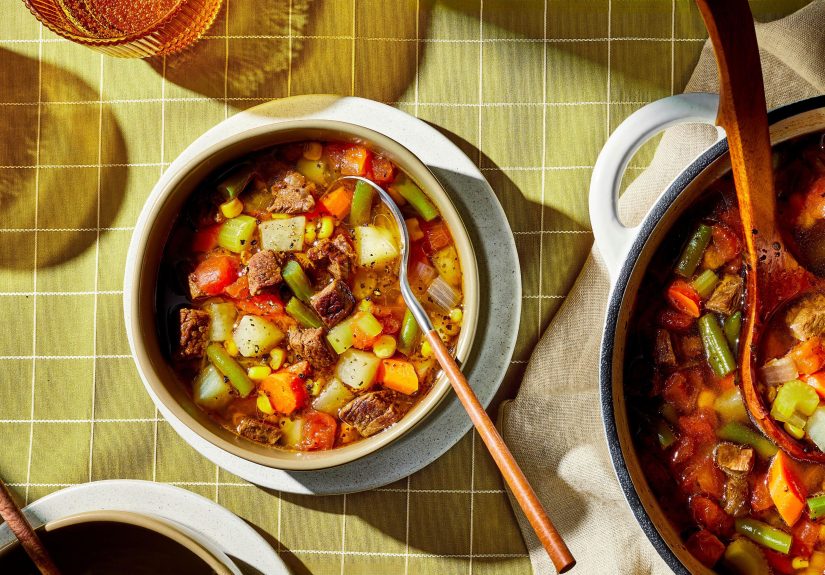
If comfort food had a handshake, it would be a big bowl of vegetable beef soupwarm, sturdy, and slightly smug about how many vegetables it managed to sneak into your day. This is the kind of soup that makes your kitchen smell like you’ve been “slow-cooking all afternoon,” even if you started an hour ago and mostly just stared at a pot with determination.
Below is a deeply cozy, truly satisfying vegetable beef soup recipe built on real-deal technique: browned beef for flavor, a tomato-kissed broth for body, and vegetables added in smart stages so nothing turns into sad mush. It’s a weeknight hero, a Sunday simmer, and an “I’m bringing soup” flexall in one pot.
Why This Vegetable Beef Soup Works (AKA: Soup Science Without the Lab Coat)
1) Browning the beef = the flavor shortcut you’re allowed to take
A quick sear builds deep, savory flavor (that toasty “wow” you taste in great soups). If you skip browning, the soup can still be goodbut it won’t have that hearty, steakhouse-in-a-sweater vibe.
2) Tomato + broth = rich, balanced, not “spaghetti sauce in a bowl”
Tomato paste and diced tomatoes give the broth a little sweetness, acidity, and color. Beef broth brings the savory base. Together, they taste like you planned ahead. (We won’t tell anyone you mostly planned to eat soup.)
3) Veggies added in stages = tender, not tragic
Potatoes need time. Green beans don’t. Frozen peas absolutely do not. Timing keeps everything bright and properly textured.
Ingredients
This recipe makes about 8 generous servings. Feel free to scale upthis soup freezes like a champ.
For the beef + broth
- 1 1/2 pounds beef chuck roast, trimmed and cut into 1-inch cubes (or stew meat)
- 1 1/2 teaspoons kosher salt, divided (plus more to taste)
- 1/2 teaspoon black pepper, plus more to taste
- 2 tablespoons olive oil
- 1 large yellow onion, diced
- 3 carrots, peeled and sliced
- 3 celery ribs, sliced
- 4 cloves garlic, minced
- 2 tablespoons tomato paste
- 1 (14.5-ounce) can diced tomatoes (fire-roasted if you want extra depth)
- 6 cups low-sodium beef broth
- 1 cup water (or more broth)
- 1–2 bay leaves
- 1 teaspoon dried thyme
- 1 teaspoon dried oregano
- 1 tablespoon Worcestershire sauce (optional but highly recommended)
For the vegetables
- 2 medium Yukon gold or red potatoes, diced (about 2 cups)
- 1 1/2 cups green beans, cut into 1-inch pieces (fresh or frozen)
- 1 cup corn (frozen is perfect)
- 3/4 cup peas (frozen)
- 1 cup cabbage, shredded (optional, but very old-school and very good)
Finishers (choose your own adventure)
- 2 tablespoons chopped fresh parsley
- 1–2 teaspoons red wine vinegar or a squeeze of lemon (for brightness)
- Crushed red pepper flakes, if you like a little heat
Step-by-Step: How to Make Vegetable Beef Soup
Step 1: Brown the beef (don’t crowd the potbeef needs personal space)
- Pat the beef dry with paper towels. Season with 1 teaspoon salt and the pepper.
- Heat olive oil in a large Dutch oven or heavy soup pot over medium-high heat.
- Add beef in batches and sear 2–3 minutes per side until browned. Transfer browned beef to a plate. (If the pot looks like it hosted a delicious barbecue argument, you’re doing great.)
Step 2: Build the flavor base
- Lower heat to medium. Add onion, carrots, and celery to the pot.
- Cook 6–8 minutes, stirring, until softened and lightly golden.
- Add garlic and cook 30 seconds, just until fragrant.
- Stir in tomato paste and cook 1 minute to caramelize it slightly (this makes it taste richer, not raw).
Step 3: Deglaze + simmer
- Add diced tomatoes, beef broth, water, bay leaves, thyme, oregano, and Worcestershire sauce (if using).
- Return the beef (and any juices) to the pot. Bring to a gentle boil, then reduce to a simmer.
- Cover partially and simmer 45–60 minutes, until the beef starts to become tender.
Step 4: Add the “long-cook” vegetables
- Add potatoes and simmer 15 minutes, until they’re just starting to soften.
- Add green beans and cabbage (if using). Simmer 10–12 minutes.
Step 5: Add the quick veggies + finish
- Stir in corn and peas and simmer 3–5 minutes, just until heated through.
- Taste and adjust seasoning with remaining 1/2 teaspoon salt (or more) and black pepper. If the soup tastes “flat,” add 1 teaspoon vinegar or lemon. It wakes everything up.
- Remove bay leaves. Stir in parsley. Serve hot.
Pro Tips for Next-Level Soup (Without Becoming a Professional Soup Person)
Choose the right beef
Chuck roast is ideal because it becomes tender and flavorful when simmered. If you use very lean beef, it can turn a little tough. If you use stew meat, know it’s often a mix of cutsstill fine, but chuck is more consistent.
Keep the broth bold, not salty
Start with low-sodium broth so you can season gradually. Soup reduces a bit as it simmers, which concentrates salt. If you only have regular broth, go easy on added salt until the end.
Add vegetables by “toughness”
- Early: potatoes, carrots (if you like them softer), parsnips
- Middle: green beans, cabbage, zucchini
- Late: peas, corn, spinach, kale
Want thicker soup?
Mash a few potato cubes against the side of the pot, or simmer uncovered for 10 minutes. You can also stir in a small handful of barleyjust remember it drinks broth like it’s getting paid per sip.
Easy Variations
Classic “hamburger” vegetable soup
Swap cubed chuck for 1 pound lean ground beef. Brown it first, drain excess fat, then continue with the recipe. This version cooks faster and feels very weeknight-friendly.
Slow cooker version
Brown the beef and sauté the onion/carrot/celery first for best flavor. Then add everything except peas, corn, and parsley to the slow cooker. Cook on LOW 7–8 hours or HIGH 4–5 hours. Add peas/corn in the last 15 minutes.
More Italian-style
Add a pinch of red pepper flakes, a Parmesan rind (remove before serving), and finish with basil. Or stir in a cup of small pasta (like ditalini) near the endjust add extra broth because pasta is thirsty.
Use what you’ve got
Vegetable beef soup is famously forgiving. Swap in turnips, sweet potatoes, okra, lima beans, or whatever vegetables are about to audition for “science experiment” status in the back of your fridge.
What to Serve with Vegetable Beef Soup
- Crusty bread (mandatory if you like dipping and joy)
- Buttermilk biscuits or cornbread
- Simple salad with a tangy vinaigrette
- Grilled cheese if you want the full comfort-food power couple
Make-Ahead, Storage, and Freezing
This soup often tastes even better the next daywhen the flavors have had time to mingle like friends who showed up early to the party.
Fridge
Cool and refrigerate promptly. Store in airtight containers for up to 3–4 days.
Freezer
Freeze for about 3–4 months for best quality. Thaw overnight in the fridge, then reheat gently on the stove. If the potatoes soften a bit after freezing, don’t panicthat’s normal soup behavior.
Reheating
Warm on the stovetop over medium heat until hot, adding a splash of broth or water if it thickened. Taste and re-season at the end.
FAQs
Can I make this vegetable beef soup with frozen vegetables?
Absolutely. Frozen corn, peas, and green beans are excellent here. Add them near the end so they stay bright and don’t overcook. Frozen mixed vegetables also workjust check what’s inside and adjust timing accordingly.
Why is my beef tough?
It usually needs more time. Beef chuck becomes tender with a longer, gentle simmer. If it’s chewy after an hour, keep simmering another 20–40 minutes. Low and slow wins.
How do I fix bland soup?
Add salt in small pinches, then try a splash of vinegar or lemon. A spoonful of tomato paste, a dash of Worcestershire, or a sprinkle of herbs can also help. Soup often needs a little “brightness” to taste fully seasoned.
Can I make it gluten-free?
This recipe is naturally gluten-free if your broth and Worcestershire sauce are certified gluten-free (some brands contain gluten). Skip barley and use potatoes or rice if you want extra bulk.
Conclusion: The Cozy, Practical, “Everyone’s Happy” Soup
A great vegetable beef soup recipe is equal parts hearty and flexiblelike the friend who brings snacks and also helps you move a couch. Brown the beef for big flavor, add vegetables in stages, and don’t be shy about a splash of acid at the end. You’ll get a bowl that tastes like effort (even if your main effort was “owning a pot”).
Make it once, then make it your own: swap vegetables, try ground beef, toss in barley, or keep it classic. However you do it, this soup is built for real lifebusy nights, cold weather, and that moment you open the fridge and think, “Please tell me there’s soup.”
Bonus: of Real-Life Soup Experiences (Because Soup Has Stories)
The first time I made vegetable beef soup “from scratch,” I thought the secret was a mysterious spice blend known only to grandmothers and diner cooks. Spoiler: the secret was time and browning. I used to toss raw beef into broth and wonder why the flavor came out politelike it didn’t want to bother anyone. The day I finally seared the beef properly, the kitchen smelled like I had made a plan, maybe even a budget. (Neither was true, but the soup didn’t have to know that.)
Then there’s the vegetable questionthe eternal debate between “fresh is best” and “I have a freezer and I’m not afraid to use it.” Over time, I’ve learned a very practical truth: frozen vegetables are not a compromise in soup; they’re a strategy. Frozen corn and peas especially feel like cheating in the best way. They keep their sweetness, they’re always ready, and they don’t judge you for not going to the store. Green beans can go either way, but if I’m using fresh, I add them later than my instincts wantbecause no one dreams about a bowl of overcooked beans that match the texture of wet shoelaces.
I’ve also messed up the timing more than once. Early on, I’d dump all the vegetables in at the beginning like I was trying to win a “fastest soup” award. The result: the peas disappeared, the potatoes got cloudy, and the carrots turned into orange suggestions. Now I treat the pot like a stage production: hardy vegetables show up early, delicate vegetables arrive fashionably late, and parsley gets the final bow. It sounds dramatic, but your soup will taste like it has an actual personality.
The best partespecially if you cook for other peopleis watching the bowl change the mood. Vegetable beef soup has that rare talent of making everyone feel taken care of. It’s not flashy, it’s not trying to go viral, and it doesn’t require a ring light. It just shows up, does its job, and somehow makes a random Tuesday feel more manageable. I’ve served it with crusty bread when I wanted to feel fancy, with crackers when I wanted to feel nostalgic, and with a grilled cheese when I wanted to feel unstoppable.
And leftovers? Leftovers are the whole reason soup deserves respect. Day-two soup tastes like it went to finishing school overnight. The flavors deepen, the broth feels rounder, and suddenly you’re the kind of person who “meal preps.” I’ve even frozen a few portions for future-me, and future-me is always gratefullike, “Wow, past-me was thoughtful.” (Past-me also forgot to label one container once, creating Mystery Soup Night, but that’s part of the adventure.)
If you take anything from these soup experiences, let it be this: vegetable beef soup isn’t about perfection. It’s about showing up with a pot, a spoon, and enough patience to let the beef get tender. The rest is flexibleand honestly, that’s why it keeps becoming a favorite.