
Table of Contents >> Show >> Hide
- What Is “Vitamin B17,” Exactly?
- Vitamin B17 “Foods”: Where Amygdalin Shows Up Naturally
- Claimed Benefits: What People Say vs. What Evidence Shows
- Side Effects and Safety Risks
- Who Should Avoid “Vitamin B17” Products?
- If You’re Considering Vitamin B17 Supplements, Read This First
- Frequently Asked Questions
- Conclusion
- Real-World Experiences: What People Commonly Run Into
- SEO Tags
If you’ve ever seen “Vitamin B17” trending online, you’ve probably also seen some bold claimsespecially around cancer.
The catch? Vitamin B17 isn’t actually a vitamin in the way vitamin C or vitamin D is. It’s a nickname commonly used for
amygdalin (a plant compound) and laetrile (a semi-synthetic form that was popularized as an alternative cancer therapy).
This article breaks down what “vitamin B17” really is, where it shows up in foods, what science says (and doesn’t say) about benefits,
and why safety concernsnamely cyanide toxicityare the reason most medical authorities wave a giant red flag.
Think of this as your “before you swallow anything weird from the internet” guide.
What Is “Vitamin B17,” Exactly?
“Vitamin B17” is a marketing name most often used to describe amygdalin, a naturally occurring compound found in the seeds (kernels)
of certain fruits and in some nuts. A related compound, laetrile, was promoted heavily in the 1970s and beyond as an alternative cancer treatment.
Neither is recognized as an essential vitamin, and “B17” isn’t an official vitamin designation.
Amygdalin vs. Laetrile: Same Family, Different Labels
Amygdalin is found in nature. Laetrile is a semi-synthetic product developed and marketed as a therapy. Both can be broken down in the body to form
compounds that include hydrogen cyanide. That’s the core of both the controversy and the danger.
Why the “Vitamin” Name Stuck
Vitamins are associated with health, deficiency prevention, and “harmless” supplementation. Calling amygdalin “vitamin B17” gives it a wellness halo.
Unfortunately, biology does not care about branding. If your body converts something into cyanide, it doesn’t matter how friendly the label looks on the bottle.
Vitamin B17 “Foods”: Where Amygdalin Shows Up Naturally
Amygdalin is most concentrated in the kernels and seeds of certain plantsespecially members of the stone-fruit family.
Importantly, the fruit flesh (the part most people eat) is generally safe; the higher-risk compounds are in the pits, kernels, and some seeds.
Common Sources People Mention
- Apricot kernels (the seed inside the pit; often sold as “bitter apricot kernels”)
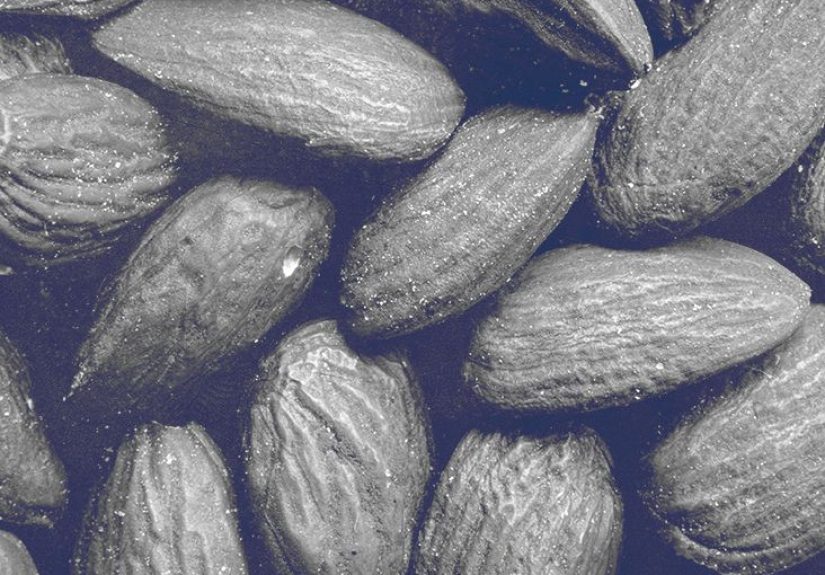
- Bitter almonds (not the same as the sweet almonds commonly sold in U.S. grocery stores)
- Peach pits and the kernels inside them
- Cherry pits and the kernels inside them
- Plum pits and kernels
- Apple seeds (lower concentrations, but still relevant if chewed and consumed in large quantities)
So… Are These “Foods” You Should Eat?
Here’s the practical reality: many of these items aren’t meant to be eaten in meaningful amounts, especially not raw, crushed, or as daily “doses.”
Chewing or grinding can increase the release of cyanide-related compounds. In other words: the more you treat kernels like a supplement,
the more you can turn a “natural” product into a very unnatural emergency-room visit.
Claimed Benefits: What People Say vs. What Evidence Shows
Let’s separate two things: (1) what is commonly claimed online and in alternative health circles, and (2) what’s supported by human evidence.
They are not the sameand in the case of laetrile/amygdalin, that gap is the whole story.
Claim #1: “Vitamin B17 Treats Cancer”
This is the headline claim that keeps “B17” in the spotlight. The proposed mechanism is usually some version of:
“amygdalin breaks down into cyanide, which kills cancer cells.”
The problem is that cyanide is not a precision-guided missile. It doesn’t politely ask cells for ID.
If cyanide is produced in the body at harmful levels, it can injure normal tissues too.
In clinical research involving people, laetrile/amygdalin has not shown reliable anticancer benefit.
Major medical reviews and cancer authorities have concluded there is no good clinical evidence that it treats cancer,
and it poses a real risk of toxicity.
Claim #2: “Vitamin B17 Boosts Immunity, Detoxes the Body, or Gives Energy”
These claims are common across the supplement world: “immune support,” “detox,” “cellular health,” and other phrases that sound scientific
while remaining conveniently hard to measure.
The best way to evaluate these claims is to ask: where are the well-designed human studies showing meaningful benefits at safe doses?
For vitamin B17/laetrile, those benefits have not been convincingly demonstrated, while safety concerns are well documented.
What About Lab Studies That Look Promising?
You may see references to test-tube or animal studies where amygdalin appears to affect cancer cells.
That’s not unusualmany substances can harm cells in a lab environment.
The real question is whether it helps people live longer or better without unacceptable harm.
Human outcomes are the gold standard, and this is where laetrile/amygdalin has not delivered.
Side Effects and Safety Risks
The main safety issue is straightforward: amygdalin and laetrile can be metabolized into cyanide.
Cyanide poisoning can range from mild symptoms to life-threatening emergencies.
Possible Side Effects Reported With Amygdalin/Laetrile Exposure
- Nausea, vomiting, stomach cramps
- Headache, dizziness, confusion
- Weakness, rapid breathing or trouble breathing
- Low blood pressure
- Seizures, loss of consciousness, coma in severe cases
Why Oral Products Are Often Riskier
Many warnings note that taking laetrile/amygdalin by mouth may increase the chance of cyanide toxicity,
in part because of how it can be processed in the digestive system.
Chewed or ground kernels can be especially risky because more of the active compound becomes available for digestion.
Known “Risk Boosters” That Can Make Toxicity More Likely
- Taking large amounts of kernels/seeds over a short time
- Chewing or grinding pits/kernels rather than swallowing intact (if accidentally ingested)
- Combining multiple “B17” products (kernels + capsules + “metabolic therapy” stacks)
- Using these products in place of proven medical treatment (risk from delay is real)
FDA Warnings and Product Variability
A major reason regulators worry about these products is variability. “Natural” does not mean standardized.
Some products have been found to contain high levels of amygdalin, and regulators have warned that consumption can lead to serious, even fatal, cyanide toxicity.
Who Should Avoid “Vitamin B17” Products?
Because the primary risk involves cyanide, caution is especially important for anyone more vulnerable to toxicity or complications.
Avoidance is generally advised for:
- Children (smaller bodies, higher risk from smaller amounts)
- Pregnant or breastfeeding people
- Anyone with serious chronic illness who could be harmed by sudden toxicity
- People undergoing cancer treatment who may be tempted to replace or delay evidence-based care
If You’re Considering Vitamin B17 Supplements, Read This First
If you’re thinking about amygdalin/laetrileespecially for cancer or another serious conditiontreat it like a “big decision,” not a casual supplement.
Here are practical steps that keep you safer:
1) Bring It Up With a Clinician (Yes, Even If It’s Awkward)
Many people stay quiet because they fear being judged. But your care team has heard it all, and they can help you weigh risks, interactions,
and the bigger pictureespecially if you’re dealing with cancer.
2) Watch for Red-Flag Marketing
- “Cures cancer,” “treats tumors,” “works when chemo fails”
- “Big Pharma doesn’t want you to know”
- Dosage advice that sounds like snack recommendations (“just eat a handful daily!”)
A product that makes disease-treatment promises while downplaying toxicity is not “edgy.” It’s unsafe.
3) Choose Safer, Evidence-Based Nutrition Wins
If your goal is general wellness, you don’t need cyanide-adjacent kernels to get there.
A balanced eating pattern rich in fruits, vegetables, lean proteins, and healthy fats has far better evidence for long-term health.
And you can eat apricots the normal wayby enjoying the fruitwithout turning the pit into a DIY chemistry experiment.
Frequently Asked Questions
Is vitamin B17 a real vitamin?
No. It’s a common nickname used for amygdalin/laetrile, but it is not recognized as an essential vitamin.
Are apricot kernels safe in “small amounts”?
Safety is tricky because kernel potency can vary, and the margin between “a little” and “too much” may be smaller than people realize.
Authorities have warned that consuming products with high levels of amygdalin can cause cyanide toxicity.
If you’re considering them for health purposes, it’s worth reevaluating the risk-benefit balancebecause the benefit isn’t proven, but the risk is real.
What if I accidentally swallowed a fruit pit or a few apple seeds?
Accidents happen. Swallowing an intact pit or a few seeds is often less risky than chewing or blending them,
because the hard outer shell can limit exposure. If multiple pits/seeds were chewed, ground, or consumed intentionally,
or if symptoms occur (dizziness, trouble breathing, confusion, vomiting), seek urgent help.
Conclusion
“Vitamin B17” sounds like something you’d find next to vitamin C gummies. In reality, it usually refers to amygdalin or laetrilecompounds linked to
cyanide production in the body. While online claims about benefits (especially cancer treatment) are loud, the clinical evidence hasn’t supported those claims,
and medical authorities consistently warn about toxicity risks.
If you want the most boring but most reliable health advice: don’t gamble your safety on a supplement with unproven benefits and a well-known poisoning pathway.
Your body deserves better than a label that’s one part marketing and one part chemistry pop quiz.
Real-World Experiences: What People Commonly Run Into
To make this topic feel more human (and less like reading the back of a supplement bottle), here are experience-based patterns that clinicians,
poison-control educators, and cancer-support communities commonly describe. These are composite scenariosnot individual medical stories
meant to reflect how vitamin B17 discussions typically play out in real life.
The “I Just Wanted More Control” Moment
A common starting point is emotional, not scientific: someone feels overwhelmed by a diagnosis, chronic symptoms, or health anxiety.
They want something they can do today. Vitamin B17 content is often packaged with certainty“this is what doctors won’t tell you”which can feel comforting.
The experience people describe is a rush of relief: “Finally, a clear plan.”
The downside is that certainty can be seductive even when it’s unsupported. When someone builds hope on a single supplement,
they can end up feeling betrayed latereither by side effects, by lack of improvement, or by the realization that they delayed other care.
The Dosage Spiral: “Just One… Then Two… Then a Handful”
People rarely jump straight to extremes. The more typical pattern is incremental:
one kernel becomes two, then a “recommended” number found in a comment thread, then a bigger dose when nothing dramatic happens in the first week.
Because toxicity can depend on how kernels are chewed, processed, and how much active compound is present, a person can feel “fine” until they suddenly don’t.
The lived experience here is frustration: “Why does everyone online act like this is harmless if it can make you sick?”
That’s the mismatch between casual social media advice and real biological risk.
The Supplement Stack: When B17 Isn’t Taken Alone
Another common experience is the “stack.” Vitamin B17 content is often bundled with other products and protocolsspecial diets, enzymes, megadose vitamins,
detox regimens, and multiple supplements at once. People report feeling overwhelmed but committed: “I have to do it exactly right.”
In real life, stacking makes it harder to identify what caused what. If someone feels nauseated, dizzy, or weak, is it the kernels?
A fasting protocol? Another supplement? The confusion can delay help-seeking and increase risk.
The Hard Conversation With a Clinician
Many people describe a turning point when they finally mention B17 to a doctor, nurse, or pharmacist.
The best versions of this experience are collaborative: the clinician validates the desire to explore options,
then clearly explains the evidence gap and the cyanide risk, and helps the person refocus on safer, supportive choices.
The worst versions feel dismissiveleading people to hide supplement use. That secrecy is dangerous. If you take anything that can affect your body,
your care team should know, especially if you’re undergoing treatment or have complex health issues.
The “Poison Control” Reality Check
Poison-control resources routinely emphasize a basic theme: most seed-and-pit exposures aren’t dramaticuntil they are.
People often call after blending pits into smoothies, chewing a larger amount of kernels, or giving a “natural remedy” to a child.
The experience tends to follow the same arc: initial panic, quick triage questions (“how much, how prepared, any symptoms?”),
and clear guidance about when urgent care is needed.
The big lesson people report afterward is simple: “I didn’t realize something sold online could carry a poisoning risk.”
That’s why the vitamin B17 conversation shouldn’t be treated like casual nutrition chatter. It belongs in the same mental category as anything that can
cause real toxicity.
The Most Useful Takeaway People Share
Across many communities, the most grounded “experience-based” advice tends to be this:
focus your energy on choices that reliably improve healthsleep, movement, evidence-based care, stress management, and nutrition that doesn’t come with a cyanide warning label.
People often describe feeling better not because they found a miracle pill, but because they shifted from chasing certainty to building sustainable habits.






 Close
Close