
Table of Contents >> Show >> Hide
- What Is Wedgwood White Dinnerware?
- A Short History: Why Wedgwood Still Matters
- Why White Dinnerware Is So Popular
- Popular Wedgwood White Dinnerware Collections
- Bone China: Delicate Look, Strong Personality
- How to Choose the Right Wedgwood White Dinnerware
- How to Style Wedgwood White Dinnerware
- Care and Cleaning Tips
- Is Wedgwood White Dinnerware Good for Everyday Use?
- Buying Vintage or Discontinued Wedgwood White
- Specific Experiences With Wedgwood White Dinnerware
- Final Thoughts
White dinnerware is the little black dress of the dining room: always appropriate, surprisingly flexible, and capable of making even Tuesday leftovers look like they had a stylist. Among the many names in fine china, Wedgwood White dinnerware has a special kind of calm authority. It does not shout. It does not arrive covered in cartoon lemons or neon swirls. It simply sits on the table, crisp and composed, as if it knows the roast chicken is slightly overcooked but is too polite to mention it.
For shoppers, collectors, newlyweds, hosts, and anyone trying to upgrade from mismatched “college-era mystery plates,” Wedgwood white dinnerware is worth understanding. The phrase can mean a specific all-white Wedgwood bone china pattern, often called Wedgwood White or Wedgwood White Bone, as well as the broader family of modern white Wedgwood collections, including Gio, Intaglio, Nantucket Basket, and Vera Wang Wedgwood designs. Each has its own personality, but all share the same basic promise: refined tableware that works for everyday meals, holidays, dinner parties, brunches, and the occasional “I bought flowers, therefore I am sophisticated” moment.
What Is Wedgwood White Dinnerware?
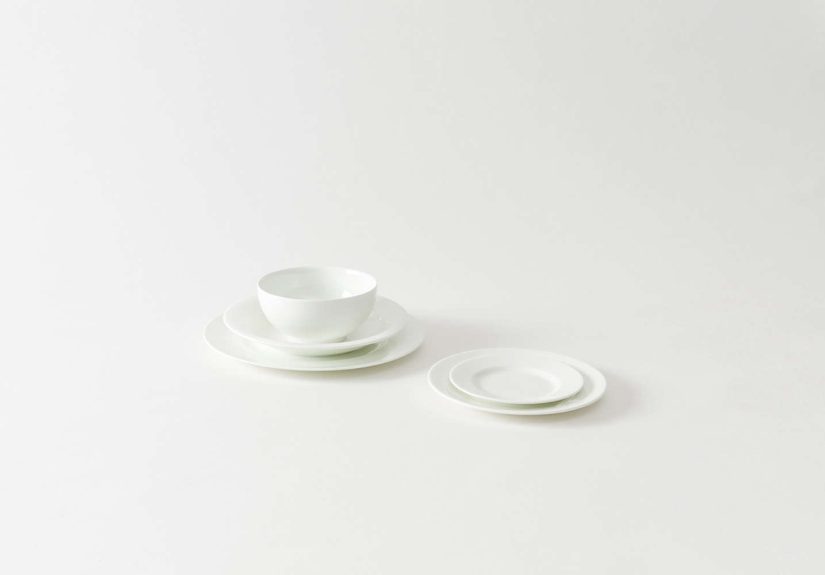
Wedgwood White dinnerware is best understood in two ways. First, there is the classic Wedgwood White Bone China pattern, an understated all-white design with no trim. It is prized for its simplicity, clean lines, and ability to mix with crystal, silver, stainless flatware, patterned salad plates, and seasonal accents. Collectors often look for individual pieces such as dinner plates, cups, saucers, serving bowls, and platters on replacement or vintage marketplaces.
Second, many shoppers use “Wedgwood white dinnerware” as a broader search term for Wedgwood’s white or mostly white dinnerware collections. These include the modern textured Gio White collection, the architectural Intaglio collection, the woven-look Nantucket Basket pattern, and elegant Vera Wang Wedgwood collections such as Grosgrain and Lace. In other words, “Wedgwood White” may be a specific pattern, while “Wedgwood white dinnerware” may be a whole design universe. Either way, the vibe is timeless, polished, and far less fussy than a table setting that requires a family meeting before anyone can touch the bread plate.
A Short History: Why Wedgwood Still Matters
Wedgwood was founded in 1759 by Josiah Wedgwood, one of the most important figures in ceramic history. His company became known for innovation, technical experimentation, and an unusually modern understanding of design and marketing. In the 18th century, Wedgwood helped elevate English pottery from practical household ware into objects of taste, status, and everyday beauty. His famous creamware, later associated with Queen Charlotte and known as Queen’s Ware, helped establish Wedgwood’s royal reputation.
That history matters because Wedgwood dinnerware is not merely “nice plates.” It comes from a brand built around the idea that tableware can be both functional and culturally meaningful. Wedgwood became famous for refined shapes, controlled materials, careful production, and designs that could move from formal settings to everyday use. White dinnerware fits beautifully into that legacy. It is restrained, yes, but not boring. Think of it as the tableware equivalent of a perfectly pressed white shirt: simple, but only because someone did the hard work to make it look effortless.
Why White Dinnerware Is So Popular
White dinnerware has survived trend after trend because it solves several decorating problems at once. It works with nearly any dining room style, from traditional mahogany to modern farmhouse, coastal casual, city apartment minimalism, and “we have children, please send durable napkins.” A white plate also frames food well. Green herbs look brighter, tomato sauces look richer, and desserts look more intentional. Even takeout dumplings look like they have been invited to a charity gala.
For Wedgwood, white is especially powerful because the brand often uses texture, shape, and subtle relief instead of loud color. Gio uses geometric embossing. Intaglio borrows from classical design language and architectural detail. Nantucket Basket uses a basket-weave motif. Vera Wang Grosgrain brings the delicate look of ribbon edging and refined wedding-table elegance. These patterns prove that white dinnerware can be visually interesting without becoming the loudest guest at dinner.
Popular Wedgwood White Dinnerware Collections
Wedgwood White Bone China
The classic Wedgwood White Bone China pattern is all white with no decorative trim, which makes it one of the most flexible choices for mixing and matching. Because the pattern is discontinued, shoppers often find it through replacement specialists, estate sales, online marketplaces, and vintage dinnerware shops. Its appeal lies in its restraint. It can support formal place settings with crystal and polished flatware, but it also looks comfortable under a bowl of soup, a slice of quiche, or a suspiciously large piece of birthday cake.
Wedgwood Gio White
Gio White is a strong choice for people who want white dinnerware with a more modern edge. The pieces are typically made from fine bone china and feature an embossed geometric texture. The result is clean, bright, and contemporary without looking cold. Gio is often sold in sets that include dinner plates, accent or salad plates, cereal bowls, and mugs, making it practical for people building a tableware collection from scratch.
Wedgwood Intaglio
Intaglio is one of the most distinctive white Wedgwood styles because it combines a clean white surface with embossed patterns inspired by classical and architectural motifs. It feels formal enough for holidays but not so delicate that it must live permanently in a cabinet like a porcelain ghost. Intaglio is especially attractive for people who want texture, depth, and a slightly traditional tone without gold or platinum bands.
Wedgwood Nantucket Basket
Nantucket Basket is beloved for its embossed basket-weave border. It has a coastal, heritage-inspired character that feels relaxed yet polished. The design works well in homes that lean traditional, nautical, cottage, or New England casual. The basket texture adds charm without making the plate difficult to style. Pair it with blue napkins and silver flatware, and suddenly your dining table seems to own a sailboat.
Vera Wang Wedgwood Grosgrain and Lace
Vera Wang Wedgwood collections bring bridal elegance to the table. Grosgrain, Lace, and related designs often use fine bone china with subtle borders, delicate patterning, and sometimes metallic accents. These are excellent choices for wedding registries, anniversary gifts, and formal entertaining. However, pieces with metallic bands should be treated differently from plain white bone china, especially when it comes to microwaves. A platinum rim and a microwave are not a romance anyone should encourage.
Bone China: Delicate Look, Strong Personality
Many Wedgwood white dinnerware patterns are made from bone china or fine bone china. Bone china is known for being lightweight, durable, and slightly translucent when held up to light. It has a creamy white appearance that feels softer than some bright porcelain. Despite its elegant look, bone china is not automatically fragile. High-quality bone china is often suitable for daily use, which is excellent news for anyone who wants beautiful dishes without treating dinner like a museum tour.
The practical advantage of bone china is its balance of strength and refinement. It is thinner and lighter than many stoneware pieces, which makes it pleasant to handle and easier to stack. At the same time, it can be impressively durable when cared for properly. This is one reason Wedgwood white dinnerware appeals to both collectors and everyday users: it feels special, but it does not demand that you change your entire personality before breakfast.
How to Choose the Right Wedgwood White Dinnerware
Start With Your Lifestyle
Before choosing a pattern, be honest about how you eat. If you cook daily, use the microwave often, and run the dishwasher like it is a small household appliance with a full-time job, a plain white or non-metallic collection such as Gio or Intaglio may be the easiest choice. If you mostly entertain on holidays and enjoy formal table settings, a Vera Wang Wedgwood pattern with metallic detail may be worth the extra care.
Decide Between Smooth and Textured
Classic Wedgwood White is smooth and minimal. Gio and Intaglio add texture. Nantucket Basket adds a woven border. Smooth plates create a very clean, restaurant-like look. Textured plates feel more decorative and can make a simple table setting look layered even when you forgot to buy flowers. If your dining room already has a lot of pattern, smooth white dinnerware may balance it. If your room is neutral, embossed dinnerware can add interest.
Think About Open Stock
Open-stock availability matters. A beautiful dinnerware set becomes less charming when one bowl breaks and replacing it requires a detective board, red string, and three browser tabs from 2009. Current Wedgwood white collections are often easier to expand with matching plates, mugs, bowls, and serveware. Discontinued Wedgwood White Bone China can still be found, but replacement cost and availability may vary by piece.
Choose the Right Set Size
A 16-piece set typically serves four and often includes dinner plates, salad or accent plates, bowls, and mugs. A 5-piece place setting may include a dinner plate, salad plate, bread and butter plate, teacup, and saucer. For modern homes, mugs and cereal bowls may be more useful than teacups and saucers. For formal dining, a 5-piece place setting feels more traditional. The right choice depends on whether your household says “tea service” or “where is my giant coffee mug?”
How to Style Wedgwood White Dinnerware
The greatest strength of white dinnerware is that it lets everything else shine. For a classic look, pair Wedgwood white plates with crisp linen napkins, clear crystal glasses, and polished flatware. Add taper candles and a low floral arrangement, and you have a table that says, “Yes, I know where the salad fork goes,” even if you quietly check your phone under the table.
For a casual look, mix white Wedgwood plates with woven placemats, wood serving boards, and colored napkins. Blue and white is a natural pairing, especially with Nantucket Basket. Soft gray and ivory create a calm, modern setting with Gio or Intaglio. For holidays, white dinnerware becomes the perfect backdrop for greenery, cranberry accents, gold chargers, or patterned dessert plates.
White Wedgwood dinnerware also makes mixing patterns easier. You can use a white dinner plate as the foundation and layer a floral salad plate, a colorful soup bowl, or seasonal serveware on top. This is especially useful if you inherit partial china sets or enjoy collecting vintage pieces. White dinnerware is the peacemaker of the cabinet. It gets along with almost everyone.
Care and Cleaning Tips
Always check the care instructions for your exact Wedgwood pattern, especially if it includes gold, silver, or platinum accents. Many plain Wedgwood bone china pieces are dishwasher safe and microwave safe, but metallic detailing changes the rules. As a general practice, avoid sudden temperature changes, do not overload the dishwasher, and keep metal utensils or heavy pans from knocking against delicate rims.
For handwashing, use mild liquid detergent, warm water, and a non-abrasive cloth or sponge. Avoid harsh scouring pads unless you enjoy turning a beautiful plate into a cautionary tale. If coffee or tea stains appear in mugs, a gentle paste of baking soda and water can often help. For stacking, place felt, cloth, paper towels, or plate protectors between pieces to reduce scratches. This small step takes seconds and can prevent the kind of chip that ruins your morning faster than realizing you are out of coffee.
Is Wedgwood White Dinnerware Good for Everyday Use?
Yes, many Wedgwood white dinnerware pieces can be excellent for everyday use, especially plain or non-metallic bone china collections. The key is choosing a pattern that matches your habits. If you want low-maintenance daily dinnerware, look for dishwasher-safe and microwave-safe pieces. If you love formal dining and do not mind handwashing, a more ornate Vera Wang Wedgwood design may be perfect.
The beauty of Wedgwood white dinnerware is that it can elevate normal meals without making them feel staged. A sandwich looks better. Pasta looks better. A bowl of cereal looks like it has aspirations. That daily usefulness is what separates great dinnerware from decorative dinnerware that only appears when relatives visit and everyone suddenly starts using cloth napkins.
Buying Vintage or Discontinued Wedgwood White
If you are shopping for the discontinued Wedgwood White Bone China pattern, inspect condition carefully. Look for chips, cracks, crazing, utensil marks, discoloration, and uneven wear. Ask sellers for clear photos of the front, back, rim, and maker’s mark. Confirm dimensions because similar Wedgwood shapes and patterns can be easy to confuse. A dinner plate, luncheon plate, and salad plate may look similar online until they arrive and your “dinner plate” is suddenly the size of a polite cookie tray.
Replacement specialists are useful because they typically identify patterns carefully and grade condition. Estate sales and online marketplaces may offer better prices, but they require more patience and attention. If you plan to build a full service, start by checking how many pieces are available and which items are hardest to find. Dinner plates and cups may be easier to source than covered serving dishes, gravy boats, or specific bowls.
Specific Experiences With Wedgwood White Dinnerware
One of the most satisfying experiences with Wedgwood white dinnerware is how quickly it improves the look of a table without demanding a full redesign. A plain white Wedgwood dinner plate under roasted salmon, asparagus, and lemon slices looks clean and restaurant-ready. The same plate under pancakes, berries, and maple syrup looks cheerful and weekend-worthy. It is rare for one dinnerware style to handle both “company is coming” and “I am eating toast over the sink” with equal dignity.
Another real-world advantage is how well white Wedgwood pieces photograph. For home cooks, bloggers, hosts, and anyone who has ever taken a picture of brunch before allowing others to eat, white plates are extremely forgiving. They reflect light, keep food colors honest, and avoid clashing with sauces, salads, or desserts. A textured white pattern such as Gio or Intaglio gives the photo a little depth without stealing attention from the food. Basically, the plate does its job and does not try to become an influencer.
In everyday use, the lighter weight of bone china can be a pleasant surprise. People sometimes assume that quality dinnerware must be heavy, but fine bone china often feels elegant because it is thin, balanced, and easy to handle. Stacking plates takes less effort. Setting the table feels smoother. Carrying dishes from the kitchen to the dining room does not feel like training for a warehouse job. That matters if you use the pieces daily instead of reserving them for Thanksgiving and one extremely ambitious anniversary dinner.
Wedgwood white dinnerware also adapts well to changing seasons. In spring, pair it with pale green napkins, tulips, and clear glassware. In summer, add rattan chargers, blue linens, and simple pitchers of iced tea. In fall, white plates make roasted vegetables, squash soup, and cranberry tones look richer. In winter, they work beautifully with evergreen sprigs, candles, metallic flatware, and deep red or navy accents. You do not need four complete dinnerware sets if your white Wedgwood pieces can play well with accessories.
For families, the biggest lesson is to use the dinnerware rather than hide it. Beautiful plates tucked away forever become expensive cabinet decorations. Of course, rare discontinued pieces deserve care, and metallic-trim patterns should be handled thoughtfully. But a sturdy white Wedgwood set can bring small pleasure to ordinary meals. There is something quietly satisfying about eating soup from a good bowl or serving a simple salad on a plate that feels considered. It turns dining from a routine into a tiny ritual, minus the dramatic music.
Hosting with Wedgwood white dinnerware is especially easy because guests rarely feel intimidated by it. Highly ornate china can make people nervous, as if one wrong fork movement could damage an heirloom and trigger a family legend. White Wedgwood feels refined but approachable. It gives the table structure while letting the food, conversation, and people remain the focus. And if the evening includes pizza, the plates will not judge. They have seen centuries of human ambition. They can handle pepperoni.
Final Thoughts
Wedgwood White dinnerware remains appealing because it combines history, craftsmanship, practicality, and design flexibility. Whether you are hunting for the discontinued Wedgwood White Bone China pattern or choosing a current white collection such as Gio, Intaglio, Nantucket Basket, or Vera Wang Grosgrain, the goal is the same: a table that looks polished without feeling stiff.
The best white dinnerware does not compete with your food, your flowers, or your guests. It supports them. Wedgwood has spent generations proving that restraint can be luxurious, and white bone china is one of the clearest examples. It is simple, but not plain. Elegant, but not fragile in spirit. Classic, but not trapped in your grandmother’s dining room cabinet. In short, Wedgwood white dinnerware is a smart choice for anyone who wants dishes that can handle Sunday brunch, holiday dinner, and leftover pasta with equal grace.







 Close
Close