Table of Contents >> Show >> Hide
If you have ever looked at a weighted vest and thought, “Ah yes, a fashionable way to make walking feel a little more dramatic,” you are not entirely wrong. But weighted vests are more than fitness props for people who enjoy turning an ordinary stroll into a side quest. Used well, they can make simple movement more challenging, help you build strength, and add a practical layer of resistance to workouts you are already doing.
The catch? A weighted vest is not magic. It will not transform a casual lap around the block into superhero training overnight, and it definitely cannot out-negotiate a week of poor sleep, skipped meals, and zero recovery. Still, for the right person, it can be a smart, simple tool. The key is knowing what it actually does, what the potential benefits are, and how to use one without making your neck, back, or knees file a formal complaint.
What Is a Weighted Vest, Exactly?
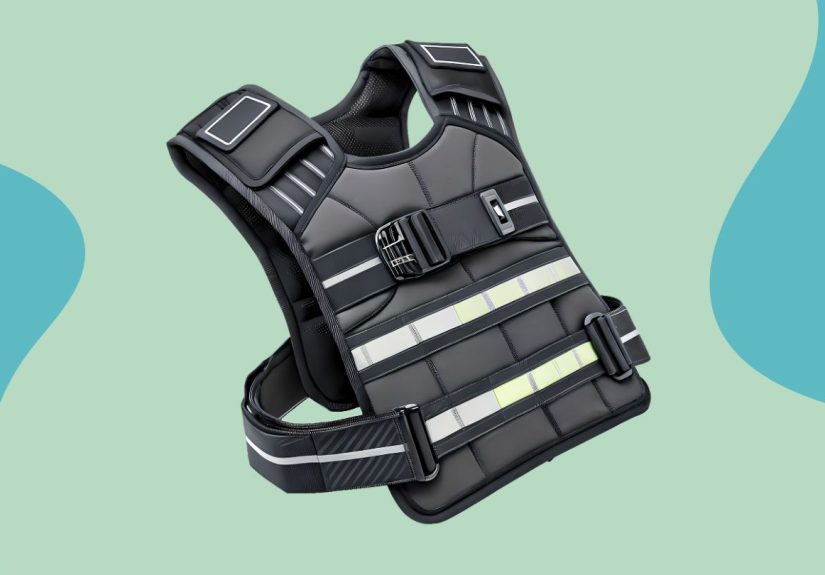
A weighted vest is a vest with built-in or removable weights that adds extra load to your body during movement. Unlike holding dumbbells or strapping on ankle weights, a vest places the resistance closer to your torso, which usually makes it feel more balanced and more natural for walking, bodyweight training, stair climbing, and certain conditioning workouts.
That “closer to your center” design is a big reason weighted vests appeal to so many people. Your hands stay free. You can move in multiple directions. And you do not need an elaborate gym setup to use one. Put it on, go for a walk, do a few step-ups, run through squats and lunges, or wear it during short conditioning sessions, and you have instantly made familiar exercises more demanding.
Still, there is a difference between useful resistance and reckless resistance. A weighted vest should challenge your body, not bully it.
5 Benefits of Using a Weighted Vest
1. It Makes Everyday Cardio More Challenging
This is the most obvious benefit, and for many people, the most useful one. Add a weighted vest to a walk, hike, stair session, or treadmill workout, and your body has to work harder to move the extra load. That means a simple activity can feel more like a real training session without needing to run faster or jump around like your living room is a boot camp studio.
For people who want to increase intensity without immediately moving to high-impact exercise, a weighted vest can be a practical middle ground. Brisk walking with a vest can elevate effort, increase cardiovascular demand, and make shorter sessions feel more productive. It is a nice option for those who want to make walking less “just walking” and more “I am doing something deliberate here.”
There is also a psychological advantage. Many people stick with walking because it is approachable. A vest lets you keep that approachable activity while nudging it into more challenging territory. In other words, you do not need to suddenly become the kind of person who loves hill sprints at sunrise.
2. It Can Help Build Strength and Muscular Endurance
When you carry more load, your muscles have more work to do. That extra demand can help develop strength and muscular endurance, especially in the legs, glutes, calves, and trunk. Weighted vests can be especially useful for bodyweight exercises that have started to feel too easy. Squats, step-ups, lunges, calf raises, push-ups, and even standing chores can become more demanding when your body has to manage additional weight.
This is one reason weighted vests are popular with people who train at home. You may not own a full rack of dumbbells, but you can still make bodyweight work more challenging. A vest is also convenient for people who want resistance without constantly gripping weights, which is especially helpful during circuits, mobility-based strength work, or longer endurance sessions.
And no, this does not mean a vest replaces traditional resistance training. Barbells, dumbbells, machines, and bands still have their place. But a vest can absolutely support strength goals, especially when you use it to progress exercises you already perform well.
3. It May Support Bone Health
This is where things get interesting, and where social media often gets a little too confident. Because a weighted vest adds load to weight-bearing activity, it may help stimulate bone in the hips, legs, and spine. That makes intuitive sense: your body adapts to the demands placed on it, and bones respond to load just like muscles do.
That said, bone-health claims should be treated with respect, not hype. The research is encouraging in some groups, especially older adults and postmenopausal women, but it is not a universal slam dunk. A weighted vest may be one useful part of a bone-friendly exercise plan, particularly when paired with resistance training, regular walking, and enough recovery. It is better to think of a vest as a helper, not a miracle costume for your skeleton.
If bone density is one of your main reasons for trying a weighted vest, it is smart to keep expectations realistic. The best outcomes usually come from a broader routine that includes weight-bearing movement, strength training, balance work, and consistency over time. Bones are not impressed by one heroic Saturday workout.
4. It Can Improve Posture, Core Engagement, and Functional Movement
A good weighted vest hugs the torso and encourages you to organize your posture. When the fit is right and the weight is reasonable, many people naturally stand taller, brace their core more effectively, and move with greater awareness. That can translate to better mechanics during walking, stair climbing, sit-to-stand movements, and bodyweight training.
Think of it as a reminder system for your body. If you slump, twist carelessly, or let your shoulders roll forward, the extra load makes those flaws more noticeable. Used correctly, a vest can encourage better alignment and more deliberate movement patterns. Used incorrectly, of course, it can also turn you into a tired little question mark. So the benefit depends heavily on form.
This functional side of weighted vest training is underrated. Improving how you carry yourself during ordinary movement matters. If a vest helps you develop better control during walks, household movement, and basic strength exercises, that can have real carryover into daily life.
5. It Adds Efficiency and Variety to Your Routine
Fitness gets boring fast when every workout starts to feel like a rerun. A weighted vest can bring novelty without forcing you to learn a completely new training style. Walking, stair climbing, hiking, bodyweight circuits, and even short conditioning intervals can all feel different with a moderate extra load.
There is also the convenience factor. You do not need to carry equipment around, set up a complicated station, or monopolize half the garage. Put on the vest, move, and your workout becomes more demanding. That efficiency appeals to busy people who want more challenge without more logistical nonsense.
And yes, the extra effort can contribute to higher calorie burn. But let us keep our feet on the ground here, preferably in comfortable walking shoes. A weighted vest may help you burn more energy, but it is not a cheat code for dramatic fat loss. The benefit is real, just not cinematic.
Tips for Using a Weighted Vest Safely
Start Lighter Than Your Ambition Tells You To
The fastest way to ruin a good idea is to treat your first session like a military movie montage. Most people do best starting with a light load, often around 5% to 10% of body weight, and true beginners may want to go even lighter. If your vest is adjustable, start with just a few pounds and see how your body responds.
A first session should feel manageable, not heroic. Your breathing can be elevated, your muscles can feel challenged, and your walk can feel more serious, but you should not finish wondering why your traps feel like concrete.
Make Sure the Vest Fits Well
Fit matters more than people think. A vest that bounces, shifts, digs into your shoulders, or hangs awkwardly is not just annoying. It can change your mechanics and increase strain. You want the load distributed as evenly as possible, snug but not restrictive, secure but not suffocating.
If it feels like you are wearing a bag of groceries strapped to your chest, that is not a good sign.
Use It for the Right Activities
Weighted vests shine during walking, hiking, step-ups, squats, lunges, calf raises, stair work, and some bodyweight strength training. They can also work for short intervals on a treadmill or for circuits that do not involve a lot of twisting, jerking, or sloppy fatigue.
They are usually not the best place to begin if you want to jump into sprinting, plyometrics, or high-impact drills. If your joints are not already used to load, adding weight to fast or explosive movement can be a pretty efficient way to learn new swear words.
Progress Slowly
Do not increase weight, time, distance, and frequency all at once. Pick one variable and move it up gradually. If you start with a 20-minute walk, keep the weight the same before adding time. If you are comfortable with the time, then adjust the load slightly. Slow progression is not boring. It is what keeps you training next month instead of resting on the couch with an ice pack.
Keep Your Posture Honest
Walk tall. Keep your shoulders back and relaxed, your ribs stacked over your hips, and your core gently engaged. If the vest pulls you into a forward hunch, the load is probably too heavy, the fit is poor, or fatigue has arrived earlier than expected. Any of those is a sign to back off.
Do Not Let It Replace Real Strength Training
A weighted vest is a tool, not a full program. It can make walking and bodyweight movement more challenging, but it should complement a balanced routine. You still want dedicated strength work for major muscle groups, plus regular aerobic exercise across the week. Think of the vest as seasoning, not the entire meal.
Know When to Get Medical Clearance First
If you are pregnant, dealing with neck or back pain, managing sciatica, recovering from an injury, or have osteoporosis, osteopenia, or a history of spinal fractures, talk to a clinician before adding a weighted vest. The same goes for people with joint pain that flares easily or any condition that affects balance or stability.
There is nothing glamorous about “pushing through” the wrong kind of pain. Smart training beats stubborn training every time.
Common Weighted Vest Mistakes to Avoid
The biggest mistake is starting too heavy. The second biggest is wearing the vest too long, too soon. Another common issue is using poor posture and assuming discomfort is part of the deal. It is not. A weighted vest should make movement harder, not sketchier.
People also tend to overestimate the calorie-burning effect and underestimate the recovery demand. Yes, you are doing more work. But no, you do not need to wear a vest while making coffee, folding laundry, answering emails, and reorganizing the pantry like you are training for a documentary. Use it with intention.
Experiences With Weighted Vests: What Using One Often Feels Like
For many beginners, the first experience with a weighted vest is surprisingly humbling. A person who normally walks two miles without thinking twice may put on a light vest and immediately notice that hills feel steeper, breathing gets heavier faster, and posture suddenly matters a lot more. It is not usually an overwhelming difference, but it is enough to make a familiar route feel fresh. That small shift is often what gets people hooked. They like that the workout feels upgraded without needing to become complicated.
Another common experience is that the vest exposes weak links. Someone may discover that their legs are not actually the problem; their upper back gets tired first, or their core gives up early, or their shoulders creep forward by minute twelve. That kind of feedback can be valuable. It tells you where your body needs more strength, mobility, or endurance. In that sense, a weighted vest can feel a bit like an honest friend: helpful, but not always gentle.
People who use weighted vests consistently often describe a strong “return to normal” effect. After several weeks of smart use, regular walking can feel easier, stairs seem less dramatic, and bodyweight exercises feel snappier. Daily tasks may not suddenly become thrilling, but they can feel lighter. Getting up from the floor, carrying groceries, or moving through a busy day can seem a bit smoother because your body has been practicing under slightly greater demand.
There are also comfort lessons that almost everyone learns. A poorly fitted vest gets annoying fast. If it rubs the collarbone, shifts side to side, or traps too much heat, the workout becomes more about tolerating the equipment than benefiting from it. Most people who end up liking weighted vest training figure out quickly that fit, fabric, and adjustability matter almost as much as the actual load.
Some users love the simplicity. They do not want a complicated plan. They want to put something on, walk for half an hour, and feel like they trained. For busy adults, that simplicity is a real advantage. Others prefer using the vest in short strength circuits, where push-ups, squats, step-ups, and carries suddenly feel more serious. In both cases, the appeal is the same: more challenge without more chaos.
Of course, not every experience is positive. Some people realize quickly that weighted vests are not for them, especially if they have neck tension, back discomfort, joint irritation, or unrealistic expectations. The vest is not failing in those situations; it is simply revealing that a different training approach may be smarter. That is still useful information. Sometimes the best result from trying a new fitness tool is discovering whether it fits your body, your goals, and your real life.
Conclusion
Weighted vests can be a smart, practical way to make walking, hiking, and bodyweight exercise more demanding. They may help improve cardiovascular challenge, support strength and muscular endurance, contribute to bone-friendly loading, and make daily movement feel more purposeful. They also offer something many people need: efficiency. One piece of equipment, one simple change, and your usual routine suddenly asks more from you.
But the best results come from using a weighted vest with restraint, not bravado. Start light. Focus on posture. Progress gradually. Use it to enhance a balanced exercise routine, not replace one. And if your body starts sending you warning signals, listen before your joints decide to send a louder memo.
Done right, a weighted vest is not just extra weight. It is extra intention.