
Table of Contents >> Show >> Hide
- What Are Lymph Nodes?
- How the Lymphatic System Works
- Where Are Lymph Nodes Located?
- What Do Normal Lymph Nodes Feel Like?
- Why Do Lymph Nodes Swell?
- Signs of Diseased Lymph Nodes
- How Doctors Evaluate Swollen Lymph Nodes
- Can You Prevent Swollen Lymph Nodes?
- What Not to Do When You Find a Swollen Lymph Node
- Everyday Examples: What Swollen Lymph Nodes May Mean
- Experience-Based Insights About Lymph Nodes, Location, and Signs of Disease
- Conclusion
Lymph nodes are the tiny body parts most people ignore until one pops up like an unexpected pea under the jaw, in the armpit, or near the groin. Suddenly, this small lump becomes the star of the mental drama: Is it an infection? Is it serious? Did my body just send a cryptic text message? The good news is that swollen lymph nodes are often a sign that your immune system is doing its job. The better news is that understanding lymph nodes can make those little bumps much less mysterious.
In simple terms, lymph nodes are small, bean-shaped structures that help filter lymph fluid and support the immune system. They are part of the lymphatic system, a network that moves fluid, immune cells, proteins, and waste products throughout the body. When germs, abnormal cells, or other unwanted visitors show up, lymph nodes help trap and process them. Think of them as security checkpoints: small, busy, and not interested in letting trouble walk through unnoticed.
This guide explains what lymph nodes are, where lymph nodes are located, what swollen lymph nodes can mean, and which signs of disease deserve medical attention. It also includes practical examples and real-life experience-based insights to help readers understand what is normal, what is common, and what should never be brushed aside.
What Are Lymph Nodes?
Lymph nodes are small immune-system structures found throughout the body. Most are only a few millimeters to about a couple of centimeters in size, although size can vary depending on location and health status. They are connected by lymph vessels, which carry lymph fluid from tissues back toward the bloodstream.
Inside each lymph node are immune cells, including lymphocytes, which help recognize and fight infections and disease. Lymph nodes filter lymph fluid, catching bacteria, viruses, damaged cells, and sometimes cancer cells. When immune cells gather and multiply inside a node, the node may become enlarged, tender, or easier to feel under the skin.
Lymph Nodes vs. “Swollen Glands”
Many people call swollen lymph nodes “swollen glands,” especially when they appear in the neck during a cold or sore throat. Technically, lymph nodes are not glands. Glands make and release substances such as hormones, sweat, or saliva. Lymph nodes filter lymph fluid and help coordinate immune responses. Still, the phrase “swollen glands” is common, and doctors usually know exactly what patients mean.
How the Lymphatic System Works
The lymphatic system has several important jobs. It drains extra fluid from tissues, returns that fluid to the bloodstream, absorbs some fats from the digestive tract, and helps defend the body against infection. Lymph nodes are only one part of this system, which also includes lymph vessels, the spleen, thymus, tonsils, and bone marrow.
When lymph fluid flows through lymph nodes, immune cells inspect it. If the immune system detects something suspicious, the node becomes more active. This is why lymph nodes often swell near the site of an infection. A sore throat may cause enlarged lymph nodes in the neck. An infected cut on the hand may affect nodes near the elbow or armpit. A skin infection on the leg may enlarge nodes in the groin. The location of swelling often provides a clue about what the body is fighting.
Where Are Lymph Nodes Located?
There are hundreds of lymph nodes in the body. Many are deep inside the chest, abdomen, and pelvis, where they cannot be felt during a routine self-check. Others are closer to the skin and may be felt when they enlarge. The most commonly noticed lymph node locations are the neck, under the jaw, behind the ears, above the collarbone, under the arms, and in the groin.
Neck Lymph Nodes
Neck lymph nodes are among the most commonly swollen nodes. They may enlarge with colds, flu, strep throat, tonsillitis, dental infections, ear infections, and certain viral illnesses. A tender lump under the jaw during a sore throat is often a lymph node reacting to infection nearby. It is the immune system’s version of putting on a hard hat and getting to work.
Armpit Lymph Nodes
Armpit lymph nodes, also called axillary lymph nodes, drain areas including the arm, chest wall, and breast. Swelling in this area can happen after skin irritation, infection, injury, vaccination, or inflammation. Because axillary nodes are also important in breast cancer evaluation, unexplained swelling in the armpit should not be ignored, especially if it is hard, fixed, growing, or persistent.
Groin Lymph Nodes
Groin lymph nodes, also known as inguinal lymph nodes, drain the legs, lower abdomen, buttocks, genitals, and parts of the pelvis. They may swell after a leg wound, fungal infection, sexually transmitted infection, urinary issue, or skin infection. Some groin nodes can feel slightly noticeable in healthy people, especially in thin individuals, but new, painful, or enlarging lumps should be evaluated when they do not improve.
Chest, Abdominal, and Pelvic Lymph Nodes
Many lymph nodes are located deep inside the body. Chest lymph nodes may become enlarged with lung infections, inflammatory conditions, or cancers. Abdominal and pelvic lymph nodes may enlarge due to infections, digestive diseases, immune disorders, or cancer spread. Because these nodes cannot usually be felt from the outside, doctors may find them through imaging tests such as ultrasound, CT scan, MRI, or PET scan.
Supraclavicular Lymph Nodes
Lymph nodes above the collarbone are called supraclavicular lymph nodes. Swelling in this area deserves prompt medical evaluation because these nodes can sometimes be associated with more serious conditions, including infections, lymphoma, or cancers from the chest or abdomen. Not every supraclavicular lump is cancer, but this location is one doctors take seriously.
What Do Normal Lymph Nodes Feel Like?
Normal lymph nodes are usually small, soft, and movable. Many cannot be felt at all. When they are felt, they may feel like tiny peas or beans under the skin. In children and young adults, small movable nodes in the neck can sometimes remain noticeable after common infections. The key details are size, tenderness, texture, mobility, location, and whether the node is changing over time.
A node that is soft, tender, and appears suddenly during a cold often points toward infection or inflammation. A node that is hard, rubbery, fixed in place, painless, or slowly growing deserves more attention. Context matters. Lymph nodes are not fortune cookies; they do not deliver a diagnosis by themselves. They need to be interpreted along with symptoms, physical exam findings, medical history, and sometimes lab or imaging results.
Why Do Lymph Nodes Swell?
Swollen lymph nodes are medically called lymphadenopathy. When a lymph node itself becomes inflamed or infected, the condition may be called lymphadenitis. The most common cause of swollen lymph nodes is infection, especially viral infection. However, swelling can also occur because of bacterial infections, immune disorders, medications, skin inflammation, injury, or cancer.
Common Infections
Viral infections such as the common cold, flu, mononucleosis, and some respiratory illnesses can cause swollen lymph nodes. Bacterial infections, including strep throat, infected wounds, dental abscesses, and certain skin infections, can also enlarge nearby nodes. Tick-borne illnesses, some sexually transmitted infections, and other infectious diseases may cause swelling in specific areas or throughout the body.
Dental and Ear Problems
A tooth infection, gum disease, or ear infection can cause lymph nodes near the jaw, neck, or behind the ear to swell. This is why dentists and primary care clinicians often check the neck and jawline during an exam. The mouth may be small, but when it gets infected, the local lymph nodes definitely hear about it.
Skin Irritation or Injury
Cuts, scratches, insect bites, acne, shaving irritation, or infected hair follicles can trigger nearby lymph nodes. For example, a small infection on the scalp may enlarge nodes behind the ear or at the back of the neck. A cut on the foot may affect groin nodes. This is one reason doctors ask about recent injuries, rashes, pets, travel, and outdoor exposure.
Immune and Inflammatory Conditions
Autoimmune diseases and inflammatory conditions can sometimes cause generalized lymph node swelling. Conditions such as lupus, rheumatoid arthritis, and sarcoidosis may involve lymph nodes along with other symptoms. In these cases, swollen lymph nodes are usually only one part of a bigger clinical picture.
Cancer and Lymph Nodes
Cancer can involve lymph nodes in two main ways. First, lymphoma can begin in the lymphatic system itself. Second, cancers from other organs can spread to nearby or distant lymph nodes. For example, breast cancer may spread to axillary lymph nodes, while head and neck cancers may involve nodes in the neck. Swollen lymph nodes do not automatically mean cancer, but persistent, hard, painless, or fixed nodes should be checked.
Signs of Diseased Lymph Nodes
Lymph node changes can look and feel different depending on the cause. Some signs suggest a routine infection, while others may point toward a more serious condition. The goal is not to panic over every bump, but to recognize patterns that deserve professional evaluation.
Signs That Often Point to Infection
Tender, warm, or painful lymph nodes that appear suddenly are often linked to infection or inflammation. They may occur with sore throat, runny nose, cough, fever, ear pain, dental pain, skin redness, or a visible wound. These nodes often shrink as the infection improves. A viral illness may need time, fluids, rest, and symptom care, while bacterial infections may require medical treatment.
Warning Signs to Take Seriously
Medical evaluation is important if lymph nodes continue to enlarge, last longer than two to four weeks, feel hard or rubbery, do not move when pushed, appear above the collarbone, or come with unexplained fever, drenching night sweats, unexplained weight loss, persistent fatigue, ongoing cough, or easy bruising. These symptoms do not prove cancer, but they are signals that a clinician should investigate.
Localized vs. Generalized Swelling
Localized lymph node swelling affects one area, such as the neck or groin. It often points to a nearby infection or injury. Generalized lymphadenopathy means lymph nodes are enlarged in two or more different regions. This pattern may suggest a body-wide infection, immune disorder, medication reaction, or blood-related condition. Generalized swelling should be discussed with a healthcare professional.
How Doctors Evaluate Swollen Lymph Nodes
A healthcare provider usually starts with a medical history and physical exam. They may ask when the swelling began, whether it is painful, whether it is growing, and whether symptoms such as fever, sore throat, rash, fatigue, night sweats, or weight loss are present. They may also ask about recent infections, dental issues, travel, animal scratches, tick bites, sexual exposure, medications, and vaccines.
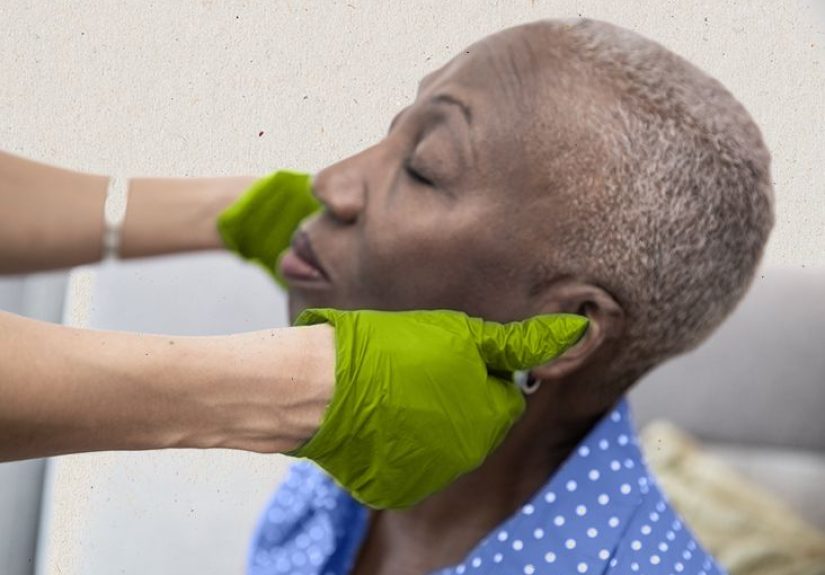
During the exam, the provider may check the size, tenderness, texture, warmth, mobility, and location of the node. Depending on the findings, tests may include blood work, throat swab, imaging, or biopsy. A biopsy means taking a sample of tissue to examine under a microscope. It is not needed for every swollen node, but it can be important when swelling is unexplained, persistent, or suspicious.
Can You Prevent Swollen Lymph Nodes?
You cannot prevent every swollen lymph node, and honestly, you would not want to. Swelling is often a sign that your immune system is responding appropriately. However, you can reduce preventable triggers by practicing good hand hygiene, caring for cuts promptly, staying current with recommended vaccines, treating dental problems early, using safer sex practices, avoiding tick bites, and seeking care for infections before they spread.
Healthy habits also support the immune system. Regular sleep, balanced meals, exercise, hydration, and not smoking all help the body do its normal repair and defense work. No smoothie, supplement, or “lymph cleanse” can magically detox the lymphatic system. The body already has a sophisticated cleanup crew; it mostly needs reasonable care, not a dramatic juice ritual wearing a cape.
What Not to Do When You Find a Swollen Lymph Node
Do not squeeze, poke, or repeatedly check the node every ten minutes. Constant pressing can irritate the area and make it more tender. Do not assume every swollen node is cancer, but do not ignore persistent warning signs either. Do not take leftover antibiotics, because the wrong medication can delay proper care and contribute to antibiotic resistance. And please, do not let an internet rabbit hole diagnose you at 2:00 a.m.; that rabbit hole has terrible bedside manner.
A reasonable approach is to notice the node, consider recent symptoms or injuries, avoid irritating it, and monitor whether it improves. If there are red flags or uncertainty, schedule a medical evaluation. Peace of mind is a valid reason to ask a professional.
Everyday Examples: What Swollen Lymph Nodes May Mean
Example 1: A Tender Neck Lump During a Sore Throat
A person develops a sore throat, mild fever, and tender lymph nodes under the jaw. This pattern commonly occurs with viral infections or strep throat. If symptoms are severe, persistent, or include high fever or trouble swallowing, a medical visit can help determine whether testing or treatment is needed.
Example 2: Armpit Swelling After Skin Irritation
Someone notices a tender armpit node after shaving irritation or an inflamed hair follicle. The nearby lymph node may react to local skin inflammation. If redness spreads, pain worsens, pus appears, or fever develops, the area should be checked for possible infection.
Example 3: A Hard, Painless Node That Keeps Growing
A firm, painless lymph node that grows over several weeks without signs of infection should be evaluated. It may still have a benign cause, but persistence, firmness, and growth are features clinicians investigate carefully.
Experience-Based Insights About Lymph Nodes, Location, and Signs of Disease
Many people first learn about lymph nodes during a very ordinary illness. A scratchy throat arrives, the nose starts running, and then a small bump appears under the jaw. The discovery can be unsettling, especially because the word “node” sounds more technical than comforting. But in everyday experience, tender neck nodes during a cold often behave like immune-system activity markers. They swell, feel sore for a few days, and gradually settle down as the infection improves.
One practical lesson is that location tells a story. A swollen node in the neck often points attention toward the throat, ears, scalp, teeth, or sinuses. A groin node encourages a closer look at the feet, legs, genital area, or lower abdomen. An armpit node may relate to the arm, chest wall, breast, or skin. This does not mean the location gives a complete diagnosis, but it helps organize the possibilities. The body is not random; it often leaves clues in neighborhoods.
Another experience many people share is the temptation to keep checking the lump. At first, checking feels responsible. By the 37th check of the day, it becomes a hobby with no benefits. Repeated poking can make the area sore and may convince the person the node is “getting worse” when it is simply irritated. A better approach is to check gently once in a while, note whether it is shrinking or growing, and pay attention to whole-body symptoms.
Parents often notice lymph nodes in children, especially around the neck. Kids catch frequent respiratory infections, and their immune systems are busy learning the world’s germ collection. Small, movable neck nodes can sometimes remain noticeable after infections. Still, children should be evaluated if nodes are large, very painful, red, warm, rapidly growing, above the collarbone, or associated with persistent fever, weight loss, night sweats, unusual tiredness, or other concerning symptoms.
Adults often become more concerned when a node appears without an obvious illness. That concern is understandable. If there is no recent cold, dental problem, skin infection, injury, vaccination, or other explanation, it is reasonable to watch briefly if the node is small, soft, and not worsening. However, a node that lasts beyond a few weeks, grows, feels hard or fixed, or appears with systemic symptoms should be assessed. The goal is not fear; the goal is timely clarity.
People who have had cancer or who are undergoing cancer screening may experience lymph node anxiety more intensely. For them, even a small lump can trigger memories, fears, or urgent questions. In that situation, contacting the healthcare team is wise. A clinician who knows the person’s history can decide whether the swelling fits a harmless pattern or needs imaging, lab work, or biopsy.
The most useful mindset is balanced attention. Swollen lymph nodes are common, and most are not cancer. At the same time, lymph nodes can reveal infections, immune conditions, and sometimes serious disease. Listening to the body means neither ignoring every sign nor treating every bump as disaster. It means observing changes, looking at the full symptom picture, and getting medical help when the pattern calls for it.
Conclusion
Lymph nodes are small but powerful parts of the immune system. They filter lymph fluid, help fight infection, and often swell when the body is responding to germs, inflammation, injury, or disease. Common lymph node locations include the neck, under the jaw, behind the ears, armpits, groin, chest, abdomen, and pelvis. Swollen lymph nodes are often linked to infections, but persistent, hard, fixed, painless, or unexplained swelling should be evaluated.
The smartest response to lymph node changes is calm curiosity. Notice the location, consider recent symptoms, avoid constant poking, and watch for improvement. If swelling lasts longer than two to four weeks, continues to grow, appears above the collarbone, or comes with fever, night sweats, unexplained weight loss, fatigue, or other concerning symptoms, contact a healthcare professional. Lymph nodes may be small, but when they speak up, they are worth listening to.
Note: This article is for educational purposes only and does not replace professional medical advice, diagnosis, or treatment. Anyone concerned about swollen lymph nodes or symptoms of disease should contact a qualified healthcare professional.






 Close
Close