
Table of Contents >> Show >> Hide
- First: Do Not Identify a Bug by Color Alone
- Common Tiny Brown Bugs Found Inside Homes
- 1. Carpet Beetles: Small Beetles With Big Appetites for Natural Fibers
- 2. Pantry Beetles: Tiny Brown Bugs With a Taste for Dry Food
- 3. Booklice: Tiny Brown Bugs That Love Humidity More Than Books
- 4. Weevils: Tiny Brown Beetles With Noticeable Snouts
- 5. Bark Beetles and Firewood Beetles: Guests From the Log Pile
- 6. Ants: Tiny Brown Bugs That Travel Like They Have a Group Chat
- 7. Clover Mites and Other Outdoor Hitchhikers
- Could Tiny Brown Bugs Be Bed Bugs?
- How to Identify Tiny Brown Bugs Before Treating Them
- How to Get Rid of Tiny Brown Bugs Naturally and Safely
- When Should You Call a Pest Professional?
- Real-Life Experiences With Tiny Brown Bugs Inside the House
- Final Thoughts
- SEO Tags
You spot one tiny brown bug near the windowsill. Then another appears by the pantry. Suddenly, your home feels less like a peaceful retreat and more like an audition for a very low-budget nature documentary.
Before declaring war on every speck that moves, take a breath. “Tiny brown bugs” can describe several different household visitors, and the right solution depends on where you find them, what they look like, and what they seem interested in eating. Some are harmless wanderers that took a wrong turn indoors. Others are clues that food, fabric, moisture, or cracks around your home deserve attention.
This guide explains the most common tiny brown bugs found inside houses, how to identify them, what attracts them, and how to get rid of them without turning your living room into a chemical laboratory.
First: Do Not Identify a Bug by Color Alone
Brown is the insect world’s version of gray sweatpants: almost everyone has it. A tiny brown bug could be a carpet beetle, pantry beetle, booklouse, weevil, ant, clover mite, bed bug, bark beetle, or a random outdoor insect that accidentally found an open window.
The best clues are usually not the bug’s color. Instead, pay attention to its shape, size, location, behavior, and the nearby evidence. Is it round and beetle-like? Does it have a narrow waist like an ant? Is it crawling around flour, pet food, books, wool sweaters, potted plants, or window frames? Does it jump, fly, gather in a line, or appear only in damp spaces?
Think of yourself as a tiny-bug detective. You do not need a trench coat, although one may add emotional support.
A Quick Tiny Brown Bug Checklist
- Near cereal, flour, spices, birdseed, or pet food: likely pantry pests or weevils.
- Near wool, lint, closets, rugs, or upholstered furniture: possibly carpet beetles.
- Near books, cardboard, damp cabinets, or bathroom areas: booklice may be involved.
- Near windows, doors, firewood, or light fixtures: often outdoor beetles or seasonal invaders.
- In a marching line toward crumbs or moisture: likely ants.
- Near beds, mattress seams, or furniture cracks: inspect carefully for bed bug signs and consider professional help.
Common Tiny Brown Bugs Found Inside Homes
1. Carpet Beetles: Small Beetles With Big Appetites for Natural Fibers
Carpet beetles are one of the most common answers to the question, “What are these tiny brown bugs in my house?” Adult carpet beetles are small, oval beetles that may look brown, black, tan, or mottled with lighter markings. They often appear near windows because adults are attracted to light.
The adult beetles are usually more annoying than destructive. The larvae are the real fabric-foodies. Carpet beetle larvae can feed on natural materials such as wool, silk, feathers, fur, leather, pet hair, lint, dead insects, and some upholstered fabrics. They may look like tiny fuzzy caterpillars or bristly brown-and-tan larvae.
You might find them in closets, under furniture, along baseboards, inside stored blankets, or beneath rugs. They tend to enjoy quiet, undisturbed places where lint and pet hair collect like tiny snack buffets.
What to Do About Carpet Beetles
- Vacuum rugs, baseboards, closets, upholstered furniture, and under beds thoroughly.
- Wash or dry-clean natural-fiber clothing and blankets before long-term storage.
- Store wool, silk, feathers, and seasonal textiles in sealed containers.
- Remove lint, pet hair, dead insects, and forgotten items from closets and storage spaces.
- Inspect attic spaces, wall voids, and rarely used areas for old nests, dead rodents, or insect remains.
One carpet beetle near a window may simply be an adult visitor. Repeated sightings of larvae or damaged fabrics mean it is time for a more serious cleanup mission.
2. Pantry Beetles: Tiny Brown Bugs With a Taste for Dry Food
If the mystery bugs are hanging around your kitchen, pantry, garage, or pet-food bin, pantry pests are a strong possibility. These insects include flour beetles, sawtoothed grain beetles, cigarette beetles, drugstore beetles, and other small beetles that feed on stored dry goods.
They may be reddish-brown, dark brown, narrow, oval, or hump-backed. Some are so small that they look like moving crumbs. Sadly, moving crumbs are rarely a sign of a charming kitchen miracle.
Pantry pests can infest flour, cereal, rice, pasta, crackers, nuts, dried fruit, chocolate, spices, dried herbs, tea, birdseed, pet food, and baking mixes. Finding a beetle in one cabinet does not always mean the source is in that exact cabinet. Adult insects can wander or fly away from the original food package.
How to Remove Pantry Beetles
- Empty the affected pantry shelves completely.
- Inspect every opened package, including items that look fine from the outside.
- Discard food with live insects, larvae, webbing, unusual dust, holes, or suspicious movement.
- Vacuum shelf corners, cracks, shelf-pin holes, and seams.
- Wipe shelves and let them dry fully.
- Store replacement food in airtight glass, metal, or sturdy plastic containers.
A common mistake is spraying insecticide inside food cabinets before finding the infested product. The better approach is to remove the food source first. Bugs cannot hold a pantry convention if there is no buffet.
3. Booklice: Tiny Brown Bugs That Love Humidity More Than Books
Booklice, also called psocids, are extremely small, soft-bodied insects that may be white, gray, or light brown. Despite their name, they are not true lice, do not live on people, and are not interested in your hair.
They are often found around books, cardboard boxes, paper products, damp cabinets, stored items, basements, bathrooms, and areas with mold or mildew. Booklice feed on mold spores and fungi, so their presence can be a useful clue that moisture is lingering somewhere it should not.
They may look like tiny pale dots that move slowly across a shelf or page. Because they are so small, people sometimes mistake them for dust until the “dust” begins commuting across the countertop.
How to Get Rid of Booklice
- Lower indoor humidity and improve airflow in damp rooms.
- Repair plumbing leaks, condensation problems, and water-damaged materials.
- Clean mold and mildew safely and thoroughly.
- Allow damp cardboard, books, and stored items to dry before storing them.
- Use sealed containers for paper goods or valuables in humid spaces.
With booklice, the goal is not just killing the insects. It is changing the damp conditions that made the space attractive in the first place.
4. Weevils: Tiny Brown Beetles With Noticeable Snouts
Rice weevils and granary weevils are pantry pests commonly found in whole grains and grain products. They are usually narrow, brown to reddish-brown beetles with a distinctive snout. That snout gives them a slightly cartoonish look, as if they are wearing tiny insect noses for a costume party.
Weevils may appear in rice, pasta, cereal, birdseed, dry beans, flour, pet food, and other stored grain-based foods. Adult weevils may wander toward windows or other rooms, so do not assume the problem began wherever you saw the beetle.
The treatment is similar to other pantry pests: find the source, discard infested food, vacuum thoroughly, and store new dry goods in sealed containers.
5. Bark Beetles and Firewood Beetles: Guests From the Log Pile
Tiny brown beetles near a fireplace, wood basket, windowsill, or stack of firewood may have emerged from firewood brought indoors. Bark beetles and other wood-associated insects can emerge from logs as they warm up indoors.
These insects are usually nuisance visitors rather than a sign that your furniture or home framing is being eaten. They often emerge from the bark of firewood, crawl toward light, and create a brief panic before disappearing into the vacuum cleaner.
To prevent this problem, bring in only enough firewood for a day or two at a time. Keep the main woodpile outside and away from the house when possible.
6. Ants: Tiny Brown Bugs That Travel Like They Have a Group Chat
Small brown ants are common kitchen visitors. Unlike beetles, ants have a narrow waist and elbowed antennae. They often travel in trails, especially near crumbs, sweet spills, pet bowls, sinks, and damp areas.
If you see just a few ants, clean food residue and watch where they travel. If you see a regular trail, focus on sanitation, moisture control, and sealing entry points. Removing the visible ants without addressing the route is like deleting one email while ignoring the entire spam subscription.
Repeated ant activity near wet wood, leaks, or damaged trim can also be a reason to inspect for moisture problems.
7. Clover Mites and Other Outdoor Hitchhikers
Some tiny reddish-brown or brown specks near windows, sunny walls, doors, and screens may be clover mites or other outdoor arthropods. Clover mites are extremely small and can look like moving rust-colored dots. They do not damage people, pets, or household belongings, but they can be annoying when they appear in numbers.
Outdoor insects may enter through tiny gaps around windows, vents, siding, doors, and utility openings. Vacuuming them up and sealing entry points is usually more useful than spraying every inch of the room.
Could Tiny Brown Bugs Be Bed Bugs?
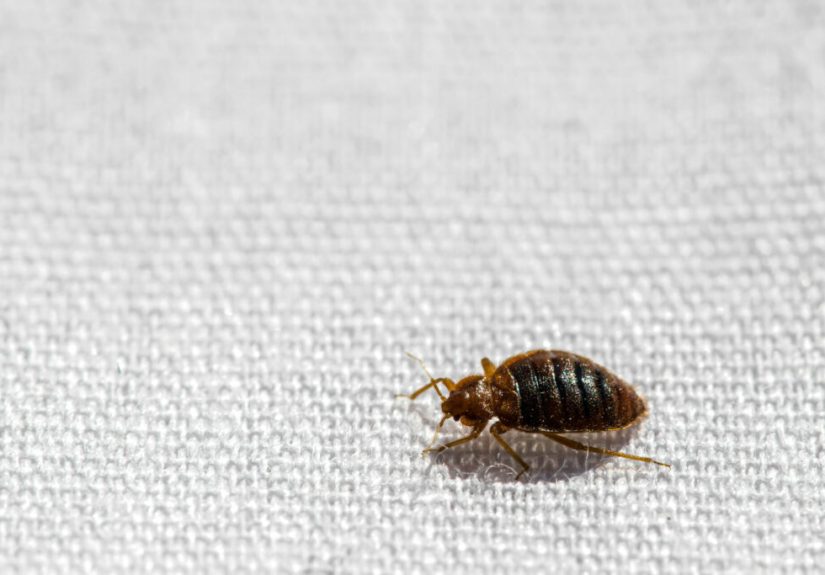
Bed bugs are usually reddish-brown, flat, oval, wingless, and roughly the size of an apple seed when fully grown. They are not normally described as pinhead-sized brown beetles, but young bed bugs can be small enough to confuse people.
Look for context. Bed bugs are more concerning when you find insects around mattress seams, bed frames, headboards, upholstered furniture, luggage, or nearby cracks. Other warning signs can include dark spotting on fabric, shed skins, pale eggs, or unexplained itchy bites.
Do not diagnose bed bugs from bites alone, since many skin conditions and other insects can cause similar irritation. Capture a specimen in a sealed container or take clear photos, then seek identification from a qualified pest professional or local extension service. If bed bugs are confirmed, professional treatment is often the most reliable route.
How to Identify Tiny Brown Bugs Before Treating Them
Use the Location as Your Main Clue
Start with a simple map of where you see the insects. Write down the room, date, time, nearby items, and whether the bugs crawl, fly, jump, or gather in groups. This may sound dramatic, but a small notebook can solve a pest mystery faster than panic-buying five different sprays.
For example, brown beetles near flour point toward stored-food pests. Fuzzy larvae under a wool rug suggest carpet beetles. Tiny pale insects around damp books suggest booklice. Beetles crawling from firewood point toward wood-associated insects. Small brown insects marching near a sink may be ants.
Collect a Sample
Use clear tape, a small sealed container, or a zip-top bag to save a specimen. Take several close photos next to a coin for scale. Good identification prevents wasted money and unnecessary pesticide use.
Inspect the Nearby Source
Check food packages, pet-food containers, birdseed, natural-fiber textiles, closet corners, window sills, cardboard boxes, potted plants, plumbing areas, and firewood. Most indoor insect problems become easier once you find the source rather than chasing the wandering adults.
How to Get Rid of Tiny Brown Bugs Naturally and Safely
The most effective approach is integrated pest management: identify the insect, remove what it needs, block entry, monitor activity, and use targeted treatment only when necessary.
1. Clean the Food, Fabric, and Moisture Sources
Vacuum hidden areas, remove crumbs, clean pantry shelves, wash affected fabrics, discard infested food, and fix leaks. Many tiny brown bugs are attracted to accessible food, lint, mold, humidity, or undisturbed storage areas.
2. Reduce Humidity
Damp basements, bathrooms, laundry rooms, and cabinets can attract booklice, springtails, ants, and other moisture-loving pests. Improve ventilation, repair leaks, run exhaust fans, and use a dehumidifier when needed.
3. Seal the Entry Points
Caulk cracks around windows and doors, repair torn screens, add door sweeps, and seal gaps around pipes and utility lines. Small insects do not need a grand entrance. A gap the width of a credit card can feel like an airport terminal to them.
4. Store Food Properly
Transfer dry pantry goods, pet food, birdseed, and baking ingredients into airtight containers. This protects food from pantry pests and makes future inspections much easier.
5. Avoid Random Indoor Spraying
Foggers and broad indoor sprays can expose people and pets to pesticides without solving the real cause. They are especially unhelpful when the source is hidden inside a food package, a damp wall void, a stack of cardboard, or a forgotten wool blanket.
Use pesticides only when you have identified the pest, understand the label, and know that nonchemical steps are not enough. For a persistent or widespread infestation, hire a licensed pest-management professional.
When Should You Call a Pest Professional?
Call a professional when you suspect bed bugs, termites, cockroaches, recurring ants inside walls, extensive carpet beetle damage, unexplained insect activity in structural wood, or a pest problem that keeps returning after careful cleaning and source removal.
You should also seek help if you notice insects near electrical outlets, inside wall voids, around persistent water damage, or in a rental property where treatment may involve multiple units. A professional can identify the pest and help avoid treating the wrong problem.
Real-Life Experiences With Tiny Brown Bugs Inside the House
Most tiny brown bug stories begin the same way: someone sees one bug, decides it is probably nothing, and then notices three more while making coffee. The emotional journey usually moves from “That is weird” to “Do insects own this house now?” in approximately six minutes.
One common experience involves pantry beetles. A homeowner may see tiny brown beetles crawling near a kitchen window and assume the insects came in from outside. After checking the pantry, they discover that an old bag of birdseed, a forgotten box of pancake mix, or a container of dog treats has become the actual headquarters. The bugs seen near the window were simply adults wandering away from the food source toward light.
Another familiar situation involves carpet beetles. People often spot a tiny fuzzy larva near a closet or bathroom and mistake it for a strange caterpillar. They may vacuum it up and forget about it until they find another one weeks later. The real clue is often hidden under a bed, beneath a rug, or in a closet full of rarely used sweaters. Lint, hair, pet fur, and natural fibers can quietly support carpet beetle larvae for a long time.
Booklice create a different kind of confusion because they are so small. Someone may notice tiny pale-brown specks moving around cardboard boxes in a humid basement or along shelves in a bathroom cabinet. At first, they may assume the bugs are coming from a food package or a plant. Often, the real issue is excess moisture, condensation, or a small leak that has encouraged mold growth. Once the dampness is controlled, the insects usually lose interest in the area.
Firewood beetles also produce dramatic but usually harmless moments. A family brings logs indoors before a cold evening, then discovers several brown beetles crawling around the hearth the next morning. The bugs may look alarming, but many simply emerged from the warming wood. Keeping large amounts of firewood outdoors can prevent the living room from becoming a temporary beetle launchpad.
Ants often teach the most important lesson: the first visible bug is not always the whole problem. A few tiny brown ants may appear near the kitchen sink, and people may immediately kill the ones they see. But unless crumbs, sticky residue, pet-food spills, leaking pipes, or entry gaps are addressed, the next ant shift will arrive right on schedule.
The best experience-based advice is to slow down and look for patterns. Tiny brown bugs may be annoying, but they are also information. They can point to dry food that needs sealing, a humid corner that needs airflow, a closet that needs vacuuming, or a crack that needs caulk. Once you understand what the bugs are trying to use, your home becomes much easier to reclaim.
Note: A clear photo, a saved specimen, and a record of where the insect was found are usually more useful than guessing based on color alone.
Final Thoughts
Tiny brown bugs inside your house are not all the same, and that is good news. Most can be managed by identifying the source, cleaning thoroughly, reducing moisture, protecting food and fabrics, and sealing entry points.
Whether the culprit is a pantry beetle, carpet beetle, weevil, booklouse, ant, or outdoor hitchhiker, the winning strategy is simple: identify first, remove the attraction, and treat only when needed. Your house may never become completely bug-freenature is extremely persistentbut it can absolutely stop being the preferred neighborhood bug resort.






 Close
Close