Table of Contents >> Show >> Hide
- How a Car’s Cooling System Is Supposed to Work
- 1. Low Coolant or a Coolant Leak
- 2. A Stuck or Failing Thermostat
- 3. A Damaged, Clogged, or Blocked Radiator
- 4. A Bad Water Pump or Drive Belt Problem
- 5. The Cooling Fan Is Not Working
- 6. A Blown Head Gasket or Internal Engine Problem
- What to Do Immediately If Your Car Overheats
- How to Prevent a Car From Overheating
- Real-World Overheating Experiences Drivers Commonly Have
- Final Thoughts
Few dashboard moments create instant panic quite like a temperature gauge sprinting toward the red. One minute you are driving normally, and the next your car is acting like it just ran a marathon in a winter coat. An overheating engine is not just annoying. It can turn a minor cooling system issue into a major repair bill if you keep driving and hope for the best.
So, what causes a car to overheat? In most cases, the answer comes down to one simple problem: heat is not leaving the engine the way it should. Your car’s cooling system is supposed to circulate coolant, move heat away from the engine, and release that heat through the radiator. When one part of that system fails, temperatures rise fast.
In this guide, we will break down six common reasons a car overheats, how each problem shows up, and what the proper fix usually looks like. We will also cover what to do when your engine starts running hot, how to avoid expensive damage, and what real-world overheating experiences often look like for everyday drivers.
How a Car’s Cooling System Is Supposed to Work
Before we jump into the reasons, it helps to understand the basic idea. Coolant flows through the engine and absorbs heat. The water pump keeps that coolant moving. The thermostat opens when the engine reaches operating temperature so hot coolant can flow to the radiator. The radiator cools the fluid with passing air and, when needed, the cooling fan. Then the coolant circulates back through the engine to repeat the cycle.
When any of those parts stop doing their job, the engine can overheat. Sometimes the failure is dramatic, like a burst hose and a cloud of steam. Other times it is sneaky, like a thermostat sticking closed or a weak water pump that slowly gives up on life one hot afternoon at a time.
1. Low Coolant or a Coolant Leak
The most common reason for an overheating car is also one of the most obvious: there is not enough coolant in the system. Without enough coolant, the engine cannot shed heat properly. That can happen because the coolant level was never topped off, but more often it means there is a leak somewhere in the system.
Common signs
You may notice a low coolant warning light, a sweet smell under the hood, steam, puddles under the vehicle, or a temperature gauge that climbs higher than normal during traffic or hot weather. In some cases, you might also notice weak cabin heat because the heater core is not getting enough hot coolant.
Where leaks usually happen
Leaks often show up in radiator hoses, the radiator itself, the water pump, hose clamps, the coolant reservoir, or the heater core. Small leaks can be especially annoying because they may not leave a dramatic puddle. Instead, they slowly lower the coolant level until the engine finally starts to overheat at the worst possible time, usually when you are already late.
The fix
Start by checking the coolant level only when the engine is completely cool. If it is low, top it off with the correct coolant specified for your vehicle. Then find and repair the leak. That may mean replacing a cracked hose, a loose clamp, a leaking radiator, a bad reservoir, or a failing water pump. Simply adding coolant without fixing the leak is like putting more water in a bucket with a hole in it. Technically helpful, emotionally misleading.
2. A Stuck or Failing Thermostat
The thermostat is a small part with a big job. It stays closed while the engine warms up and opens once the engine reaches normal operating temperature. If the thermostat sticks closed, coolant cannot flow to the radiator, and heat gets trapped inside the engine. That is a fast track to overheating.
Common signs
A bad thermostat can cause sudden temperature spikes, overheating after several minutes of driving, coolant overflow, or inconsistent heater performance. Some drivers also notice the upper radiator hose staying cooler than expected because hot coolant is not flowing through the radiator correctly.
Why it happens
Thermostats wear out over time due to age, corrosion, or contaminated coolant. They can also fail partly open or fully open, which causes other problems like poor heater performance and slow warm-up, but the dangerous version is the stuck-closed thermostat that blocks coolant flow.
The fix
The usual repair is thermostat replacement. This is often a straightforward repair, but it should be done properly, with the right thermostat rating, a fresh gasket or seal, and correct coolant refill and bleeding procedures. If air gets trapped in the system afterward, your engine may still run hot, which is not the kind of plot twist anyone wants.
3. A Damaged, Clogged, or Blocked Radiator
The radiator is where the heat escapes. If the radiator cannot transfer heat efficiently, your engine temperature rises. This can happen because of external blockage, internal clogging, corrosion, bent fins, leaks, or even a bad radiator cap that prevents the system from maintaining proper pressure.
Common signs
Your car may overheat at idle or in traffic, run hot on long drives, leak coolant near the radiator, or push coolant into the overflow reservoir. You may also notice visible debris like leaves, dirt, bugs, or road grime stuck in the radiator fins. Glamorous? No. Important? Absolutely.
Why the radiator fails
Old coolant can create deposits that restrict flow inside the radiator. Outside the radiator, debris can block airflow. Damage from road debris can puncture the core, and neglect can corrode the system over time. A weak radiator cap can also lower pressure in the cooling system, allowing coolant to boil sooner than it should.
The fix
Light external blockage can often be cleaned carefully. Internal clogging may require a cooling system flush, though a severely clogged or leaking radiator often needs replacement. If the radiator cap is weak or damaged, replacing it is inexpensive and worth doing. Make sure the repair shop also checks for trapped air and verifies coolant circulation after any radiator work.
4. A Bad Water Pump or Drive Belt Problem
The water pump keeps coolant moving through the engine and radiator. If it fails, circulation slows or stops, and overheating follows. On many vehicles, the water pump is powered by a serpentine belt, so a worn, slipping, or broken belt can create the same basic problem.
Common signs
A failing water pump may cause coolant leaks near the pump, whining noises, wobble in the pulley, overheating at all speeds, or repeated overheating even though the coolant level seems okay. In some cases, the pump impeller wears out internally, which means the pump looks fine from the outside but no longer moves coolant effectively.
Why it happens
Water pumps wear out with mileage and age. Bearings can fail, seals can leak, and impellers can corrode or erode. Belts also wear, crack, glaze, or lose tension. If the belt slips, accessories may still look normal for a while, but coolant flow can be reduced enough to cause overheating under load.
The fix
Replace the failing water pump, damaged belt, or both as needed. If one has clearly worn out, it is smart to inspect the related components at the same time. On some engines, the water pump is buried behind other parts, so labor costs can be significant. Still, that repair is far cheaper than replacing an engine that cooked itself because coolant circulation took the day off.
5. The Cooling Fan Is Not Working
When your car is moving at highway speed, air naturally flows through the radiator. But in slow traffic, at idle, or during stop-and-go driving, the cooling fan becomes essential. If the fan motor, relay, fuse, temperature sensor, or fan clutch fails, the radiator cannot dump heat effectively, and the engine overheats.
Common signs
A bad cooling fan often causes overheating mainly in traffic or while idling, while the temperature may improve once the car is moving. You might also notice the air conditioner getting warmer at a stop, since the fan also helps airflow through the A/C condenser on many vehicles.
Why it happens
Electric fan motors can burn out. Relays and fuses can fail. Temperature sensors can send bad information. On older vehicles with mechanical fans, a worn fan clutch may not engage properly. Sometimes the issue is not the fan itself, but the control system that tells the fan when to turn on.
The fix
Diagnose the electrical circuit or the mechanical fan setup, then replace the failed component. That might mean a new fan motor, relay, fuse, sensor, or clutch. Do not ignore a fan issue just because the car cools down once you get moving. The next long red light on a summer day may not be so forgiving.
6. A Blown Head Gasket or Internal Engine Problem
This is the big one. A blown head gasket can allow combustion gases to enter the cooling system or let coolant leak into the engine. Either way, overheating becomes likely, and continued driving can cause severe damage quickly. Internal engine problems are less common than a hose leak or thermostat issue, but they are much more serious.
Common signs
Watch for persistent overheating, white exhaust smoke, coolant loss with no obvious external leak, milky oil, bubbles in the coolant reservoir, rough running, or pressure building in the cooling system unusually fast. Some drivers first notice that the car overheats repeatedly even after coolant is added.
Why it happens
Head gaskets can fail from age, overheating, poor maintenance, or engine design issues. Ironically, one overheating event can damage the head gasket, and then the damaged gasket causes even more overheating. It is the automotive version of kicking over one domino and discovering the rest of the room was also made of dominoes.
The fix
This usually requires professional diagnosis and repair. A chemical block test, compression test, or leak-down test may be used to confirm the problem. Head gasket replacement is labor-intensive and can be expensive, especially if the cylinder head or engine block has warped. If you suspect this issue, driving the car further is a bad gamble.
What to Do Immediately If Your Car Overheats
If your temperature gauge spikes, a warning light comes on, or steam starts rising from under the hood, do not keep driving just to “make it home.” That decision often turns a moderate repair into catastrophic engine damage.
Safer steps to take
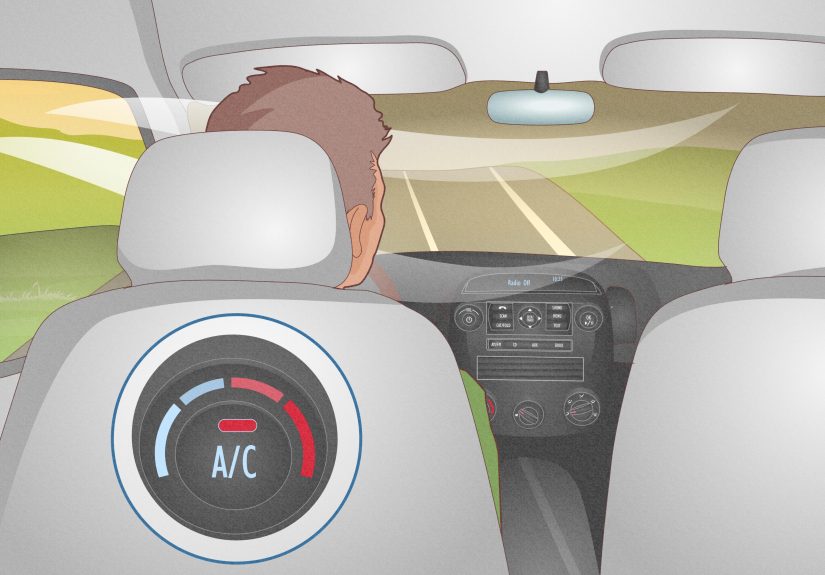
- Turn off the A/C to reduce engine load.
- If needed, turn on the heater to help draw heat away from the engine.
- Pull over somewhere safe as soon as possible.
- Shut off the engine and let it cool down fully.
- Do not remove the radiator cap while the engine is hot.
- Check coolant only after the system has cooled.
- If the car lost coolant rapidly, continues overheating, or shows signs of internal engine damage, call for a tow.
A quick pause here saves money, time, and your future self from giving you a disappointed speech in the mirror.
How to Prevent a Car From Overheating
Overheating problems often grow quietly before they become dramatic. A little preventive maintenance goes a long way.
Smart prevention habits
- Check coolant level regularly.
- Use the correct coolant type for your vehicle.
- Replace coolant at the recommended service interval.
- Inspect hoses, belts, and clamps for wear or leaks.
- Keep the radiator area clean and free of debris.
- Watch for sweet smells, puddles, or rising temperature readings.
- Pay attention if your heater suddenly stops working well, because that can hint at cooling system trouble.
- Do not ignore minor overheating episodes. Engines remember.
Real-World Overheating Experiences Drivers Commonly Have
Many overheating stories start the same way: the driver notices something small and shrugs it off. Maybe the temperature gauge is a little higher than usual in traffic. Maybe there is a faint sweet smell after parking. Maybe the heater starts blowing lukewarm air on a chilly morning. None of those signs feel dramatic, so the car keeps getting driven. Then one day the temperature climbs fast, steam rolls out from under the hood, and the “small issue” suddenly has a very expensive personality.
One common experience happens during summer traffic. The car feels fine on the highway, but once it sits through a few long stoplights, the gauge starts creeping up. Drivers often assume the engine is only reacting to hot weather, when the real problem is frequently a cooling fan that is not kicking on. The moment the vehicle starts moving again, airflow through the radiator improves and the temperature drops, which makes the issue look random when it really is not.
Another typical scenario is the “mystery coolant disappearance.” A driver tops off the reservoir and everything seems normal for a week or two. Then the coolant level drops again. There may be no obvious puddle under the car, just a faint smell and an occasional hot-running episode. This often points to a small hose leak, a weak water pump seal, or a radiator seep that only shows up when the system is hot and pressurized. In real life, these are the leaks that fool people because the evidence likes to show up only when nobody is looking.
Some drivers experience overheating after another repair and assume the new part failed immediately. Sometimes that is true, but often the issue is trapped air in the cooling system after a coolant change, thermostat replacement, or radiator work. Air pockets can prevent coolant from circulating correctly, causing temperature spikes and inconsistent cabin heat. It is frustrating because the driver just paid for service and expects the problem to be gone, yet the car is still acting like it has opinions.
Then there is the dreaded repeat overheat. The driver adds coolant, waits for the engine to cool, and the car seems fine again, at least for a little while. But the overheating keeps returning, especially on longer drives or uphill grades. That pattern can point to a sticking thermostat, a restricted radiator, or in more serious cases, a head gasket issue. Many people lose money here by replacing one cheap part after another without doing a complete diagnosis.
Cold-weather overheating also surprises people. A lot of drivers assume overheating is only a summer problem, but engines can overheat in winter too. Thick fluids, thermostat issues, blocked coolant flow, and low coolant do not care what month it is. In fact, some drivers only discover a cooling problem when their heater stops blowing hot air, which is a pretty rude way for a car to introduce itself in January.
The biggest lesson from real overheating experiences is this: the first symptom usually matters. A rising gauge, weak heater performance, random coolant loss, or steam after a drive is your early warning. Catching the issue at that stage may mean a hose, thermostat, or fan repair. Ignoring it may mean warped metal, a blown head gasket, or an engine that has officially retired without giving proper notice.
Final Thoughts
If you have been asking, “What causes a car to overheat?” the answer is usually one of six troublemakers: low coolant or a leak, thermostat failure, radiator problems, water pump or belt failure, cooling fan issues, or a blown head gasket. All of them interfere with the cooling system’s ability to move heat away from the engine.
The good news is that many overheating causes can be caught early. If you respond quickly, inspect the cooling system, and repair problems before they snowball, you can avoid the kind of engine damage that empties wallets and ruins weekends. So if your temperature gauge starts climbing, do not negotiate with it. Pull over, let the engine cool, and take the warning seriously.
Your engine likes staying cool. Your bank account does too.