Table of Contents >> Show >> Hide
- What Does Open Box Mean?
- Is Open Box the Same as Used?
- Open Box vs. Refurbished vs. Renewed vs. Clearance
- Why Are Open Box Items Cheaper?
- Are Open Box Items Safe to Buy?
- Pros of Buying Open Box Items
- Cons and Risks of Buying Open Box Items
- Best Products to Buy Open Box
- Products to Be Careful Buying Open Box
- How to Inspect an Open Box Item Before Buying
- How Much Should You Save on Open Box Items?
- Open Box Buying Examples
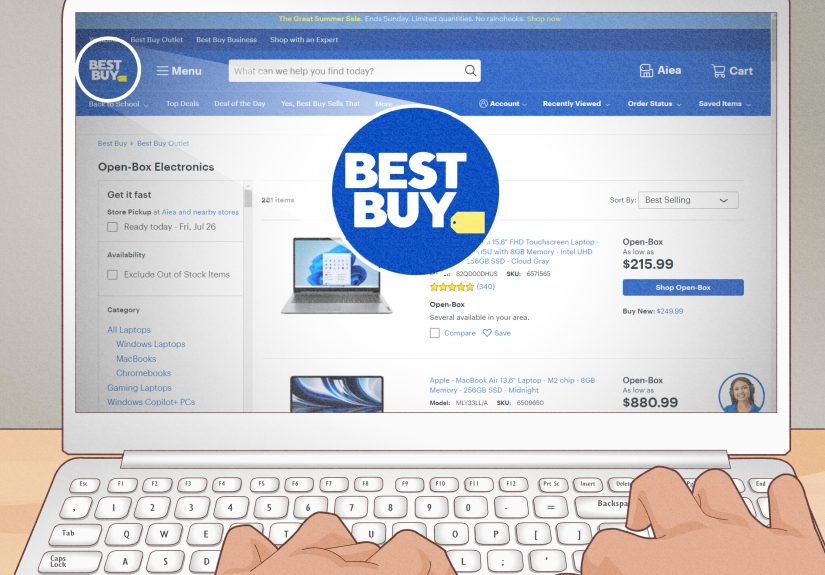
- Should You Buy Open Box Online?
- Open Box Return Policies: What to Know
- Open Box Warranty: The Fine Print That Matters
- Is Open Box Worth It?
- Real-World Experiences: What Buying Open Box Actually Feels Like
- Conclusion
Buying something labeled open box can feel a little like adopting a puppy from a shelter: it may be perfectly wonderful, slightly misunderstood, and possibly missing one tiny accessory you did not realize mattered until Saturday night. But when you know what “open box” actually means, these deals can be a smart way to save money on electronics, appliances, cameras, furniture, tools, and home goods without jumping blindly into the land of “used but mysterious.”
In simple terms, an open box item is a product whose original packaging has been opened and that has been returned, displayed, inspected, or otherwise separated from the “brand-new sealed box” category. It is usually resold at a discount because the retailer can no longer honestly call it factory sealed. That does not automatically mean it is broken, worn out, or cursed by the previous owner’s bad Wi-Fi. In many cases, the item was barely touched.
Still, open box shopping requires a sharper eye than buying new. You need to understand condition grades, return windows, warranties, accessories, and the difference between open box, refurbished, used, renewed, and clearance. This guide breaks it all down in plain English so you can shop confidently, save wisely, and avoid buying a “great deal” that becomes a very expensive paperweight.
What Does Open Box Mean?
Open box means the product packaging has been opened and the item is being resold after inspection. The original seal may be broken, the box may be damaged, the product may have been returned by a customer, or it may have been used as a display model. Retailers typically check that the item works before listing it again, then mark it down based on condition.
Common reasons an item becomes open box include:
- A customer bought it, opened it, and returned it within the return window.
- The packaging was damaged during shipping or handling.
- The item was used as a floor display or demonstration unit.
- The buyer changed their mind after briefly testing it.
- The item was missing packaging, manuals, or minor accessories.
- The product was returned because it did not fit the buyer’s needs, not because it failed.
For example, someone might buy a laptop, open it, realize it is too heavy for school or travel, and return it the next day. The retailer cannot sell that laptop as brand new anymore, even if it has only been powered on once. So it becomes an open box laptop, usually with a lower price and a condition label such as “Excellent,” “Very Good,” “Good,” or “Fair.”
Is Open Box the Same as Used?
Open box and used are related, but they are not always the same thing. A used item usually means it has had previous ownership and meaningful use. An open box item may have been owned briefly, opened only once, or returned without much use at all. Think of open box as the “I tried it on, but it was not my size” category of retail.
That said, open box items can show signs of handling. A TV might have a small scuff on the stand. A refrigerator might have a scratch on the side panel. A camera lens might be flawless but arrive in a replacement box. A gaming headset might work perfectly but be missing the original manual that nobody reads until something goes wrong.
The key is this: open box describes the item’s retail status, not a universal quality level. One store’s open box product might be almost new. Another store’s open box item might be missing accessories or have visible cosmetic wear. Always read the exact condition notes.
Open Box vs. Refurbished vs. Renewed vs. Clearance
Retailers love labels. Sometimes those labels help. Sometimes they make shopping feel like decoding a government form with a coupon attached. Here is the practical difference.
Open Box
An open box product has been opened and returned, displayed, or repackaged. It is often inspected and confirmed to work, but it may not have gone through deep repair or restoration. Accessories may or may not be complete, depending on the seller.
Refurbished
A refurbished item has usually been returned, tested, repaired if needed, cleaned, and restored to a working condition. Manufacturer-refurbished products often offer stronger quality control than random third-party refurbished listings. For example, many major brands and marketplaces sell certified refurbished electronics with defined warranty periods.
Renewed
Renewed is often a marketplace term for inspected and tested refurbished or pre-owned products. Amazon Renewed, for instance, is separate from basic open box resale and generally focuses on items that have been professionally inspected, tested, and backed by a specific guarantee period.
Clearance
Clearance items are usually new products being sold at a discount because they are discontinued, overstocked, seasonal, or being replaced by newer models. A clearance product can still be factory sealed. Open box is discounted because the packaging or item status has changed.
Why Are Open Box Items Cheaper?
Open box items are cheaper because shoppers generally prefer sealed, untouched products. Once the box is opened, the retailer loses the ability to sell it as brand new. That creates an opportunity for bargain hunters.
The discount depends on the product category, condition, demand, missing accessories, cosmetic marks, and return policy. A nearly perfect open box laptop may only be 10% off. A large appliance with a dent on the side nobody will see once it is installed might be 30% off or more. A TV missing its original stand may be heavily discounted, but only useful if you plan to wall-mount it anyway.
Open box pricing is often most attractive when the flaw is cosmetic rather than functional. A scratch on the back of a washing machine? Probably not a big deal. A scratch across the center of a monitor? That is not a discount; that is a daily annoyance with a power cord.
Are Open Box Items Safe to Buy?
Yes, open box items can be safe to buy when they come from reputable retailers with clear condition descriptions, return policies, and warranty information. Stores such as major electronics retailers, camera shops, marketplaces, and manufacturer outlets often inspect open box products before resale. Many also list condition categories so buyers know whether the item is like new, lightly marked, or missing parts.
However, “safe” does not mean “automatic buy.” Open box purchases require a little detective work. Before checking out, confirm the return window, warranty coverage, included accessories, and whether the item has been tested. If the listing says “missing power adapter,” do not assume the power adapter fairy will visit your porch later.
Pros of Buying Open Box Items
1. You Can Save Real Money
The biggest advantage is price. Open box deals can offer meaningful savings on expensive products such as laptops, tablets, monitors, TVs, cameras, soundbars, kitchen appliances, and smart home devices. If the product is in excellent condition, the savings can feel like finding money in an old jacket, except the jacket has HDMI ports.
2. The Item May Be Nearly New
Many open box items were returned quickly. The buyer may have ordered the wrong color, changed their mind, or realized the product did not fit their setup. In those cases, the next buyer can get a nearly new product at a lower price.
3. Retailers Often Inspect Before Reselling
Reputable sellers usually inspect open box products before putting them back on the shelf. Some restore devices to factory settings, check basic functions, clean the item, and disclose visible wear. The inspection level varies by retailer, so read the listing carefully.
4. It Can Be Better for the Environment
Buying open box helps keep usable products in circulation. That matters especially for electronics, appliances, and other resource-heavy goods. Reusing a working item can reduce waste and delay the need for disposal or recycling.
Cons and Risks of Buying Open Box Items
1. Accessories May Be Missing
This is one of the most common surprises. An open box printer may not include starter ink. A laptop may lack the original documentation. A TV may be missing screws, a stand, or a remote. A camera may arrive without a strap or lens cap. Sometimes this is clearly disclosed; sometimes it hides in tiny listing text like a gremlin in legal pajamas.
2. Warranty Coverage Can Vary
Some open box items include the full manufacturer warranty. Others include a shorter retailer warranty. Some may have limited or no manufacturer support if the original owner registered the product. Warranty rules vary widely by seller, brand, and product category.
3. Cosmetic Wear May Matter More Than Expected
A small dent on a dryer may be harmless. A small dent on a laptop lid may bother you every day. A tiny scratch on a phone screen may be unacceptable if you are picky about displays. Decide what kind of wear you can live with before the discount starts whispering sweet nonsense into your wallet.
4. Inventory Is Limited
Open box deals are usually one-off listings. If someone else buys it first, there may not be another identical item at the same price. That creates pressure to move quickly, but you should still slow down enough to inspect the details.
Best Products to Buy Open Box
Some categories are especially good candidates for open box shopping because condition is easy to inspect and savings can be substantial.
- Monitors: Check for dead pixels, scratches, ports, and included cables.
- TVs: Great deals are possible, especially if you can inspect the screen and confirm the remote and stand are included.
- Laptops and tablets: Look for battery health, charger, warranty, and factory reset status.
- Speakers and soundbars: Test sound output, Bluetooth, ports, remote, and power cable.
- Major appliances: Cosmetic dents can produce big discounts if the machine works properly.
- Cameras and lenses: Buy from reputable camera retailers that grade condition and provide return options.
- Small kitchen appliances: Mixers, air fryers, and coffee makers can be good buys if clean, complete, and returnable.
Products to Be Careful Buying Open Box
Not every discount is worth the risk. Be extra cautious with items where hygiene, hidden wear, safety, or missing parts matter.
- Earbuds and headphones: Hygiene and battery wear can be concerns.
- Mattresses and bedding: Return rules and cleanliness standards vary.
- Personal care devices: Razors, toothbrushes, and grooming tools are usually better purchased new.
- Baby gear: Safety standards, recalls, and missing components require careful checking.
- High-end phones: Verify battery health, activation lock status, carrier compatibility, and warranty.
- Products with consumables: Printers, filters, and coffee machines may need replacement supplies immediately.
How to Inspect an Open Box Item Before Buying
If you are buying in a store, ask to inspect the item before paying. If you are buying online, zoom in on photos, read every condition note, and save screenshots of the listing. Your future self may need them if the item arrives looking like it fought a raccoon.
Use This Open Box Checklist
- Confirm the exact model number, not just the product name.
- Compare the open box price with the current new price.
- Check the condition grade and what it means.
- Read whether original packaging is included.
- Confirm all essential accessories are included.
- Check the return window and restocking fees.
- Verify warranty coverage and who provides it.
- Look for signs of heavy use, damage, or missing parts.
- For electronics, confirm the item has been reset and unlocked.
- Test the item immediately after purchase.
How Much Should You Save on Open Box Items?
A good open box discount depends on risk. If the item is nearly perfect and includes a normal warranty, a 10% to 20% discount may be worthwhile. If it is missing accessories, has visible damage, or comes with a shorter return window, the discount should be much larger.
Here is a practical rule: if the savings are small, buy new. Saving $15 on a $600 device may not be worth reduced certainty. Saving $150 on the same device, with a return option and full accessories, is a different conversation. That conversation usually includes the phrase, “Well, that is actually pretty smart.”
Open Box Buying Examples
Example 1: The Open Box TV
You find a 55-inch smart TV listed as open box excellent. The screen is clean, the remote is included, and the return window is the same as new items. The box is not original, but you plan to set it up immediately. This is often a strong open box candidate.
Example 2: The Open Box Laptop
A laptop is 18% off because it was returned. It includes the charger and looks clean, but the listing does not mention battery health or warranty. Before buying, confirm the serial number, warranty start date, battery cycle count if possible, and return policy.
Example 3: The Open Box Appliance
A dishwasher has a dent on the side panel and is 30% off. Since that side will face a cabinet, the cosmetic flaw does not matter. If the appliance is fully functional and covered by a clear return or warranty policy, this can be an excellent deal.
Should You Buy Open Box Online?
Buying open box online can be smart, but the listing must be detailed. Look for multiple photos, specific condition notes, accessory lists, warranty information, and a clear return process. Avoid vague listings that only say “open box, works great” with no details. That phrase has the same energy as “trust me, bro,” and your credit card deserves better.
When shopping online, buy from retailers or marketplaces with buyer protection. Save the listing, order confirmation, and condition description. When the package arrives, inspect it immediately, take photos, and test every major function before the return window gets sneaky and expires.
Open Box Return Policies: What to Know
Return policies are not identical across retailers. Some allow open box returns within the same window as new products. Others have shorter windows, final-sale rules, restocking fees, or category exceptions. Large items may also have different return shipping rules, especially appliances, furniture, and oversized electronics.
Before buying, ask three questions:
- Can I return this open box item if I simply do not like it?
- Who pays return shipping if I bought it online?
- What happens if the item is missing something the listing promised?
If the answers are unclear, pause. A good deal should not require a law degree and a flashlight.
Open Box Warranty: The Fine Print That Matters
Warranty coverage can make or break an open box purchase. Some products still qualify for the original manufacturer warranty. Some come with a store warranty. Others may have limited coverage because the original purchase date has already started the warranty clock.
For electronics, check whether the manufacturer recognizes the product as eligible for support. For appliances, ask whether cosmetic damage affects coverage. For cameras and lenses, verify whether the warranty is from the manufacturer or the retailer. For marketplace purchases, check whether protection is included or sold separately.
Do not assume. Warranty assumptions are where savings go to quietly disappear.
Is Open Box Worth It?
Open box is worth it when the discount is meaningful, the seller is reputable, the condition is clearly described, the accessories are complete enough for your needs, and the return policy gives you time to test the item. It is not worth it when the discount is tiny, the description is vague, the warranty is weak, or the product category is risky.
The best open box shoppers are not reckless. They are curious, patient, and slightly suspicious in a healthy way. They compare prices, read condition notes, and test items quickly. They know that “opened” is not the same as “bad,” but they also know that “discounted” is not the same as “good deal.”
Real-World Experiences: What Buying Open Box Actually Feels Like
Open box shopping is one of those experiences that can make you feel like a genius or a detective, sometimes both in the same afternoon. The best experience usually starts with research. You spot a product you already wanted, compare the new price, notice the open box version, and then begin the little ritual: checking the model number, reading the condition notes, zooming in on photos, and trying to determine whether “minor cosmetic wear” means “tiny scratch” or “survived a garage tumble.”
One common positive experience is buying open box electronics. A shopper might find a monitor marked down because the original box was damaged. The screen is flawless, the cables are included, and the stand has never been assembled. After plugging it in and checking for dead pixels, the buyer gets the same everyday experience as buying new, only with extra money left over for snacks, software, or the emotional support coffee required to set up a home office.
Another good experience often happens with appliances. Large appliances are expensive, and cosmetic flaws can create big discounts. A refrigerator with a scratch on the side may be a fantastic buy if that side faces a wall. A washer with a small dent may perform exactly like a new one. In these cases, open box buying feels practical rather than risky. You are not paying for perfection; you are paying for performance.
But there are also lessons learned the hard way. Many open box surprises involve missing accessories. A TV without a remote is annoying. A laptop without the correct charger is more than annoying; it is a scavenger hunt. A camera without a battery turns your exciting new purchase into a very expensive rectangle. That is why experienced open box buyers always ask, “What is included?” before they ask, “How much do I save?”
Online open box buying adds another layer. The deal may look great, but the description matters. A detailed listing with photos, condition grades, accessory notes, and return information feels trustworthy. A vague listing with one blurry photo and the phrase “tested working” feels like the seller is hiding behind a fog machine. Smart buyers save screenshots of the listing so they can prove what was promised if the item arrives in worse shape.
The biggest personal rule many shoppers develop is simple: test immediately. Do not let an open box laptop sit unopened for two weeks. Do not wait until next month to install the soundbar. Open it, inspect it, plug it in, connect it, update it, and use every important feature while the return window is still open. The return window is not a decoration; it is your safety net.
Open box shopping works best when expectations are realistic. You may not get the perfect unboxing experience. The cardboard may be plain. The manual may be missing. The plastic wrap may already be gone. But if the product works, the price is right, and the seller stands behind it, open box can be one of the smartest ways to buy. It is not about being cheap. It is about refusing to pay full price for cardboard you were going to throw away anyway.
Conclusion
So, what does open box mean? It means the product has been opened, returned, displayed, or repackaged, then resold at a discount after some level of inspection. It may be nearly new, lightly used, cosmetically marked, or missing nonessential accessories. The label alone does not tell the whole story; the condition notes, warranty, return policy, and seller reputation do.
Buying open box items can be a smart move for shoppers who want quality products at lower prices. The best deals usually come from reputable retailers, clear listings, strong return windows, and products with cosmetic flaws that do not affect performance. The worst deals come from vague descriptions, tiny discounts, missing essentials, and weak buyer protection.
Approach open box shopping with curiosity and common sense. Compare prices, inspect carefully, verify what is included, and test quickly. Do that, and you may discover that the only thing better than buying something great is buying something great for less.
Note: Open box policies vary by retailer, product category, and individual listing. Always confirm the exact condition, warranty, return window, and included accessories before purchasing.