
Table of Contents >> Show >> Hide
- Chiminea, defined the non-boring way
- A quick origin story
- How a chiminea works
- Types of chimineas by material
- What do you burn in a chiminea?
- What is a chiminea used for?
- Chiminea safety basics
- Maintenance: how chimineas live longer than one season
- How to choose the right chiminea for your patio
- Chiminea vs fire pit vs patio heater
- Conclusion
- Real-world chiminea experiences (the kind people actually talk about)
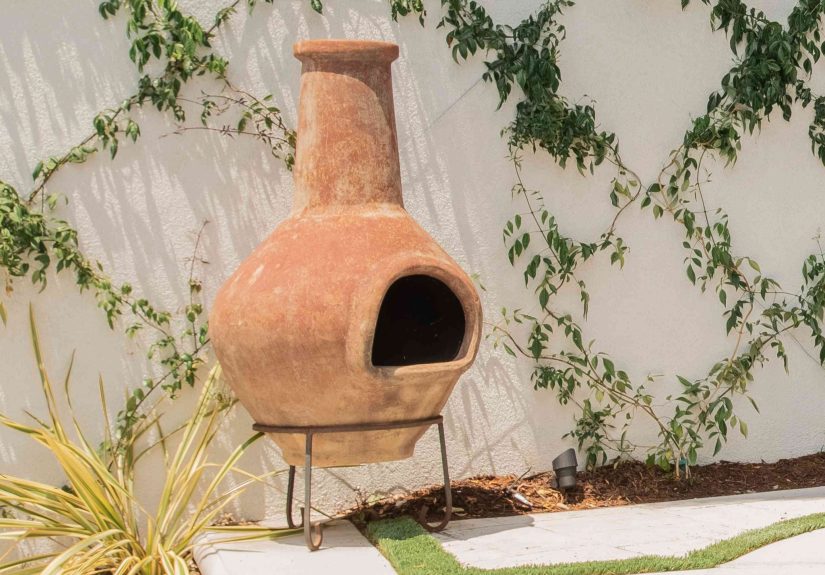
A chiminea (also commonly spelled “chimenea”) is an outdoor fireplace shaped like a rounded belly with a front opening and a vertical chimney on top.
Think “cozy backyard campfire,” but with better manners: the fire stays more contained, and most of the smoke gets invited to leave through the chimney
instead of crashing your conversation like an unannounced relative.
People love chimineas because they’re part heater, part ambiance machine, and (with the right accessories) sometimes part snack station.
They can warm a small patio, create a focal point for outdoor seating, and give you that crackly-fire vibe without needing a full built-in outdoor hearth.
Chiminea, defined the non-boring way
At its core, a chiminea is a freestanding outdoor fire vessel. The wide base holds the fire, the mouth lets you load fuel and tend the flame,
and the chimney helps direct smoke upward. That design does two practical things:
- It improves smoke flow: warm air rises and pulls smoke up and out.
- It contains the flame: compared with an open fire pit, there’s typically less “spark chaos” out the sides.
That doesn’t mean it’s magic (or that smoke will never drift toward your favorite chair). But the chimney effect can make backyard fires feel
a lot more civilizedespecially when you position your seating with the breeze in mind.
A quick origin story
Chimineas are often associated with traditional clay outdoor stoves used for warmth and cooking in Spanish-speaking regions centuries ago.
The word itself comes from Spanish for “chimney,” which makes the design pretty easy to remember: it’s the fireplace that proudly wears its smoke-stack on top.
Modern chimineas have expanded far beyond classic clay. Today you’ll see everything from rustic terracotta styles to sleek metal silhouettes
that look like they belong in a minimalist backyard magazine spread (the kind where nobody owns a garden hose, somehow).
How a chiminea works
When a fire burns, it heats the air inside the chiminea. That warm air rises up the chimney and exits at the top. As it rises, it helps draw
fresh air in through the front opening, feeding the fire. This “draft” can help the fire burn more efficiently and channel smoke upward.
Is it “smokeless”?
Not exactly. A chiminea can reduce the amount of smoke that lingers at face level, but smoke still depends on fuel quality, airflow, and wind.
Wet wood will smoke. Poor airflow will smoke. Wind will do whatever it wants, because wind is basically a toddler with a physics degree.
Types of chimineas by material
Choosing a chiminea is mostly a “material decision” dressed up in patio-decor clothing. Here’s what the common materials mean in real life.
Clay and terracotta chimineas
This is the classic look: warm, earthy, handmade vibes. Clay chimineas radiate a gentle heat and look amazing in Southwestern, boho,
cottage, and traditional outdoor spaces.
- Pros: iconic style, pleasant radiant warmth, often affordable.
- Cons: can crack if overheated too quickly, doesn’t love sudden temperature changes, needs protection from harsh weather.
Cast iron chimineas
Cast iron is a heat beast. It can handle high temperatures and holds heat well, which can be great for warming a seating area.
The tradeoff is weight and maintenancecast iron is heavy and can rust if neglected.
- Pros: durable, strong heat output, long lifespan with care.
- Cons: heavy, can get extremely hot to the touch, may rust without upkeep.
Steel chimineas
Steel models are common because they balance affordability, heat tolerance, and portability. Many include a mesh door or spark screen,
which helps contain embers while still letting you watch the fire do its mesmerizing little dance.
- Pros: lighter than cast iron, handles high heat, often comes with safety screens.
- Cons: can corrode over time, may not retain heat as long as heavier materials.
Cast aluminum and other modern blends
Some chimineas use cast aluminum or mixed materials to reduce rust issues and weight while keeping a classic chiminea silhouette.
These can be easier to move around and maintaingreat for patios where you rearrange furniture more often than you rearrange your life.
What do you burn in a chiminea?
Most chimineas are designed for wood. Some models also allow charcoal, and a smaller set are built for
gas (or can be converted with manufacturer-approved kits). The key is simple: use only the fuel the product is rated for.
A safety note about liquid fuels
If you’re shopping for any “tabletop flame” products or liquid-fueled fire features, stick closely to manufacturer guidance and current safety advisories.
The safest rule of thumb: if a product’s fuel system seems sketchy or requires refilling near an active flame, it’s not “edgy,” it’s risky.
What is a chiminea used for?
A chiminea can be functional and funlike the Swiss Army knife of backyard coziness (but, you know, on fire).
1) Outdoor heat for small-to-medium spaces
Chimineas shine on patios, small backyards, and intimate seating areas. They’re generally better for “circle of friends” warmth
than for heating an entire open yard.
2) Ambiance and focal point
Design-wise, a chiminea acts like outdoor décor that happens to glow. Clay styles feel rustic and traditional; sleek metal styles
fit modern landscapes; and tall chimneys naturally draw the eye upwardhelpful when you want the space to feel taller and more “finished.”
3) Light cooking (with the right setup)
Some chimineas accept small cooking grates for simple grillingthink hot dogs, skewers, or toasting marshmallows.
The main point isn’t “outdoor gourmet”; it’s “snack + flames = everyone suddenly becomes a poet.”
Chiminea safety basics
Fire features deserve respect. A chiminea is more contained than an open fire pit, but it still produces high heat, sparks, and hot surfaces.
Use these general safety principlesand always follow your local rules and the instructions for your specific unit.
Placement and clearance
- Use a noncombustible base: brick, stone, concrete, or a fire-rated pad are common choices.
- Keep generous distance: avoid placing near fences, overhangs, dry vegetation, or outdoor furniture that can ignite or melt.
- Stability matters: ensure it sits level and secure on its stand so it can’t wobble or tip.
Sparks, smoke, and supervision
- Use a spark screen or mesh door if your model supports it.
- Pay attention to wind: skip use on high-wind days and keep seating out of the smoke path.
- Never leave it unattended while burning, and keep kids and pets at a safe distance.
Fuel and “please don’t do that” reminders
- Burn only clean, appropriate fuel (typically dry, seasoned wood).
- Don’t burn trash, leaves, or treated woodit can create nasty smoke and potentially violate local rules.
- Avoid flammable liquids for starting or boosting a fire.
Maintenance: how chimineas live longer than one season
Clay chiminea care
Clay models appreciate patience. Rapid temperature swings can lead to cracking, so gentle break-in use and weather protection matter.
Many owners keep a cover on when not in use and store clay units out of harsh winter conditions when possible.
Metal chiminea care
For cast iron and steel, think “clean and protect.” Remove ash after it cools fully, keep the unit dry when not in use,
and touch up any worn protective finishes if the manufacturer recommends it.
Accessories that earn their keep
- Cover: helps protect from rain and snow.
- Fire tools: make tending the fire safer and less awkward.
- Spark screen/door: helps contain embers while keeping the view.
- Heat shield or fire pad: protects patios and creates a safer zone.
How to choose the right chiminea for your patio
The “best” chiminea depends on your space, your weather, and how you actually hang out outside. Here are practical matchups:
If you have a small patio or tight seating area
Look for a medium-size model with a spark screen and a stable base. Clay can be perfect here because it often comes in smaller sizes
and feels decorative even when unlit.
If your area is windy
Consider a heavier unit with a more protected fire chamber and a door/screen system. Also plan a wind-aware layout:
place seating where smoke is less likely to drift into faces.
If you want lower maintenance
A rust-resistant material (or a well-finished metal unit you can easily cover) can reduce upkeep. Pair it with a cover and an ash tool,
and your future self will thank you.
If you care most about style
Clay and terracotta feel timeless and handcrafted. Metal can look modern and architectural.
Choose a finish that complements your outdoor furniturebecause yes, your patio has a “wardrobe,” and yes, it deserves coordination.
Chiminea vs fire pit vs patio heater
If you’re deciding between backyard heat options, here’s a simple way to think about it:
- Chiminea: great for contained flame + vertical smoke flow + smaller gathering zones.
- Fire pit: great for group seating in a circle and a wide view of the flames, but more open to wind and sparks.
- Patio heater: great for consistent heat without smoke, but you lose the classic “real fire” ambiance.
Many households end up with two: a cleaner heat source for “just warmth” nights and a chiminea (or fire pit) for “let’s make an evening of it” nights.
Conclusion
So, what is a chiminea? It’s a charming, practical outdoor fireplace that combines warmth, ambiance, and a smoke-directing chimney into one patio-friendly piece.
Pick the right material for your climate and lifestyle, respect basic fire safety, and you’ll have a backyard upgrade that turns ordinary evenings into
“why don’t we do this more often?” nights.
Real-world chiminea experiences (the kind people actually talk about)
Ask a handful of backyard hosts what it’s like owning a chiminea, and you’ll hear a surprisingly consistent theme: the first night is usually a mix of
excitement and mild confusion. People imagine a perfectly behaved flame, a gentle ribbon of smoke floating politely upward, and a soundtrack of happy laughter.
Reality is still lovelyjust with more “Where should we put the chairs?” and “Why is the smoke obsessed with me?” moments.
One common learning curve is layout. Chimineas reward a little pre-planning. Folks who set up seating without thinking about airflow often
end up doing the patio-chair shuffle like it’s a new dance trend. The ones who love their chiminea most tend to treat the breeze as a co-host:
they place the chiminea on a stable, noncombustible spot, aim seating slightly off to the side, and keep a clear “walkway zone” so nobody has to squeeze past
the hot belly like they’re navigating a crowded movie theater aisle.
Another classic experience: the chiminea becomes a social magnet. Even people who swear they’re “not really outdoor people” will drift toward
the glow like moths with a good skincare routine. Conversations last longer. Phones come out less. Someone inevitably starts telling a story that begins with,
“Okay, this is going to sound weird, but…” and suddenly everyone’s having the kind of night you remember. It’s not that a chiminea solves life’s problems.
It’s that it makes the backyard feel like a destination instead of just the place where the trash cans live.
Cooking stories are their own category. If your chiminea supports a small grate, people tend to start with the basicsmarshmallows and hot dogsthen get
ambitious fast. The smarter hosts keep it simple and safe: quick, easy snacks that don’t require juggling pans. The funny part is how the food becomes
secondary to the ritual. “We made s’mores” is rarely the full story. The full story is “We made s’mores, argued about the correct level of toastiness,
and discovered that one friend has extremely intense opinions about chocolate-to-marshmallow ratio.”
Finally, there’s the pride-of-ownership moment: the first time guests call it out like it’s a feature, not an object. “Whoa, that’s coolwhat is it?”
And you get to say, casually, as if you weren’t researching outdoor fire features like it was your second job: “Oh, that’s a chiminea.” It’s a small win,
but it feels good. And on nights when you don’t even light it, it still adds characterlike outdoor décor that’s ready to glow whenever you are.






 Close
Close