
Table of Contents >> Show >> Hide
- What Does Fines Herbes Mean?
- The Classic Fines Herbes Ingredients
- What Does Fines Herbes Taste Like?
- Why Fines Herbes Is Usually Fresh, Not Dried
- When Should You Add Fines Herbes?
- Best Dishes for Fines Herbes
- Fines Herbes vs. Herbes de Provence
- Fines Herbes vs. Bouquet Garni
- How to Make Fines Herbes at Home
- Common Mistakes to Avoid
- What Cooking with Fines Herbes Feels Like in Real Life
- Final Thoughts
- SEO Tags
If French cooking had a whisper setting, it would probably be fines herbes. Pronounced roughly “feen zerb,” this classic herb blend is one of those fancy-sounding kitchen terms that is actually wonderfully simple. No flaming pan tricks. No dramatic chef hat required. Just a handful of tender herbs, chopped small, used wisely, and capable of making a plain omelet taste like it suddenly got accepted into culinary school.
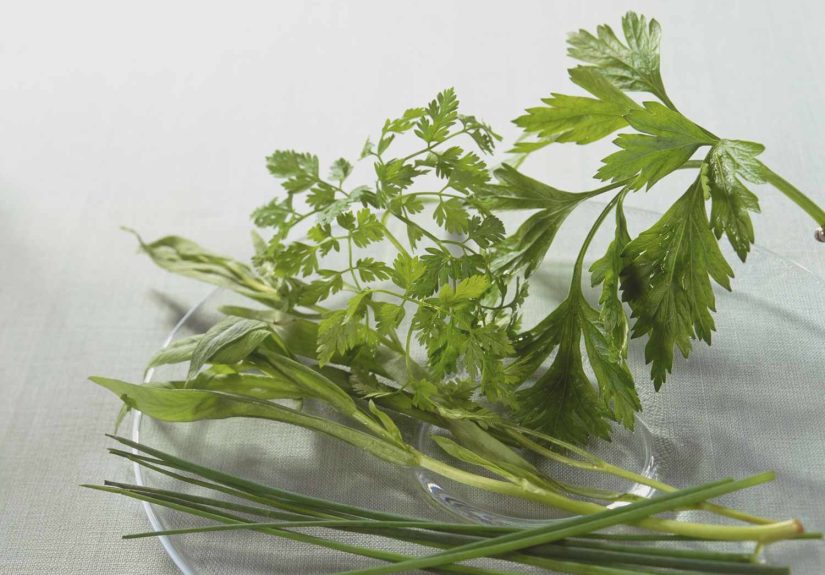
So, what is fines herbes? In the most traditional sense, it is a French herb mixture made from four delicate herbs: parsley, chives, tarragon, and chervil. Unlike bolder herb blends that can power through a long simmer like they own the place, fines herbes is gentle, fresh, and best treated with a little respect. It is typically added at the end of cooking or used raw so its subtle flavor stays bright and elegant instead of fading into the background like a shy wedding guest.
In this guide, we will break down what fines herbes is, what it tastes like, how it differs from other French herb blends, when to use it, what to pair it with, and how to make it at home without turning your cutting board into a leafy crime scene.
What Does Fines Herbes Mean?
Literally, fines herbes means “fine herbs” in French. That sounds almost suspiciously straightforward, but the phrase refers to more than just herbs that were raised with good manners. In classic French cooking, it describes a specific family of tender herbs used to season dishes with a light hand.
The key idea is delicacy. Fines herbes is not about intensity, smoke, resin, or piney depth. It is about freshness, lift, and nuance. Think of it as the herb blend for foods that do not need to be shouted at. Eggs, fish, chicken, spring vegetables, cream sauces, and soft salads all benefit from its clean, subtle aroma.
The Classic Fines Herbes Ingredients
The canonical blend includes four herbs. Some cooks play around the edges, but these are the classic stars of the show:
Parsley
Parsley brings freshness, a grassy green flavor, and the kind of clean finish that makes other herbs behave better. It acts like the dependable friend in the group chat: not always the loudest, but the reason the whole thing works.
Chives
Chives add a mild onion note without the heavy punch of actual onion. They give fines herbes a savory edge, but in a polished way. Chives do not stomp into a dish wearing work boots. They glide in wearing loafers.
Tarragon
Tarragon is the most distinctive herb in the mix. It has a light anise or licorice note that gives fines herbes its subtle French accent. Used in the right amount, it tastes refined and aromatic. Used in excess, it can take over the dish like a karaoke singer who got one compliment and never recovered.
Chervil
Chervil is the herb that many American home cooks know the least, which is a shame because it is lovely. Its flavor is mild, slightly sweet, and gently reminiscent of parsley with hints of anise. It is delicate, feathery, and one of the main reasons fines herbes tastes elegant rather than merely herbal.
What Does Fines Herbes Taste Like?
Fines herbes tastes bright, green, light, and softly aromatic. It is not spicy. It is not woody. It is not earthy in the deep, almost forest-floor way that rosemary or sage can be. Instead, it brings a fresh, slightly sweet, lightly oniony, faintly anise-like flavor that flatters rather than dominates.
The overall taste depends on the ratio. More parsley makes it cleaner and greener. More chives pulls it savory. A heavier hand with tarragon makes the licorice note more obvious. More chervil makes the blend softer and more refined. Most cooks aim for balance, but the exact blend can vary slightly based on the dish.
That is one reason fines herbes is so useful. It does not scream for attention. It quietly makes everything around it taste more polished.
Why Fines Herbes Is Usually Fresh, Not Dried
This is where a lot of home cooks get tripped up. Fines herbes is traditionally made with fresh herbs because the blend depends on tenderness and aroma. Delicate herbs lose a lot when dried, especially chives and parsley, which can go from “vibrant and lively” to “green confetti with a résumé.”
Can you find dried fines herbes in stores? Yes. Can you use it in a pinch? Also yes. Will it taste exactly like the fresh version? Not even close. If the goal is classic French flavor, fresh is the move. Dried fines herbes is more like a backup dancer than the lead performer.
Fresh herbs also allow the texture to do some work. Tiny flecks of chopped chive and parsley, along with the tender leaves of chervil and tarragon, create a visual freshness that dried herbs simply cannot match. In a soft omelet, over poached fish, or stirred into a creamy sauce, that freshness matters.
When Should You Add Fines Herbes?
Usually near the end of cooking, or after cooking altogether. That timing is important because the blend is built from delicate herbs whose flavor can fade with too much heat.
If you add fines herbes too early, especially to a long-cooked dish, you lose the very thing that makes it special. The result will not be terrible, but it may feel a bit like buying fresh flowers and then leaving them in the trunk for three days. Technically they are still flowers. Spiritually, however, the moment has passed.
Use fines herbes in one of these ways:
- Folded into eggs just before or just after cooking
- Sprinkled over fish, chicken, or vegetables right before serving
- Stirred into butter, crème fraîche, mayonnaise, or yogurt sauces
- Added to salad dressings and vinaigrettes
- Mixed into soft cheeses or compound butter
- Used as a finishing touch for soups that are already off the heat
Best Dishes for Fines Herbes
Because the blend is subtle, it works best in foods with relatively delicate flavors. Here are some of the classic and most practical ways to use it:
Egg Dishes
This is probably the most iconic use. An omelet aux fines herbes is practically the herb blend’s official spokesperson. Scrambled eggs, soft-boiled eggs with buttered toast, quiche, and soufflés also benefit from a light sprinkle.
Fish and Seafood
White fish, salmon, scallops, and shrimp all pair beautifully with fines herbes. Add it to a beurre blanc, stir it into lemon butter, or scatter it on top just before serving. The herbal lift keeps seafood tasting clean and fresh.
Chicken and Light Poultry Dishes
Roast chicken, poached chicken breasts, chicken salad, and creamy chicken sauces are all great candidates. Fines herbes brings brightness without making the dish taste like a spice cabinet exploded.
Vegetables
Spring vegetables are especially good with fines herbes. Think asparagus, peas, green beans, baby potatoes, carrots, and zucchini. A little butter, a squeeze of lemon, and a spoonful of chopped herbs can make even well-behaved vegetables feel exciting.
Salads and Dressings
Because the herbs are tender, they can be used raw. Add them to leafy salads, potato salad, egg salad, chicken salad, or vinaigrettes. Fines herbes works especially well when you want freshness without the intensity of raw rosemary, oregano, or sage.
Creamy Sauces and Soft Spreads
Blend fines herbes into sour cream, cream cheese, ricotta, whipped goat cheese, mayo, or yogurt for an easy dip or spread. It instantly makes a plain dairy base taste more thoughtful, which is handy when guests arrive and you would prefer to look effortlessly competent.
Fines Herbes vs. Herbes de Provence
These two blends are not interchangeable, and mixing them up can change a dish more than you might expect.
Fines herbes is made from tender herbs, usually fresh, and used for light finishing or short cooking.
Herbes de Provence is usually a dried blend of stronger, woodier herbs such as thyme, rosemary, oregano, savory, and sometimes lavender. It is better suited for roasting, braising, and dishes that can stand up to bold, rustic flavor.
In plain English: fines herbes is the silk blouse, and herbes de Provence is the denim jacket. Both are great. They are simply not dressing for the same occasion.
Fines Herbes vs. Bouquet Garni
Another common point of confusion: bouquet garni is not really the same kind of blend at all. It is a bundle of herbs, often tied together or wrapped in cheesecloth, that simmers in soups, stews, stocks, and braises. It is there to infuse flavor and then leave the party before dinner is served.
Fines herbes, by contrast, is usually chopped and eaten as part of the dish. It is a finishing blend. Bouquet garni is an infusion tool. One stays in the spotlight. The other sneaks out through the kitchen door.
How to Make Fines Herbes at Home
The simplest version is equal parts finely chopped parsley, chives, tarragon, and chervil. That is the classic formula and a great place to start.
Basic Homemade Fines Herbes
- 1 tablespoon finely chopped flat-leaf parsley
- 1 tablespoon finely chopped chives
- 1 tablespoon finely chopped fresh tarragon
- 1 tablespoon finely chopped fresh chervil
Mix and use immediately. If you are making it a little ahead, keep it chilled and loosely covered, but do not let it sit for hours and hours unless you enjoy watching herbs become dramatically less impressive.
What If You Cannot Find Chervil?
Chervil can be the hardest herb to source in regular grocery stores. If you cannot find it, you can still make a respectable version using parsley, chives, and tarragon. The result will not be perfectly classical, but it will still be delicious.
Some cooks add a little extra parsley to compensate. Others use a tiny amount of dill or a mild leafy herb for softness, though that takes you into adaptation territory rather than textbook fines herbes. That is okay. Cooking is not a final exam unless you are on television.
Common Mistakes to Avoid
- Using only parsley and calling it fines herbes: parsley is important, but it is not the whole choir.
- Adding the blend too early: long heat dulls the fresh flavor.
- Using dried herbs as a full substitute: acceptable in a pinch, but not ideal.
- Overloading tarragon: its flavor is lovely, but it can dominate fast.
- Pairing it with very heavy flavors: strong smoke, lots of chile, or long braises can bury the blend.
What Cooking with Fines Herbes Feels Like in Real Life
If you have never cooked with fines herbes before, the first experience can be surprisingly eye-opening. On paper, it sounds humble. Four chopped herbs. No fireworks. No caramelization. No cheese pull dramatic enough for social media. But the first time you fold it into warm scrambled eggs or spoon it over buttered new potatoes, you understand the appeal almost immediately.
The effect is not loud. It is not the kind of flavor that slaps you across the face and introduces itself. It arrives gently. First there is the grassy freshness of parsley, then the mild onion note from chives, followed by the faint whisper of anise from tarragon and chervil. Suddenly a basic dish tastes layered, cleaner, and somehow more put together. It is the food equivalent of making your bed and realizing your whole room now looks 30 percent more respectable.
Many home cooks expect herb blends to behave like seasoning shortcuts, but fines herbes is more like a finishing move. It does not replace salt, acid, butter, or stock. It works with them. Add it to a pan sauce and the sauce feels brighter. Stir it into softened butter and toast suddenly seems to have ambitions. Fold it into a simple chicken salad and the whole bowl tastes fresher, lighter, and far more expensive than the ingredient list would suggest.
There is also a tactile pleasure to using it. Chopping the herbs finely, seeing the different greens gather into one pile, and catching that fresh aroma over the cutting board is part of the experience. It feels precise in the best way. Not fussy, just intentional. Even if dinner is otherwise ordinary, using fines herbes can make cooking feel a little more like a craft and a little less like a Tuesday survival exercise.
It also teaches restraint. The blend rewards a lighter touch than many American cooks are used to. You do not need half a cup dumped everywhere. A spoonful or two can be enough. That makes it a useful lesson in balance: sometimes the best flavor upgrade is not more intensity, but better contrast. Rich eggs need freshness. Creamy sauces need lift. Soft fish needs a clean herbal edge. Fines herbes does that beautifully.
There is a practical side, too. Once you start buying fresh herbs for recipes, you often end up with leftover bunches staring at you from the fridge like a judgmental bouquet. Fines herbes gives those herbs a purpose. A little parsley, some chives, a bit of tarragon, maybe chervil if you found it, and suddenly leftovers become strategy. It is one of those classic preparations that helps you cook smarter, waste less, and make simple food taste more complete.
Perhaps the best part of the experience is how approachable it becomes after the first try. What begins as a mysterious French phrase quickly turns into a practical habit. You stop thinking of fines herbes as a fancy concept and start treating it as an easy way to wake up eggs, vegetables, seafood, dressings, and soft spreads. That is usually the moment when an ingredient graduates from “interesting” to “useful.” And useful ingredients are the ones that earn permanent real estate in a cook’s routine.
Final Thoughts
Fines herbes may sound like one of those culinary terms designed to intimidate people into buying a more expensive omelet, but it is actually one of the simplest and smartest herb blends in cooking. At its core, it is a mix of parsley, chives, tarragon, and chervil used to add a fresh, refined lift to delicate dishes.
Its magic lies in its restraint. It does not bully the food. It brightens it. That is why it has stuck around for generations in French cooking and why it deserves a spot in modern American kitchens too. If you cook eggs, fish, chicken, vegetables, or creamy sauces, fines herbes is not just useful. It is a quiet little game-changer.
So the next time you want to make a simple dish taste elegant without adding a dozen ingredients, remember this humble herb blend. Chop a few fresh leaves, add them at the end, and enjoy the deeply satisfying feeling of making something taste fancy with almost suspiciously little effort.






 Close
Close