
Table of Contents >> Show >> Hide
- What Are Hydrocolloid Bandages?
- What’s Inside Hydrocolloid Bandages?
- How Hydrocolloid Dressings Work (Without the Hype)
- What Hydrocolloid Bandages Are Commonly Used For
- When You Should NOT Use Hydrocolloid Bandages
- How to Use Hydrocolloid Bandages on Wounds (Step by Step)
- How to Use Hydrocolloid Pimple Patches (Without Sabotaging Them)
- Choosing the Right Hydrocolloid Bandage
- Common Questions (Because the Bandage Is Doing Weird Things)
- Real-Life Experiences With Hydrocolloid Bandages (What People Notice)
- The first surprise: “Why is it turning white?”
- The comfort factor is real (especially for blisters)
- The “stickiness” can be both blessing and curse
- Acne patches: the unexpected benefit is behavior control
- What frustrates people most: using them on the wrong problem
- The “I forgot it was there” moment
- Conclusion
Hydrocolloid bandages are one of those “where have you been all my life?” first-aid inventions. They look like simple stickers, but they’re engineered to do a surprisingly specific job: create a protected, moist environment that helps certain wounds (and some pimples) heal with less drama. If you’ve ever peeled one off and found a mysterious white bubble underneath, congratsyou’ve witnessed science doing its thing, not your skin “getting gross.”
In this guide, we’ll break down what’s inside hydrocolloid dressings, how they work, when they’re a great idea, when they’re a terrible idea, and how to use them without turning your bandage change into an Olympic event.
What Are Hydrocolloid Bandages?
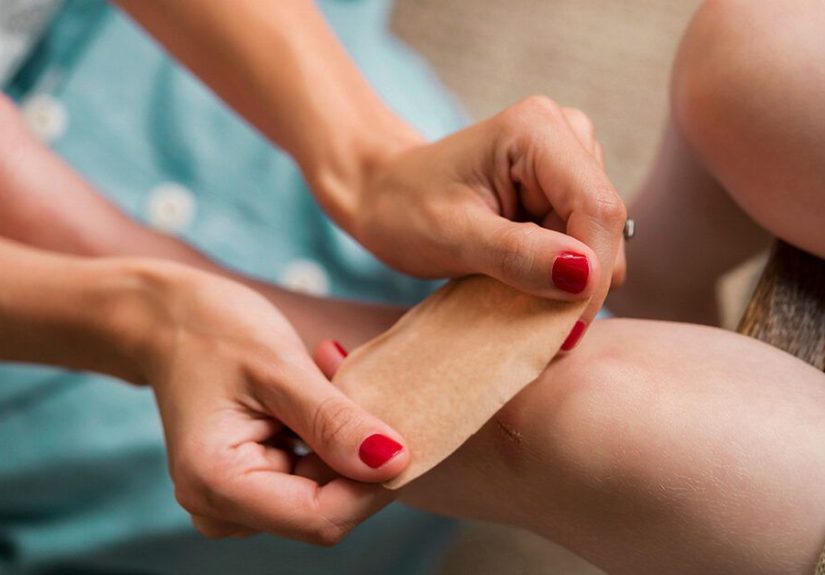
A hydrocolloid bandage (also called a hydrocolloid dressing) is a self-adhesive wound covering designed to absorb light-to-moderate fluid while sealing the area from outside contaminants. Most versions have a gel-forming inner layer and a thin outer backing that helps keep water out and the dressing in place.
You’ll see hydrocolloids sold as:
- Blister bandages (for heels, toes, and high-friction hot spots)
- “Hydro seal” style bandages for minor cuts and scrapes
- Hydrocolloid sheets used for shallow wounds (often in clinical settings)
- Hydrocolloid acne patches (aka pimple patches) for certain breakouts
What’s Inside Hydrocolloid Bandages?
“Hydrocolloid” isn’t one single ingredientit’s a category of materials that love water and form a gel when they meet fluid. Most hydrocolloid bandages are built like a sandwich: an outer protective layer and an inner gel-forming layer.
1) The gel-forming “wound contact” layer
This is the part that touches your skin. It’s typically a blend of water-absorbing, gel-forming ingredients, often including:
- Sodium carboxymethylcellulose (CMC): a cellulose-derived polymer that swells and turns gel-like when it absorbs fluid
- Gelling agents such as pectin and/or gelatin (common in many hydrocolloid formulations)
- Elastomers and adhesives: materials that help the dressing flex with movement and stick around the wound edges
When wound drainage (or pimple fluid) hits this layer, it hydrates and swells into a soft gel. That gel is the “working zone” where moisture is managed and the wound stays protected.
2) The outer backing layer
The outside of a hydrocolloid bandage is usually a thin polyurethane film (sometimes foam-backed). Think of it as the raincoat. It helps block water, dirt, and bacteria from the outside world while still allowing some vapor exchange. Translation: your wound gets a safer micro-environment, and you can usually shower without panicking.
3) Optional “extra” ingredients in acne patches
Many basic hydrocolloid acne patches are just hydrocolloidno medicine. But some newer acne patches may add ingredients like:
- Salicylic acid (helps unclog pores)
- Niacinamide (can calm visible redness and support the skin barrier)
- Tea tree oil or other botanicals (potentially irritating for sensitive skin)
- Micro-darts/micro-points (tiny dissolving structures meant to deliver ingredients into the very top layers of skin)
If your skin is easily irritated, “plain hydrocolloid” patches are often the gentlest starting point.
How Hydrocolloid Dressings Work (Without the Hype)
Hydrocolloid bandages aren’t magicmore like a well-run hotel for healing skin: controlled humidity, decent security, and fewer random visitors.
They maintain a moist wound environment
Modern wound care often favors moist wound healing for many superficial injuries. The hydrocolloid gel helps prevent the wound from drying out and cracking, which can support more comfortable healing for the right wound type.
They absorb fluid and turn it into gel
As the dressing absorbs drainage (also called wound exudate), it swells and forms a gel. That gel can look white or cloudy under the bandage. This is normal and usually means the dressing is doing exactly what it was designed to do.
They protect from friction, picking, and contamination
The sealed surface helps reduce:
- Friction and rubbing (great for blisters)
- Touching/picking (great for both wounds and pimples)
- Exposure to outside irritants
They can support autolytic debridement in appropriate wounds
In certain clinical contexts, hydrocolloids can help the body soften and lift small amounts of non-healthy tissue through a natural process called autolytic debridement. This is not a DIY invitation to slap hydrocolloid on anything dramaticthink shallow, non-infected wounds with the right moisture level.
What Hydrocolloid Bandages Are Commonly Used For
1) Blisters and hot spots (their greatest hit)
If you’ve got a heel blister from new shoes, hydrocolloid blister bandages are often an excellent choice. They cushion, reduce rubbing, and protect the skin while it repairs itself.
Example: You feel a “hot spot” on your heel mid-day. If the skin is intact, you can clean and dry the area, apply a blister-sized hydrocolloid, and leave it in place for a couple of days (or until it loosens). This can prevent the blister from becoming a bigger, angrier problem.
2) Minor cuts, scrapes, and shallow wounds
Hydrocolloid bandages can work well for superficial injuries with low-to-moderate drainagethink a scraped knee that weeps a little, or a shallow cut that’s clean and no longer actively bleeding.
3) Minor burns (select cases)
Some hydrocolloid dressings are used for superficial burns. But burns are tricky: if it’s severe, blistering extensively, very painful, or covers a large area, it’s time for medical evaluation. Hydrocolloid should not be used for deep/serious burns.
4) Acne “pimple patches” (specific pimples only)
Hydrocolloid acne patches work best on surface-level, fluid-filled blemishesespecially ones that are already open or oozing a bit. They can absorb fluid, protect from picking, and help the area calm down.
They’re usually not very helpful for:
- Blackheads
- Deep cystic acne
- “Under the skin” painful lumps that haven’t come to the surface
When You Should NOT Use Hydrocolloid Bandages
Hydrocolloid dressings are occlusive/semi-occlusive, meaning they can trap moisture and heat. That’s great for the right situationand not great when bacteria are already throwing a party.
Avoid hydrocolloid bandages when:
- The wound looks infected (spreading redness, warmth, worsening pain, foul odor, pus that keeps returning, fever, or red streaking)
- The wound is heavily draining (hydrocolloids can saturate quickly and leak)
- There’s thick necrotic tissue or the wound needs frequent visualization
- You have a serious condition that changes wound risk (for example, certain diabetic foot wounds should be managed with clinician guidance)
- You’re allergic or sensitive to adhesives (or you’ve had contact dermatitis from bandages before)
If you’re unsure, especially with larger wounds, wounds on the foot, or wounds that aren’t improving, it’s safer to ask a clinician than to play “Bandage Roulette.”
How to Use Hydrocolloid Bandages on Wounds (Step by Step)
Step 1: Wash your hands (yes, really)
Hydrocolloids seal things in. That’s their whole personality. So you want to start clean.
Step 2: Clean the wound gently
Use mild soap and water or saline, then pat dry. Make sure the skin around the wound is dry so the adhesive can grip.
Step 3: Choose the right size
A good rule: pick a dressing that extends at least 1 inch beyond the wound edges when possible. This helps it seal and stay put.
Step 4: Apply without stretching your skin like pizza dough
Peel off the backing, center the dressing, and press from the middle outward to avoid wrinkles and air pockets. Warmth helps adhesion, so hold your hand over it for 20–30 seconds.
Step 5: Leave it alone
Hydrocolloids are designed for longer wear than typical gauze. Many can stay on for a couple days, sometimes longer, depending on drainage and product instructions. Change it sooner if:
- The edges lift and can’t be resealed
- Fluid reaches the edge or leaks
- You notice increasing pain, redness, heat, or swelling
Step 6: Remove gently
Instead of yanking upward, try peeling slowly while supporting the skin. Some products recommend loosening an edge and stretching the bandage along the skin to help release adhesive. If removal feels intense, a warm shower can help soften the adhesive.
How to Use Hydrocolloid Pimple Patches (Without Sabotaging Them)
Do: start with clean, dry skin
Wash your face (or at least the area), then dry it completely. Oil and moisture reduce stickiness.
Do: use them on the right kind of pimple
Best targets: pustules, popped pimples, and oozing spots. These patches can absorb fluid and protect the opening while it calms down.
Don’t: apply over heavy skincare
If you put moisturizer, facial oil, or sunscreen right underneath, your patch may slide off like a tiny hockey puck. Apply the patch first, then avoid layering products directly over it unless the brand specifically says it’s compatible.
Wear time
Many people wear pimple patches for 6–12 hours (often overnight). If the patch turns opaque/white and looks “full,” it may be time to replace it.
Choosing the Right Hydrocolloid Bandage
Not all hydrocolloids are built the same. When shopping, consider:
- Thickness: thicker = more cushioning (good for blisters), thinner = more discreet (good for small wounds)
- Bordered vs. borderless: bordered versions may seal better on curved areas
- Shape: heel shapes for blisters, small dots for acne, rectangles for scrapes
- Added actives (acne patches): helpful for some, irritating for others
Common Questions (Because the Bandage Is Doing Weird Things)
Why did it turn white or form a “bubble”?
That’s usually absorbed fluid mixing with the gel-forming layer. It can look dramatic, but it’s often normal.
Can I put a hydrocolloid bandage on a brand-new, bleeding cut?
It’s better to stop bleeding first, clean the wound, and then apply once it’s not actively bleeding. Hydrocolloids aren’t meant to be your emergency pressure dressing.
Is it okay to shower with it?
Many hydrocolloid bandages are designed to be water-resistant. Still, if the edges lift or water sneaks under, replace it.
Will it heal my acne “faster”?
For the right blemish (surface-level and fluid-filled), it can help the spot look calmer and prevent picking. But it doesn’t treat the root cause of acne. If breakouts are frequent or painful, a broader acne routine (or a dermatologist visit) matters more than a drawer full of star-shaped stickers.
Real-Life Experiences With Hydrocolloid Bandages (What People Notice)
This part is about the “what it’s actually like” side of hydrocolloid bandagesbecause instructions are nice, but the real world includes sweaty shoes, impatient humans, and at least one bandage you forget you’re wearing until you try to take off your socks.
The first surprise: “Why is it turning white?”
A lot of people assume the whitening under the bandage means infection or “my skin is dissolving.” Usually it’s neither. Hydrocolloid gel absorbs fluid and swells, and the cloudy/white look is often just the gel doing its job. With blisters, that “bubble” can be a weirdly satisfying sign that the dressing is absorbing moisture and reducing friction. With pimples, it can look grossbut in a “mission accomplished” way.
The comfort factor is real (especially for blisters)
Compared to thin plastic bandages, hydrocolloids often feel cushier. People commonly describe them as a little “pillow” between skin and shoe. If you’ve ever tried to walk on a heel blister, you know how big a deal that can be. The difference is especially noticeable when the dressing stays put for more than a dayless rubbing, less pain, fewer “oh no” moments every time you take a step.
The “stickiness” can be both blessing and curse
Hydrocolloid adhesives are designed to hold through movement and moisture. That’s great when you want it to survive a long day. It’s less great when you remove it too quickly and your skin objects. Many people find removal is easiest after a shower or when the dressing is slightly warmed. Slow removal, peeling back low and steady (not up and yank), makes a big difference.
Acne patches: the unexpected benefit is behavior control
One of the biggest real-world wins with hydrocolloid acne patches isn’t even the absorptionit’s that the patch acts like a tiny “hands off” sign. If you tend to pick at bumps without noticing, a patch can break that habit loop. People often report fewer scabs and less lingering redness simply because they stopped touching the spot. It’s the skincare version of putting your phone in another room to get homework done.
What frustrates people most: using them on the wrong problem
Hydrocolloids shine on the right target: shallow wounds with some moisture, and pimples with fluid near the surface. When people put them on deep, painful cystic acne, blackheads, or infected-looking wounds, they’re often disappointed. The patch may do almost nothingor it may trap moisture in a situation where you really want medical guidance. In other words: the product didn’t fail; it was hired for the wrong job.
The “I forgot it was there” moment
Because hydrocolloids can be worn longer than typical bandages, it’s common to forget you’re wearing one until you notice the edges lifting or you catch it in the mirror. That’s usually a good signless fussing often means better healing conditions. Just remember to check the area daily for comfort and for any signs of irritation or infection, especially if the wound is larger or in a high-risk area.
Conclusion
Hydrocolloid bandages are basically smart stickers: a gel-forming inner layer (often including ingredients like CMC plus gelling agents) and a protective outer film that helps lock in the right amount of moisture and lock out the wrong kind of trouble. They’re especially useful for blisters, minor wounds with light-to-moderate drainage, and certain pimplesmainly the ones that are already at the surface and producing fluid.
The key is matching the bandage to the job. Use hydrocolloid dressings when you want cushioning, protection, and moisture balance. Skip them when a wound looks infected, is heavily draining, or needs frequent monitoring. When in doubtespecially for serious woundsget medical advice. Your future self (and your skin) will thank you.







 Close
Close