
Table of Contents >> Show >> Hide
- Spool Pools 101: What They Are (and What They Aren’t)
- Spool vs. Plunge vs. Cocktail vs. Swim Spa
- Typical Size, Depth, and Seating (What Fits Where)
- Why Homeowners Love Spool Pools
- What a Spool Pool Costs (and Why the Range Is So Wide)
- Running Costs: Heating and Electricity (The Part Nobody Posts on Instagram)
- Installation Considerations: Permits, Access, and “Surprise, You Need More Power”
- Safety: The Non-Negotiables for Any Small Pool or Spa
- Maintenance: Smaller Water, Faster Mood Swings
- Design Ideas That Make a Spool Feel Like a Resort
- Who a Spool Pool Is Perfect For (and Who Might Regret It)
- Smart Shopping Checklist: Questions to Ask Before You Commit
- Real-World Spool Pool Experiences (The “Wish I Knew This Earlier” Section)
- Conclusion: The Spool Pool Bottom Line
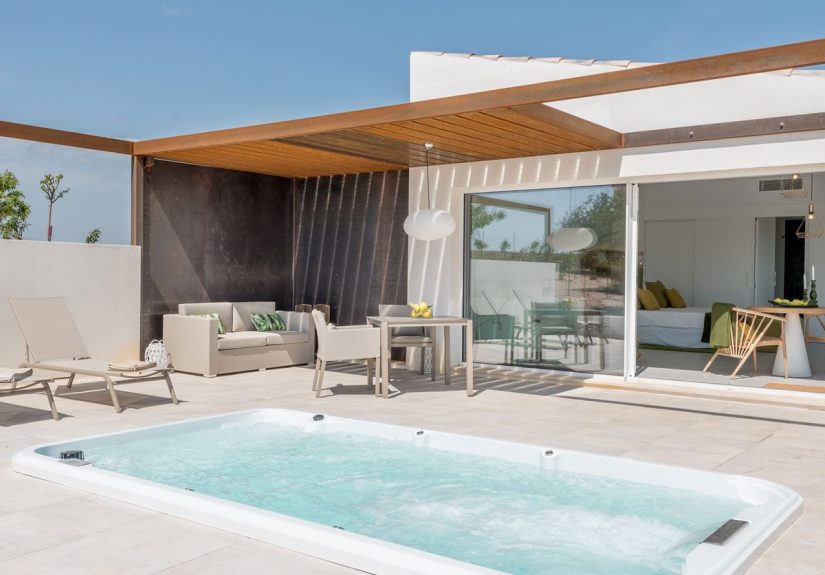
If your backyard is “cozy” (real-estate code for tiny), but your summer dreams are “resort,” a spool pool might be your Goldilocks upgrade: bigger than a hot tub, smaller than a full pool, and often packed with spa-like perks. Think of it as the backyard water feature that says, “I want to cool off, relax, and maybe pretend I’ll do aquatic cardio,” without dedicating half your property to a deep end you’ll use twice a year.
This guide breaks down what spool pools are, how they compare to plunge and cocktail pools, what they cost, what they take to run, and what homeowners wish they’d known before the excavator showed up.
Spool Pools 101: What They Are (and What They Aren’t)
The word spool is commonly used as a mashup of spa + pool. In the real world, it can mean one of two things (and this matters when you’re shopping):
- Relaxation-focused spool: A compact pool designed for lounging and soaking, often with benches, jets, and a heater so it can function like a big hot tub when the weather dips.
- Exercise-focused spool (often marketed as a “swim spa”): A compact vessel with stronger directional jets (or other propulsion systems) that create a current you can swim againstlike a treadmill, but wetter and with fewer excuses.
Many people also use spool interchangeably with cocktail pool or plunge pool. There’s overlap, but not every small pool is a true spoolespecially if it doesn’t have jets or heating.
Spool vs. Plunge vs. Cocktail vs. Swim Spa
Here’s a quick comparison so you don’t end up buying a “spool” that’s actually just a small pool with a trendy name.
| Type | Main Purpose | Typical Features | Best For |
|---|---|---|---|
| Spool pool | Hybrid spa + pool | Heater, jets, seating; sometimes swim current | Year-round lounging, small-space “pool + spa” feel |
| Plunge pool | Cooling off | Compact footprint, uniform depth, simple design | Hot climates, tight yards, low-fuss dip sessions |
| Cocktail pool | Social lounging | Benches, ledges, shallow depth; “hangout” vibe | Entertaining, conversations, “feet-in” parties |
| Swim spa | Fitness + therapy | Strong current, dedicated swim lane/chamber, jets | Low-impact training, rehab, steady exercise routine |
Pro tip: When a builder says “spool,” ask: “Are we talking relaxation jets, or a swim-current system?” Those are very different price tags and very different daily use cases.
Typical Size, Depth, and Seating (What Fits Where)
One reason spool pools are trending is simple: they work in places where a full pool is unrealistic. Common spool dimensions are roughly in the neighborhood of 10–16 feet long and 6–8 feet wide, with depths that vary by design. Some spool-style pools are closer to plunge pools in size, while swim-spa versions can be longer to support a better current and workout experience.
What that means for your yard
- Small footprint: Great for narrow side yards, compact patios, or odd-shaped spaces.
- Seating matters: Built-in benches can turn “small pool” into “outdoor living room,” but benches also reduce open water areaimportant if you want exercise space.
- Depth choices: Shallower designs are more social and kid-friendly; deeper designs feel more plunge-like and can support water exercise.
Why Homeowners Love Spool Pools
A spool pool isn’t just a smaller poolit’s a different lifestyle choice. (Yes, that sounds dramatic. No, it’s not wrong.)
1) You can use it more months of the year
Because spools are smaller, they’re generally easier (and cheaper) to heat than a full-size pool. That makes shoulder seasons more realistic, and in some climates, it can be a near year-round feature if you’re okay paying for heat.
2) Spa features without committing to “hot tub only”
If you love soaking but also want the option to cool off on a scorching day, a spool can be a true hybrid. It’s not a full lap pool, but it’s also not limited to hot-tub temperatures.
3) Lower water volume can mean easier upkeep
Less water often means fewer chemicals and less time cleaningthough there’s a catch (we’ll cover it): small bodies of water can swing out of balance faster if you ignore testing.
4) Design flexibility
Spools can be built in-ground like a mini pool, installed above-ground as a prefabricated unit, or designed with ledges, lighting, fountains, and “resort” details that make the whole yard feel upgradedeven if the water feature itself is compact.
What a Spool Pool Costs (and Why the Range Is So Wide)
Spool pool pricing can feel like a magic trick: you start thinking “small pool, smaller bill,” and then you add heating, jets, electrical upgrades, decking, drainage, and suddenly you’re googling “how to sell a kidney on Facebook Marketplace.”
In general, many homeowners land in a broad range that can start in the low five figures and climb well beyond that, depending on:
- Type: prefabricated above-ground unit vs. custom in-ground build
- Site work: excavation, access, retaining walls, soil issues
- Utilities: electrical upgrades, gas line for heater, plumbing complexity
- Features: jets/current system, lighting, automation, water features
- Hardscaping: decking, patios, steps, outdoor shower, landscaping
Budget reality check
A spool can be less expensive than a full-size pool, but it can also be expensive per square foot because you’re still paying for many of the same “fixed costs” (permits, equipment, skilled labor, electrical/plumbing) even though the water footprint is smaller.
Running Costs: Heating and Electricity (The Part Nobody Posts on Instagram)
Operating costs depend heavily on your climate, energy rates, insulation/cover choices, and how warm you keep the water. The biggest recurring costs tend to be:
- Heating: especially if you treat it like a spa for months at a time
- Pump and filtration: circulation keeps water safe and clear
- Sanitation: chlorine, salt system maintenance, balancing chemicals
Heating options that commonly show up in spool plans
- Heat pump: often efficient in the right conditions, especially for maintaining temp over time.
- Gas heater: can heat faster; operating cost varies by fuel prices and usage patterns.
- Solar pool heating: can be great in sunny climates and can reduce heating burden if designed well.
How to keep energy costs from spiraling
- Use a high-quality cover: Evaporation is a heat thief. A good cover can be one of the best “ROI” upgrades.
- Choose efficient equipment: Variable-speed pumps can reduce energy use and noise compared to older single-speed setups.
- Heat smarter: Keep a “soak temp” plan (nights/weekends) instead of holding spa temps 24/7 if you don’t actually use it daily.
Installation Considerations: Permits, Access, and “Surprise, You Need More Power”
Even a small pool project can be a big construction event. Before you fall in love with a spool design, check these realities:
Access and delivery
If you’re considering a prefabricated spool/swim spa, you may need a crane or specialized access to place it. Tight access can add cost fast. If you’re building in-ground, access affects excavation, equipment staging, and timeline.
Electrical and gas upgrades
Jets, heaters, lighting, automation, and pumps add load. Many homes need electrical panel upgrades or additional circuits. If you want a gas heater, you may need a gas line upgrade.
Drainage and water management
Small pool doesn’t mean small drainage needs. Plan for backwash (if applicable), rain runoff, splash-out, and where water goes during maintenance or partial drains.
Surface and surround
The deck/patio around the spool is what makes it feel like a destination. It’s also where budgets creep. Choose materials that stay comfortable underfoot (especially in hot climates) and provide slip resistance.
Safety: The Non-Negotiables for Any Small Pool or Spa
Spool pools are compact, but the safety rules don’t shrink with the footprint.
Barriers, gates, and alarms
If your spool is outdoors, many areas require barriers or fencing, especially if children might access the yard. Self-closing, self-latching gates are common best practice. If your home forms one side of the barrier, door alarms and/or safety covers can add protection.
Covers aren’t just “nice to have”
In addition to helping with heat retention and debris control, certain safety covers can add a layer of protection when the spool isn’t in use. The right cover depends on your design and safety goalssome are meant for insulation and leaves, others are engineered for safety.
Entrapment awareness
Any pool or spa with suction fittings needs proper drain safety. Make sure your plan and equipment meet modern safety expectations, and don’t cut corners on fittings or covers.
Maintenance: Smaller Water, Faster Mood Swings
A spool can be easier to maintain than a full pooluntil you forget that small water volumes change chemistry faster. Translation: a little neglect goes a long way (in the wrong direction).
Basic water-care habits that keep spools happy
- Test consistently: pH and sanitizer levels matter for comfort and safety.
- Keep pH in range: pH that’s too high or low can reduce sanitizer effectiveness and irritate skin/eyes.
- Maintain sanitizer: Whether you use chlorine, bromine, or a salt system, you still need an effective sanitizer level.
- Circulation and filtration: Clear water is not the same as clean water, so don’t “eyeball” it.
If you plan to run your spool at higher temperatures like a spa, be prepared to test and balance more like a hot tub owner than a once-a-week pool owner.
Design Ideas That Make a Spool Feel Like a Resort
The secret sauce of a spool pool is how it integrates with the backyard. A few upgrades can make it feel intentionally luxurious rather than “we ran out of space.”
- Bench seating: turns the spool into a hangout zone.
- Lighting: LEDs create nighttime ambience and improve visibility.
- Water feature: a small spillway, sheer descent, or bubbler adds sound and movement.
- Privacy planting or screens: makes the area feel like an outdoor room.
- Outdoor shower hook-up: keeps grass and sunscreen out of the water longer.
Who a Spool Pool Is Perfect For (and Who Might Regret It)
A spool is a great fit if you:
- Want a small-space water feature you’ll actually use often
- Prefer lounging, hydrotherapy, and short dips over cannonball Olympics
- Like the idea of heating the water to extend the season
- Want something visually beautiful that upgrades the whole yard
You might want something else if you:
- Need a true lap pool for long swims
- Entertain big groups and want lots of splash space
- Don’t want to pay for heating or frequent water testing
Smart Shopping Checklist: Questions to Ask Before You Commit
- Is it a relaxation spool or a swim-current system? Get clarity on jets and intended use.
- What’s included in the quote? Electrical upgrades, permits, decking, and landscaping can be separate.
- What’s the heating plan? Heat pump vs gas vs solarand what will it cost to run in your climate?
- What safety measures are required locally? Fencing, alarms, covers, and gate rules vary.
- What’s the maintenance routine? Who tests water, who cleans filters, and how often?
- What’s the realistic timeline? Delivery, excavation, cure times, inspections, and weather can all affect it.
Real-World Spool Pool Experiences (The “Wish I Knew This Earlier” Section)
1) The cover becomes your favorite purchaseafter you stop resenting its price.
Homeowners who use their spool regularly often say the cover ends up being the unsung hero. It keeps leaves out, reduces evaporation, and helps the water hold temperature. The emotional journey usually goes: “Do we really need it?” → “Why is it so expensive?” → “Okay, I get it now.” In cooler months, a cover can be the difference between “We soak all fall” and “We used it twice and gave up.”
2) Small water warms faster… but it also cools faster.
One of the joys of a spool is that you’re not heating a massive body of water. But the flip side is that temperature can drop noticeably overnight if you don’t cover it or if the weather swings. Many owners settle into a routine: keep it at a moderate “comfortable” temperature most of the time, then bump it warmer a few hours before a planned soak. It’s less “set it and forget it” than people expectmore like owning a very relaxing pet that needs a little daily attention.
3) Chemistry is easieruntil it isn’t.
New spool owners often love that there’s less water to treat. Then they learn the other truth: because there’s less water, changes happen faster. A busy weekend with friends can chew through sanitizer quickly. A heat wave can push pH around. A windy day can dump debris in like it’s being paid per leaf. The owners who feel happiest long-term are the ones who build a simple routine: test, adjust, skim, repeat. It’s not hardit’s just consistent.
4) The “seating plan” matters more than you think.
In a small footprint, every inch is a design decision. Built-in benches can make the spool feel like a luxury lounge, but too much seating can shrink the usable water area. If you want exercise, prioritize an open lane. If you want entertaining, prioritize face-to-face seating. Many homeowners say they would have mocked up the interior layout with painter’s tape before finalizing the designbecause what looks spacious on paper can feel tight when four adults try to find a comfortable spot.
5) The best spools are designed like outdoor rooms, not standalone objects.
Owners who love their spools tend to talk as much about the surround as the water: the privacy screen, the lighting, the steps, the little table for drinks, the towel hooks, the path from the house. The spool becomes a habit when it’s easy to use. If you have to awkwardly hop over landscaping, hunt for a towel, and walk barefoot across hot pavers… you’ll use it less, even if the water is perfect.
6) You’ll want a plan for “quiet time” and “party mode.”
Spools are great for a quick solo resetten minutes in warm water after work can feel like a vacation you didn’t have to pack for. But they can also be social. The trick is planning features that support both: dimmable lighting, a spot for a speaker (or built-in audio if you’re fancy), and surfaces around the spool that let guests hang out without everyone squeezing into the water at once.
7) Try before you buy, especially for swim currents.
If you’re considering a swim-spa-style spool, test the current in person. People have very different comfort levels with jet strength and flow style. Some currents feel smooth and “swimmable,” while others can feel like swimming into a particularly determined leaf blower. A short test can prevent a long-term “why did we do this” feeling.
Conclusion: The Spool Pool Bottom Line
A spool pool is a smart, space-savvy way to get the best parts of a pool and spa in one compact package. If your goal is frequent usequick cool-offs, warm soaks, easy entertaining, and maybe some low-impact exercisea spool can deliver big lifestyle value without needing a massive yard. The key is planning for the unglamorous parts (permits, power, covers, water care, and heating strategy) so your spool becomes a daily joy instead of an expensive backyard accessory you wave at politely.




 Close
Close